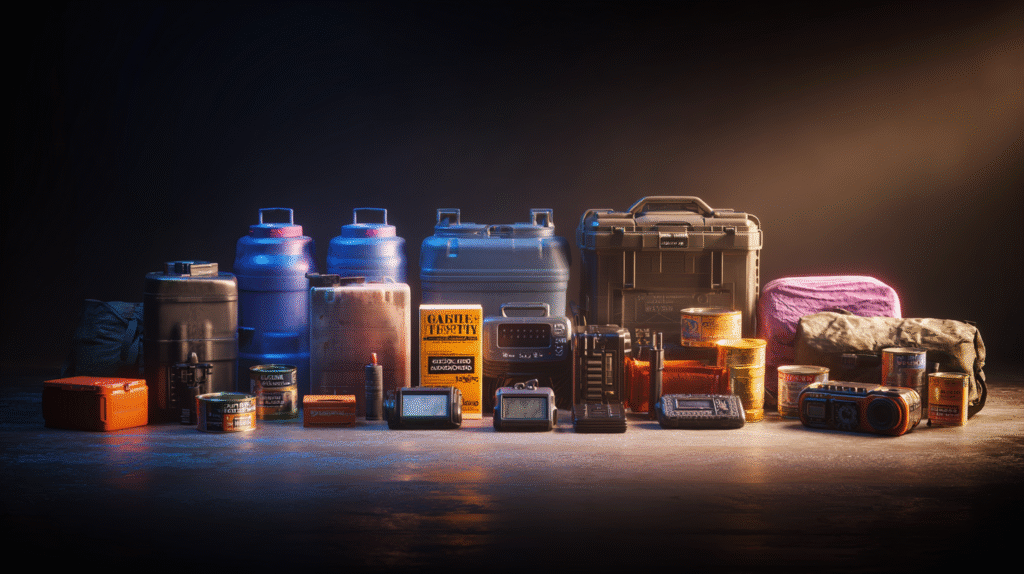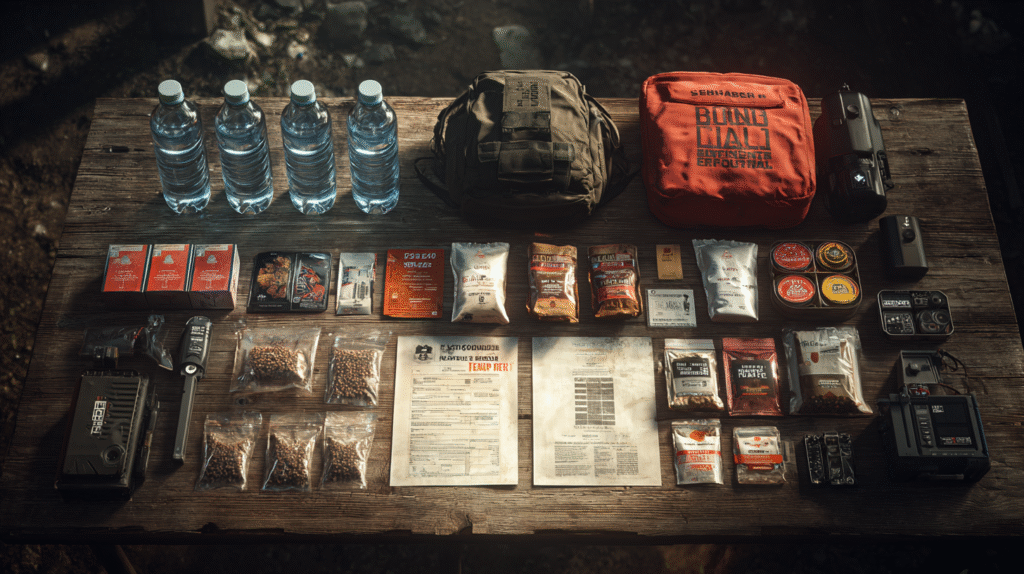
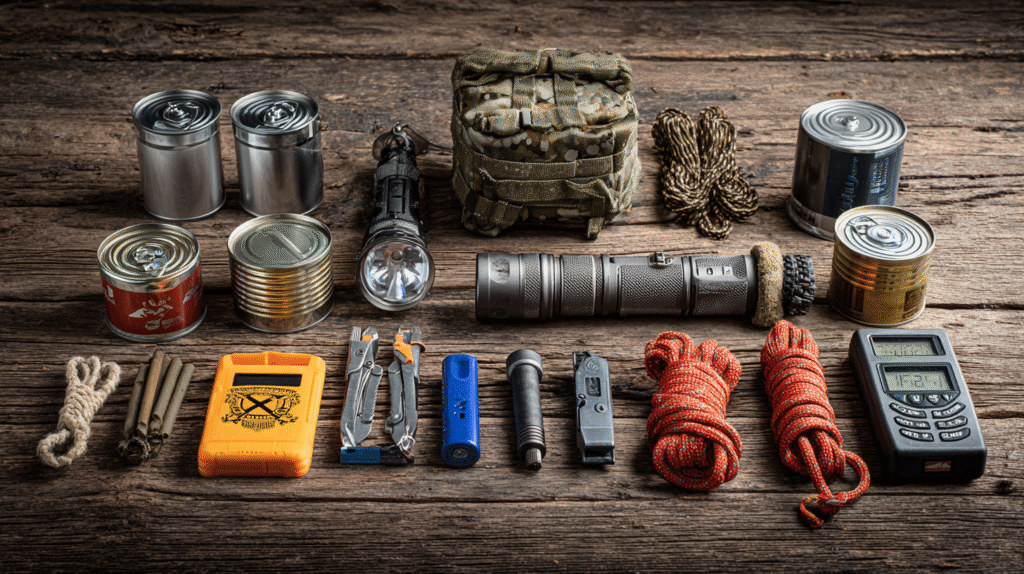
In a prolonged emergency, it’s the small, mundane items that often punch far above their weight. Certain must-have items for survival can be crucial in such situations. Yes, food, water, and shelter are the foundation—but dozens of inexpensive, easy-to-store tools can dramatically improve your safety, comfort, and options when the grid is down or supply chains are broken.
Use this updated list to round out your supplies. Wherever useful, I’ll point to proven methods and gear pairings from our in-house guides and add a few practical, field-tested product picks.
Want the bigger picture of what to carry and how to stage it? See the 72-Hour Emergency Kit guide for a grab-and-go baseline, and the Top 10 items for your disaster supply kit for the core must-haves.
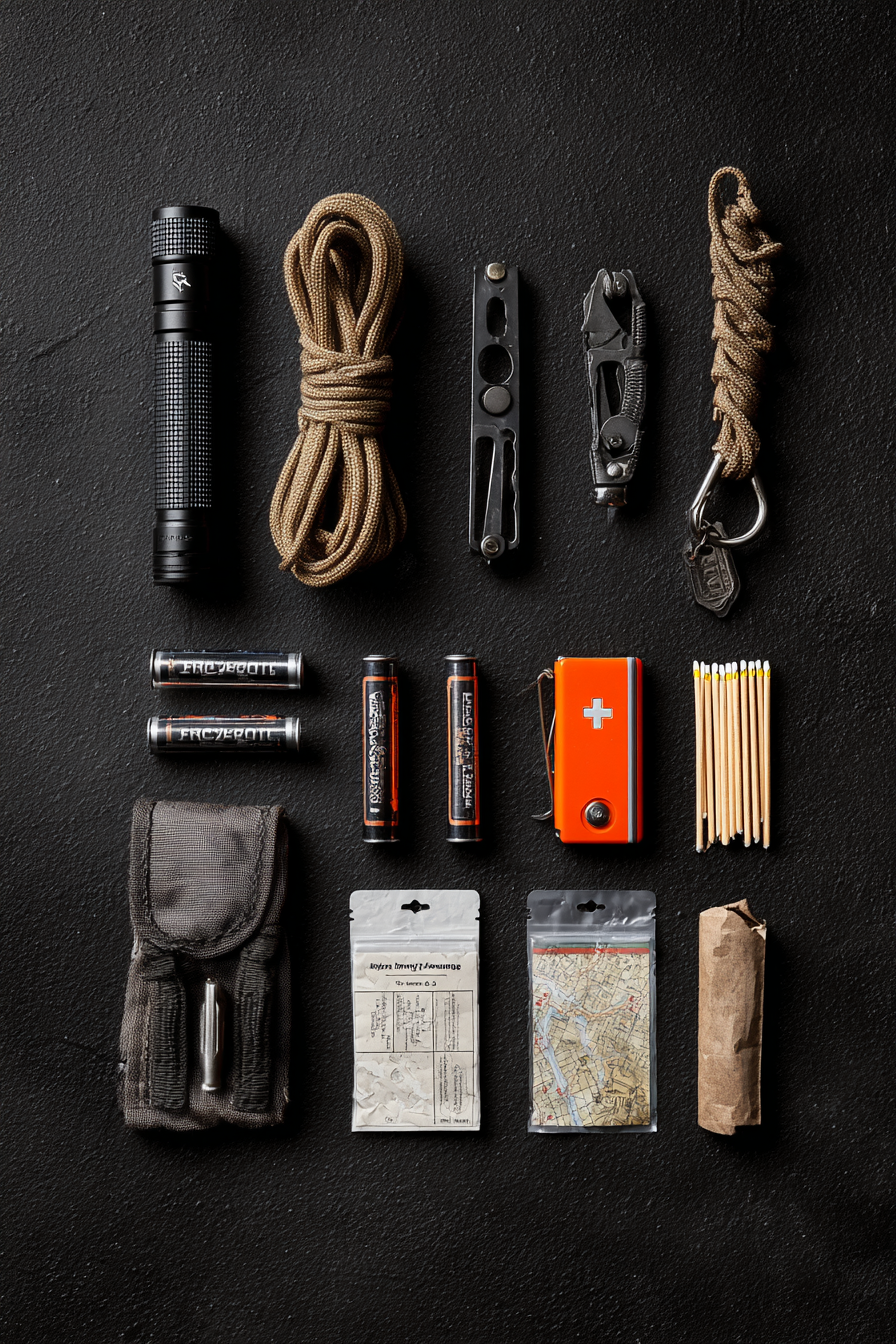
Water, Fire & Power (Stay Alive, Stay Warm, Stay Lit)
- Activated Charcoal
Excellent for simple DIY water filtration pre-treatment (removing odors and some impurities before you boil or disinfect). Keep it dry and sealed. For complete potable-water approaches, review 5 Effective Water Purification Methods for Emergencies. - Baking Soda
Cleans cookware, deodorizes, scrubs, and can help douse small grease fires (never use water on grease fires). Cheap and nearly indefinite shelf life. - Batteries (AA/AAA/rechargeable)
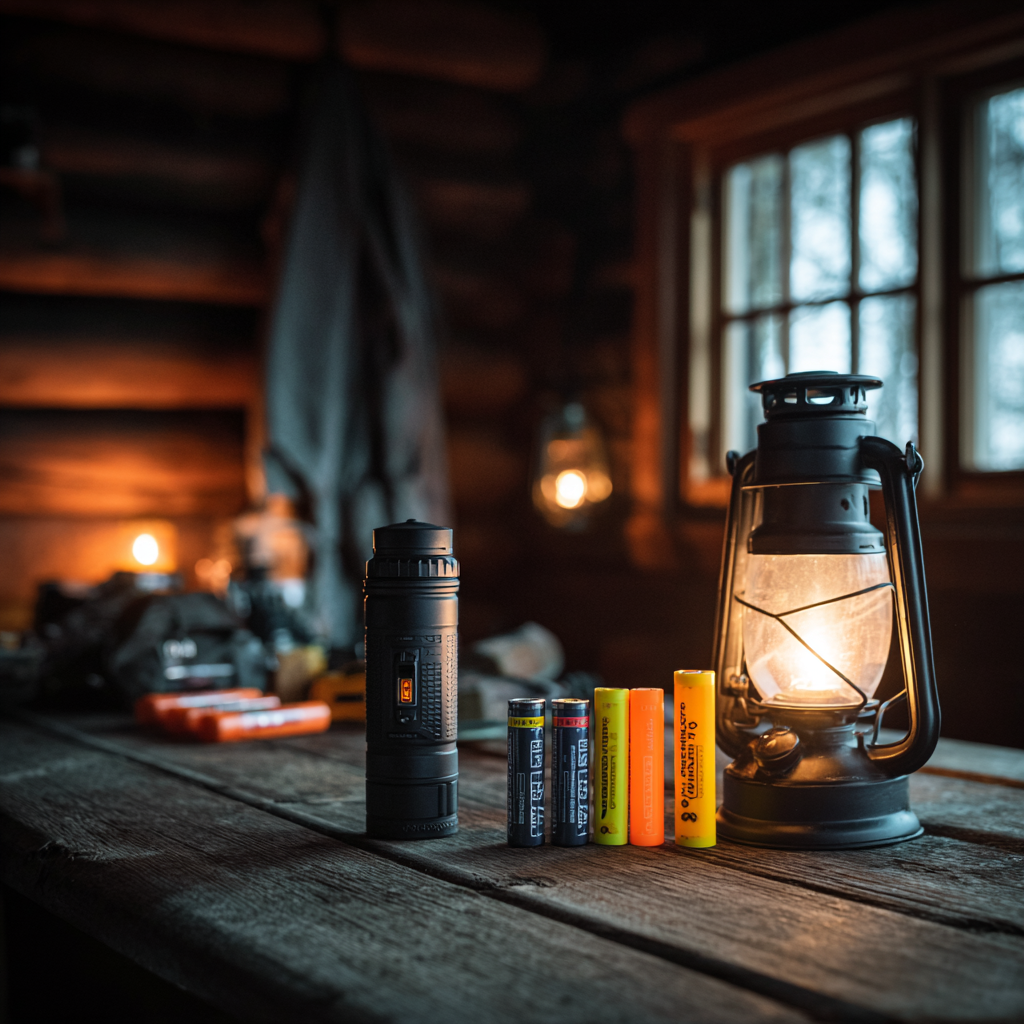
Critical for lights, radios, and headlamps. Store lithium AA/AAA for better cold-weather performance. A compact power bank such as the Anker PowerCore 26800 is a smart redundancy for charging USB lights and radios. - Candles
Low-tech light, wax for fire-starting, and tiny heat for enclosed spaces (use with ventilation and fire safety). Long-burn emergency candles are ideal. - Glow Sticks
Instant, non-spark light for marking routes, kid comfort, or signaling at night. - Lighters
Disposable and refillable lighters are lightweight, cheap, and priceless when you need flame now. Pack several in different kits. - Matches (waterproof/strike-anywhere)
A classic backup. Store in airtight tubes. Stormproof options like UCO Stormproof Matches fire reliably in wind and rain. - Emergency Lantern / Flashlight
Area light for rooms + handheld for movement covers most cases. A durable, bright flashlight like the GearLight S1000 is a great value. For whole-room light, a rechargeable lantern such as the Goal Zero Lighthouse 600 is hard to beat. Build a simple layered plan using our emergency lighting guide. - Aluminum Foil
Camp “cookware,” windscreen, ember tray, reflector for heat/light, and makeshift container lid. Also helpful for field-expedient repairs. - Plastic Sheeting (and painter’s tape)
For broken windows, roof leaks, sick-room isolation, ground cloths, and improvised shelters—see Emergency Shelter Options for ways to rig it safely.
Health, Hygiene & First Aid (Prevent Small Problems From Becoming Big Ones)
- Bandages & Gauze
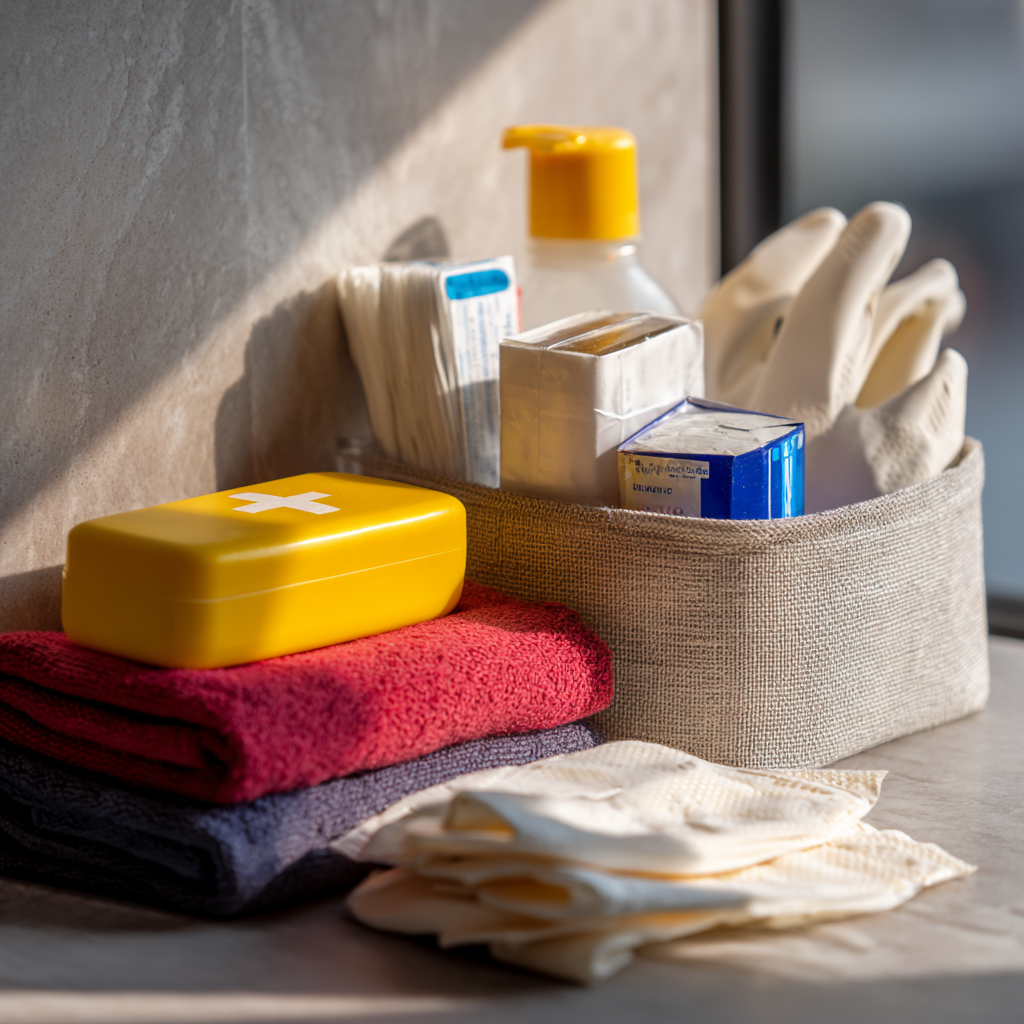
More injuries happen during cleanup than during the event. Stock varied sizes, plus roller gauze and adhesive tape. Build out your kit using Comprehensive First Aid Kit Supplies. - OTC Medications
Pain/fever reducers (acetaminophen/ibuprofen), antihistamines, anti-diarrheals, electrolyte packets. Rotate annually. - Rubbing Alcohol
Disinfect tools/surfaces, clean minor wounds (sting warning), and aid fire-starting. Store tightly capped. - Hand Sanitizer
A must when water is scarce. Choose >60% alcohol. Keep a pocket bottle in each kit. - Soap (bar or liquid)
Handwashing prevents more problems than it treats. Bars store and travel well. (For off-grid washing, a small bottle of Dr. Bronner’s Pure-Castile Soap goes a long way.) - Feminine Hygiene Products
Essential for health and dignity; also versatile as wound padding and tinder. - Toilet Paper
Not glamorous—utterly missed when gone. Compress a few rolls in zipper bags to keep dry. - Towels (microfiber + shop towels)
For drying, cleaning, first-aid slings, and insulation layers. Microfiber packs small; paper shop towels are rugged. - Chapstick
Protects lips and small skin cracks; dab on cotton as a fire-starting boost. - Dust Masks / Respirators (N95)
For ash, dust, and debris. Add safety glasses to protect eyes. A pack of 3M N95 respirators belongs in every home. - Vitamins (multivitamin)
Helps cover dietary gaps when fresh produce is limited. Time your rotation with daylight-saving reminders.
Food, Cooking & Storage (Fuel Your Body, Boost Morale)
- Salt
Preserves, seasons, melts ice, and makes saline rinses. Indefinite shelf life; buy in bulk. - Sugar
Canning, baking, quick calories, and morale. Store in airtight containers. - Spices
Cumin, garlic, pepper, cinnamon—tiny weight, huge morale. Transform bland rations. - Seeds (heirloom where possible)
A hedge for longer disruptions—plan, label, and store cool/dry. - Condiments
Ketchup/mustard/hot sauce packets lift spirits and make staples more edible. - Portable Water Filter
A personal filter like the LifeStraw Personal Water Filter is ultralight insurance for evacuations or boil-notice days. - Foil Pouches / Zipper Bags
For portioning dry goods, marinating, waterproofing small gear, and trash isolation. See also #49. - Reusable Water Bottles
Durable, wide-mouth bottles (think Nalgene 1L Wide Mouth) pair with most filters and resist freezing damage.
Building pantry depth? Get a primer in Long-Term Food Storage for Beginners: The Complete Guide and, if you want grab-and-go calories sorted by shelf life, see Best Survival Food Kits for Preppers: Top Picks for 2026.
Tools, Repairs & Improvisation (Make, Fix, Adapt)
- Duct Tape
Splints, sealants, strap repairs, blister fixes (over a bit of gauze), and fabric patches. - Zip Ties
Bundle cords, fix broken packs, lash poles, secure fencing—keep varied sizes. - Paracord / Strong Line
Rig tarps, guy-out shelters, raise bear bags. A 100-ft hank of reflective 550 paracord lives in every vehicle and kit. - Multi-Tool
A quality multi-tool saves weight and solves problems. The Leatherman Wave Plus (pliers, blades, drivers, saw) is a durable choice. - Sewing Supplies
Needles, heavy thread, buttons, awl, and patches—repair packs, tarps, and clothing. - Super Glue
Field fixes for shoes, small gear cracks, and non-medical skin closures near (not over) wounds when nothing else exists—prefer proper wound-closure strips when available. - Paper Clips & Safety Pins
Improvised hooks, fasteners, zipper pulls, and field repairs. Cheap, weightless, endlessly useful. - Nail Polish (clear)
Thread sealer, gear labeler, and match-head waterproofing. A bright color can mark tools or routes. - Rubber Bands
Cable management, sling retention, and keeping first-aid wraps tidy. - Plastic Sheeting (yes, again)
It’s so useful it earns another nudge: moisture barrier, solar still cover, and room isolation for illness. Pair with the shelter techniques in Emergency Shelter Options.
Clothing & Personal Protection (Comfort Is Capability)
- Socks (wool or wool-blend)
Dry feet = mobility. Rotate and air-dry; stash extras in every bag. - Ponchos / Rain Gear
Hypothermia happens in “mild” temps when you’re wet and windy. Lightweight ponchos double as mini-tarps. - Sunscreen & Lip Protection
Prevent burns and cracking—small problems become big liabilities in the field. - Gloves (work & insulated)
Protect hands during debris removal and cold snaps. Keep both types on hand. - Shoestrings / Spare Laces
Lash tools, tie splints, or replace broken boot laces. Flat laces serve as emergency straps.
Information, Comms & Admin (Clarity Becomes Calm)
- Whistle & Signal Mirror
A whistle carries farther than a yell; a mirror reaches rescuers beyond your voice. Round this out with techniques in Emergency Signaling Devices: How to Call for Help. - AM/FM/NOAA Radio
Stay informed when phones die. Hand-crank/solar radios keep you in the loop. If you prefer headlamps with SOS strobe, sync your lighting plan with our lighting guide. - Pens, Pencils & Rite-in-the-Rain-style Notebook
Record meds, waypoints, inventory, and messages. Communication boards and door notes speed welfare checks. - Zipper Bags (quart & gallon)
Waterproof kits, organize meds, keep tinder dry, and portion foods. Label by category for speed. - Waterproof Document Pouch + USB Backup
Store IDs, insurance, deeds, and medical lists in a waterproof pouch with a digital copy on a SanDisk Cruzer 64GB USB drive. For what to include—and how to store it—follow Organizing Your Emergency Documents.
Smart Adds (Context, Barter & Reality Checks)
- Ammunition (where legal & safe) can be a defensive and barter commodity, but secure storage and training are non-negotiable.
- Cheap Wine / Coffee / Cigarettes (if you choose) can serve as barter only—not as disinfectants or medical tools.
- Condensed comfort items (tea, cocoa, seasoning packets) boost morale when days get long.
How to Stage, Rotate, and Actually Use This Stuff
Stage by location:
- Home base: Deep inventory of consumables (paper goods, soaps, trash bags, zip ties, batteries).
- Go-bags: Lightweight, multi-use items (filter straw, headlamp, whistle, multi-tool, foil, paracord).
- Vehicles: Weather-safe mix (poncho, gloves, socks, paper towels, duct tape, lantern, snacks). For seasonal specifics and trunk-safe packing, review Assembling the Perfect Car Emergency Kit for Winter.
Rotate on a schedule:
- Pair checks with your smoke-detector battery changes. Replace expired meds, swap seasonal clothes, and recharge power banks.
- Keep a one-page inventory taped inside the closet or bin lid—simple beats perfect.
Practice now:
- Try your water plan this weekend (filter + boil). Rehearse a no-power evening using lanterns and candles. Cook one full meal with only your “off-grid” kit—our Top Portable Cooking Equipment article shows easy setups.
Integrate with your core kits:
- Use this list to fill gaps after you build the fundamentals in your Emergency Preparedness Kit and Disaster Supply Kit.
- If you keep pets, mirror essentials from Building a Comprehensive Emergency Kit for Your Pets—water, food, meds, and documentation.
Final Word
Small items don’t look heroic—but they win the day. The right handful of consumables and micro-tools can prevent infection, keep you warm and dry, make water safe, and turn chaos into calm. Stock them while they’re cheap, stage them where you’ll actually reach them, and practice the basics until your plan feels boring (that’s the point).
When you’ve covered these essentials, deepen your bench with pantry planning in Long-Term Food Storage for Beginners and, if you want ready-to-cook variety with long shelf life, compare options in Best Survival Food Kits for Preppers—then get back to rotating, labeling, and living your life.