When disaster strikes, clean drinking water quickly becomes one of your most valuable resources. Whether you’re facing a flood, power outage, or contamination of your local water supply, knowing how to purify water could mean the difference between health and illness — or even life and death.
In this complete guide, you’ll learn five reliable water purification methods that every household should know. From boiling to UV sterilization, we’ll cover step-by-step techniques, product recommendations, and prepper-tested strategies to keep your water safe when modern systems fail.
Why Water Purification Is Critical for Survival
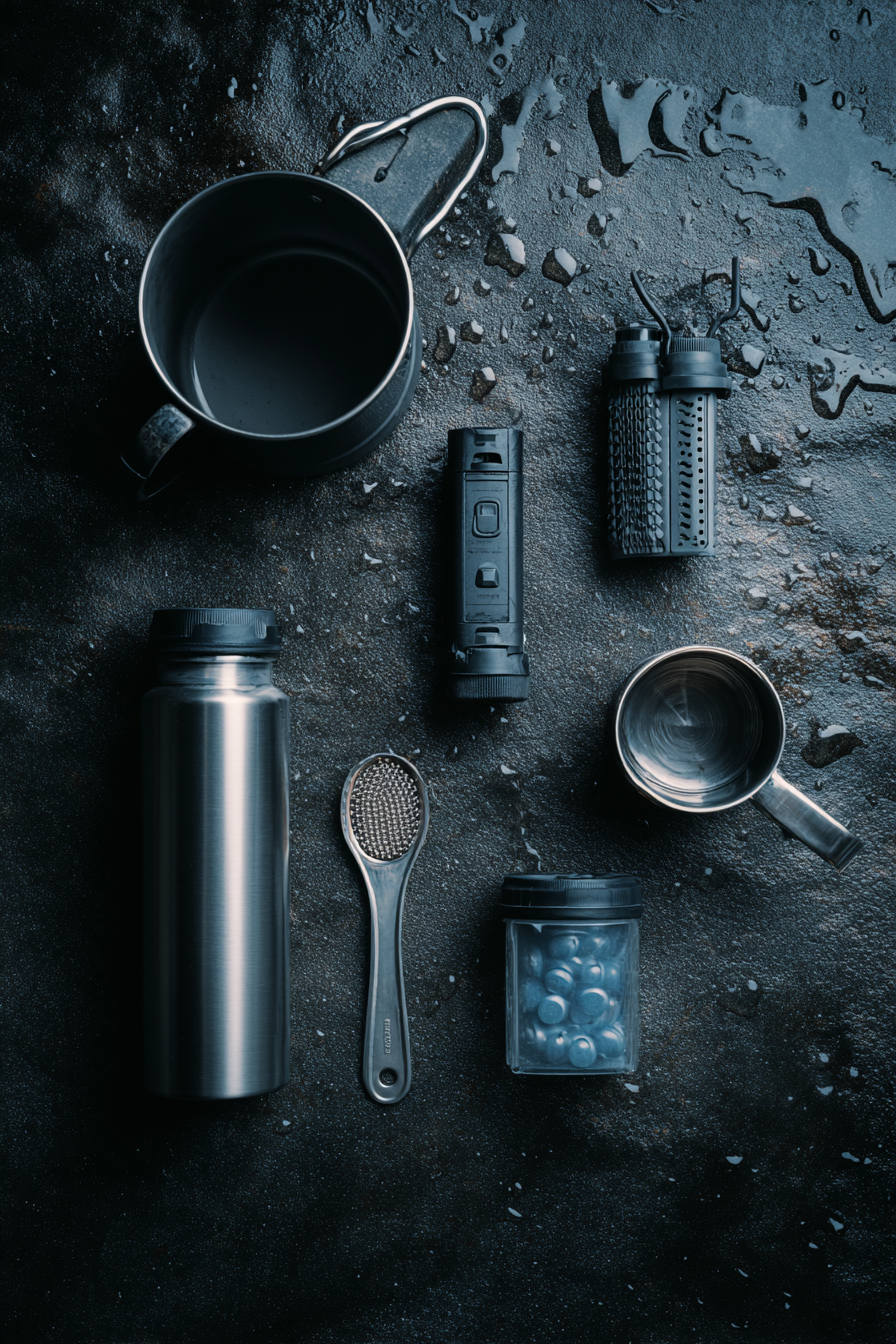
An adult can survive for weeks without food but only three days without water. Unfortunately, during emergencies, clean water is often the first resource to disappear. Power outages, floods, or supply chain disruptions can quickly make tap water unsafe for consumption.
Contaminated water may contain bacteria, viruses, chemicals, or parasites that lead to serious illness. Purifying it ensures that every sip is safe.
Just as you’d build your Emergency Preparedness Kit or store food supplies from Best Survival Food Kits for Preppers: Top Picks for 2025, establishing a reliable water purification plan is a cornerstone of true preparedness.
1. Boiling: The Oldest and Most Reliable Method
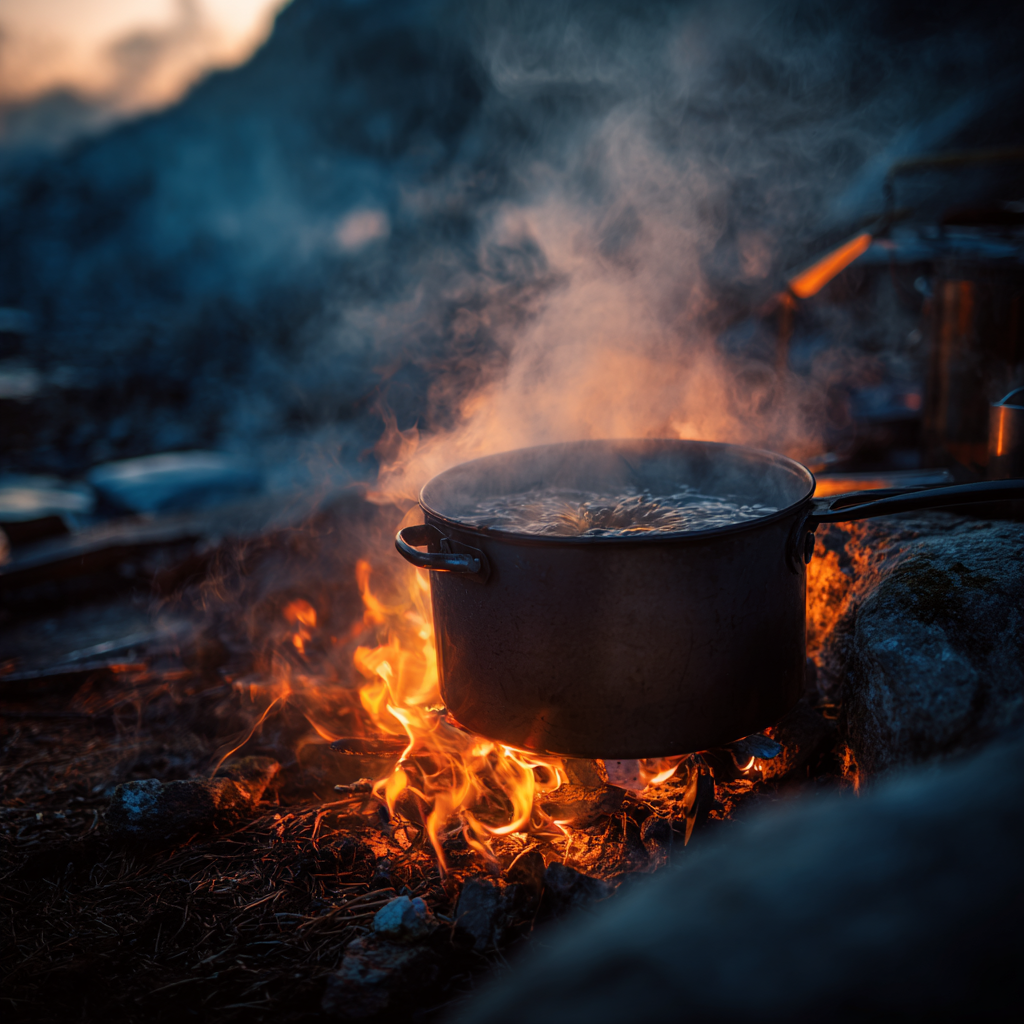
Boiling remains one of the most foolproof methods for purifying water. It’s accessible, requires no chemicals, and effectively kills most harmful microorganisms.
How to Boil Water Safely
- Fill a pot or metal container with water.
- Bring it to a rolling boil for at least one minute (three minutes at high elevations).
- Allow it to cool naturally before drinking or storing.
Pro Tip:
If your tap or collected water appears cloudy, filter it first using a clean cloth or coffee filter to remove debris before boiling.
Recommended Gear:
- Camp Chef Mountain 2 Burner Stove – Reliable for boiling large quantities quickly.
- Stanley Adventure Cook Set – Compact, durable pot perfect for bug-out or camping use.
This method pairs perfectly with emergency meal prep described in Top Portable Cooking Equipment for Emergency Situations — helping you boil, cook, and sanitize all from one source.
2. Water Filtration Systems: Removing Impurities Efficiently
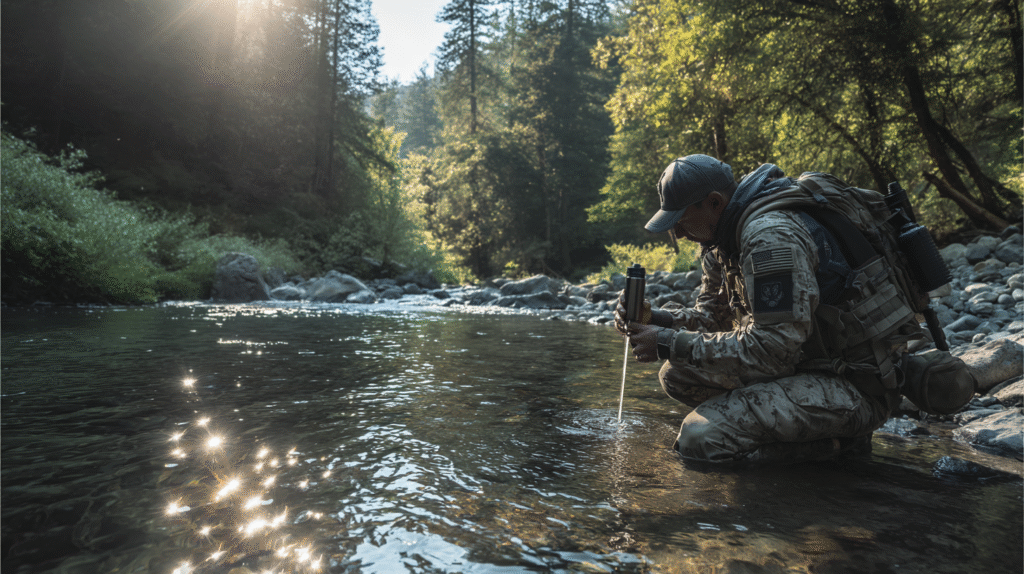
Water filters are among the most convenient purification tools for both home use and outdoor survival. They physically remove bacteria, protozoa, and microplastics — and some can even reduce chemical contaminants.
Types of Filtration Systems
- Straw Filters: Compact and ideal for individual use.
- Pump Filters: Suitable for larger groups and continuous use.
- Gravity Filters: Great for basecamps and family setups.
Top Picks:
- LifeStraw Personal Water Filter – Lightweight, proven, and removes 99.9999% of bacteria and parasites.
- Brita Ultra Max Filtered Water Dispenser – Perfect for home use, improving taste and removing chlorine.
- Sawyer Mini Water Filtration System – Portable, long-lasting, and filters up to 100,000 gallons.
Filtration systems are critical components of any 72-Hour Survival Kit because they provide clean water without the need for fire or electricity.
3. Chemical Purification: Lightweight and Reliable
Chemical purification tablets are an excellent backup when you can’t boil or filter water. Using chlorine or iodine-based compounds, these tablets disinfect water by killing harmful pathogens.
How to Use Chemical Tablets
- Add the recommended number of tablets to one liter of clear water.
- Shake or stir thoroughly.
- Let the solution sit for 30–45 minutes before drinking.
Recommended Product:
- Katadyn Micropur MP1 Purification Tablets – Effective against viruses, bacteria, and protozoa without leaving a strong taste.
Advantages
- Lightweight and portable
- Long shelf life
- Requires no equipment
Chemical purification works best as a backup in your Bug Out Bag — ensuring you always have a quick, no-heat method for safe drinking water.
4. Solar Water Disinfection (SODIS): Harnessing Free Energy
SODIS, or solar water disinfection, is a low-cost, eco-friendly method that uses the sun’s UV rays to kill pathogens. It’s especially effective in sunny environments or during extended power outages.
Steps to Use SODIS
- Fill clear plastic or glass bottles (preferably under 2L) with water.
- Place them in direct sunlight for at least six hours.
- Let them cool before drinking.
Recommended Gear:
- Nalgene Tritan Wide Mouth Bottle – Durable, BPA-free, and ideal for SODIS purification.
SODIS works well in combination with rainwater collection or portable filtration. To ensure safe storage after purification, learn smart preservation tips from Long-Term Food Storage for Beginners: The Complete Guide — similar principles apply for minimizing contamination.
5. Ultraviolet (UV) Light Purification: High-Tech Efficiency
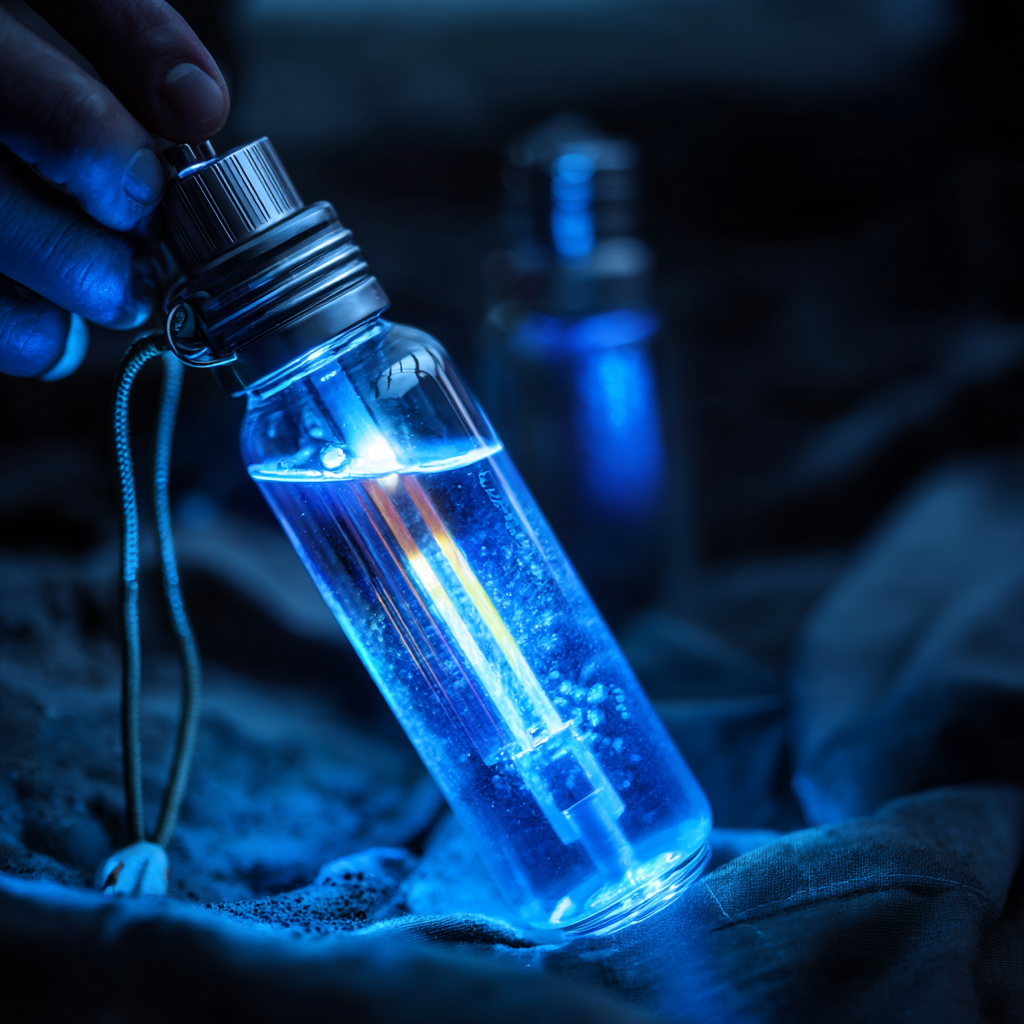
UV light purification is one of the most advanced and convenient water treatment methods available. It uses ultraviolet light to neutralize bacteria, viruses, and protozoa by disrupting their DNA, rendering them harmless.
How to Use UV Light Purifiers
- Fill a clean bottle with clear water.
- Insert the UV device into the bottle.
- Activate it and stir for 60–90 seconds.
Recommended Tools:
- Steripen Adventurer Opti – Compact, rechargeable, and purifies water in under two minutes.
- CrazyCap UV Bottle – Self-cleaning water bottle that doubles as a purification system.
Pairing UV purification with a Portable Solar Charger ensures continuous power even in long-term emergencies.
Bonus: Combine Methods for Maximum Safety
For the most effective results, combine two or more purification methods. For instance:
- Filter + Boil: Removes debris and kills microorganisms.
- Chemical + Filter: Ideal for murky or uncertain water sources.
- SODIS + UV: Provides double assurance for water safety.
This redundancy mirrors survival layering strategies found in Disaster Supply Kit Essentials — where backup systems guarantee your safety when one fails.
How to Store and Transport Clean Water
After purification, the next challenge is keeping your water clean. Contamination often reoccurs during storage.
Best Practices:
- Use BPA-free containers with tight-sealing lids.
- Label purified water with the date.
- Store in a cool, shaded place away from chemicals.
- Rotate your water supply every 6–12 months.
Recommended Storage Containers:
- Reliance Aqua-Tainer 7-Gallon Jug – Rugged and designed for long-term use.
- HydroBlu Pressurized Jerry Can Filter System – Combines storage and filtration in one unit.
For more long-term strategies, see Long-Term Emergency Food Supply: What to Stock Up On — the same principles of rotation and protection apply to water.
Integrating Purification into Your Survival Plan
Your water purification plan should work hand-in-hand with the rest of your emergency setup. For instance:
- Store purification tablets and filters inside your Bug Out Bag.
- Keep extra bottles with your Emergency Shelter Options.
- Pair water supplies with survival meals from Best Survival Food Kits for Preppers for a complete nutrition and hydration system.
This integration ensures your entire emergency strategy is efficient, portable, and ready to deploy at a moment’s notice.
Final Thoughts
Clean water isn’t a luxury — it’s survival. Boiling, filtration, chemical treatment, solar disinfection, and UV purification each serve a vital role in your preparedness arsenal. By mastering these methods and maintaining the right equipment, you ensure that you and your family never go thirsty during a crisis.
Start today: practice each method, build your water kit, and keep your purification tools ready to deploy. When the next disaster hits, you’ll have more than just water — you’ll have peace of mind and the power to survive.