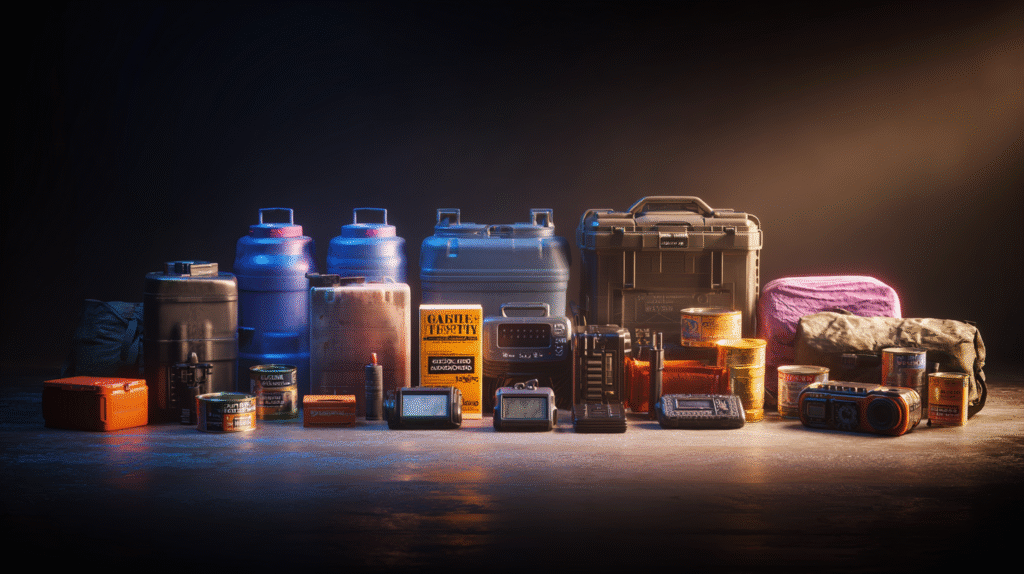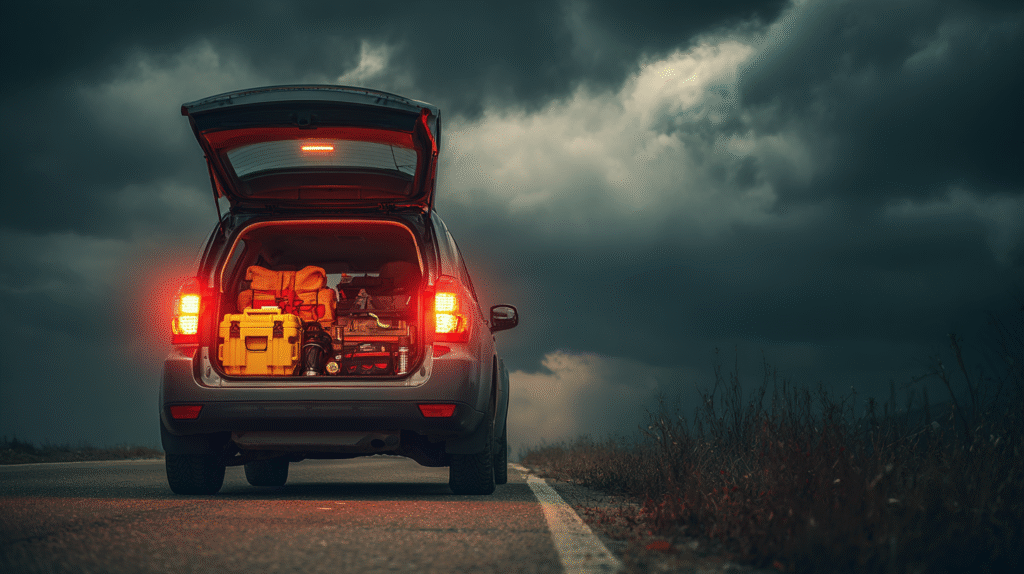

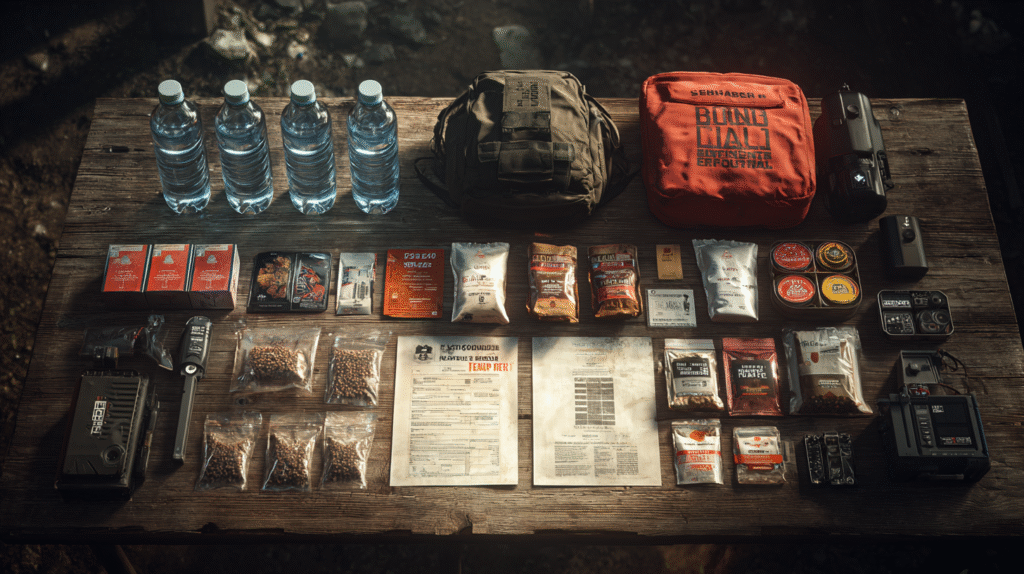
Imagine a sudden emergency striking—whether it’s a hurricane that knocks out power, a wildfire that forces you to evacuate, or a snowstorm that leaves you stranded. How ready would you be to get through the first seventy-two hours without outside help?
This is the critical window when government response is often delayed and supply chains break down. After Hurricane Katrina, thousands of families were left without food, water, and medical care for days. During the Texas blackout in 2021, millions sat in cold, dark homes with little preparation. These events show how quickly modern systems can fail.
A 72-hour emergency kit is your lifeline. By preparing in advance you gain not only the supplies to survive but also the peace of mind that you can take care of your family when the unexpected strikes.
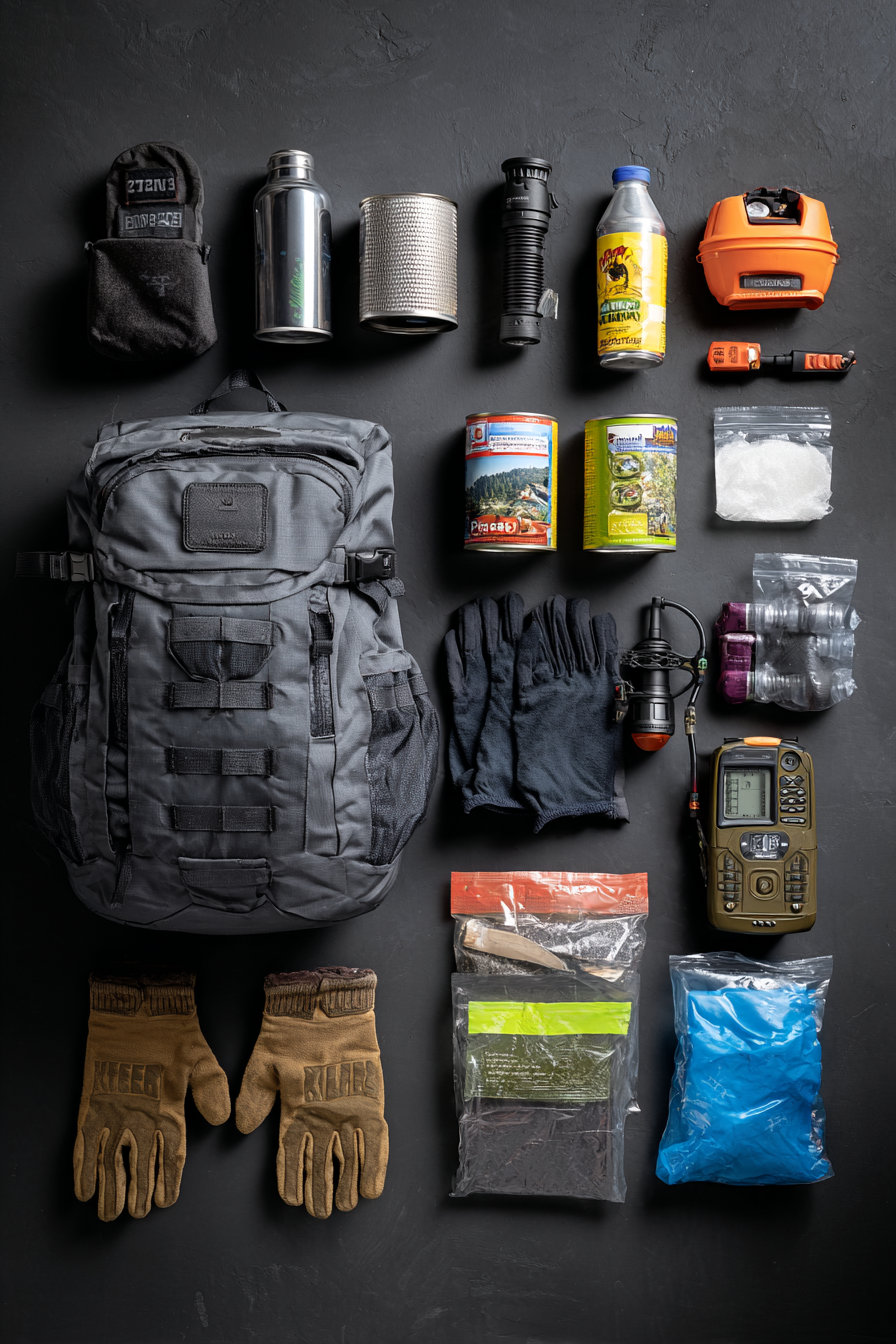
Why Build a 72-Hour Emergency Kit?
Emergencies can overwhelm communities within hours. Grocery store shelves empty, gas stations close, and pharmacies run out of medications. Relief agencies like FEMA and the Red Cross emphasize the importance of having your own supplies for at least three days.
A well-prepared kit ensures you have water, food, first aid, and other essentials until help arrives or services are restored. Beyond survival, it reduces panic. Knowing you have the basics covered frees your mind to make better decisions in a crisis.
For a broader overview of preparedness, see our cornerstone article on essential items for your emergency preparedness kit.
Essential Supplies for Your 72-Hour Kit
1. Water
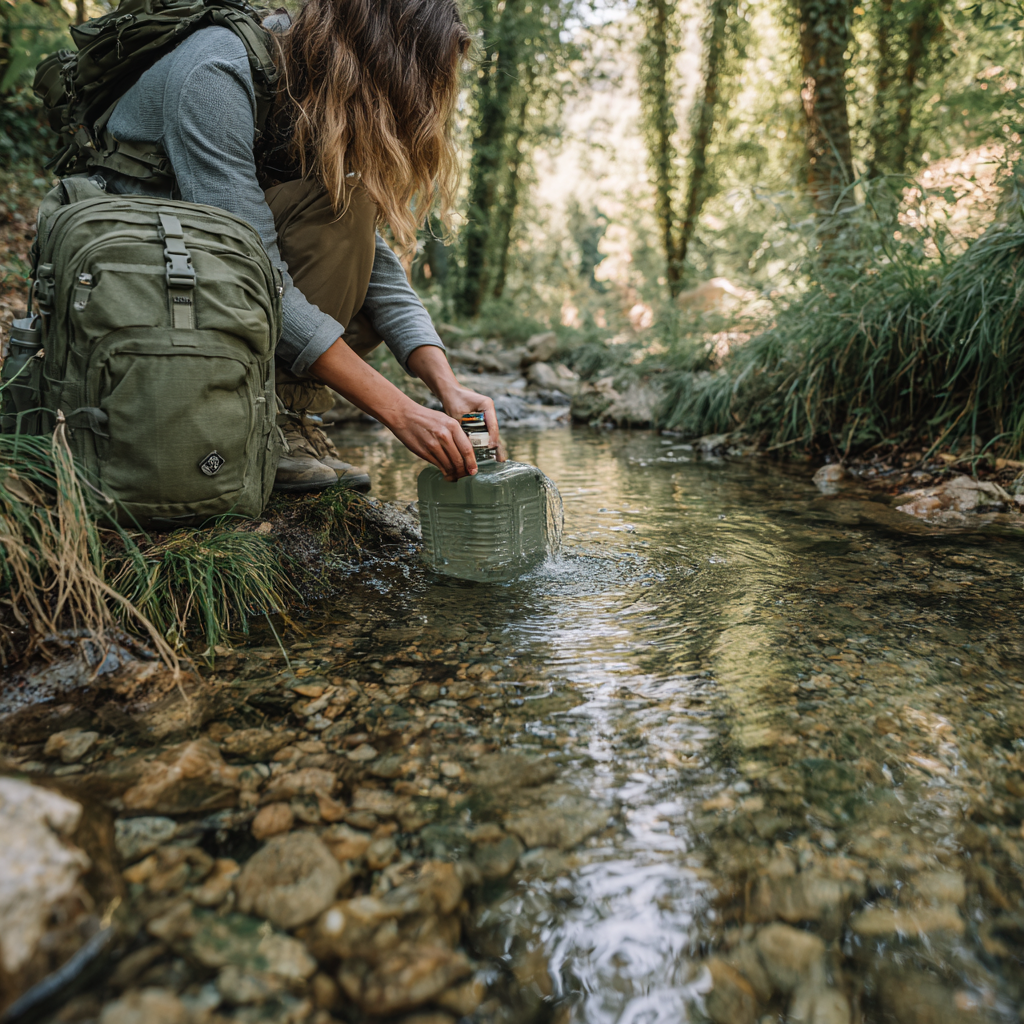
Water is non-negotiable. FEMA recommends one gallon per person per day, which covers both drinking and basic hygiene. For a family of four that means twelve gallons for a three-day period.
Store water in food-grade containers or commercial bottles. Stackable systems like the WaterBrick Stackable Water Container make storage easier and portable if you need to evacuate.
Because stored water eventually runs out, add purification methods. Tablets are compact and effective, while filters such as the LifeStraw Personal Water Filter let you safely drink from rivers, lakes, or even rain barrels.
For more strategies see our guide on 5 effective water purification methods for emergencies.
2. Food
Food provides both energy and morale. Aim for compact, high-calorie, non-perishable options that do not require refrigeration.
Good choices include canned meats, soups, beans, and vegetables. Trail mix and dried fruits offer quick energy, while energy bars such as CLIF Builder’s Protein Bars are lightweight and calorie-dense. For families who prefer long-term solutions, the ReadyWise Emergency Food Supply provides meals that last up to twenty-five years when stored properly.
Plan for about 2,000 calories per person per day. Rotate your stock regularly using the first-in, first-out method.
For more food ideas, read best non-perishable food items for your emergency kit and our cornerstone on long-term food storage for beginners.
3. First Aid Supplies
In any crisis, medical care may be delayed. Having your own supplies allows you to handle minor injuries and stabilize serious ones until help arrives.
A good starting point is a pre-assembled kit like the Everlit Survival First Aid Kit, which contains hundreds of components. Supplement it with prescription medications, allergy treatments, and family-specific items.
Include masks, gloves, and a digital thermometer—lessons reinforced by the COVID-19 pandemic. Over-the-counter medications such as ibuprofen, acetaminophen, and anti-diarrheal tablets are also useful.
For more detailed lists, see our article on comprehensive first aid kit supplies.
4. Lighting and Power
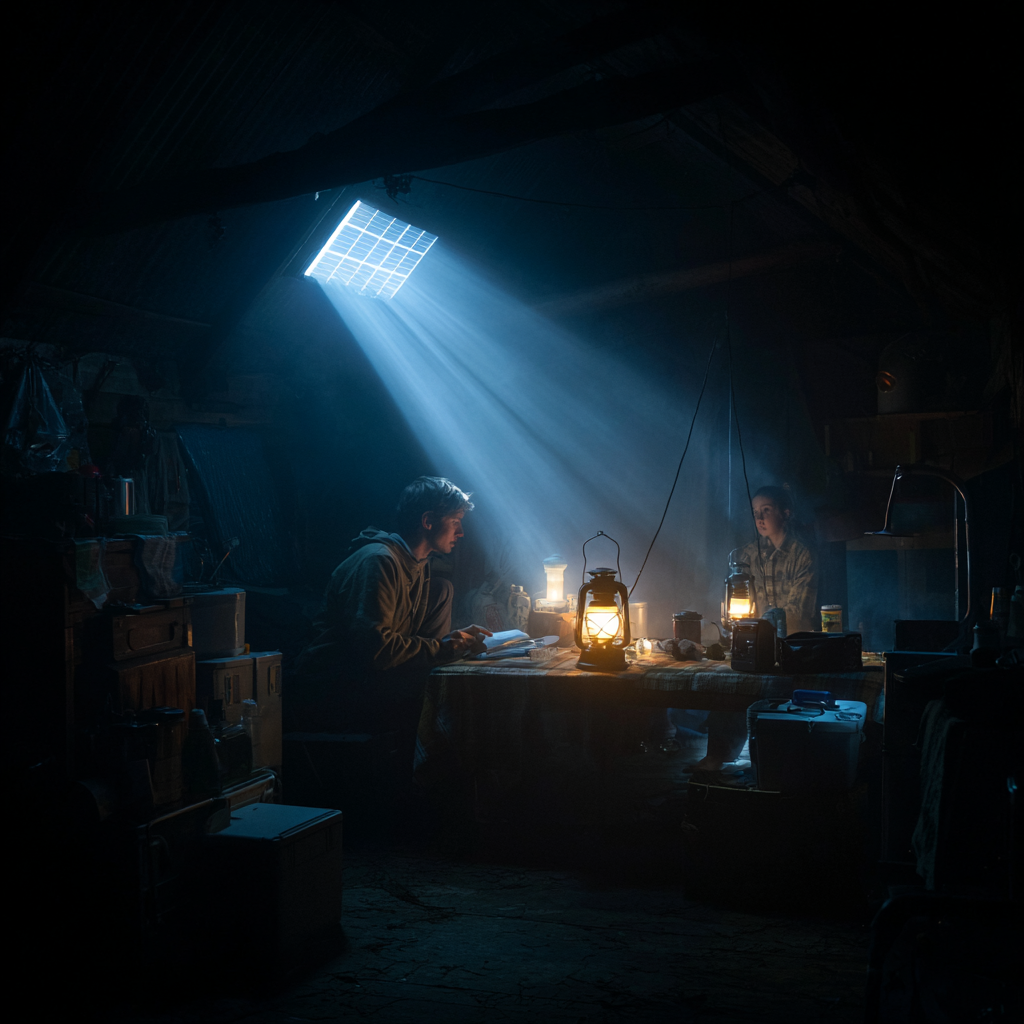
Power outages are one of the most common effects of disasters. In the 2021 Texas blackout, families relied on flashlights and candles for days. A reliable light source is essential.
Every kit should include at least one durable flashlight such as the Streamlight ProTac 1L-1AA. Headlamps are excellent for hands-free work, while a solar lantern like the Goal Zero Crush Light provides room lighting without consuming batteries.
Backup power matters too. A portable battery pack ensures you can keep phones and radios operational. For longer outages consider a compact power station.
For expanded guidance, read emergency lighting: from flashlights to solar lanterns and reliable portable power sources for your emergency kit.
5. Personal Hygiene Items
Hygiene is often overlooked until it becomes a problem. Unsanitary conditions can spread disease quickly.
Pack soap, toothbrushes, toothpaste, moist towelettes, and hand sanitizer. Toilet paper is essential for comfort and sanitation. For situations where sewage systems fail, a portable toilet such as the Reliance Luggable Loo offers a clean and practical solution.
Cleanliness also preserves morale. After days without normal comforts, the ability to wash up or change clothes restores a sense of normalcy.
6. Important Documents
In the aftermath of disasters, proving identity or accessing insurance often becomes a major challenge. Keep copies of key documents such as driver’s licenses, passports, insurance policies, and medical records in your kit.
A waterproof and crushproof container like the Pelican Waterproof Document Case protects paper records. Also consider encrypted digital backups on a USB drive or cloud storage.
For a deeper dive, read our post on organizing your emergency documents.
7. Tools and Equipment
Tools allow you to adapt when things go wrong. A high-quality multi-tool such as the Leatherman Wave Plus provides knives, pliers, screwdrivers, and more in a compact package.
Other essentials include duct tape, paracord, an emergency whistle, and waterproof matches. These can help you build shelter, repair gear, or signal for help.
For more detail see our posts on choosing the right multi-tool for your emergency kit and the ultimate survival gear list.
Customizing Your Kit
Every household has unique needs. Families with infants should pack formula, diapers, and baby wipes. Seniors may require mobility aids or extra medications. If you have pets, include food, leashes, and veterinary records.
Climate matters as well. In cold regions pack extra blankets, gloves, and chemical hand warmers. In hot climates emphasize hydration, sunscreen, and shade.
For more on pet-specific preparation, see our guide on building a comprehensive emergency kit for your pets.
Storage and Regular Maintenance
A kit is only useful if it is accessible and up to date. Store your supplies in a sturdy, waterproof backpack or container that can be carried easily during an evacuation. Some families prefer plastic bins while others use rolling luggage.
Check your kit every six months. Replace expired food and medications. Test flashlights and replace batteries. Update documents and prescriptions as needed. This ensures your kit is always ready for use.
For more guidance, read our article on emergency kit maintenance.
Conclusion
A 72-hour emergency kit is not a luxury—it is a necessity. By preparing now you give yourself and your family a crucial advantage when disaster strikes.
Your kit does not need to be built all at once. Start with water and food, then add first aid, lighting, hygiene, documents, and tools. Customize it for your household and keep it maintained.
Preparedness is a habit that grows stronger with practice. Take time this week to review what you already have and begin filling the gaps. When the unexpected comes—and it will—you will have the confidence and resources to get through it safely.