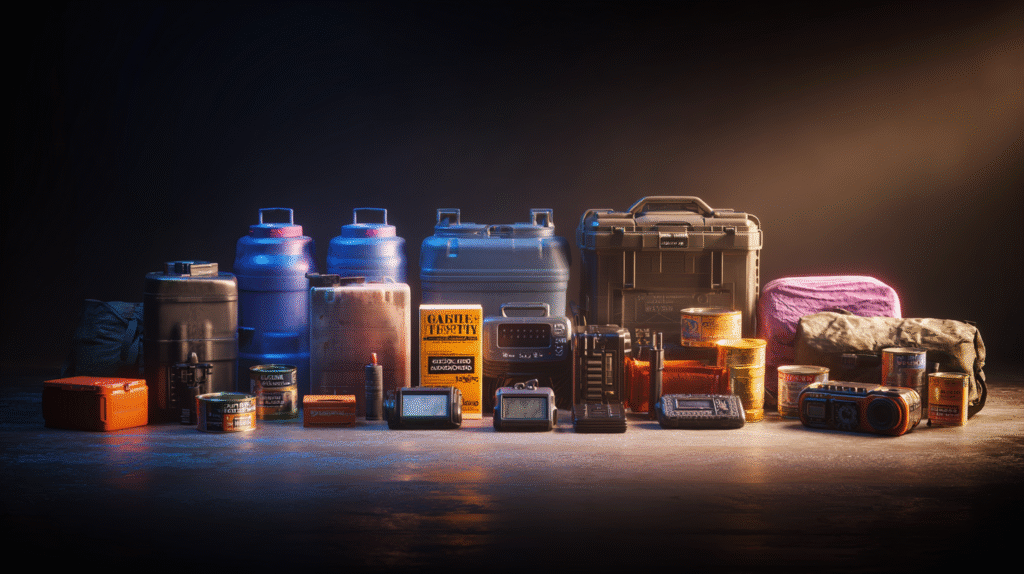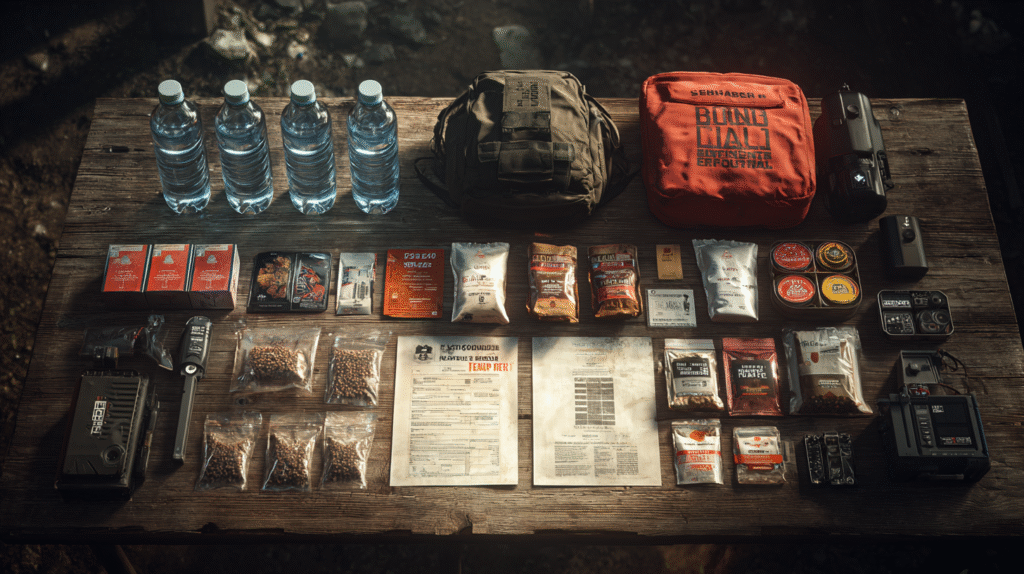
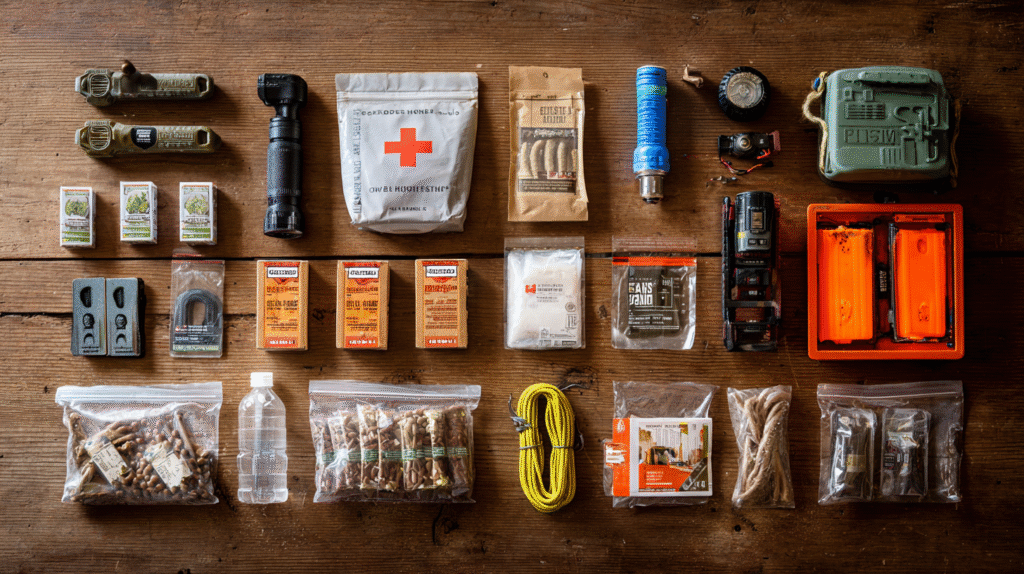
Emergencies can strike anytime — storms, power outages, accidents, or even regional disasters. The key to handling these moments calmly and effectively is preparation. Building your own DIY emergency kit at home ensures you have the exact supplies your family needs, customized for your location and lifestyle.
This guide covers 10 easy, affordable, and essential emergency kits you can assemble yourself, along with expert recommendations to make your preparations bulletproof.
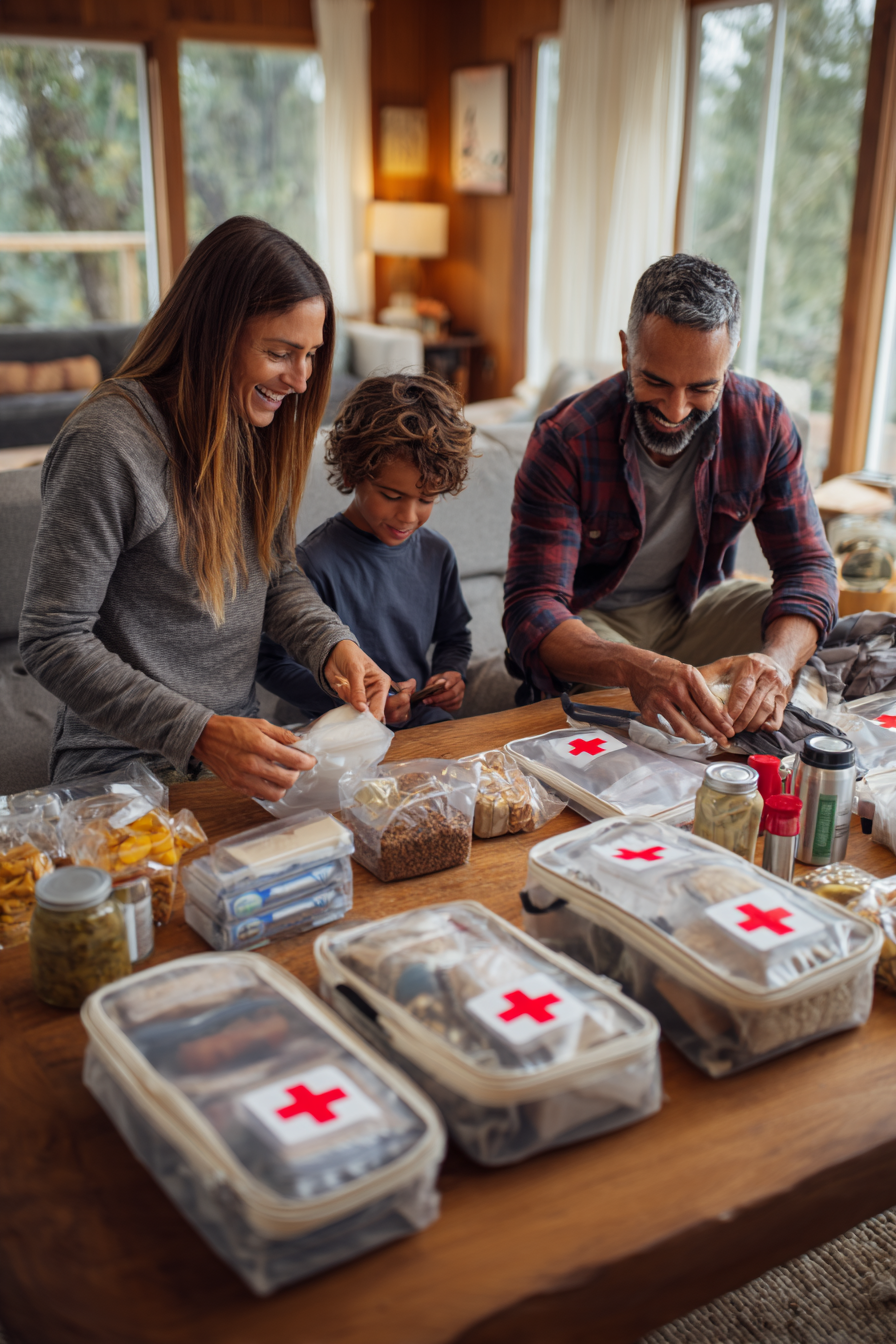
Why a DIY Emergency Kit Matters
A pre-made kit from the store can be convenient, but often lacks personalization. A DIY kit, however, allows you to:
- Include the exact items your family requires (prescriptions, child supplies, pet gear, etc.).
- Save money by assembling gear gradually.
- Build knowledge about where your tools are and how to use them.
If you’ve already built your Emergency Preparedness Kit, these DIY kits will help you expand your readiness to cover every situation — at home, in the car, or on the go.
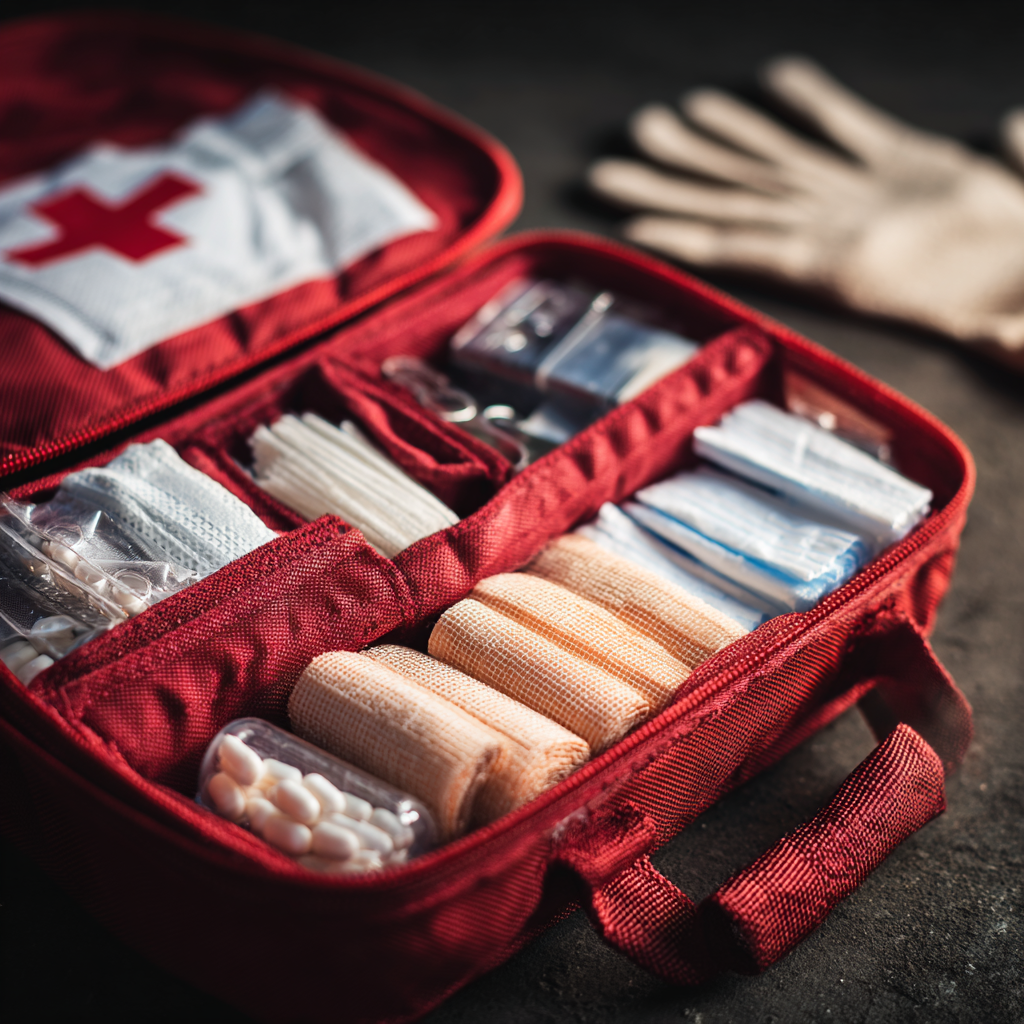
1. DIY Basic First Aid Kit
Every household needs a reliable first aid kit to handle cuts, burns, and minor injuries. You can easily create one from supplies already in your medicine cabinet.
Items to Include:
- Bandages and gauze pads (various sizes)
- Antiseptic wipes and antibiotic ointment
- Pain relievers (ibuprofen or acetaminophen)
- Adhesive tape and scissors
- Disposable gloves
Recommended Gear:
- First Aid Kit Bag Organizer – Compact, durable, and perfect for storing medical supplies.
- Adventure Medical Kits Mountain Series – A ready-made supplement to your DIY kit.
To expand your medical readiness, check Comprehensive First Aid Kit Supplies for Any Emergency — a detailed guide for customizing every component.
2. DIY Water Purification System
Clean water is the cornerstone of survival. In an emergency, tap water may become unsafe or unavailable. Building a small purification setup ensures you can stay hydrated anywhere.
Include:
- LifeStraw Personal Water Filter – Removes 99.9999% of waterborne bacteria and parasites.
- Portable Water Filter Pump: Filters larger quantities for groups.
- Purification Tablets: Lightweight backup for extended use.
- Collapsible Water Bottle: Saves space in your kit.
For more methods, explore 5 Effective Water Purification Methods for Emergencies — it outlines the safest and fastest ways to secure drinkable water.
3. DIY Food Storage and Non-Perishables
Food sustains your body and morale. When building your DIY food kit, prioritize shelf-stable, high-calorie items that require minimal preparation.
Best Options:
- Canned goods (beans, vegetables, meats)
- Energy bars and protein snacks
- Dried fruit and nuts
- Instant soup packets and oats
Recommended Gear:
- Leatherman Wave Plus Multi-Tool – Includes a can opener, knife, and scissors for meal prep.
- Rubbermaid Airtight Storage Containers – Keeps food dry and pest-free.
To learn how to store your food long-term, visit Long-Term Food Storage for Beginners: The Complete Guide for essential preservation and rotation tips.
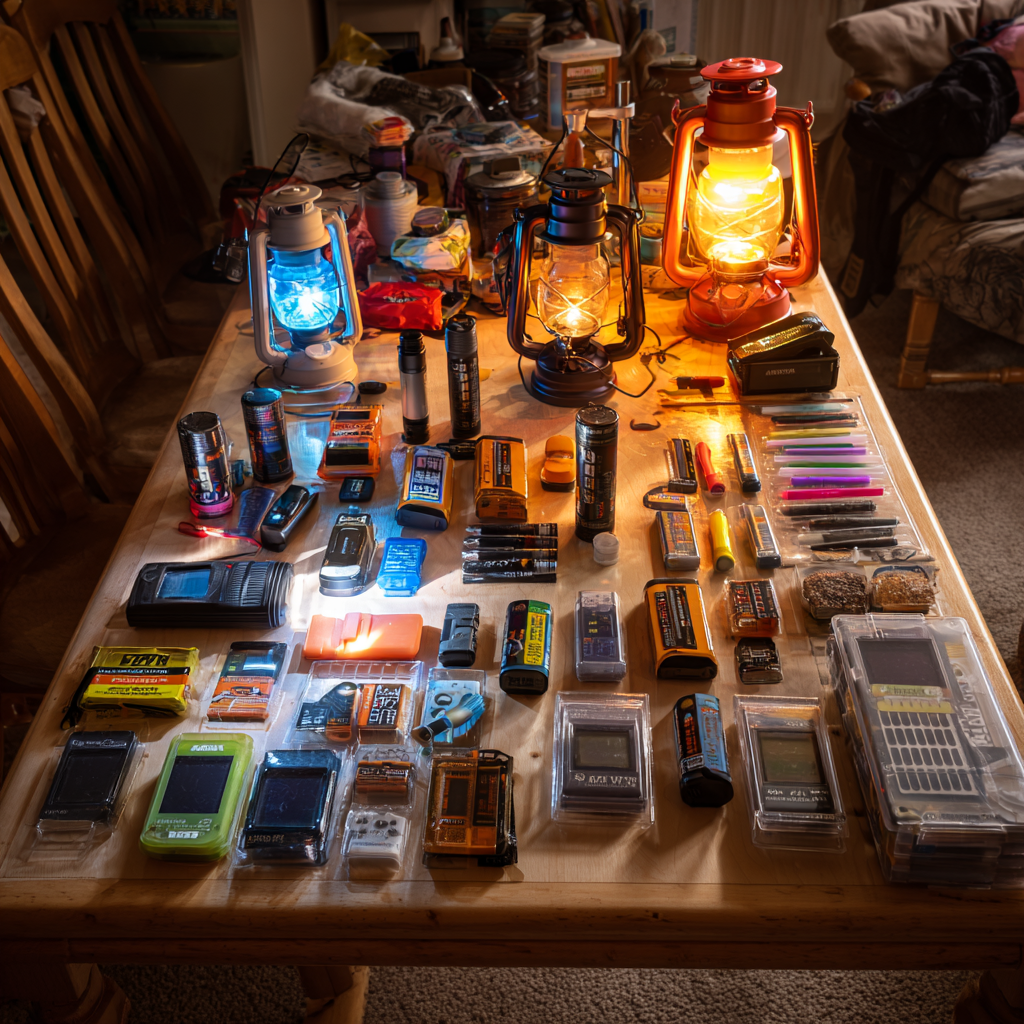
4. DIY Lighting Kit for Power Outages
When the lights go out, safety and navigation become difficult. Build a compact lighting kit for your home and car to ensure visibility anytime.
Include:
- LED flashlight (long-lasting and durable)
- Solar-powered lantern
- Headlamp (for hands-free use)
- Spare batteries
- Glow sticks for signaling
Top Picks:
- GearLight S1000 LED Flashlight – Bright, waterproof, and reliable.
- Goal Zero Lighthouse 600 Lantern – Rechargeable via USB, solar, or hand-crank.
Combine your setup with strategies from Emergency Lighting: From Flashlights to Solar Lanterns – Your Complete Guide to ensure full illumination during long-term outages.
5. DIY Warmth and Shelter Kit
Staying warm can be a matter of survival in cold or wet conditions. Prepare a mini shelter setup that fits in your home, car, or go-bag.
Pack:
- SOL Emergency Blanket – Reflects body heat efficiently.
- Compact tarp or tent for quick shelter.
- Lightweight sleeping bag.
- Hand warmers and a beanie or balaclava.
To prepare specifically for cold weather, check Preparing Your Winter Survival Kit: Essential Items for Cold Weather Emergencies for additional gear insights.
6. DIY Multi-Tool and Repair Kit
Emergencies often require quick repairs or improvisation. A compact repair kit helps you fix broken gear or secure makeshift structures.
Include:
- Leatherman Wave Plus Multi-Tool – The ultimate all-in-one repair companion.
- Duct tape (wrap a few feet around a pencil for space saving).
- Zip ties and paracord.
- Small sewing kit for fabric or gear repairs.
Store your repair tools with your Disaster Supply Kit for easy access when needed most.
7. DIY Signaling and Communication Kit
During power failures or natural disasters, traditional communication can fail. Create a signaling kit to help you reach rescuers or family members.
Essentials:
- Atomic Bear Emergency Whistle – Audible over long distances.
- Reflective signal mirror.
- Portable two-way radio.
- Waterproof notepad and pen.
Recommended Additions:
- Motorola T600 Talkabout Radio – Waterproof two-way radio with flashlight and emergency alert.
Learn advanced communication strategies in Emergency Signaling Devices: How to Call for Help When You Need It Most.
8. DIY Air Quality and Protection Kit
In certain emergencies like fires or chemical leaks, air quality can drop rapidly. A small air safety kit protects your lungs and eyes from harmful exposure.
Include:
- 3M N95 Respirator Masks – Filters smoke, dust, and particulates.
- Safety goggles.
- Moist towelettes for cleaning surfaces.
- Garbage bags (for containment or makeshift rain covers).
Combine this with your Bug Out Bag Essentials to stay mobile and protected during evacuations.
9. DIY Rope, Paracord, and Utility Set
Rope and cordage have countless uses: tying down tarps, hanging food, or creating emergency harnesses.
Recommended Tools:
- Paracord 550 Reflective Cord – Strong, durable, and visible in low light.
- S-Biner Dual Carabiner Clip Set – For hanging or organizing gear.
- Small pulley or hook for lifting supplies.
Cordage also plays a key role in setting up temporary shelters, as detailed in Emergency Shelter Options: From Tents to DIY Solutions.
10. DIY Personal Documents and Safety Bag
Documents are just as important as food or water during emergencies — they allow you to access aid, travel, or prove ownership after disasters.
Pack These Essentials:
- Birth certificates, IDs, insurance cards, and medical records.
- USB drive with scanned copies of all documents.
- Emergency contact list.
- Cash in small denominations.
Recommended Gear:
- Waterproof Fireproof Document Holder – Keeps papers safe from fire, water, and debris.
- SanDisk Cruzer 64GB USB Flash Drive – Perfect for digital backups.
For deeper organization strategies, read Organizing Your Emergency Documents for Peace of Mind — a must for every prepper household.
Bonus Tip: Test and Rotate Your DIY Kits Regularly
A well-prepared kit requires upkeep. Schedule regular checks to keep everything functional and current.
Maintenance Routine:
- Replace expired medications and batteries every six months.
- Test flashlights and radios monthly.
- Swap seasonal items (blankets, clothing) as the weather changes.
Following the rotation schedule used in Building a 72-Hour Survival Kit ensures your DIY kits remain reliable year-round.
Final Thoughts
Building your own DIY emergency kit is empowering. It’s not just about collecting items — it’s about understanding your tools, your needs, and your environment.
By creating these 10 practical DIY kits at home, you’re taking control of your family’s safety and resilience. From first aid and food to communication and documentation, every piece contributes to your preparedness.
Start assembling your kit today — because the best time to prepare for an emergency is before it happens.