
When emergencies strike, time and resources are limited. Whether you’re hiking through the wilderness, sheltering in place, or evacuating after a disaster, having a compact survival kit ensures you can act quickly without being weighed down. But packing light doesn’t mean compromising on safety — it means knowing what matters most.
In this guide, we’ll walk through how to create a small yet powerful survival kit, the key items every prepper needs, and clever ways to fit everything efficiently.
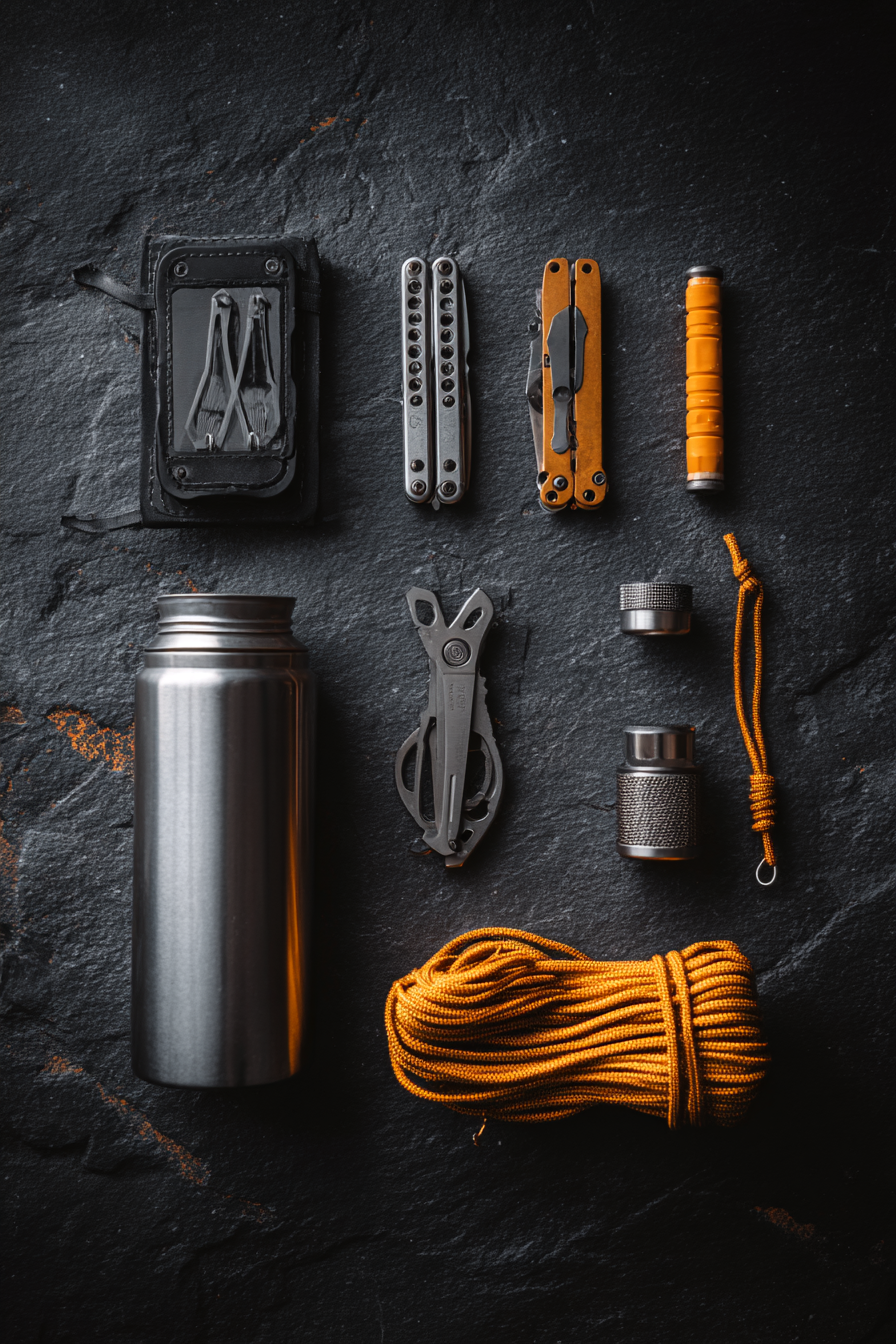
Why a Compact Survival Kit Matters
A well-packed kit strikes the perfect balance between preparedness and mobility. Bulky gear might offer comfort, but in an emergency, it can slow you down and make travel difficult. A compact kit, on the other hand, allows you to carry everything essential while staying agile.
Scenarios where a lightweight kit can save your life include:
- Natural disasters that force evacuation (floods, wildfires, hurricanes).
- Outdoor adventures where accidents or weather changes occur suddenly.
- Vehicle breakdowns in remote areas without quick access to help.
If you’ve already built your Emergency Preparedness Kit, this guide will help you refine it into a smaller, mobile version that’s ideal for fast response and survival on the move.
Essential Components of a Compact Survival Kit
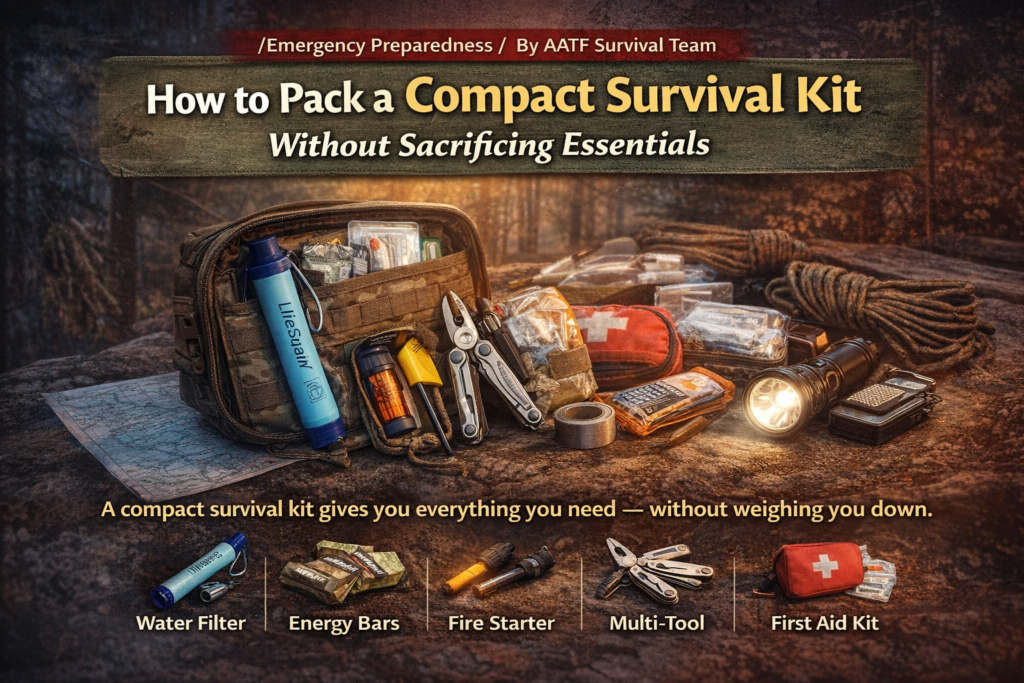
Your kit should focus on six primary categories: hydration, food, heat, first aid, navigation, and tools. Let’s break down what you truly need in each — and what to skip.
1. Water and Hydration
Water is non-negotiable. Dehydration can set in within hours, and contaminated water can make you sick fast.
Essentials to Include:
- Water Purification Tablets: Lightweight and ideal for emergencies when boiling isn’t possible. Try Katadyn Micropur MP1 Purification Tablets — they kill bacteria, viruses, and protozoa.
- Portable Water Filter: The LifeStraw Personal Water Filter is compact, effective, and removes 99.999% of harmful microbes.
- Collapsible Water Bottle: The Hydrapak Stash Collapsible Bottle saves space and is reusable.
Pair these items with insights from 5 Effective Water Purification Methods for Emergencies to learn additional ways to secure clean water in any environment.
2. Food and Nutrition
You can survive weeks without solid food, but your energy and mental sharpness will plummet fast. Include calorie-dense, ready-to-eat options that don’t require cooking.
Pack Smart:
- Energy Bars: High-protein, long-lasting bars such as Clif Bars or RXBAR Protein Bars provide instant fuel.
- Freeze-Dried Meals: Compact, nutritious meals like Mountain House Adventure Meals are perfect for extended emergencies.
- Electrolyte Packets: Replenish minerals lost through sweat.
Store these with tips from Long-Term Food Storage for Beginners: The Complete Guide for keeping food safe over time.
3. Fire and Heat Sources
Fire isn’t just for warmth — it’s essential for boiling water, signaling, and cooking.
Compact Options:
- Fire Starter Kit: The Überleben Zünden Fire Starter includes flint and ferro rods that work in any weather.
- Waterproof Matches: Always keep spares in a sealed plastic bag.
- Emergency Blanket: The SOL Emergency Blanket retains up to 90% of body heat and doubles as a shelter liner.
4. First Aid Supplies
Even minor injuries can escalate without treatment. A compact first aid kit is a must.
Key Items to Include:
- Adhesive bandages and gauze pads
- Antiseptic wipes
- Pain relievers (ibuprofen, acetaminophen)
- Tweezers and safety pins
- Emergency whistle for signaling help
Recommended Kit:
- Adventure Medical Kits Ultralight Watertight .7 – Designed for hikers and preppers, it’s compact and durable.
If you haven’t already built a dedicated supply, check out Comprehensive First Aid Kit Supplies for Any Emergency to expand your medical preparedness.
5. Navigation and Signaling Tools
When GPS fails or your phone dies, traditional navigation tools can save your life.
Include:
- Mini Compass: A reliable backup like the Suunto Clipper Compass clips easily to gear.
- Reflective Signal Mirror: Lightweight and visible from miles away.
- Headlamp or Flashlight: The GearLight S1000 Tactical Flashlight is bright, adjustable, and compact.
Combine these with the alerting methods in Emergency Signaling Devices: How to Call for Help When You Need It Most for a comprehensive communication setup.
6. Multi-Tools and Repair Kits
A good multi-tool can replace an entire toolbox in your pocket.
Essentials:
- Compact Multi-Tool: The Leatherman Wingman includes pliers, scissors, and a screwdriver in one.
- Mini Duct Tape Roll: Wrap a few feet around a pen or card to save space.
- Zip Ties and Sewing Kit: Handy for repairing clothing, gear, or shelter materials.
If your kit includes shelter gear, read Emergency Shelter Options: From Tents to DIY Solutions for creative ways to use these tools effectively.
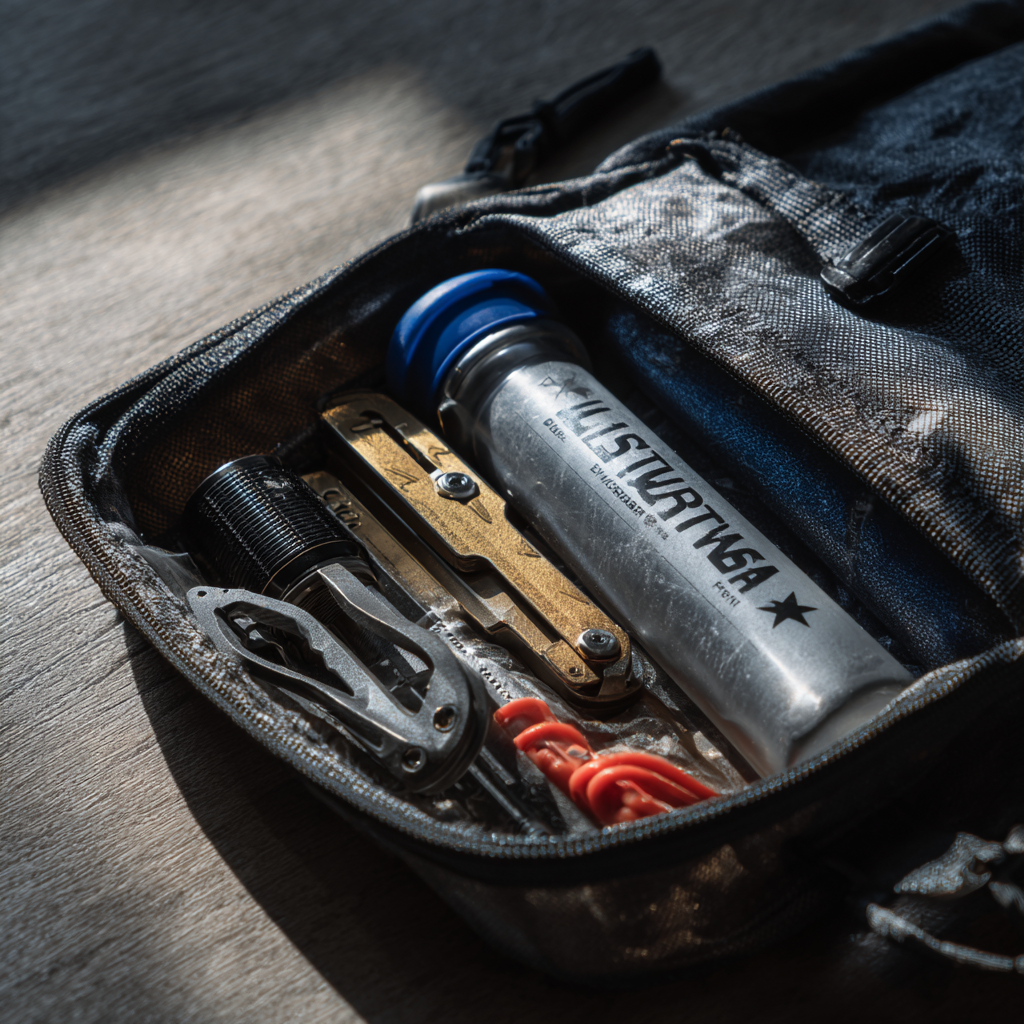
How to Pack Your Compact Survival Kit
Now that you have your essentials, smart packing ensures everything fits — and stays dry.
1. Use Lightweight Containers
Choose a durable, water-resistant bag that fits inside your backpack or vehicle.
Best Choice:
- Earth Pak Waterproof Dry Bag 10L – Keeps supplies dry and doubles as a flotation aid.
2. Organize by Category
Use small resealable pouches or zip bags for each section: food, first aid, tools, etc. Color coding or labeling speeds up access in low-light conditions.
3. Prioritize Accessibility
Keep the most critical items — water filter, knife, flashlight — near the top or in outer compartments for quick reach.
4. Test and Adjust
Take your kit on short hikes or practice drills. Testing reveals what’s missing or unnecessary. Rotate perishable items every 6–12 months, following advice from Building a 72-Hour Survival Kit for maintenance consistency.
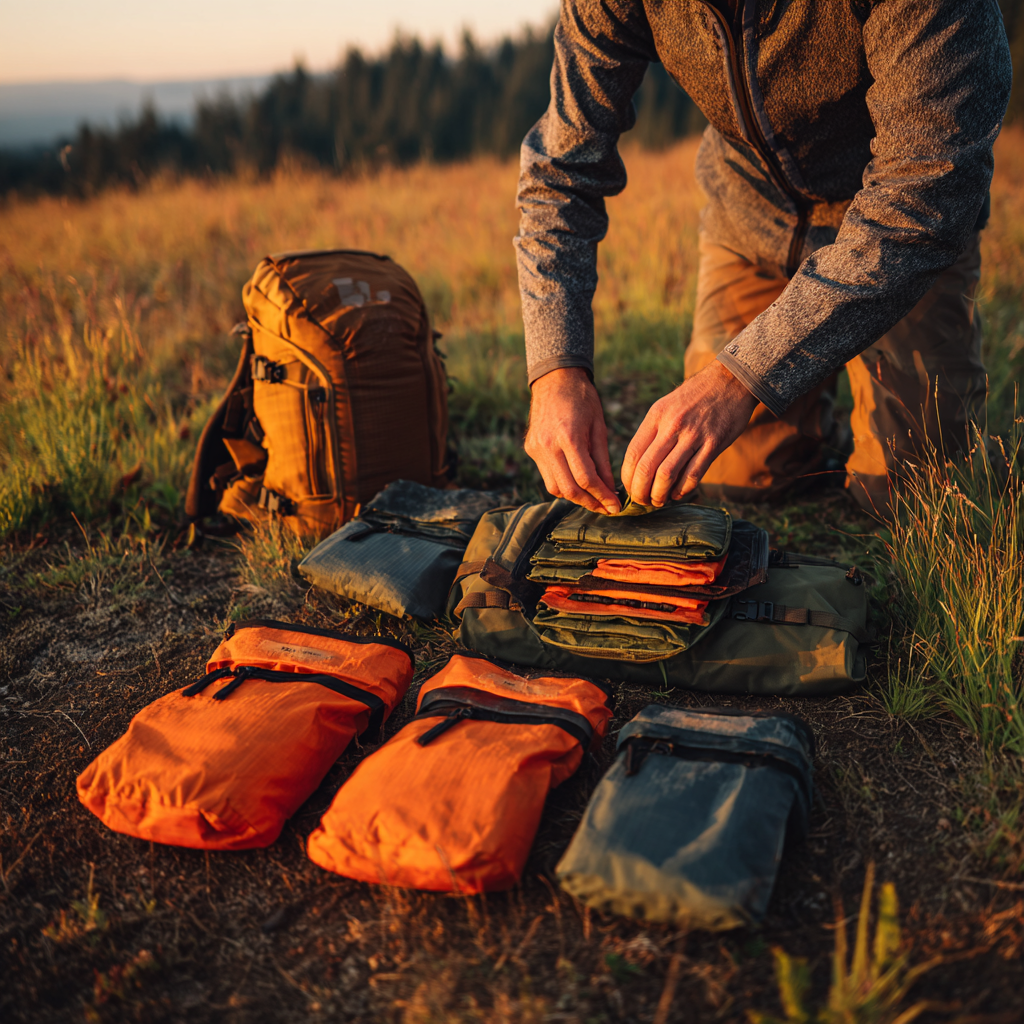
Advanced Packing Tips for Space and Weight Efficiency
- Multi-use items: Choose gear that serves multiple functions (e.g., paracord for tying, fishing, or shelter).
- Compression bags: Reduce volume by removing excess air.
- Vacuum-sealed food: Compact, long-lasting, and lightweight.
- Layer gear: Place flat items (maps, blankets) against the back of your bag for structure.
These strategies mimic the layering and organization principles used in Disaster Supply Kit Essentials — helping you maximize efficiency.
Testing and Maintaining Your Kit
A survival kit is only as useful as your familiarity with it. Regularly check contents for expired items, damaged packaging, or missing pieces.
Maintenance Routine:
- Inspect quarterly and after outdoor trips.
- Replace expired medicine and food.
- Rewaterproof any containers showing wear.
Keep a printed checklist in your kit or store a digital copy on a flash drive like the SanDisk Cruzer 64GB USB Flash Drive for easy reference.
Integrating Your Compact Kit with Broader Preparedness
A compact survival kit should complement your home or vehicle setups — not replace them. Together, they create layered protection.
For example:
- Combine your compact kit with the home-based Emergency Preparedness Kit.
- Keep water purification tools alongside long-term reserves from Long-Term Food Storage for Beginners.
- Store copies of documents and maps following Organizing Your Emergency Documents for Peace of Mind.
This layered approach ensures that even if one setup is lost or inaccessible, you still have life-sustaining gear within reach.
Affiliate Gear Recap: Compact and Reliable Additions
- LifeStraw Personal Water Filter – Essential for instant hydration from natural sources.
- Überleben Fire Starter – Sparks in rain or snow.
- Adventure Medical Ultralight Kit – Lightweight and waterproof.
- Leatherman Wingman Multi-Tool – All-in-one survival tool.
- Earth Pak Waterproof Dry Bag – Organizes and protects your essentials.
Final Thoughts
A compact survival kit isn’t about minimalism — it’s about efficiency and intelligence. By prioritizing the right essentials, investing in quality tools, and packing strategically, you ensure that you’re always prepared to survive on the move.