
Being prepared for an emergency goes far beyond stockpiling food and water. When the power goes out or you’re forced to evacuate, the ability to cook and boil water safely becomes a survival necessity. Whether you’re sheltering in place during a blackout or camping in the wilderness, having reliable portable cooking equipment ensures you can still prepare nutritious, comforting meals for yourself and your family.
In this expert guide, we’ll cover the best types of portable cooking gear, what to look for when choosing your setup, and a few tried-and-true recommendations every prepper should consider adding to their emergency kit.
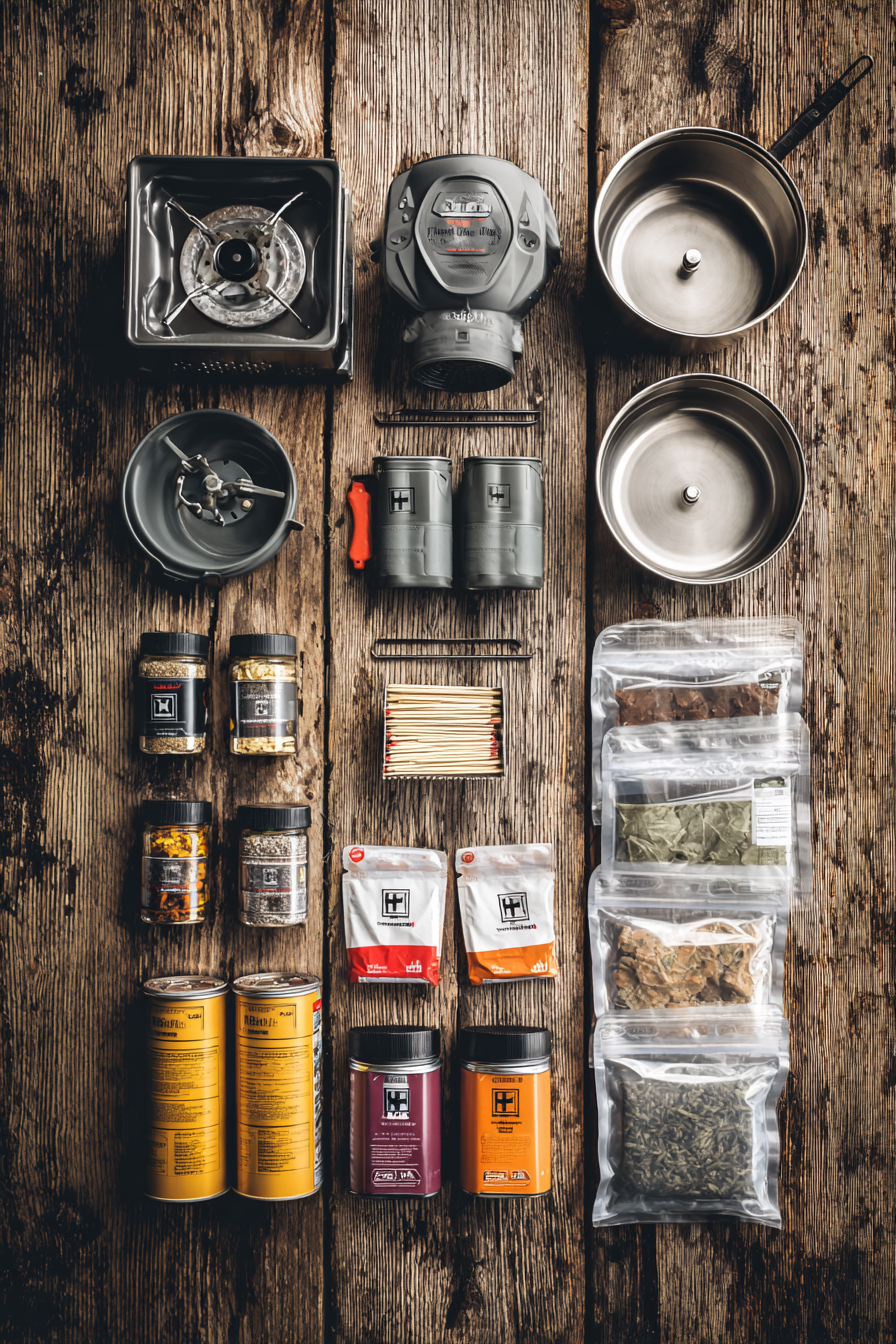
Why Portable Cooking Equipment Matters in a Crisis
During emergencies, traditional kitchens become useless. Without electricity or gas, you need alternative cooking options that are safe, efficient, and easy to transport. The right gear allows you to:
- Boil water for safe drinking
- Prepare dehydrated or canned foods
- Sterilize utensils or medical tools
- Maintain morale with hot meals
If you’ve already built your 72-Hour Emergency Kit, portable cooking gear is the perfect next step. A stove or grill can mean the difference between a cold can of soup and a real meal that keeps energy levels high when it matters most.
1. Camping Stoves: Reliable Power in a Compact Design
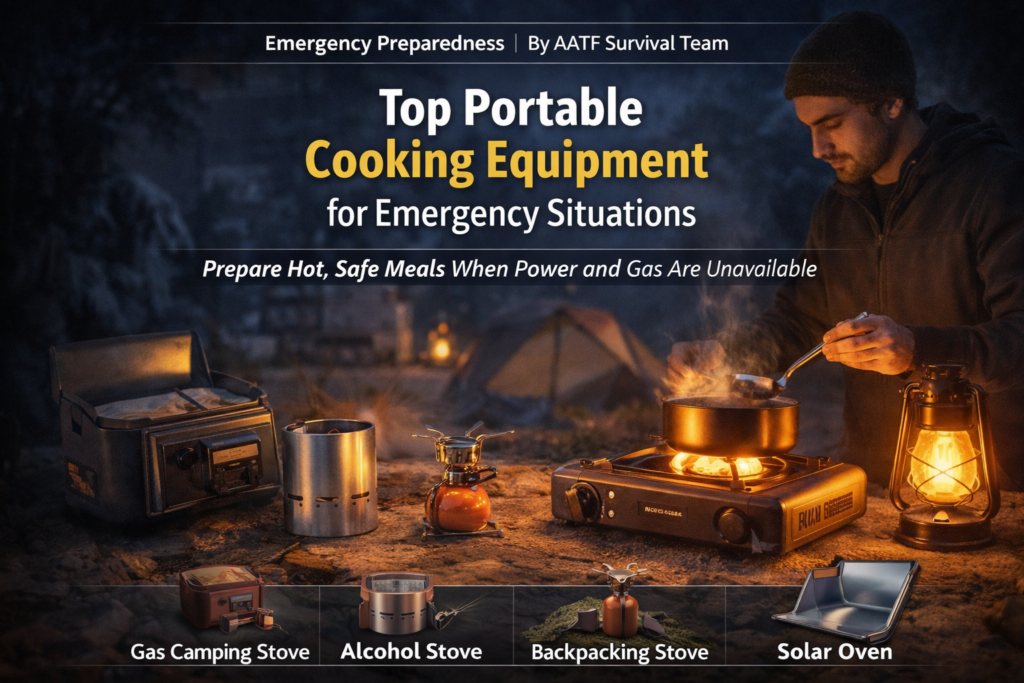
Camping stoves are a cornerstone of emergency cooking. They’re lightweight, fuel-efficient, and ideal for both short-term disasters and extended outdoor use.
Recommended Options:
- Camp Chef Explorer 2-Burner Camp Stove – Two powerful burners make it easy to cook large meals or boil water for groups. Its adjustable flame control and sturdy design make it a prepper favorite.
- Coleman Portable Propane Camp Stove – Compact and fast-heating, this classic propane stove offers excellent performance for its size.
When storing fuel, always keep extra propane or butane canisters sealed in a cool, dry area. You can learn more about ideal storage and rotation methods in Long-Term Food Storage for Beginners: The Complete Guide — essential reading for those serious about preparedness.
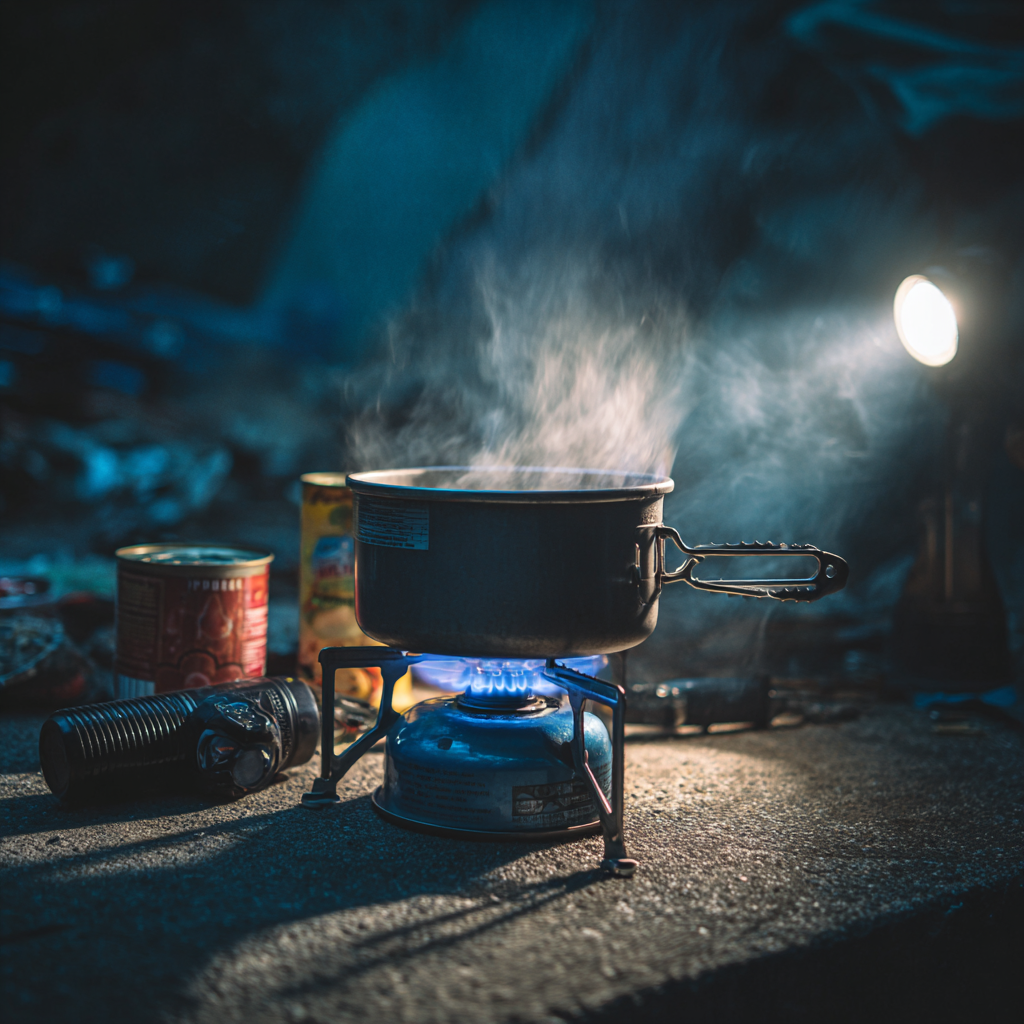
2. Portable Grills: Versatile Cooking Indoors or Out
Portable grills provide flexibility when you want to cook meat, fish, or vegetables with that familiar grilled flavor. In emergencies, they can use multiple fuels — charcoal, propane, or even wood — giving you a reliable option when fuel sources are limited.
Recommended Options:
- Weber Smokey Joe Portable Grill – Lightweight, easy to set up, and perfect for small spaces.
- Blackstone Tabletop Grill – Propane-powered with a generous cooking surface, ideal for families or group settings.
If you’re preparing your Bug Out Bag, a compact grill can provide much-needed cooking flexibility wherever you end up.
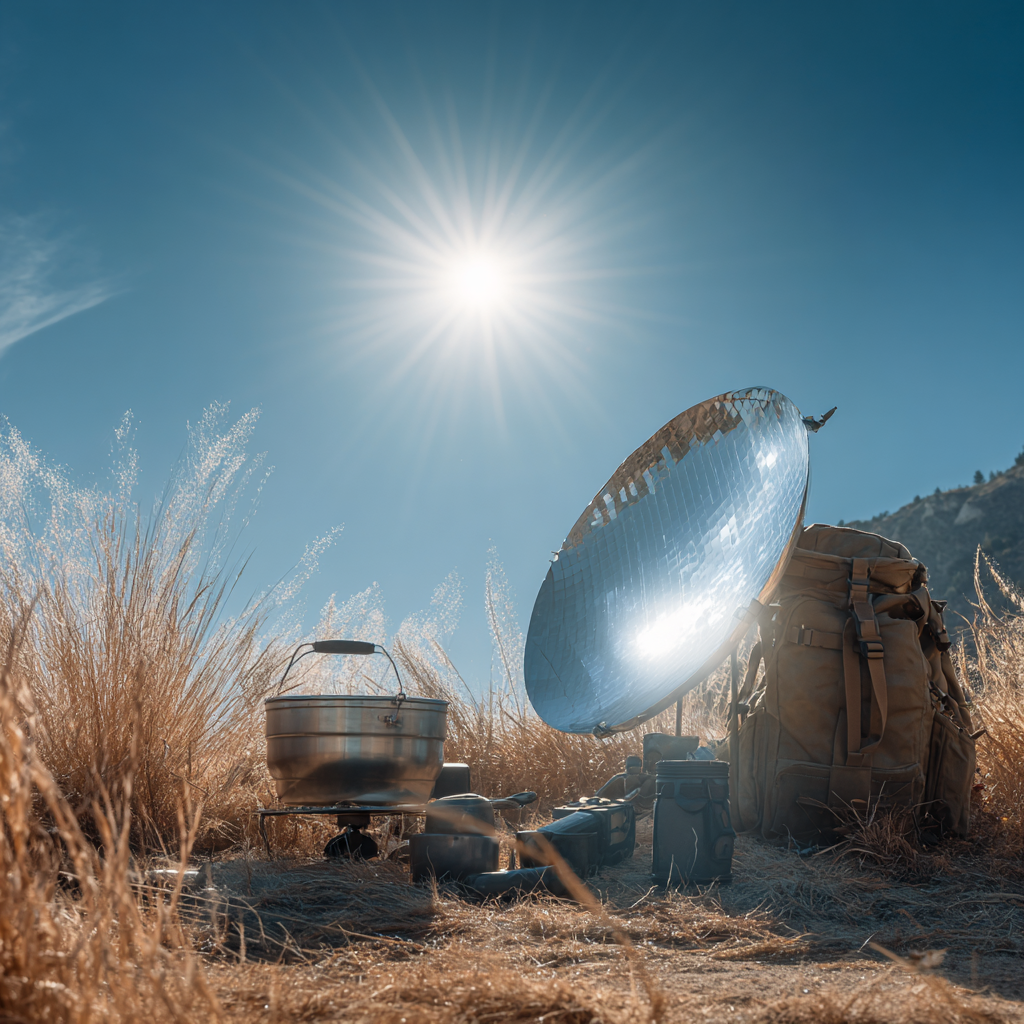
3. Solar Cookers: Harnessing Free Energy
Solar cookers are one of the most sustainable solutions for off-grid cooking. They require no fuel, produce no smoke, and operate silently — making them perfect for extended crises or stealthy survival.
Recommended Options:
- Sun Oven All American Solar Oven – Reaches up to 400°F using only sunlight. Great for baking, boiling, and steaming food.
- GoSun Sport Solar Cooker – Compact and ultralight, ideal for quick meals and travel.
Solar cookers pair perfectly with Emergency Lighting Solutions so you can continue preparing food safely after dark.
4. Portable Cookware: Lightweight, Durable, and Efficient
Even the best stove or grill needs the right cookware. Choose materials that distribute heat evenly, clean easily, and resist damage from outdoor conditions.
Recommended Options:
- GSI Outdoors Pinnacle Camper Cookset – Includes pots, pans, mugs, and plates designed for compact packing.
- REI Co-op Flash 2 Pot Set – Lightweight and built to handle boiling water quickly for freeze-dried meals.
Stainless steel or anodized aluminum cookware is best for durability. For more ideas on cooking essentials, explore Essential Items for Your Emergency Preparedness Kit.
5. Multi-Fuel and Alternative Options
In a prolonged crisis, you may run out of propane or charcoal. Multi-fuel stoves that burn wood, alcohol, or solid fuel tablets give you more flexibility and independence.
Top Picks:
- Solo Stove Lite – A compact wood-burning stove that runs on twigs and biomass.
- Esbit Pocket Stove – Lightweight and foldable, perfect for quick boiling and compact survival kits.
Pairing these with lessons from Long-Term Emergency Food Supply: What to Stock Up On ensures you’re ready for extended disruptions.
6. Storing and Maintaining Your Cooking Equipment
Proper care extends the life of your equipment and ensures it’s ready when disaster strikes.
Tips for Maintenance:
- Clean after each use and dry completely before storage.
- Check propane hoses for leaks and replace canisters before expiration.
- Store solar and electronic gear in dry, dust-free containers.
- Keep all tools together in a dedicated Emergency Preparedness Kit for fast access.
When organizing, consider creating a separate Cooking Module — a compact box containing your stove, cookware, lighter, and fuel. Label it clearly and keep it near your food supply.
7. Complementary Survival Essentials
Your portable cooking setup works best when paired with other critical survival tools.
- Water Filtration: Safe water is a top priority. The LifeStraw Personal Water Filter is a compact, lightweight solution that removes 99.999% of bacteria and parasites.
- Lighting: Combine cooking equipment with Emergency Lighting to stay productive after sundown.
- Shelter: Cook safely by setting up under an open tarp or outside a DIY Emergency Shelter to reduce fire risk.
These combinations provide a well-rounded setup for any survival scenario.
8. What to Cook: Smart Meals for Emergency Situations
Cooking efficiently in emergencies means choosing meals that require minimal ingredients, water, and time.
Try these practical ideas:
- Instant soups and stews – Lightweight, rehydrated quickly, and filling.
- Canned proteins – Tuna, chicken, or beans add essential nutrients.
- Freeze-dried meals – Combine with boiling water for quick hot dishes.
- Flatbreads and bannock – Simple dough recipes cook easily on a pan or rock.
If you’re interested in preserving and storing your own food for emergencies, the post Best Survival Food Kits for Preppers: Top Picks for 2025 is an excellent resource.
9. Safety Tips for Emergency Cooking
Cooking during crises carries risks. Here’s how to stay safe:
- Use grills and stoves outdoors or in well-ventilated spaces to prevent carbon monoxide buildup.
- Keep a small fire extinguisher nearby.
- Avoid cooking near tents or flammable materials.
- Store fuel and matches separately from heat sources.
- Never leave cooking equipment unattended.
For more complete home safety strategies, visit Emergency Signaling Devices: How to Call for Help When You Need It Most to ensure you’re covered for all contingencies.
10. Building a Cooking Module for Your Survival Kit
To keep your emergency kitchen organized, build a small module with these essentials:
- Compact stove or grill
- Fuel and backup supply
- Lighter and waterproof matches
- Cookware and utensils
- Collapsible water pot or kettle
- Cleaning sponge and biodegradable soap
Store this alongside your Disaster Supply Kit so you can grab everything in one motion when time is critical.
Final Thoughts
Being able to cook during an emergency isn’t just about convenience — it’s about sustaining life, health, and morale. A hot meal can lift spirits in the darkest times and provide the fuel your body needs to keep going.
With a dependable camping stove, portable grill, or solar cooker, you can stay nourished and ready no matter what situation unfolds. Begin with one of the trusted tools above, and build a compact, well-organized emergency cooking setup that works for your unique needs.