When darkness strikes unexpectedly — during a storm, a grid failure, or an emergency — light becomes more than convenience; it becomes safety. Without reliable illumination, simple tasks turn hazardous, communication becomes difficult, and morale drops fast. That’s why every preparedness plan should include dependable emergency lighting options tailored to your environment and needs.
In this complete guide, you’ll learn which lighting tools every household and prepper should own, how to power them when the grid goes down, and how to build a lighting plan that keeps you safe, mobile, and calm through any blackout.
Why Emergency Lighting Matters
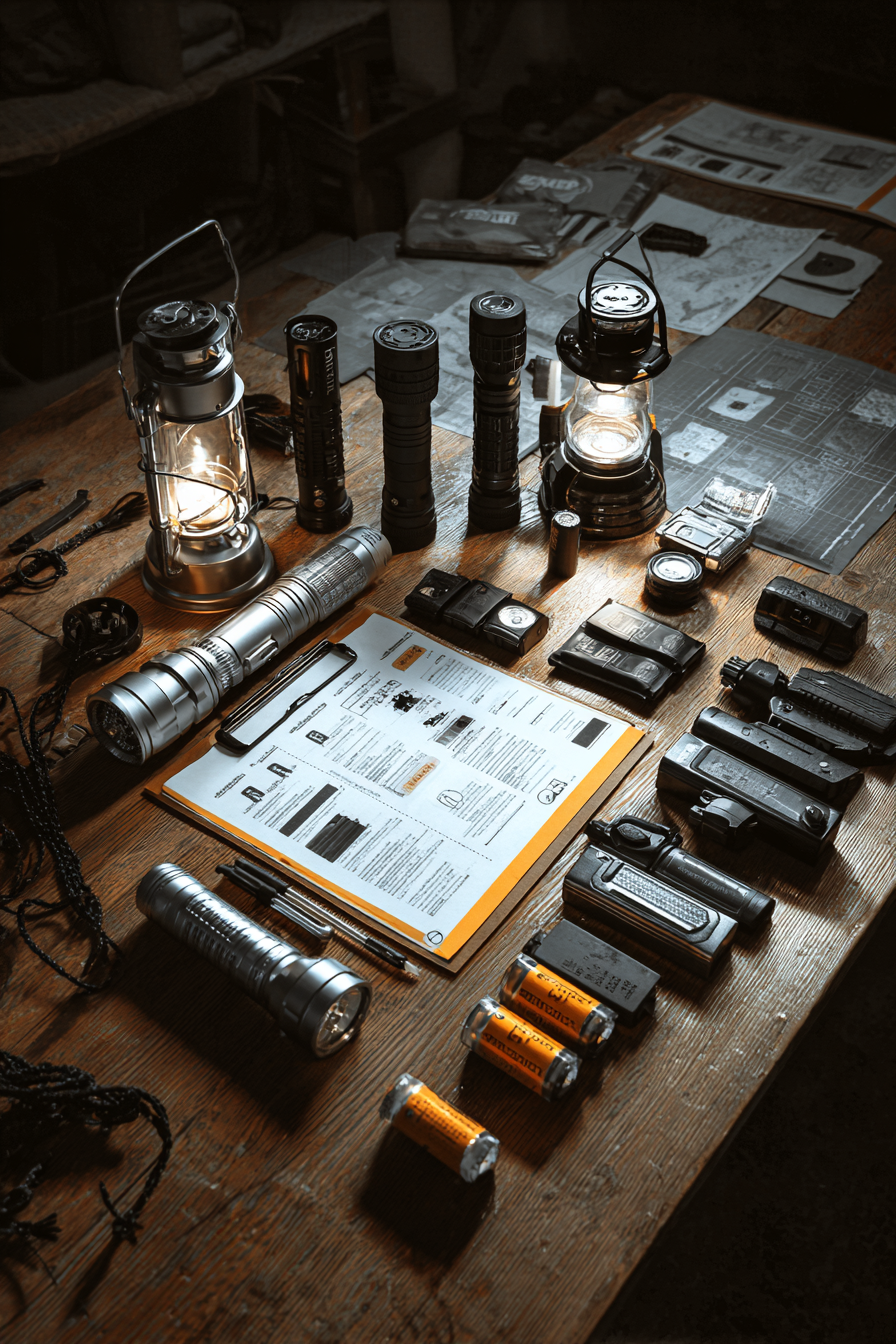
The moment power cuts off, our dependence on artificial light becomes painfully clear. You can’t cook, navigate stairs, find supplies, or signal for help without illumination. Emergency lighting helps you:
- Prevent injuries by lighting walkways and obstacles.
- Maintain communication while searching or signaling.
- Boost morale in stressful, dark situations.
- Stay productive by illuminating key areas for extended outages.
Lighting isn’t just about visibility — it’s about survival efficiency. Having the right setup complements other essentials, such as the Emergency Preparedness Kit and Disaster Supply Kit, ensuring your home or vehicle is ready for any situation.
Types of Emergency Lighting
Every situation calls for a different kind of light. A balanced approach combines several options — portable, fixed, and solar — so you’re covered no matter where you are.
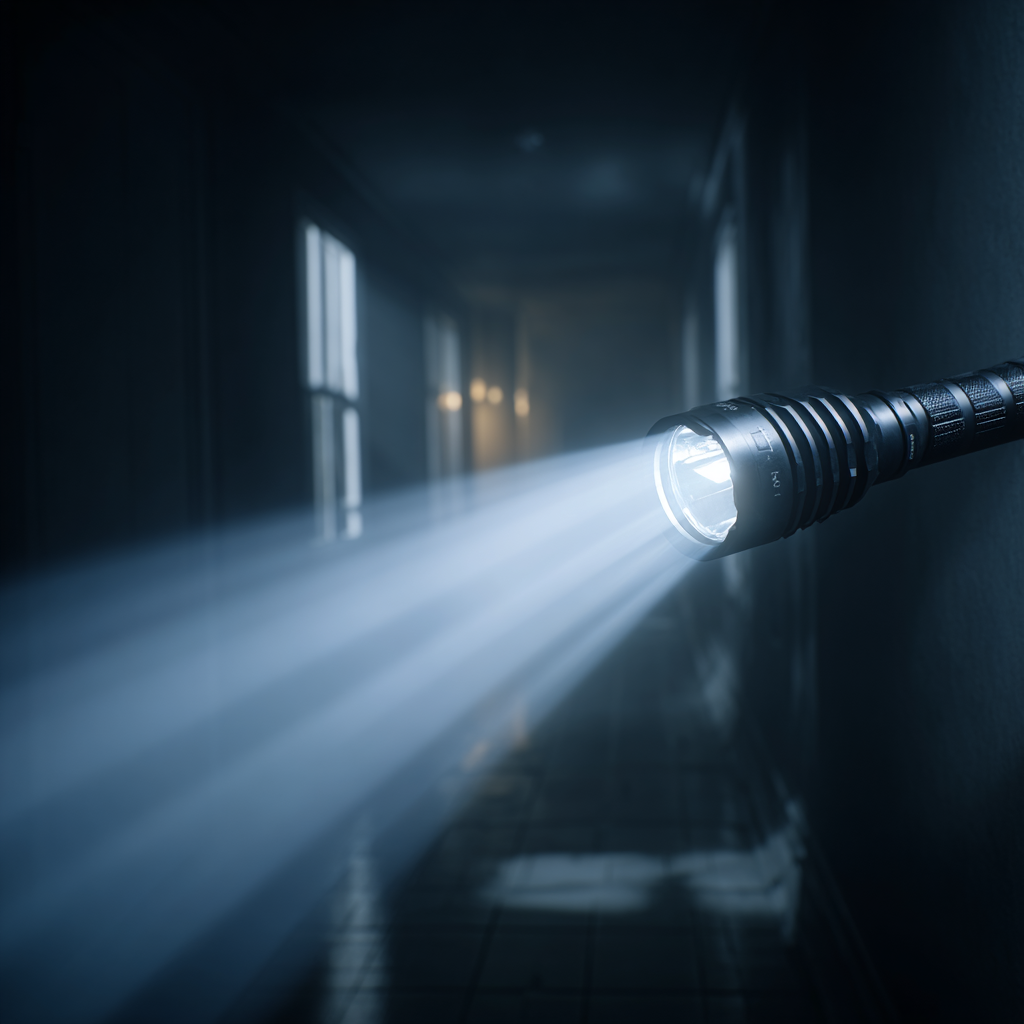
1. Flashlights: Reliable and Portable Power
The classic flashlight remains the foundation of any lighting plan. Modern LED models are brighter, lighter, and more efficient than ever before.
Why You Need One:
- Perfect for short tasks or navigating in tight spaces.
- Compact size fits easily into pockets or bug-out bags.
- Long battery life with LED technology.
Recommended Gear:
- GearLight S1000 LED Tactical Flashlight – Adjustable beam, waterproof body, and multiple brightness modes.
- Fenix PD36R Rechargeable Flashlight – USB-C rechargeable and ideal for extended emergencies.
Pro Tip: Keep one flashlight in every key location — your car, nightstand, and emergency kit. Check batteries monthly, replacing alkalines with lithium for better cold-weather performance.
2. Headlamps: Hands-Free Illumination
When you need both hands free — for repairs, cooking, or navigation — headlamps are indispensable. They’re lightweight, adjustable, and provide targeted light that moves where you look.
Recommended Models:
- Energizer Vision HD+ LED Headlamp – Adjustable brightness and red-light night mode for preserving night vision.
- Black Diamond Spot 400 Headlamp – Waterproof, durable, and perfect for outdoor survival or home repairs.
For wilderness or bug-out scenarios, headlamps pair well with gear from Top Portable Cooking Equipment for Emergency Situations — freeing your hands to cook or handle tools after dark.
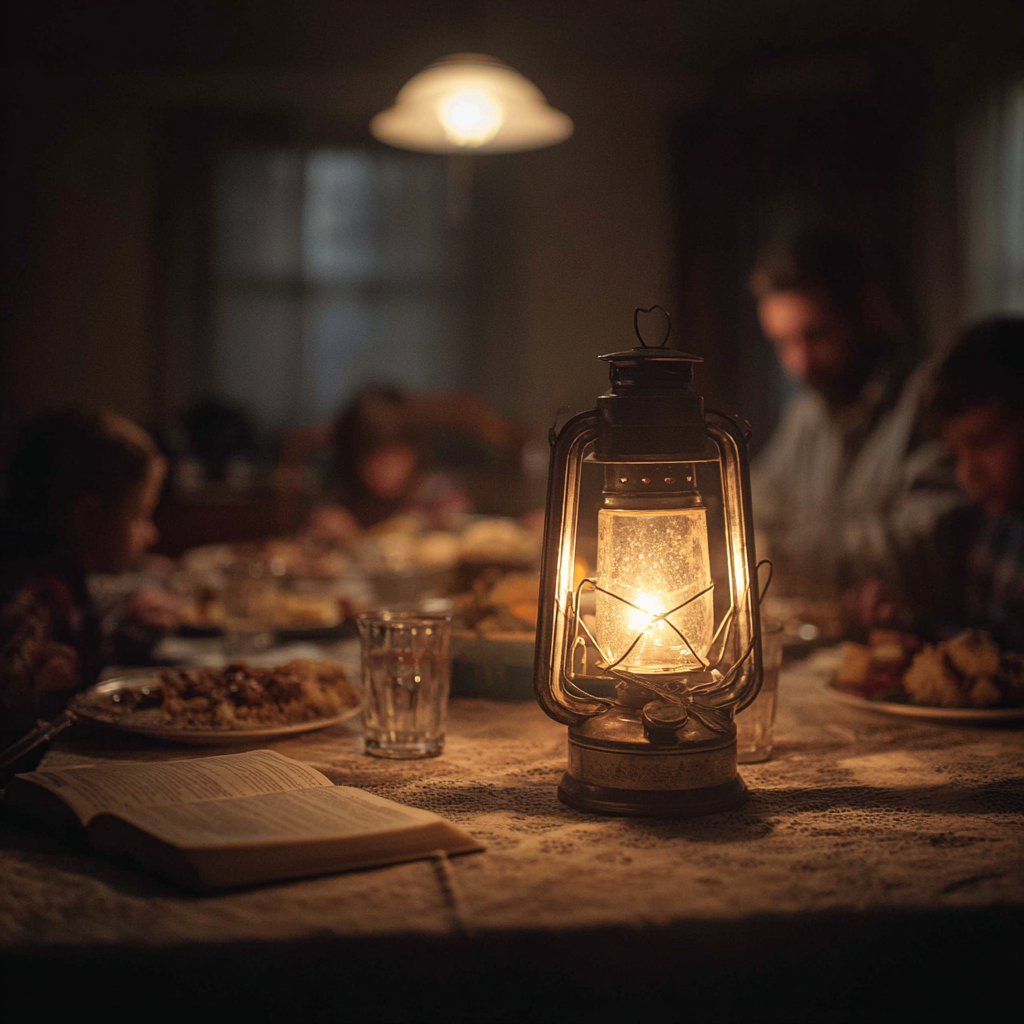
3. Lanterns: Area Lighting for Groups
Lanterns provide broad illumination, ideal for rooms, tents, or group shelters. They reduce shadows and make long blackouts more manageable.
Types to Consider:
- Battery-Powered Lanterns: Reliable and bright, ideal for home or vehicle use.
- Solar-Powered Lanterns: Recharge by day, light up by night.
- Rechargeable USB Lanterns: Can double as power banks for small electronics.
Top Picks:
- Vont 2-Pack LED Camping Lantern – Collapsible, lightweight, and incredibly bright.
- Goal Zero Lighthouse 600 Solar Lantern – Solar, USB, and hand-crank rechargeable with dimmable light levels.
Lanterns are especially useful for shelters built following Emergency Shelter Options: From Tents to DIY Solutions — providing steady light for comfort and visibility.
4. Solar Lights: Energy Independence
Solar lighting eliminates dependence on batteries and power grids. Once charged by sunlight, they provide hours of free illumination — a game changer during long-term outages.
Advantages:
- Renewable, sustainable energy source.
- No need to stockpile batteries.
- Reliable during grid-down events or wilderness stays.
Recommended Gear:
- LuminAID PackLite Nova USB Solar Lantern – Inflatable, waterproof, and foldable solar lantern.
- MPowerd Luci Outdoor 2.0 Solar Light – Lightweight and charges via sunlight or USB.
Solar devices pair well with renewable systems discussed in Key Features to Look for in an Emergency Radio — many models include built-in solar panels and hand-crank chargers.
5. Candles: Low-Tech Backup Light
Candles may seem old-fashioned, but in prolonged outages, they remain reliable. They require no electricity and can also provide minor warmth.
Tips for Safe Use:
- Keep candles on stable, non-flammable surfaces.
- Never leave them unattended or near curtains.
- Use glass-enclosed designs or lantern-style holders.
Recommended Choices:
- UCO 9-Hour Candle Lantern Kit – Safer than open-flame candles with added heat output.
- YIHANG Long-Burning Emergency Candles – Reliable backup for extended blackouts.
Combine candles with Long-Term Food Storage for Beginners: The Complete Guide for creating a comfortable, self-sufficient living setup during outages.
Backup Power Options for Lighting
Even the brightest lights are useless without power. Always plan multiple ways to recharge or fuel your devices.
Recommended Power Sources:
- Rechargeable Battery Packs: Anker PowerCore 26800mAh keeps lanterns, radios, and phones powered.
- Hand-Crank Generators: Ideal when sunlight isn’t available.
- Solar Chargers: Portable panels can recharge flashlights and headlamps directly.
To ensure complete readiness, store power alongside essentials from Building a 72-Hour Survival Kit: A Step-by-Step Guide — the perfect place to integrate all lighting and energy sources.
Choosing the Right Lighting for Your Needs
Each emergency is unique, so your lighting strategy should reflect your environment, household size, and mobility.
Home Use:
- Keep lanterns in main rooms, flashlights near beds, and candles in safe zones.
Use in Vehicles:
- Store a compact flashlight and glow sticks in your glove box.
- Add a headlamp to your Car Emergency Kit for Winter for cold-weather visibility.
Outdoor Survival:
- Use solar lanterns and headlamps.
- Add a rechargeable flashlight with SOS strobe capability.
Redundancy ensures that if one light fails, another is ready. Preppers often follow the “Two is one, one is none” rule — always carry backups.
Emergency Lighting Safety Tips
Lighting is essential, but safety must come first. Keep these best practices in mind:
- Never mix old and new batteries in the same device.
- Avoid using candles near flammable materials.
- Store lithium batteries in a cool, dry place.
- Charge all solar and USB lights monthly to maintain performance.
- Keep at least one light in every major room and vehicle.
Integrating Lighting into a Complete Preparedness Plan
Your lighting system should work in tandem with your broader emergency gear. Combine it with:
- First Aid Supplies: For visibility during medical treatment, see Comprehensive First Aid Kit Supplies for Any Emergency.
- Water Filtration Tools: For safe hydration during long blackouts, review 5 Effective Water Purification Methods for Emergencies.
- Shelter and Clothing: For warmth and comfort during cold weather, study Preparing Your Winter Survival Kit: Essential Items for Cold Weather Emergencies.
Each component supports the others, forming a resilient survival ecosystem.
Top Amazon Lighting Essentials Recap
- GearLight S1000 LED Flashlight – Compact and bright.
- Energizer Vision HD+ Headlamp – Perfect hands-free solution.
- Goal Zero Lighthouse 600 Lantern – Solar, crank, and USB rechargeable.
- LuminAID PackLite Nova – Collapsible solar lantern for mobility.
- UCO Candle Lantern Kit – Reliable old-school backup.
Final Thoughts
In a world dependent on electricity, preparedness begins with light. A thoughtful combination of flashlights, lanterns, headlamps, solar tools, and safe candles can transform chaos into calm during any blackout.
Don’t wait for the next storm or outage — build your emergency lighting system today. When darkness falls, your readiness will shine brighter than ever.