
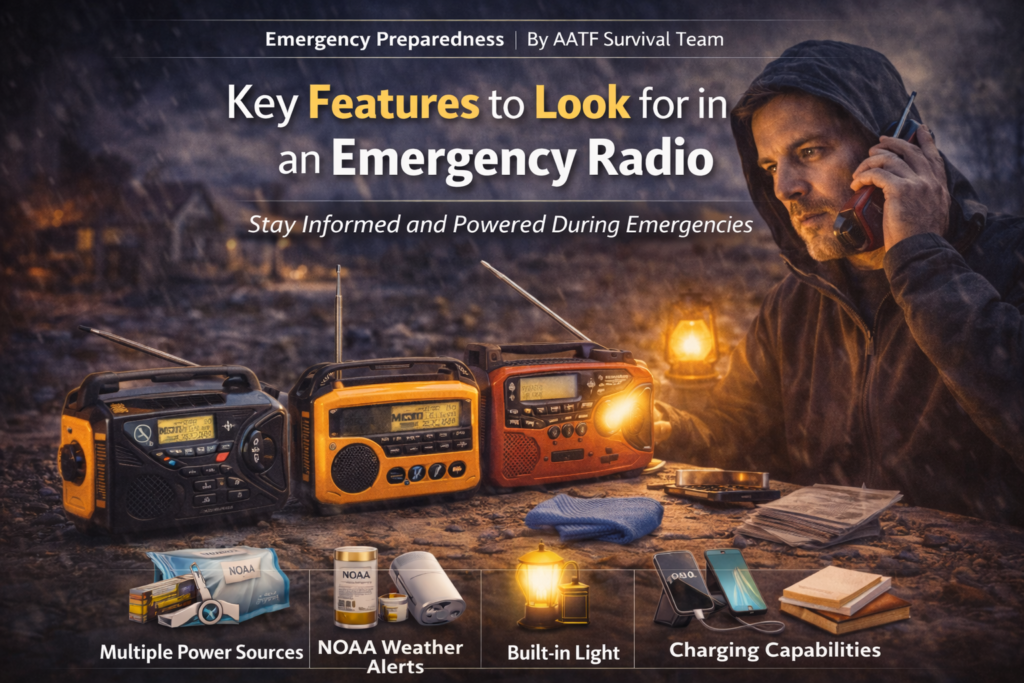
When a disaster strikes, communication is everything. Power lines go down, cell networks fail, and internet service can disappear in an instant. In these moments, an emergency radio becomes your connection to life-saving information — weather alerts, evacuation routes, and local news updates.
Whether you’re sheltering from a hurricane, dealing with a power outage, or camping off-grid, knowing what to look for in a reliable emergency radio ensures you’re never left in the dark. This guide breaks down the most important features, offers expert recommendations, and shows how to integrate your radio into a complete emergency preparedness setup.
Why an Emergency Radio Is Essential
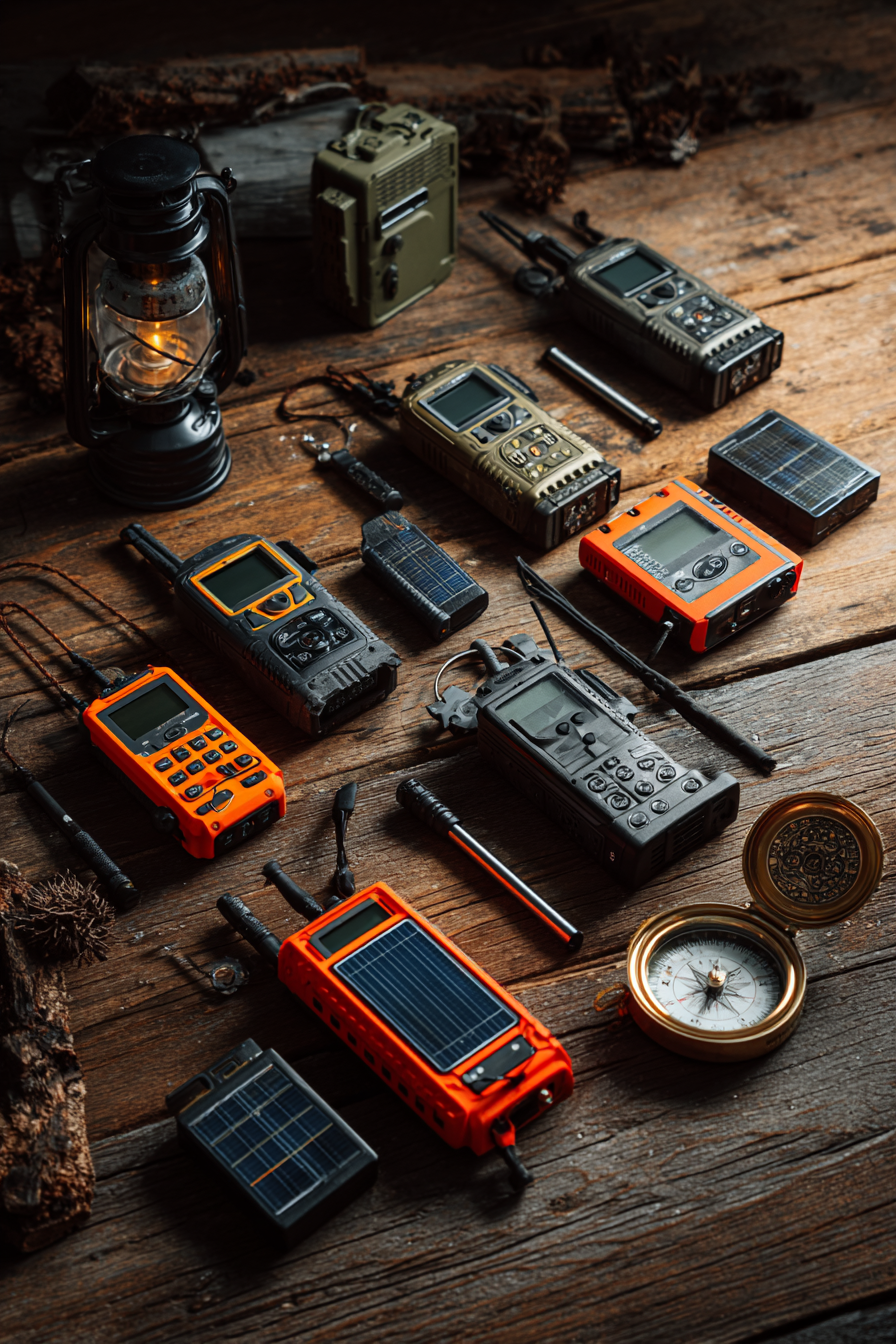
In crises, most modern communication systems are vulnerable. Without electricity or a working network, even charged smartphones become useless. An emergency radio operates independently of these systems, providing critical updates via AM/FM, NOAA weather bands, and sometimes even shortwave frequencies.
Think of your radio as a silent survival partner — small but vital. It delivers:
- Real-time alerts from official emergency agencies
- Weather updates that help you plan shelter or travel
- Community broadcast information on aid and resources
- Peace of mind when all else fails
If you’ve already assembled your Emergency Preparedness Kit, an emergency radio is the next tool to add to your arsenal.
1. Weather Band Reception: The Lifeline Feature
The first and most critical feature is NOAA Weather Band capability. These frequencies provide continuous, official weather updates from the National Oceanic and Atmospheric Administration — including warnings about hurricanes, tornadoes, floods, and other hazards.
Recommended Model:
- Midland ER310 Emergency Crank Weather Radio – Offers NOAA weather alerts, an integrated flashlight, and a USB charging port to power mobile devices.
Pairing your radio with knowledge from Emergency Signaling Devices: How to Call for Help When You Need It Most ensures you can both receive and send critical communications during an emergency.
2. Multiple Power Options: Reliability Beyond Batteries
A dependable emergency radio should never rely on a single power source. Look for models that include at least three:
- Battery power for everyday convenience
- Solar charging for extended outages
- Hand crank generator for manual recharging
This redundancy guarantees your radio remains functional long after electricity is gone.
Expert Pick:
- RunningSnail Emergency Hand Crank Radio – Combines hand crank, solar, and USB power with a flashlight and reading lamp.
Just as you stock up on canned goods and dry staples from Best Survival Food Kits for Preppers: Top Picks for 2025, think of power flexibility as “fuel” for your communication lifeline.
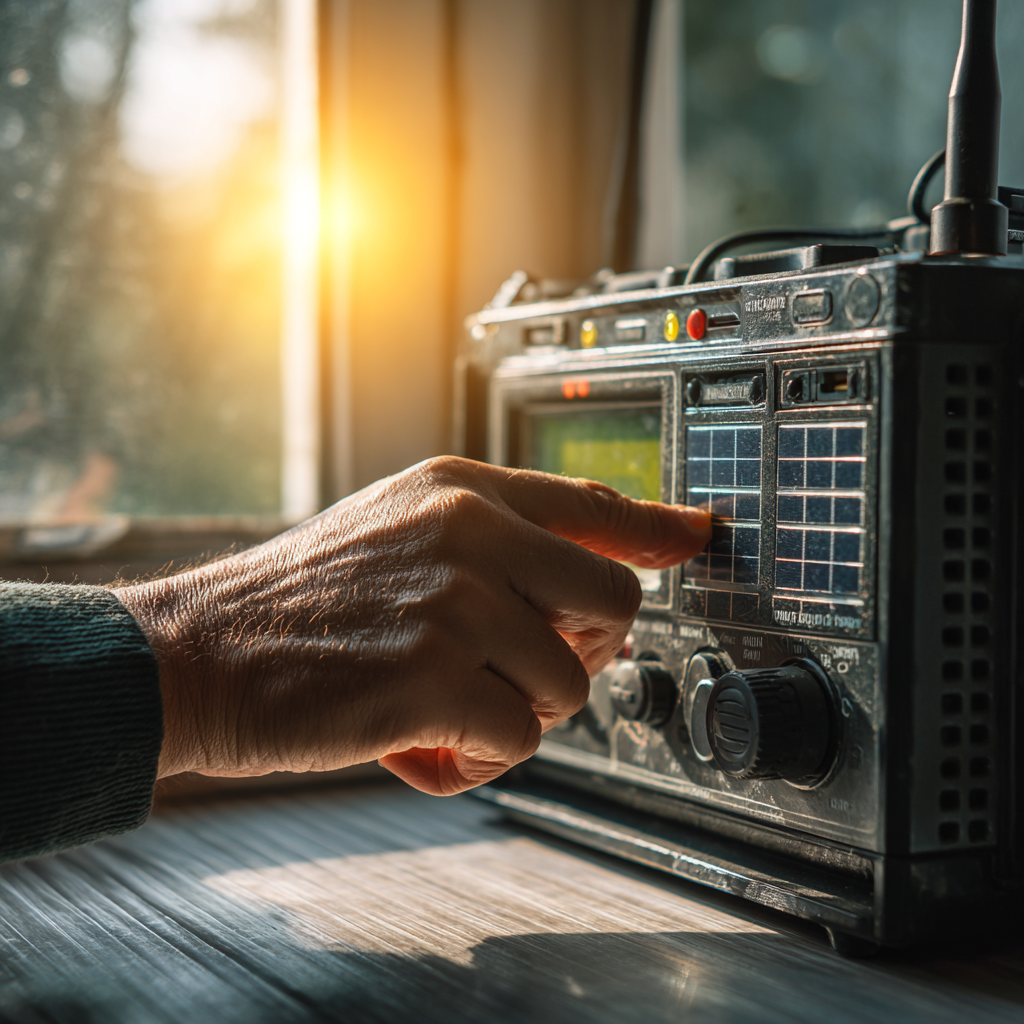
3. AM/FM and Shortwave Bands: Expanding Your Reach
Access to multiple frequency bands increases the odds of receiving crucial broadcasts from government agencies or relief organizations.
Why It Matters:
- AM stations provide long-range coverage for rural areas.
- FM stations offer localized emergency updates.
- Shortwave frequencies connect you to international news when domestic systems fail.
Top Recommendation:
- Kaito KA500 Voyager Pro Emergency Radio – Features AM/FM/shortwave reception and NOAA alerts with multiple power sources.
For true preparedness, combine this radio with the portable cooking tools in Top Portable Cooking Equipment for Emergency Situations — ensuring you can stay informed while heating meals or boiling water during blackouts.
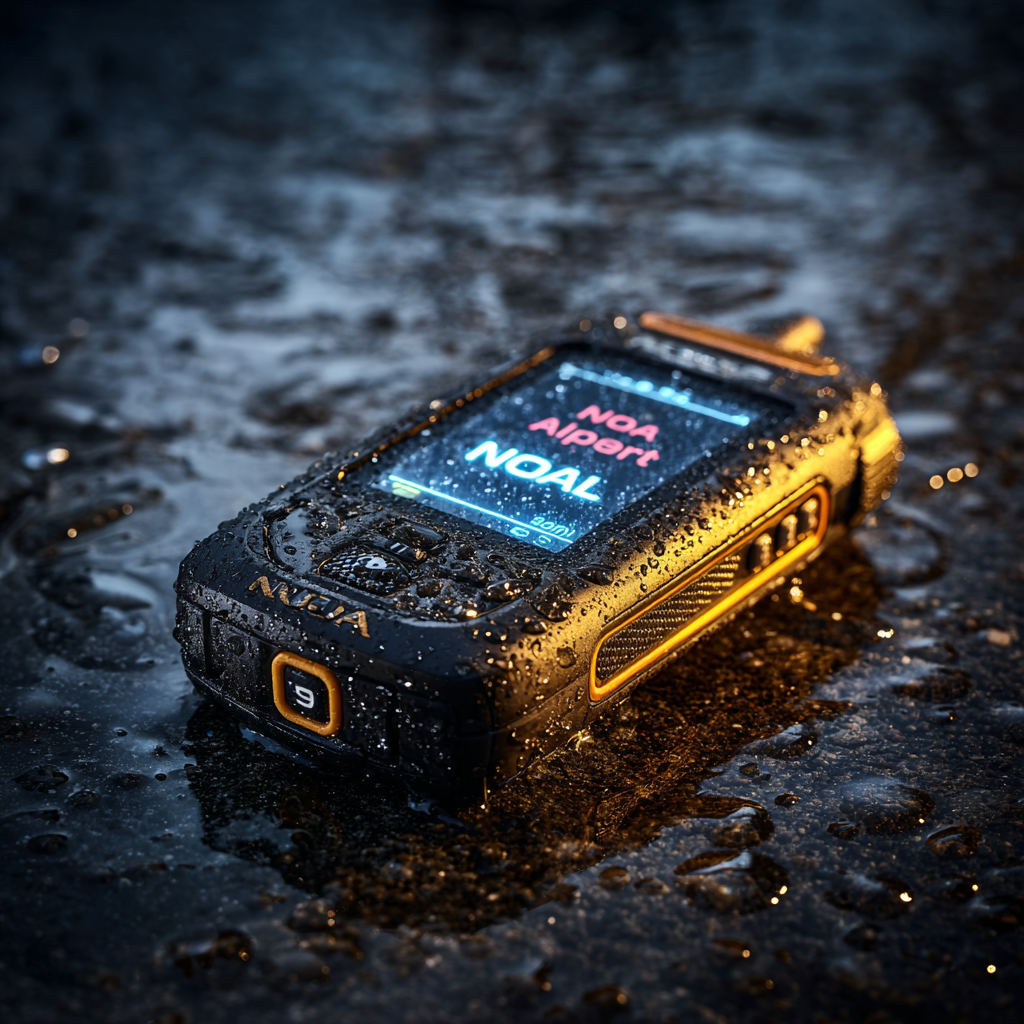
4. Durability and Weather Resistance: Built to Survive the Storm
A good emergency radio isn’t fragile. It should withstand drops, rain, dust, and heat — because emergencies don’t happen under ideal conditions.
Look for:
- IPX water resistance rating (IPX3 or higher)
- Shockproof casing
- Sealed battery compartment
Recommended Choice:
- Jasenergy Solar Powered Waterproof Radio – Built for rugged outdoor use, with a durable shell that stands up to weather and impact.
This type of radio complements your Emergency Shelter Options by ensuring you can receive updates even in stormy or outdoor conditions.
5. Flashlight and Emergency Functions: Multi-Tool Capability
When the power goes out, a built-in flashlight becomes an immediate necessity. Modern emergency radios often go further — with sirens, phone charging, and SOS signal modes.
Recommended Models:
- FERFUME Emergency Radio – Features a flashlight, siren, and USB phone charger.
- Esky Portable Hand Crank Radio – Compact, affordable, and includes both LED lighting and a power bank.
Pairing a radio like this with Emergency Lighting: From Flashlights to Solar Lanterns gives you total illumination and communication coverage during outages.
6. Ease of Use: When Every Second Counts
In a crisis, simplicity saves time. Choose a model with:
- Clearly labeled buttons
- Backlit screens
- Large knobs for tuning
- Audible weather alert mode
User-Friendly Pick:
- Esimen Emergency Radio with Bluetooth – Combines modern usability with Bluetooth streaming and quick-mode switching.
Like the essentials listed in the Bug Out Bag Checklist, your radio’s simplicity ensures that even under stress, you can operate it without confusion.
7. Portability and Battery Life
Size and weight matter, especially if you’re evacuating. Your emergency radio should be compact enough to fit inside your go-bag but powerful enough to last through extended blackouts.
Tips:
- Prioritize lightweight models under 2 lbs.
- Check battery life (at least 10–12 hours of runtime).
- Ensure replacement batteries are easy to find.
Best Compact Option:
- FosPower Emergency Solar Hand Crank Radio – Lightweight, durable, and boasts an impressive battery capacity for multi-day use.
Store your radio alongside water purification supplies like those in 5 Effective Water Purification Methods for Emergencies to create a mobile, all-in-one survival kit.
8. Integration with Modern Technology
Some of today’s top emergency radios now feature Bluetooth connectivity or USB-C charging, bridging the gap between traditional preparedness and modern convenience. These features allow you to stream updates, charge devices, or connect to external speakers for amplified alerts.
Though not a necessity, these upgrades can make a significant difference for those living in urban areas or managing family communications.
9. Long-Term Storage and Maintenance
Owning an emergency radio is only useful if it works when needed. Regularly test and maintain it:
- Charge and discharge the battery every few months.
- Keep spare batteries sealed in a dry container.
- Test the weather band at least twice a year.
Just like maintaining your Disaster Supply Kit or rotating food stocks from Long-Term Food Storage for Beginners: The Complete Guide, consistent maintenance ensures reliability.
10. Pairing Your Radio with a Complete Survival Setup
An emergency radio works best as part of a broader preparedness system. Pair it with:
- Lighting: For nighttime communication or signaling
- Cooking Equipment: See Top Portable Cooking Equipment for Emergency Situations
- Document Storage: Keep frequency lists and emergency numbers in your Organizing Your Emergency Documents folder
Integrating these elements builds a balanced approach to survival — communication, sustenance, and information, all working together.
Final Thoughts
When it comes to survival, information is power — and an emergency radio is your access point to that power. Look for models with reliable NOAA alerts, multiple charging options, durable builds, and ease of use.
Whether you choose the Midland ER310, Kaito KA500, or RunningSnail Hand Crank Radio, what matters most is that your device works when everything else fails.
Add one to your emergency supplies today, and ensure you’ll always have a trusted voice guiding you through any crisis.