
Introduction
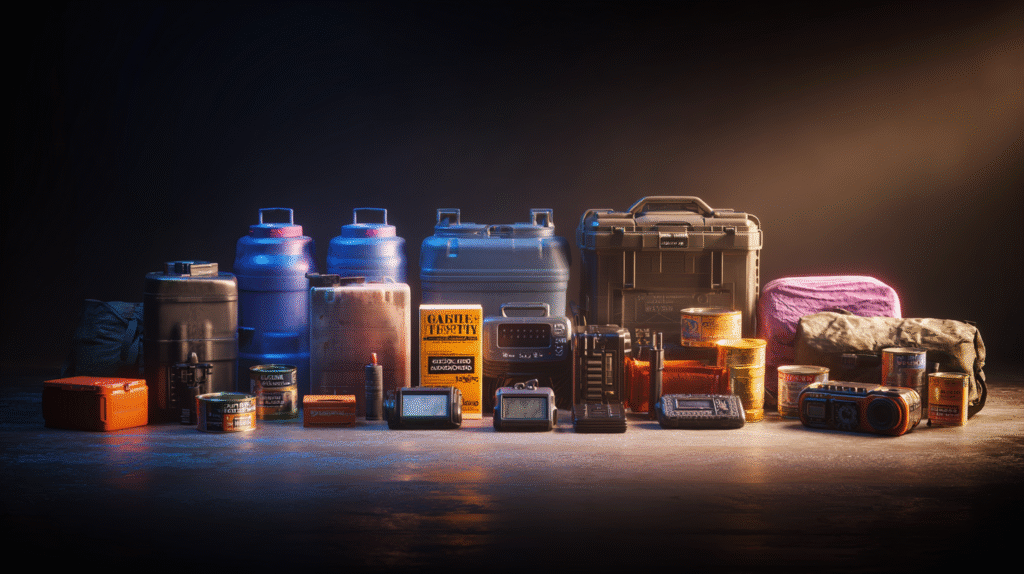
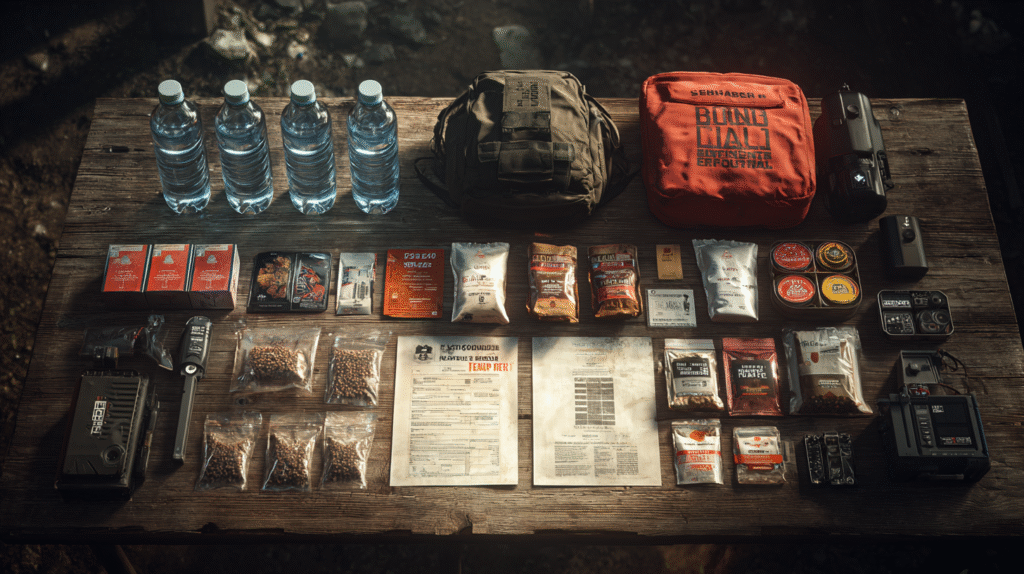
Owning an emergency kit is one thing—keeping it ready when disaster strikes is another. Supplies expire, batteries lose charge, and family needs change over time. Regular upkeep ensures that your kit performs exactly as you expect it to during an emergency.
Your emergency kit is your lifeline when facing natural disasters, power outages, or unexpected crises. But if it’s not updated or inspected, its effectiveness quickly diminishes. For a solid foundation on what to include, start with our cornerstone guide on essential items for your emergency preparedness kit.
Why Maintenance Is Crucial
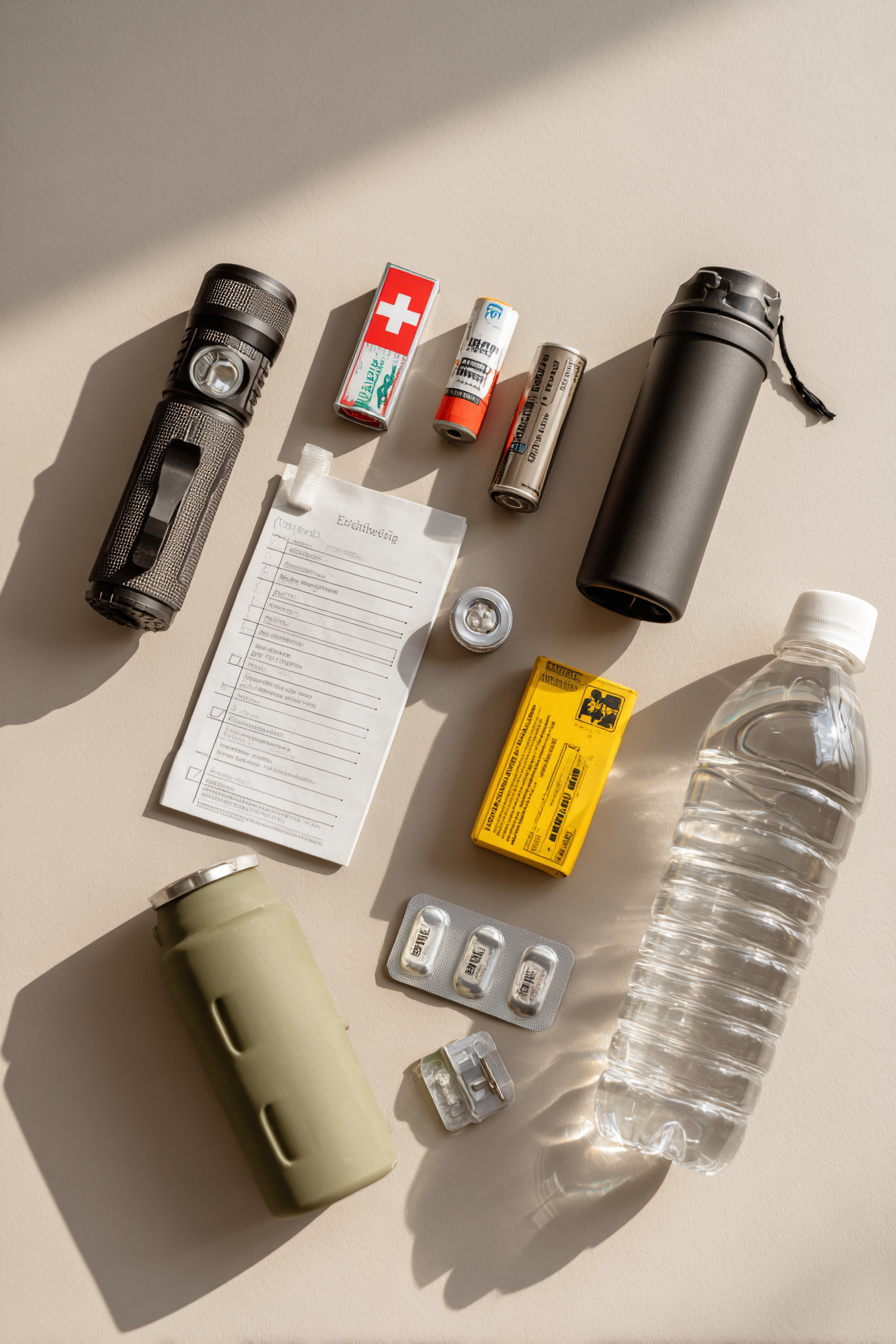
An emergency kit isn’t a “set-it-and-forget-it” project—it’s a living system that must evolve with your household. Over time:
- Food and water lose freshness and nutritional value.
- Batteries and devices degrade and may fail when needed most.
- Personal needs shift—children grow, health conditions change, and pets join the family.
Keeping your kit current guarantees that every item inside works and meets your family’s unique needs.
Step 1: Inspect Regularly
Routine inspections prevent unpleasant surprises when it matters most.
How often to check:
- Monthly: Quick visual check for damage or missing items.
- Every 6 months: Full inspection of every component.
- Annually: Deep clean, repack, and update items for the year ahead.
During inspections, look for:
- Expired food or water.
- Corroded batteries.
- Damaged packaging or containers.
Test every flashlight, radio, and communication device. Practice a short 15-minute drill to ensure everyone knows how to access and use the kit. For more on quick-access setups, review our guide on building your essential 72-hour emergency kit.
Step 2: Replace Expired or Used Items
No kit stays perfect forever. Replace used, expired, or worn-out supplies to maintain peak functionality.
Food and Water Rotation
Rotate your food stock annually to ensure freshness. Replace outdated cans or packets and label everything with dates. Consider adding high-quality emergency meals like Mountain House Classic Bucket—lightweight, long-lasting, and easy to prepare.
Keep at least one gallon of water per person per day, plus extra for cooking and pets. Store in sealed, food-grade containers and refresh every six months.
First Aid and Health Supplies
Inspect medical kits for expired medications, used bandages, or damaged packaging. Refill supplies immediately after use. The Adventure Medical Kits Mountain Series offers a reliable, compact restock option.
To ensure your first aid section covers every scenario, review comprehensive first aid kit supplies for any emergency.
Lighting and Power Sources
Batteries degrade faster than most people expect. Test flashlights and lanterns monthly, and store spare lithium batteries—they perform better in cold or damp conditions. The Streamlight Siege Lantern is a rugged, rechargeable option ideal for home or vehicle use.
Explore additional backup options in our guide on emergency lighting: from flashlights to solar lanterns.

Step 3: Update for Changes
Your emergency kit should grow with your family and adapt to each season.
- Family Changes: Add new items for infants, elderly relatives, or anyone with medical needs. If you’ve added a pet, include food, leashes, and comfort supplies—see building a comprehensive emergency kit for your pets.
- Seasonal Adjustments: In winter, pack extra blankets, gloves, and HotHands Body Warmers. In summer, add sunscreen, electrolyte packets, and cooling towels.
- Personal Preferences: Include comfort items like snacks, favorite drinks, or small games for children. Morale matters when stress is high.
Regularly revisit your list to ensure everyone’s needs are represented.
Step 4: Add Often-Overlooked Essentials
A few key tools can elevate your kit’s functionality from basic to professional-grade preparedness.
Multi-Tools
A single high-quality tool can replace an entire box of equipment. The Leatherman Wave Plus Multi-Tool features pliers, screwdrivers, and blades that can handle almost any repair task.
Learn how to choose the perfect one for your setup in choosing the right multi-tool for your emergency kit.
Portable Power
A dependable power bank like the Anker PowerCore Portable Charger ensures your phones and GPS devices stay charged when electricity is out. Recharge it monthly and store it in a waterproof case.
Emergency Blankets
Compact, reflective blankets trap body heat and double as ground covers or makeshift shelters. Stock a few SOL Emergency Blankets to ensure warmth in any climate.
To compare the best materials and uses, read emergency blankets for your survival kit: the ultimate guide.
Step 5: Create a Maintenance Schedule
Consistency is key. Write out a maintenance plan that fits your routine and use reminders to stay on track.
Monthly Tasks:
- Test flashlights, radios, and chargers.
- Replace used batteries and any consumed snacks.
Every 6 Months:
- Inspect all containers for leaks or damage.
- Replace expired food, medicine, and water.
- Refresh clothing for seasonal needs.
Annually:
- Reassess your household situation and storage space.
- Rotate or upgrade gear as needed.
- Conduct a family emergency drill using your kit.
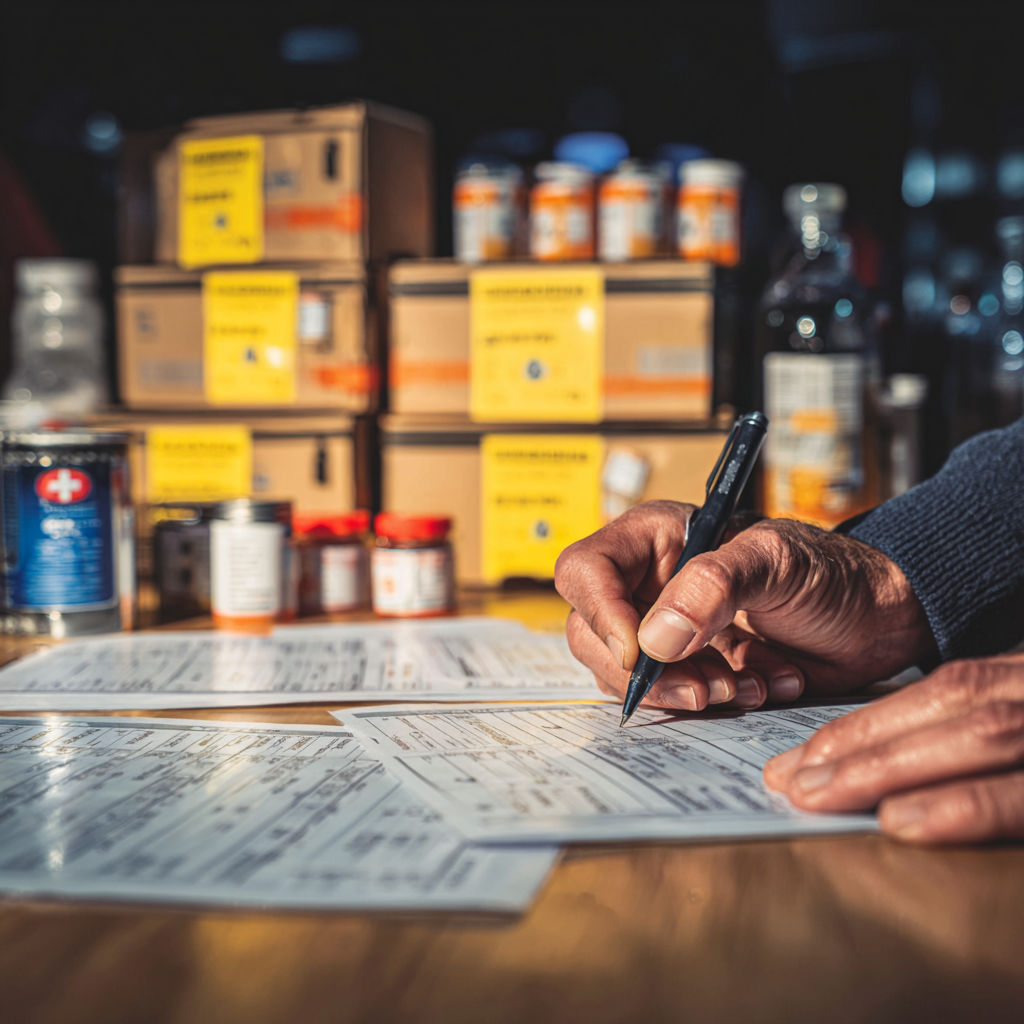
A printed checklist attached to the lid of your kit—or stored digitally on your phone—helps ensure accountability and consistency.
Conclusion
Maintaining and updating your emergency kit is not a one-time task—it’s an ongoing responsibility that safeguards your family’s well-being. Regular checks, timely replacements, and thoughtful updates ensure that every tool and supply is ready to perform when it counts most.
Stay proactive, stay organized, and refine your kit each season for ultimate readiness. For a complete overview of what every preparedness kit should include, read our cornerstone post on top 10 must-have items in your disaster supply kit.
Preparedness is peace of mind—build it, maintain it, and you’ll always be one step ahead when life throws the unexpected your way.