
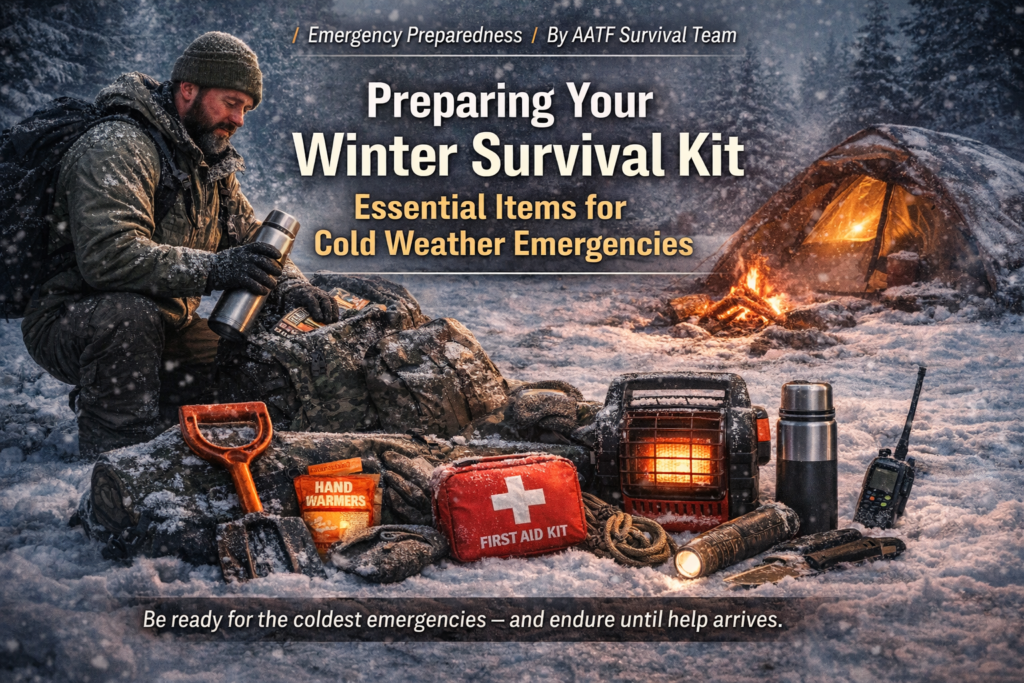
Winter’s beauty often hides its dangers. Freezing temperatures, heavy snow, and power outages can turn everyday situations into life-threatening emergencies. Whether you’re traveling, camping, or sheltering at home, a winter survival kit ensures you stay safe, warm, and self-sufficient when nature turns severe.
In this comprehensive guide, we’ll walk through the most important gear to include, why each item matters, and how to organize your kit for fast, reliable access.
Why a Winter Survival Kit Matters
Cold weather emergencies can escalate fast — frostbite and hypothermia set in within minutes without proper protection. In extreme conditions, even a short car breakdown or blackout can be deadly without preparation.
Having a dedicated winter survival kit gives you the ability to:
- Stay warm during long power outages.
- Access food and water when roads are closed.
- Signal for help in snow-covered or remote areas.
- Maintain comfort and morale in freezing environments.
If you’ve already assembled your Emergency Preparedness Kit, think of your winter kit as a seasonal upgrade — tailored to protect against frost, ice, and isolation.
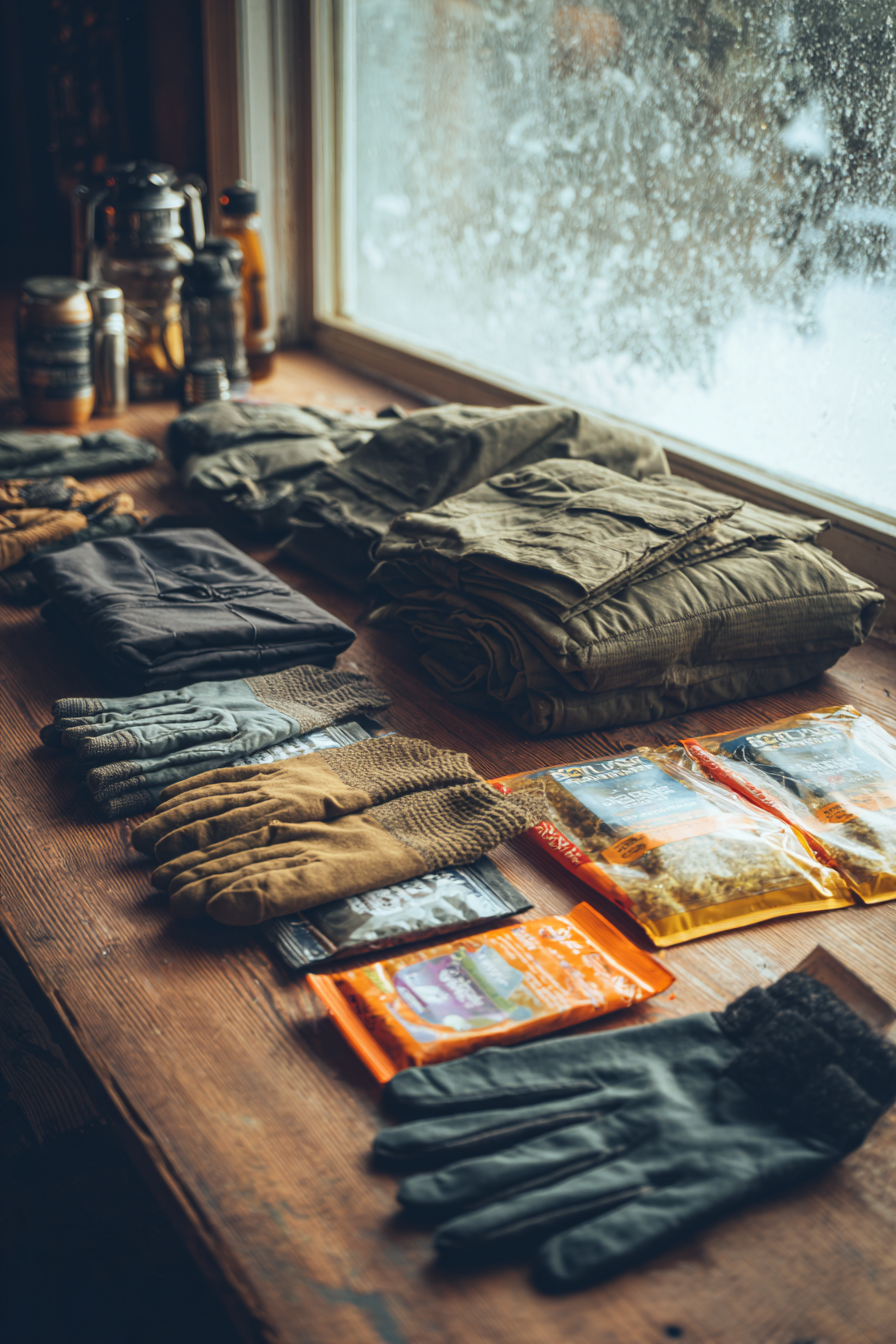
1. Warm Clothing: Your First Line of Defense
Layering is the cornerstone of winter survival. The right clothing prevents heat loss and moisture buildup, both of which can lead to hypothermia.
Must-Have Items:
- Thermal Underwear: Choose moisture-wicking material to keep skin dry.
- Insulated Gloves: Protect hands without limiting movement.
- Wool Socks: Wool retains warmth even when wet.
- Insulated Jacket: Down or synthetic fill for maximum insulation.
Recommended Products:
- Carhartt Thermal Base Layer Set – Durable, breathable insulation for base warmth.
- Smartwool Merino Wool Socks – Ideal for freezing temperatures.
- OZERO Insulated Gloves – Windproof, water-resistant protection.
These layers work together to conserve heat — a principle covered more deeply in Top 10 Must-Have Items in Your Disaster Supply Kit.
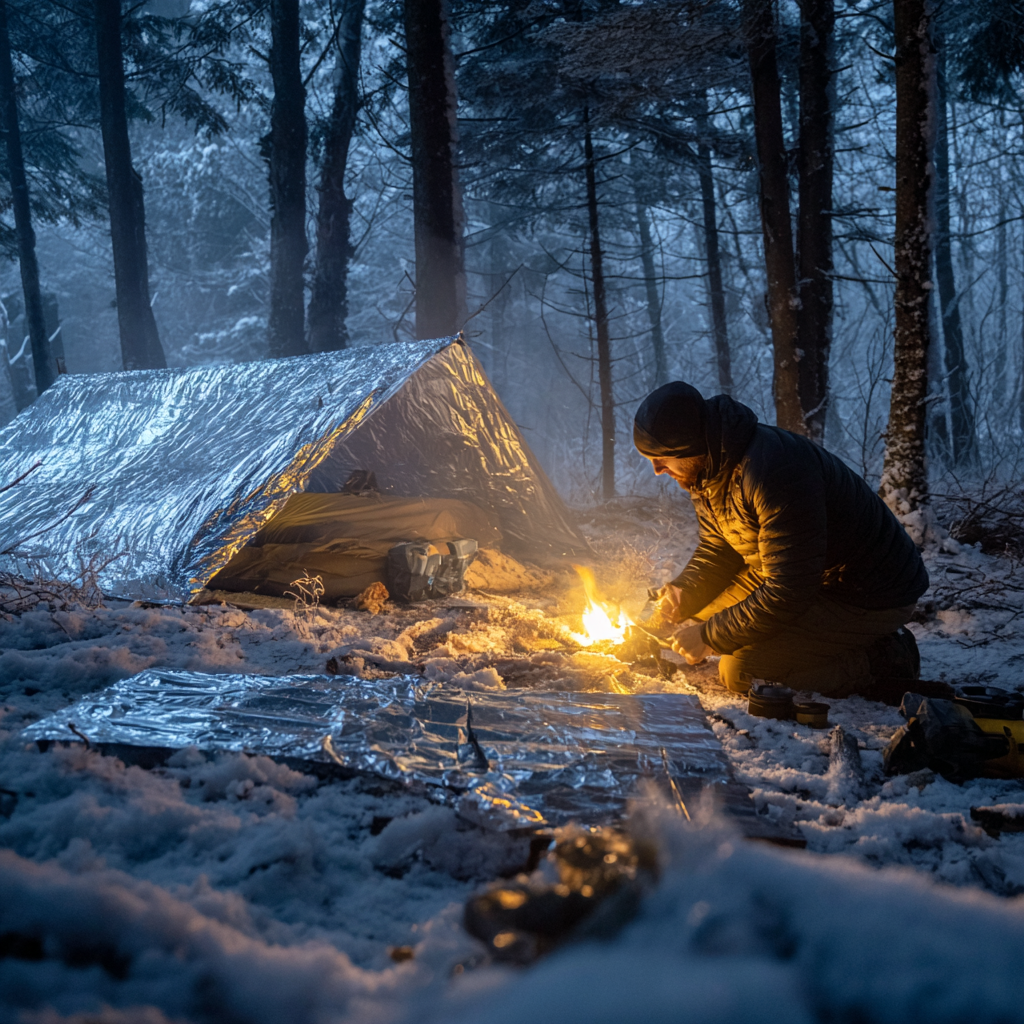
2. Shelter and Protection from the Elements
If you’re stranded outdoors or in your car, a way to block wind and trap body heat is vital.
Essentials:
- Emergency Mylar Blanket: Reflects 90% of body heat and takes up little space.
- Compact Tent or Tarp: Creates a barrier against wind and precipitation.
- Sleeping Bag Rated for Low Temperatures: Keeps you insulated through the night.
Recommended Gear:
- SOL Emergency Blanket – Lightweight and reusable.
- Teton Sports Celsius XL Sleeping Bag – Designed for freezing temperatures.
- Wise Owl Outfitters Tarp Shelter – Multi-use tarp for fast weather protection.
For added context on portable shelters, explore Emergency Shelter Options: From Tents to DIY Solutions — ideal for winter or all-season prepping.
3. Food and Water Supplies
In freezing conditions, your body burns more calories to stay warm. Having calorie-dense, easy-to-prepare food ensures energy and endurance.
Include:
- High-Energy Snacks: Trail mix, nuts, jerky, or protein bars.
- Freeze-Dried Meals: Long-lasting and lightweight.
- Portable Water Filter: Purifies melted snow or natural sources.
- Insulated Bottle: Prevents your water from freezing.
Top Picks:
- Mountain House Adventure Meals – Complete freeze-dried meals ready in minutes.
- LifeStraw Personal Water Filter – Filters bacteria and protozoa from natural sources.
- Hydro Flask Insulated Bottle – Keeps liquids hot or cold for hours.
For extended crises, combine these methods with insights from Long-Term Food Storage for Beginners: The Complete Guide to maintain both short-term and long-term food reserves.
4. Heating Equipment
When shelter isn’t enough, you’ll need backup heat sources that don’t rely on electricity.
Options to Consider:
- Candle Lantern: Produces both light and mild heat.
- Hand Warmers: Keep extremities from freezing.
- Portable Heater: For car or cabin use (ensure proper ventilation).
Recommended Products:
- UCO Candle Lantern Kit – Provides steady light and warmth.
- HotHands Hand Warmers – Long-lasting, disposable heat packs.
- Mr. Heater Portable Buddy Propane Heater – Safe indoor heating for emergencies.
To safely use heat in confined spaces, always ensure ventilation and pair with insights from Emergency Lighting: From Flashlights to Solar Lanterns – Your Complete Guide for illumination during blackouts.
5. Navigation and Communication Tools
Whiteouts and road closures can disorient even the most experienced travelers. Reliable navigation and signaling tools are your lifeline.
Include:
- Map and Compass: Essential if GPS fails.
- Whistle: Audible signals carry farther in cold air.
- Two-Way Radio: Keeps you connected when networks go down.
Recommended Gear:
- Midland GXT1000VP4 Two-Way Radio – Long-range communication with NOAA weather alerts.
- Cammenga Phosphorescent Compass – Military-grade accuracy.
- Noopel Emergency Whistle – Compact and loud for rescue signaling.
Learn how to enhance your communication strategy in Emergency Signaling Devices: How to Call for Help When You Need It Most.
6. First Aid Kit and Medical Essentials
Cold weather can mask symptoms of injuries or frostbite, so immediate access to first aid is essential.
Include:
- Bandages, gauze, and antiseptic wipes
- Pain relievers (ibuprofen or acetaminophen)
- Tweezers, tape, and gloves
- Lip balm and skin protectant to prevent cracking
Recommended Kit:
- Adventure Medical Kits Mountain Series – Comprehensive and cold-weather ready.
For detailed inventory suggestions, review Comprehensive First Aid Kit Supplies for Any Emergency to customize your winter medical kit.
7. Tools and Repair Kits
Unexpected breakdowns or shelter damage are common in winter conditions. A small repair kit ensures you can fix what’s necessary on the spot.
Essentials:
- Multi-Tool: For cutting, screwing, and quick repairs.
- Heavy-Duty Rope or Paracord: Useful for tying down tarps or pulling objects.
- Snow Shovel: Compact version for clearing paths or digging out a car.
Top Tools:
- Leatherman Wingman Multi-Tool – Reliable, all-purpose repair tool.
- UST Paratinder 550 Paracord – Doubles as tinder for fire-starting.
- AAA 4004 Aluminum Snow Shovel – Lightweight and extendable.
For broader emergency repair strategies, see Bug Out Bag Checklist: Don’t Forget These Crucial Items for additional practical tools.
8. Lighting and Power Solutions
Dark winter days and long nights require dependable lighting sources to prevent injury and boost morale.
Include:
- Flashlight: Reliable and bright for all conditions.
- Headlamp: Keeps your hands free for other tasks.
- Spare Batteries: Store in a dry bag to prevent corrosion.
Recommended Products:
- GearLight LED Headlamp – Adjustable brightness with long runtime.
- Energizer LED Flashlight – Shockproof and weather-resistant.
For long-term power independence, explore Key Features to Look for in an Emergency Radio — many models include built-in flashlights and crank-powered chargers.
9. Vehicle Winter Kit Essentials
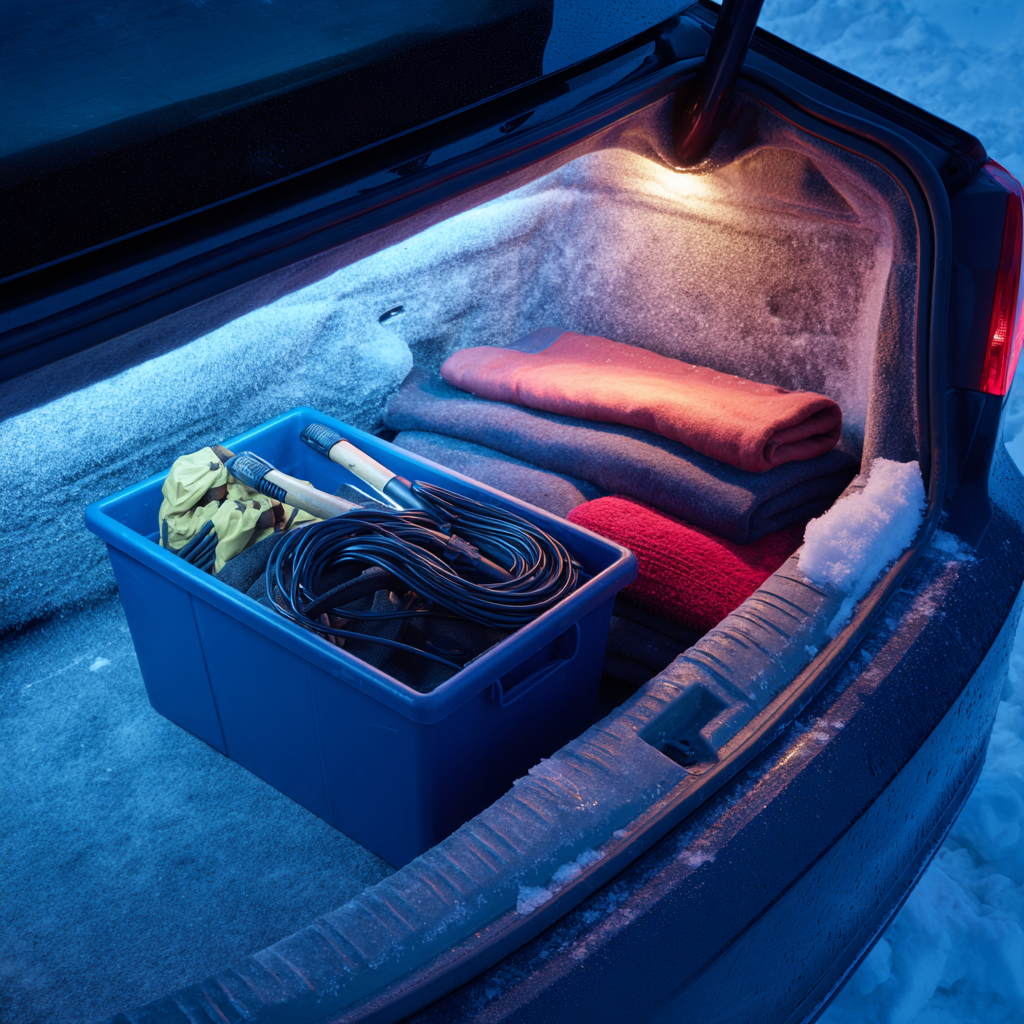
If you drive in snowy conditions, always carry a mini survival kit in your car.
Include:
- Ice scraper and snow brush
- Jumper cables
- Road flares
- Emergency blanket
- Energy snacks and water bottles
Pro Tip: Keep these in a waterproof storage bin. Learn more about seasonal car safety in Assembling the Perfect Car Emergency Kit for Winter.
Maintaining and Rotating Your Winter Survival Kit
Preparation isn’t a one-time task. Seasonal checks ensure your supplies remain effective.
Checklist:
- Replace expired food and batteries annually.
- Wash and dry all clothing before storing.
- Test flashlights, radios, and heaters every few months.
- Repack your kit before each winter season.
Final Thoughts
A properly equipped winter survival kit is more than just gear — it’s a safety plan. When temperatures drop and conditions worsen, your preparation ensures peace of mind and the ability to endure until help arrives.
Start small: gather core essentials, test your equipment, and adjust your kit to your local climate. Every step you take today strengthens your ability to protect yourself and your loved ones tomorrow.