
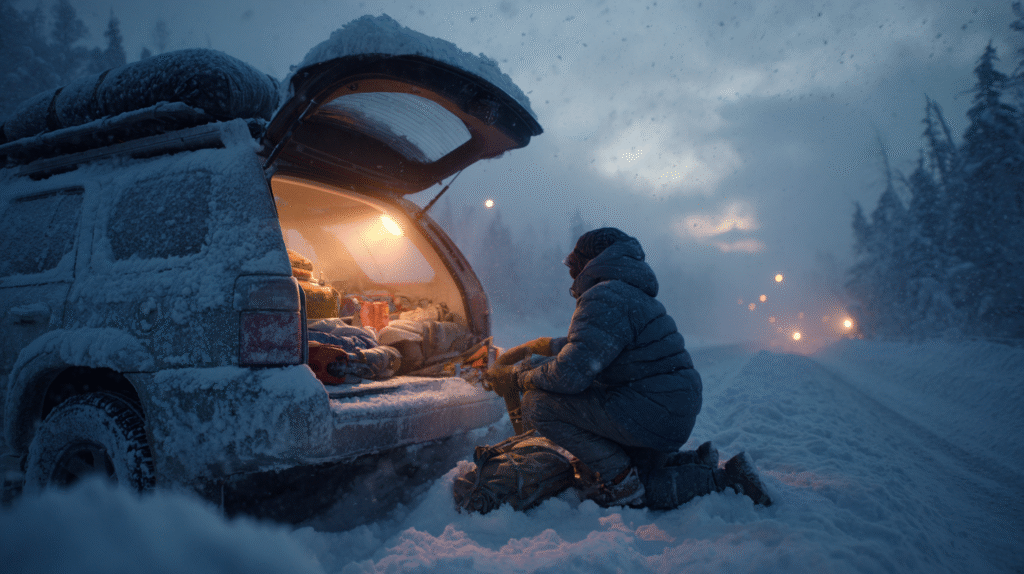
Winter driving can turn dangerous in an instant. From sudden snowstorms to icy roads and breakdowns, even short trips can become survival situations when temperatures plummet. The difference between being stranded safely or caught unprepared often comes down to one thing — having a well-equipped car emergency kit.
In this guide, you’ll learn exactly what to include in your car emergency kit for winter, how to organize it, and which essential tools and supplies could save your life on the road.
Staying prepared begins long before disaster strikes — learn more in Creating Your Ultimate Emergency Preparedness Kit: The Complete Guide for 2025.
Why a Winter Car Emergency Kit Matters
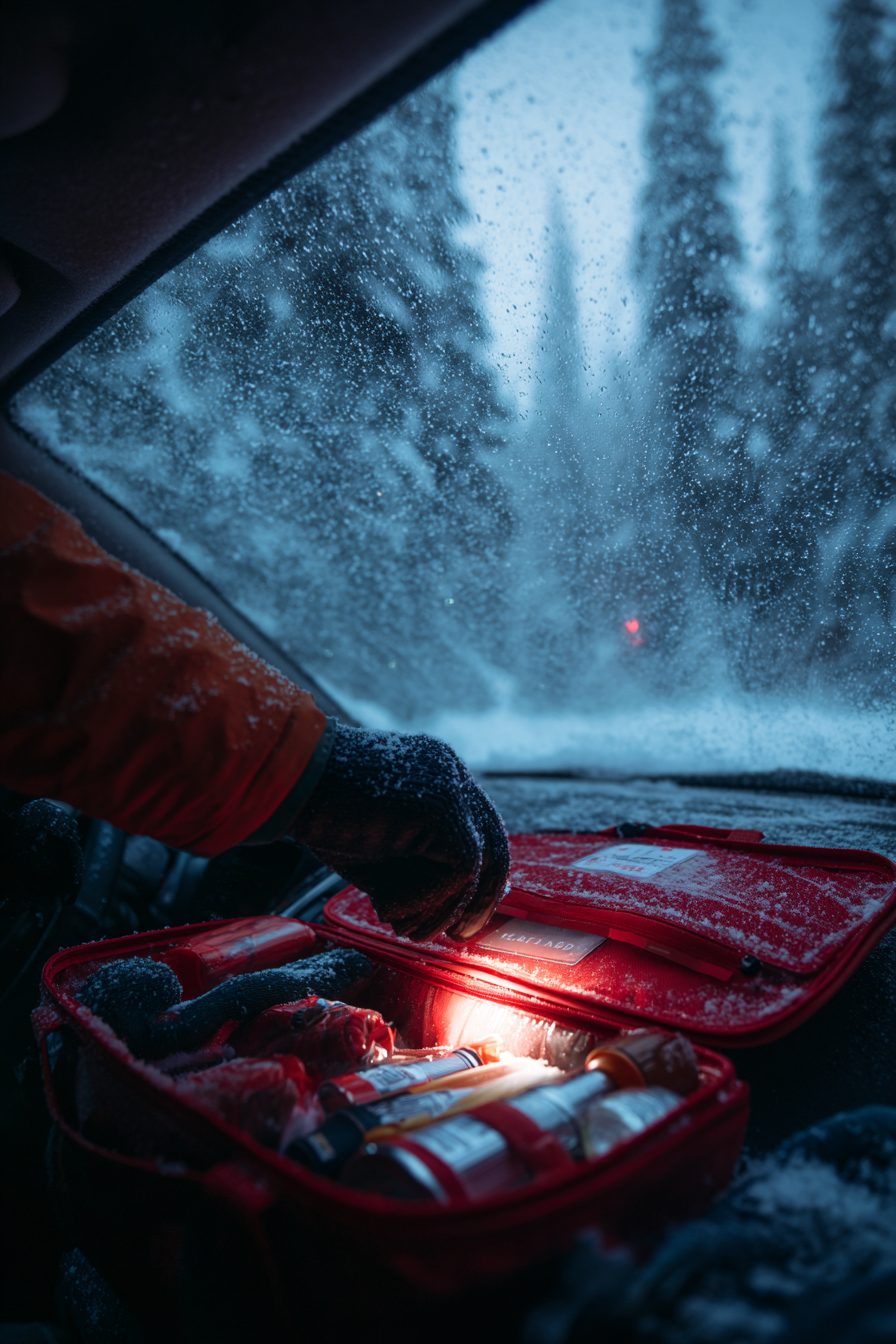
In freezing conditions, vehicle malfunctions can quickly become life-threatening. Hypothermia, frostbite, or even dehydration can set in faster than most people realize. A proper winter emergency kit provides warmth, safety, and supplies to survive for hours — or even days — until help arrives.
Essential Items for Your Car Emergency Kit
Here’s a checklist of the must-have items every driver should keep in their vehicle during winter months:
Winter Survival Essentials:
- Thermal blankets or sleeping bags – Swiss Safe Emergency Mylar Blankets retain up to 90% of body heat.
- Hand warmers – HotHands Hand Warmers provide instant, portable heat.
- Extra gloves, hats, and insulated socks.
- Ice scraper and snow brush for visibility.
- Collapsible shovel – Lifeline Aluminum Sport Utility Shovel is lightweight and compact for small trunks.
- Windshield de-icer spray and antifreeze.
Vehicle Recovery and Maintenance:
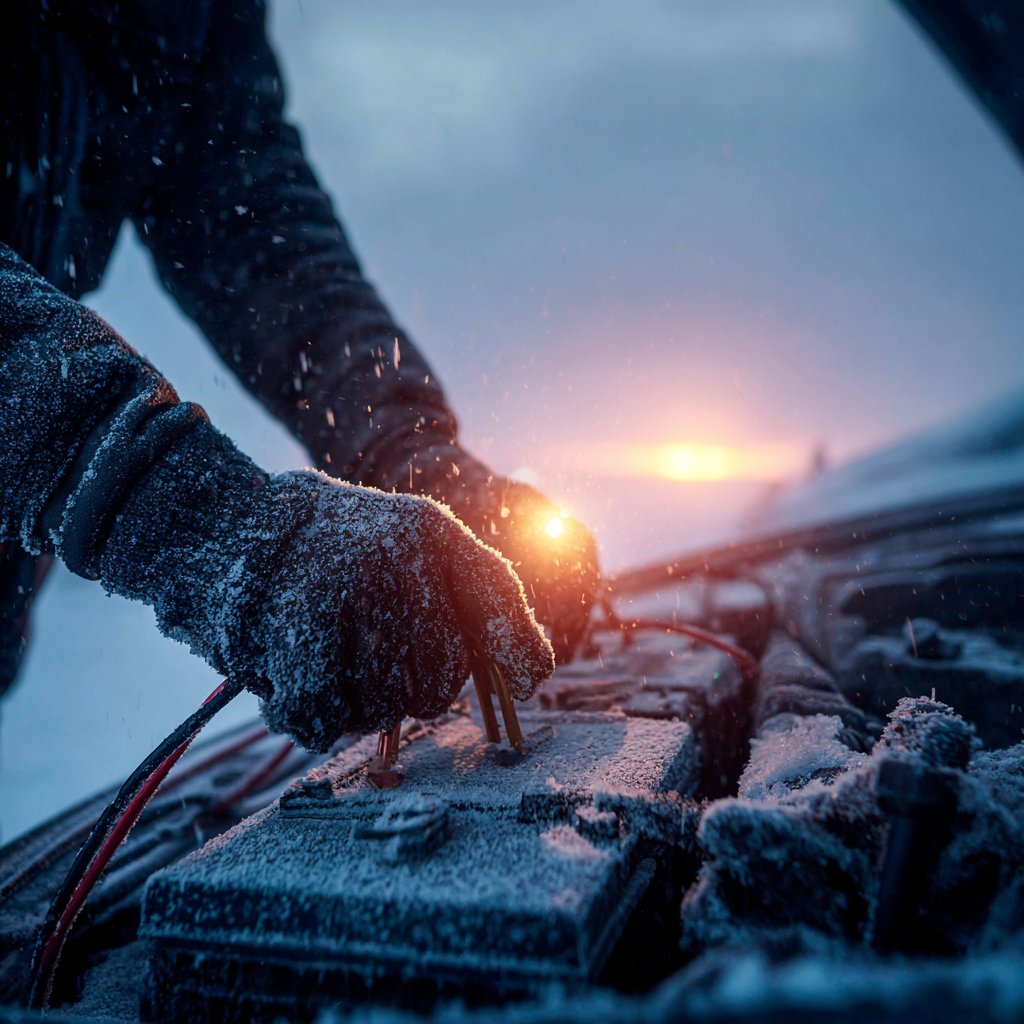
- Jumper cables or jump starter – NOCO Boost Plus GB40 Portable Jump Starter can restart dead batteries without another vehicle.
- Tire inflator and pressure gauge.
- Road flares or LED safety lights.
- Tow strap or rope rated for your vehicle’s weight.
- Basic tool kit with wrenches, pliers, and screwdrivers.
Food, Water, and Shelter:
- Bottled water or emergency pouches (rotate every 6 months).
- Non-perishable snacks like protein bars or trail mix.
- Compact cooking system – Coleman PowerPack Propane Stove provides quick heat for food or drinks.
- Waterproof matches and a small metal cup for melting snow.
Emergency and Safety Gear:
- First aid kit – Surviveware Comprehensive First Aid Kit includes over 200 medical supplies for on-the-road emergencies.
- Flashlight and extra batteries – GearLight LED Flashlight Pack is reliable for nighttime visibility.
- Whistle, mirror, and reflective vest for signaling.
- Phone charger or power bank for communication.
A complete list of survival items should always be reviewed before every trip. Learn what else to include in 10 DIY Emergency Kit Ideas You Can Make at Home.
Organizing Your Car Emergency Kit
Keep your gear divided into three clear categories for quick access:
1. Immediate Access Items:
Place hand warmers, flashlights, and blankets in the passenger cabin where they’re easy to grab.
2. Trunk Storage Items:
Tools, tire inflator, food, and water should be stored in waterproof containers or durable tote bins.
3. Seasonal Rotation:
Check expiration dates, test electronics, and rotate food and water every six months.
For efficient storage strategies, explore Long-Term Food Storage for Beginners: The Complete Guide.
Safety and Survival Techniques on the Road
If you ever become stranded, follow these key safety practices:
- Stay with your vehicle — it provides shelter and is easier for rescuers to spot.
- Run the engine periodically for heat but crack a window to prevent carbon monoxide buildup.
- Keep your exhaust pipe clear of snow and ice.
- Conserve fuel and battery power by turning off unnecessary electronics.
- Use bright clothing or reflective tape to make your vehicle visible.
Maintaining calm and conserving energy are just as vital as your gear — build these skills through Prepare for a Year-Long Blackout: Essential Survival Tactics You Need to Know.

Bonus: Winter Vehicle Maintenance Tips
Your car itself can become your biggest asset — if properly maintained. Before temperatures drop, make sure to:
- Inspect your battery, brakes, and tires.
- Top off fluids like antifreeze and oil.
- Keep at least a half tank of fuel at all times.
- Replace windshield wipers and check defrosters.
For lighting and visibility during blackouts or roadside repairs, see Emergency Lighting: From Flashlights to Solar Lanterns – Your Complete Guide.
Final Thoughts
Winter driving doesn’t have to be terrifying — as long as you’re prepared. With a well-stocked car emergency kit, you can handle breakdowns, blizzards, and freezing nights with confidence. From thermal blankets to reliable jump starters, each tool in your kit gives you a better chance of surviving comfortably until help arrives.
Preparation is power — equip your vehicle today and turn potential danger into peace of mind.