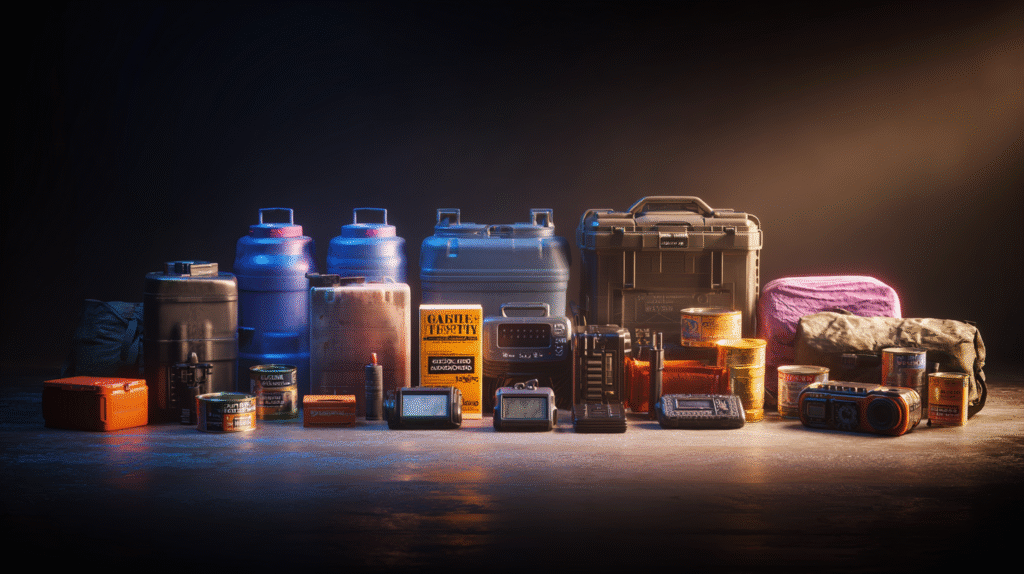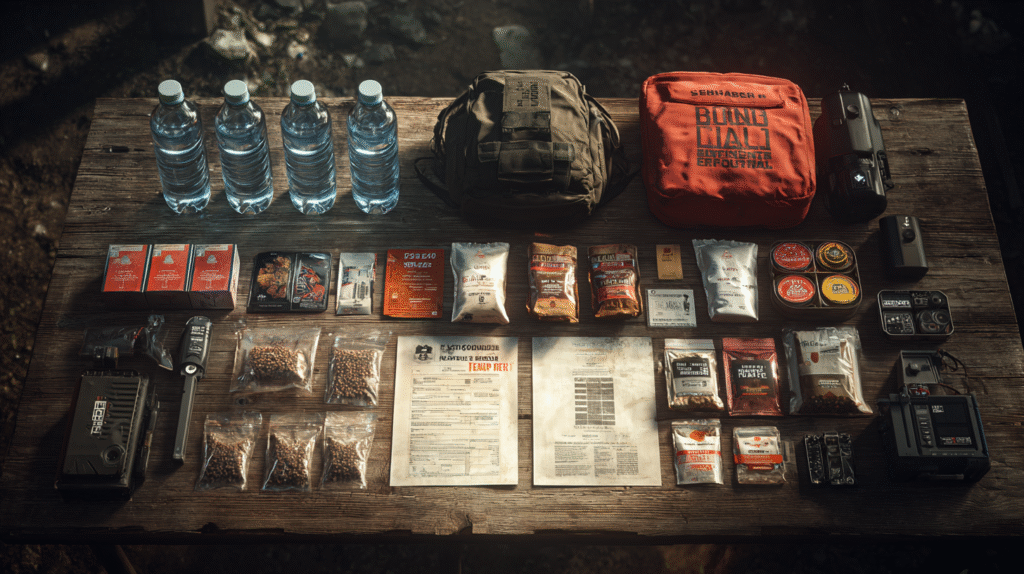
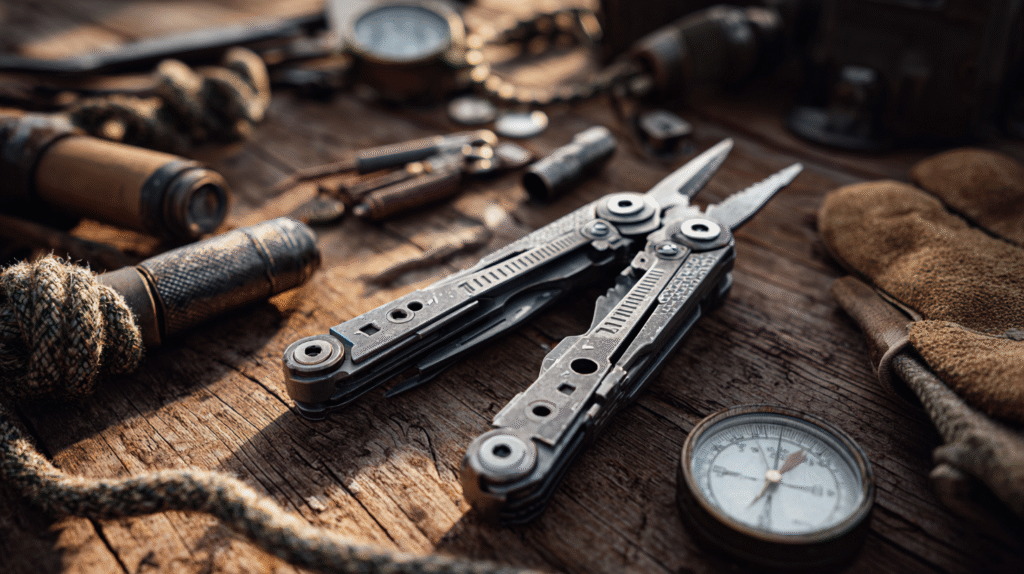
When it comes to emergency preparedness, few items are as versatile or practical as a multi-tool. This single piece of gear combines the functionality of a toolbox into a compact, portable device. In a crisis—whether it’s fixing broken gear, opening canned food, or building a temporary shelter—the right multi-tool allows you to act quickly and effectively.
For a complete breakdown of what belongs in every preparedness kit, start with our cornerstone guide on essential items for your emergency preparedness kit.
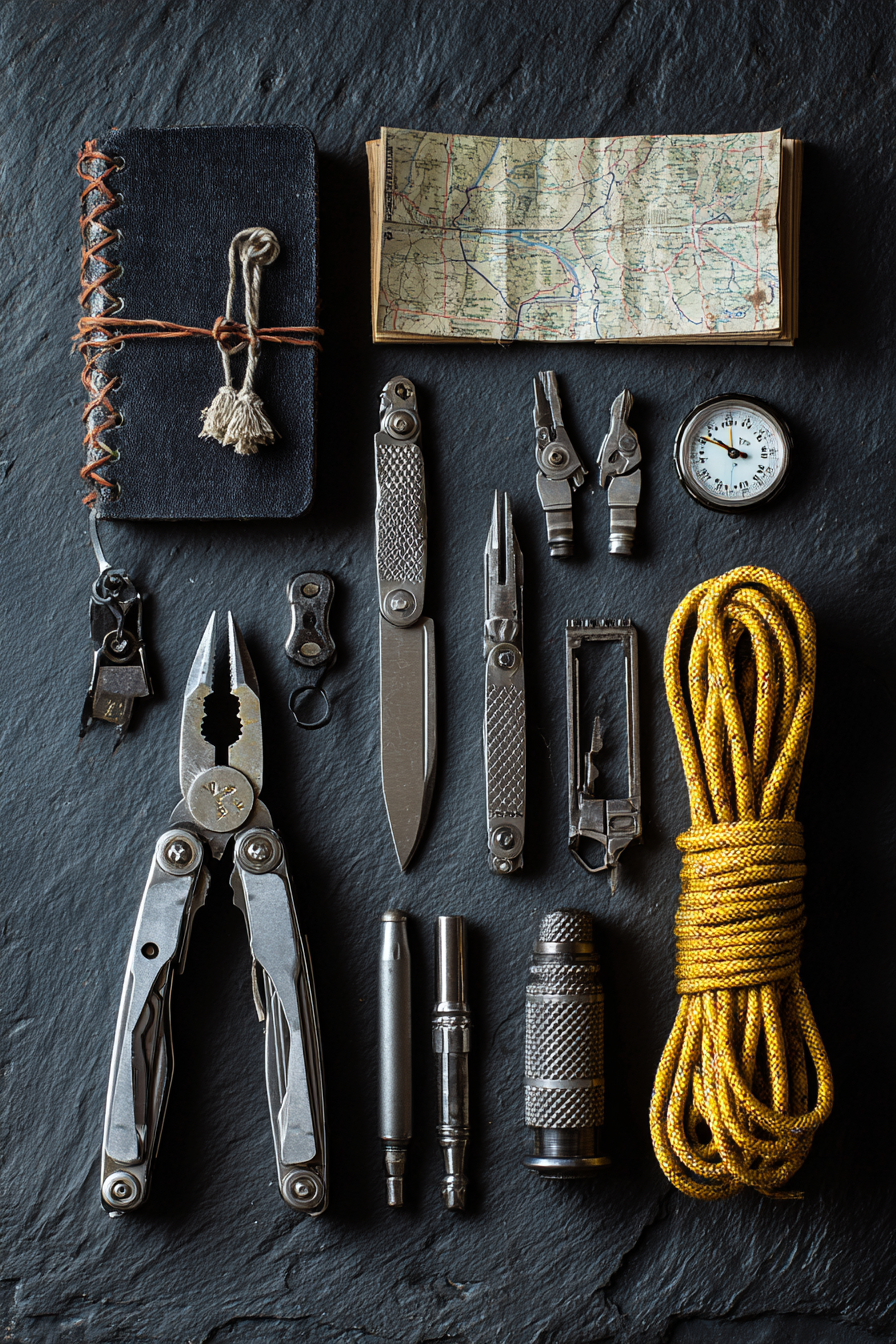
What is a Multi-Tool?
A multi-tool is a portable device that brings together several individual tools into one convenient unit. Most models include pliers, knives, screwdrivers, scissors, and can openers. Some add saw blades, files, wire cutters, or even specialty equipment like bit drivers.
The concept goes back to the Swiss Army Knife, first issued to soldiers in the late 1800s. Since then, the design has evolved into robust, modern multi-tools that are trusted by outdoorsmen, first responders, and survivalists alike.
Multi-tools fall into three categories:
- Pocket-sized models that fit on a keychain or in your pocket.
- Full-sized models with more features, best for bug out bags or car kits.
- Specialized models designed for fishing, hunting, or tactical use.
Why You Need a Multi-Tool for Emergencies
In an emergency, access to the right tool at the right time can mean the difference between a temporary setback and a life-threatening problem. Multi-tools are indispensable because they:
- Save space: Carrying a compact tool instead of a full toolbox keeps your kit lightweight.
- Provide versatility: A multi-tool lets you repair, cut, build, or open items on the go.
- Offer durability: High-quality models are designed to withstand rugged use.
- Boost confidence: Knowing you have reliable gear reduces stress and helps you act decisively.
A multi-tool is not a replacement for all your gear, but it complements other essentials such as portable cooking equipment, emergency lighting, and emergency communication devices. Together, these tools create a balanced kit that prepares you for everything from power outages to natural disasters.
Key Features to Look For in an Emergency Multi-Tool
Not all multi-tools are created equal. When choosing one for your emergency kit, keep these features in mind:
- Quality of Materials
Stainless steel construction is essential for strength and rust resistance. Cheaper alloys may fail when you need them most. - Weight and Size
Lighter models are easier to carry in a pocket or bug out bag. Larger models may provide more tools, but they also take up more space. Strike the right balance for your needs. - Variety of Tools
Look for must-have functions: pliers, knife, screwdriver, can opener, and scissors. Additional tools like a saw blade or file can be valuable but aren’t always necessary. - Locking Mechanism
A secure locking system prevents blades or tools from folding back during use, reducing the risk of injury. - Grip and Comfort
Ergonomic handles make long tasks easier and reduce hand fatigue. - Warranty and Reliability
Top brands often back their tools with multi-year or lifetime warranties, a sign of quality worth investing in.
Recommended Multi-Tools for Emergencies
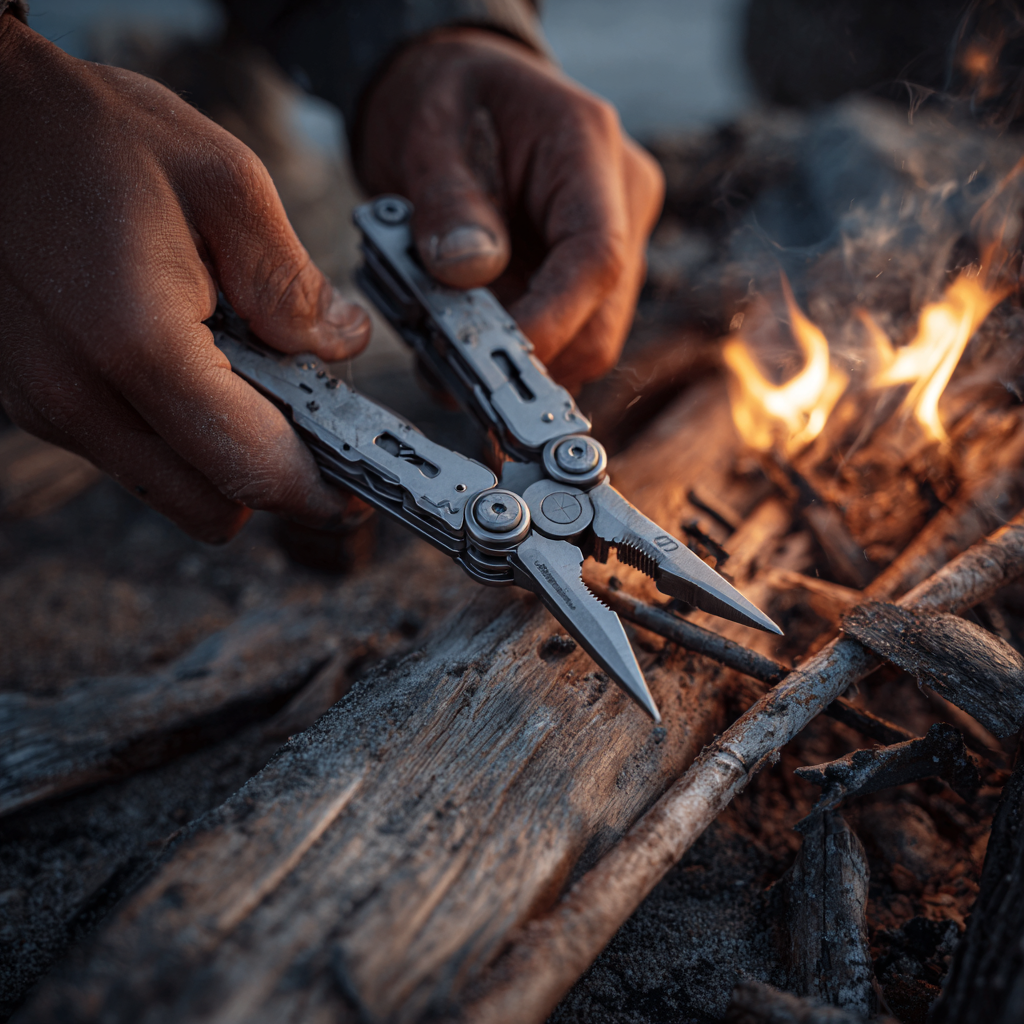
Here are three excellent options that balance durability, function, and value:
- Leatherman Wave Plus
One of the most popular multi-tools worldwide. It includes 18 tools, stainless steel construction, and a locking mechanism for safety. Ideal for serious preparedness and long-term durability. - Victorinox Swiss Army Multi-Tool
A classic choice known for reliability and compact design. Lightweight and versatile, it’s perfect for everyday carry while still offering enough functionality for emergencies. - Gerber Suspension-NXT
A budget-friendly yet reliable option with spring-loaded pliers, multiple screwdrivers, and a sturdy build. Great for adding to car kits or backup bags.
When evaluating these options, consider your budget, intended use, and how many tools you realistically need. A smaller, lighter tool may be better for a minimalist bug out bag, while a heavier, more feature-rich tool might be the right choice for home preparedness.
How to Maintain Your Multi-Tool
Even the best multi-tool won’t last if it isn’t properly cared for. Regular maintenance ensures your tool is ready when needed:
- Clean regularly: Wipe down after use, especially if exposed to dirt, saltwater, or food.
- Oil moving parts: A small drop of oil on hinges and joints keeps the tool opening smoothly.
- Sharpen blades: Dull knives are more dangerous than sharp ones. Touch up blades periodically.
- Store properly: Keep your multi-tool in a dry pouch or sheath to prevent rust and damage.
- Practice using it: Familiarity builds confidence. Try out the pliers, knife, and screwdrivers before relying on them in an emergency.
Integrating a Multi-Tool Into Your Emergency Strategy
A single multi-tool can be helpful, but strategic placement across your preparedness kits ensures you always have one when you need it. Consider:
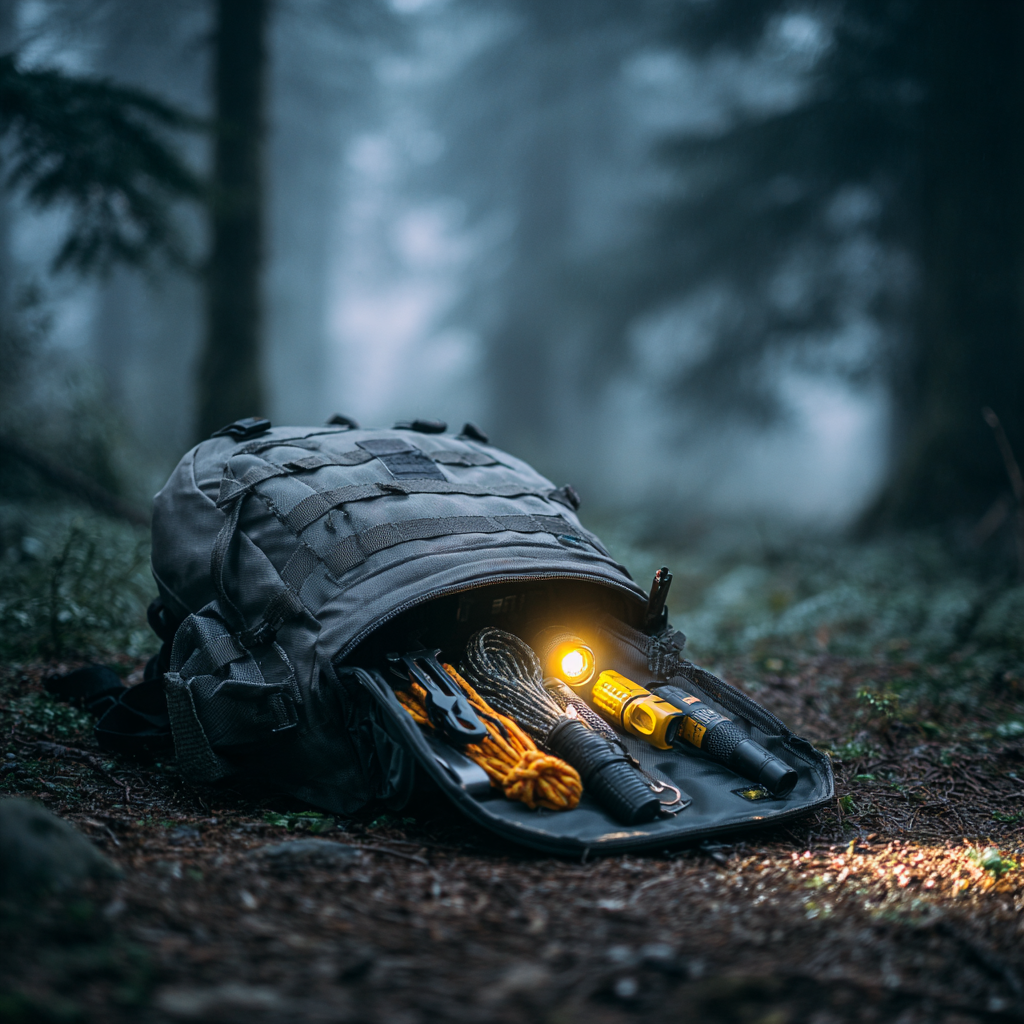
- Bug Out Bag: A multi-tool is a must for quick repairs, fire starting, or food preparation. For a complete packing list, see our guide on bug out bag essentials.
- Car Emergency Kit: Keep a backup multi-tool in your vehicle alongside jumper cables and reflective gear. Learn more in our article on assembling a car emergency kit.
- 72-Hour Emergency Kit: Store a multi-tool with your core survival gear to handle unexpected challenges in the first days of a crisis. Explore our guide on building a 72-hour emergency kit.
- Home Kit: Having one in your main emergency supply area ensures you can perform small tasks without digging through other tools.
A multi-tool also belongs in your larger ultimate survival gear list, where it fits perfectly alongside fire starters, flashlights, and water filters.
Conclusion
A multi-tool is more than just a gadget—it’s one of the most valuable and adaptable tools in your entire preparedness arsenal. Whether you’re tightening screws, opening cans, cutting cordage, or building shelter, the right multi-tool saves time, space, and energy.
Choosing a high-quality model, maintaining it regularly, and placing it in your critical kits ensures that you’ll always be equipped when emergencies arise. Preparedness is about readiness and confidence, and a trusted multi-tool delivers both.
For a full checklist of gear that complements your multi-tool, finish with our cornerstone guide on the top 10 must-have items in your disaster supply kit.