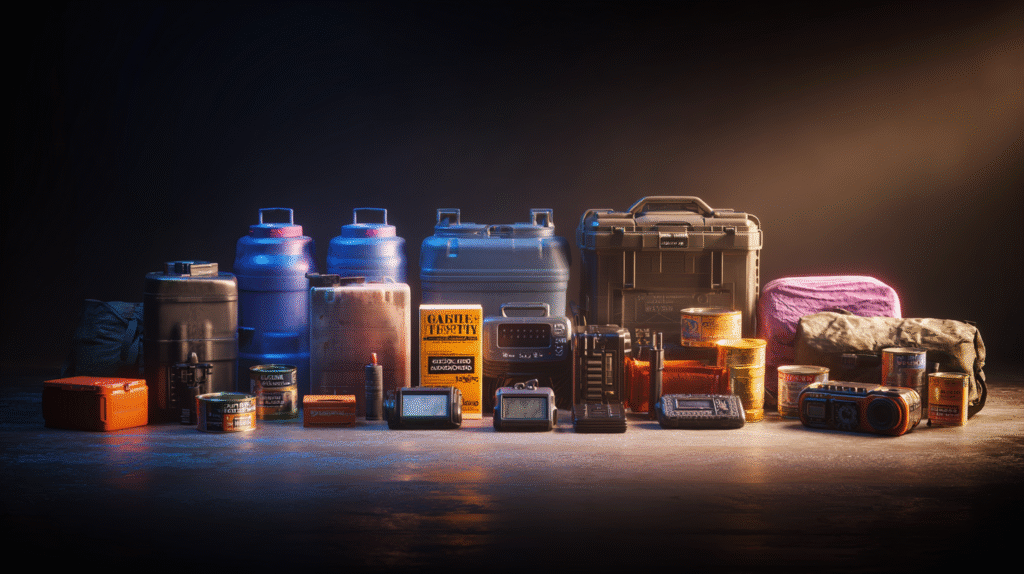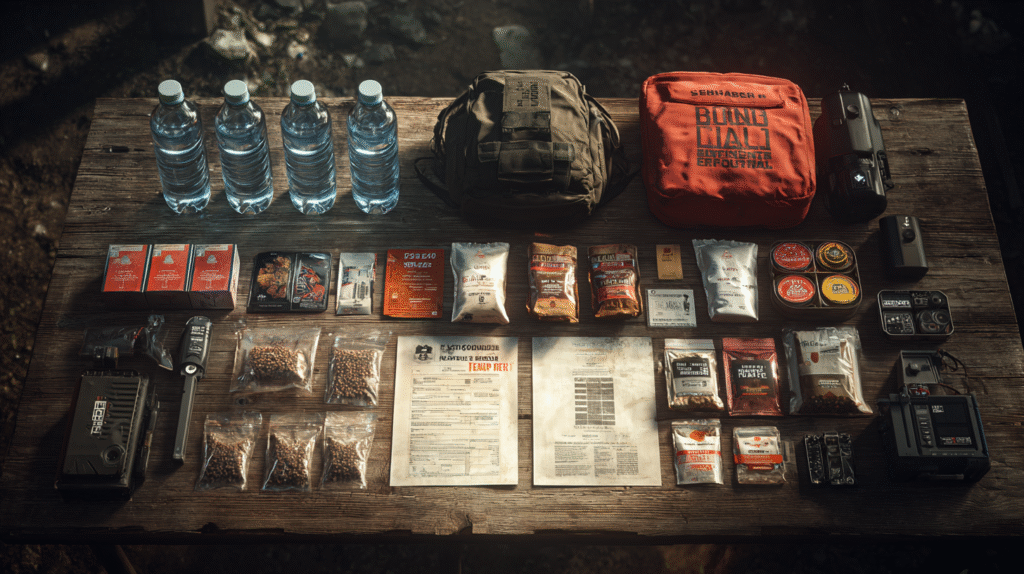

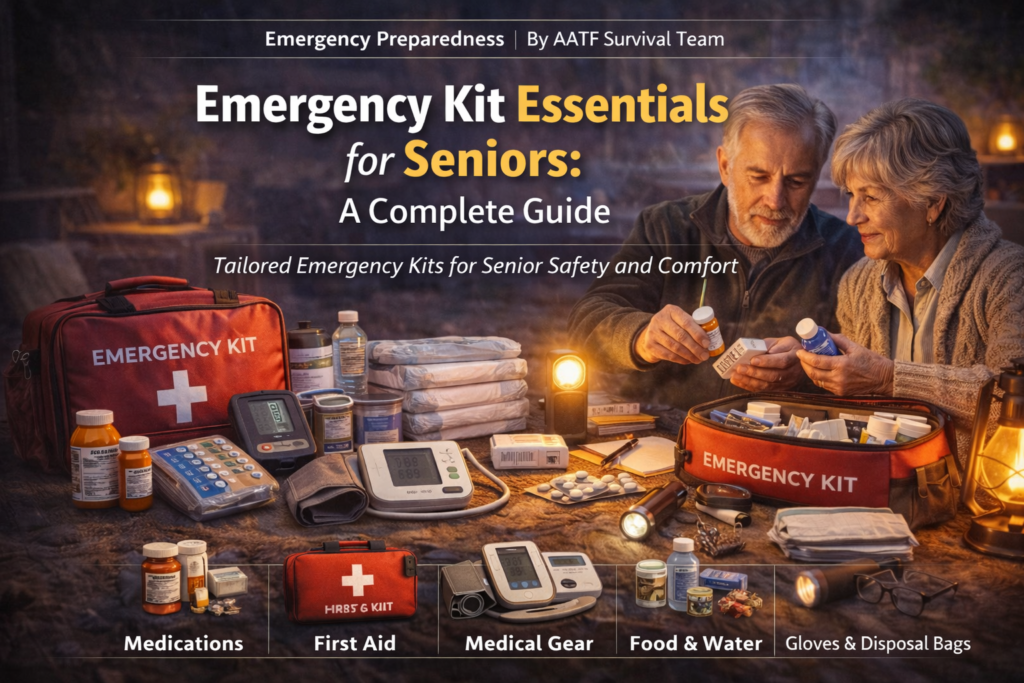
Emergencies can strike without warning—natural disasters, blackouts, or medical crises. For seniors, preparedness isn’t just smart—it’s essential. Having an emergency kit specifically tailored to the needs of older adults can make a life-saving difference.
As we age, factors like mobility limitations, medical conditions, and dietary restrictions mean a one-size-fits-all emergency kit won’t do. A personalized approach ensures safety, comfort, and confidence when the unexpected happens. For an overview of essential gear that every household should have, start with essential items for your emergency preparedness kit.
Understanding Senior Needs
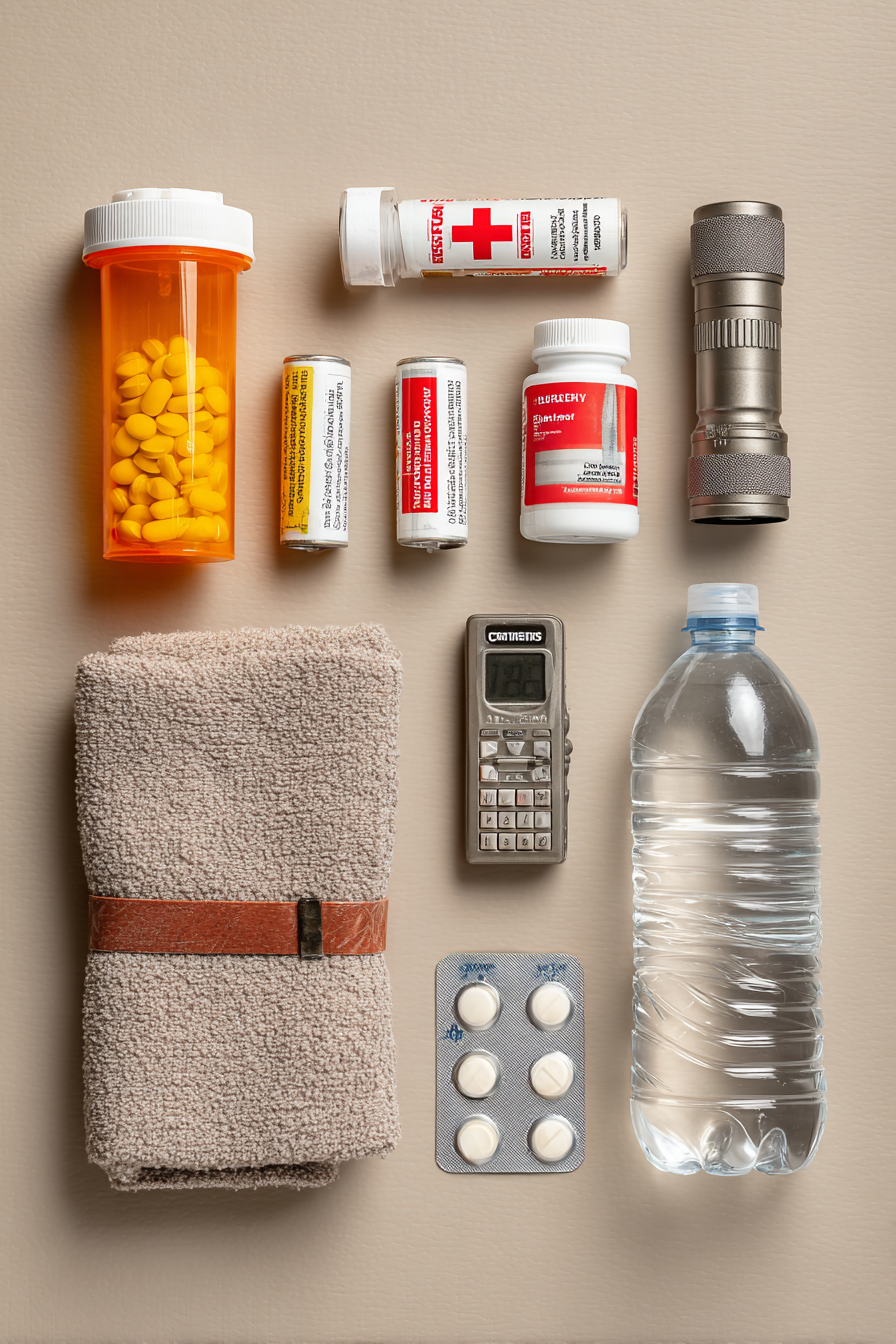
Seniors have unique health and lifestyle requirements that must be factored into emergency planning. Their kits should account for:
- Medications: Always pack at least a seven-day supply of all prescription and over-the-counter medications. Store them in clearly labeled containers and include dosage instructions.
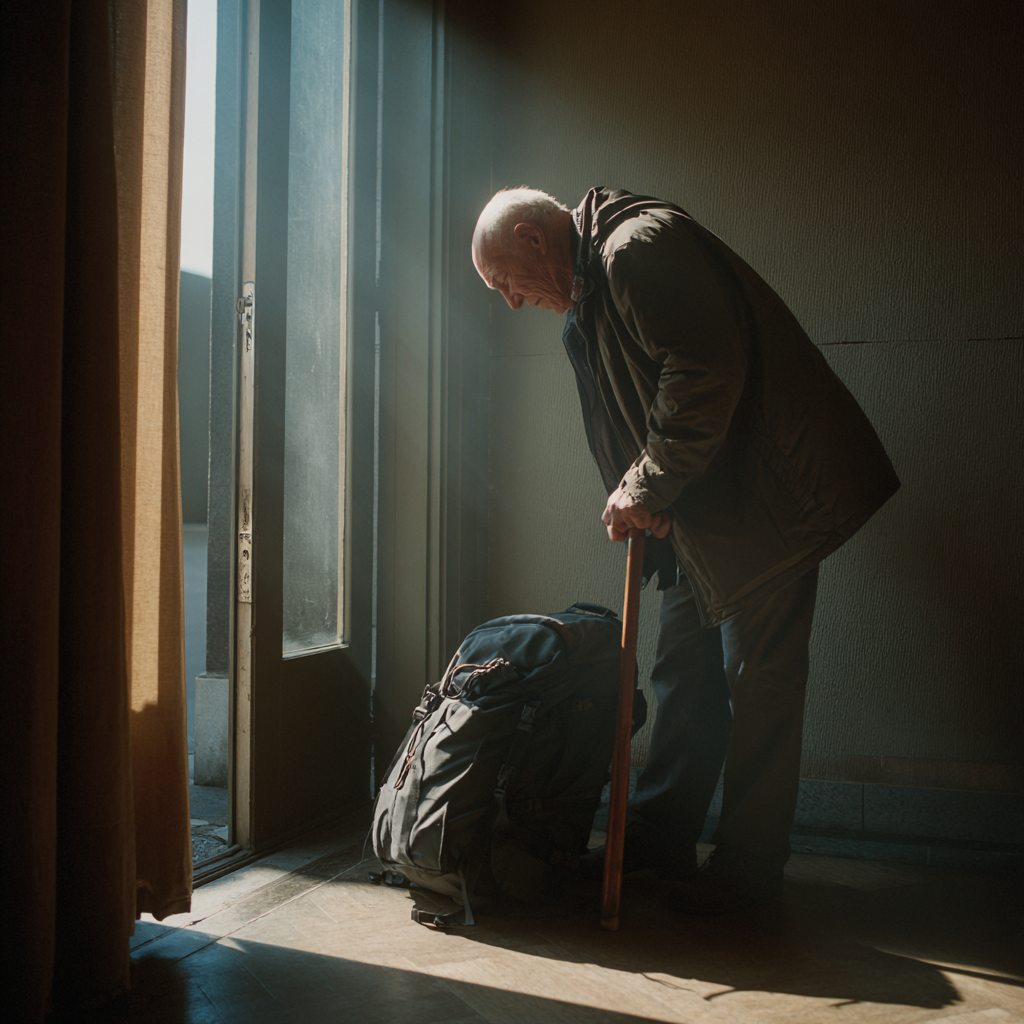
- Mobility Aids: Items such as canes, walkers, or wheelchairs must be readily accessible. If possible, keep a backup cane or travel-sized mobility device in the kit.
- Medical Information: Maintain a printed list of medications, allergies, chronic conditions, and emergency contacts in a waterproof sleeve.
For a step-by-step look at how to organize your supplies, check out how to maintain and update your emergency kit.
Essential Supplies for the Emergency Kit
Beyond personal medical needs, seniors should have basic survival items that ensure comfort and safety in a crisis.
Lighting and Power
When the lights go out, visibility becomes critical. A bright, easy-to-grip flashlight like the Eveready LED Flashlight provides dependable illumination. Keep extra batteries or a rechargeable option nearby.
For continuous updates and power, include a Midland Portable Emergency Weather Radio that doubles as a hand-crank charger—ideal for staying informed during long outages.
Food and Water
Hydration and nutrition are vital during emergencies, especially for seniors who may have dietary restrictions.
- Water: Aim for one gallon per person per day for at least three days. Use sealed jugs or water pouches for long-term storage.
- Non-Perishable Food: Choose soft, easy-to-open foods like canned soups, applesauce, or protein bars. KIND Protein Bars offer energy and nutrition in compact packaging.
To learn long-term food storage and rotation techniques, visit long-term emergency food supply: what to stock up on.
First Aid and Health Supplies
A reliable first aid kit ensures small injuries don’t become major problems. The Adventure Medical Kits Mountain Series includes wound care, antiseptic, and medication essentials in a durable, easy-to-carry case.
Include:
- Adhesive bandages and gauze pads
- Antiseptic wipes or creams
- Gloves and tweezers
- Pain relievers and any prescription backups
For a deeper guide on first aid setup, see comprehensive first aid kit supplies for any emergency.
Comfort and Emotional Support
In stressful situations, comfort can go a long way toward maintaining calm and mental well-being.
- Blankets: Soft, warm blankets like the Amazon Basics Fleece Blanket provide warmth and comfort in cold or dark conditions.
- Personal Items: Include photos, prayer books, or small mementos that bring familiarity.
- Entertainment: Crossword puzzles, books, or a deck of cards can reduce anxiety and pass the time.
For additional comfort ideas, review essential items for your emergency hygiene kit, which includes personal care and cleanliness supplies.
Communication Tools
Staying connected and informed can make all the difference during an emergency. Seniors should have communication devices that are simple to use and easy to operate.
- Battery-Operated or Hand-Crank Radio: A Midland Portable Emergency Weather Radio ensures access to weather alerts and news updates.
- Portable Power Bank: The Anker PowerCore Portable Charger keeps phones charged when power is out.
- Emergency Whistle: A simple whistle is one of the most effective low-tech signaling tools for help.
Learn more about lifesaving communication options in top emergency communication devices for disaster scenarios.
Planning for Mobility and Evacuation
For seniors with limited mobility, evacuating quickly can be challenging. Plan ahead with tools and strategies that make movement safer and faster.
- Backpack or Rolling Bag: The Teton Sports Scout 3400 Backpack provides ample space and stability for carrying essential gear.
- Portable Walking Cane: Lightweight, foldable canes add balance and mobility during evacuation.
- ID and Contact Card: Attach a waterproof ID card with the senior’s name, address, and emergency contact info to their bag or mobility aid.
You can find more mobility-focused preparation in emergency shelter options: from tents to DIY solutions, which discusses accessible shelter setups for all ages.
Conducting Regular Reviews
Even the best emergency kit needs maintenance. Review your kit every six months and after any major seasonal change.
- Check expiration dates on medications and food.
- Test all electronics—flashlights, radios, chargers—to ensure functionality.
- Revisit medical needs if prescriptions or health conditions change.
- Involve family members so everyone knows where the kit is and how to use it.
Pair this routine with insights from how to maintain and update your emergency kit, which provides a full inspection schedule.
Conclusion
A well-prepared emergency kit for seniors provides more than supplies—it delivers peace of mind. By including medications, mobility aids, communication tools, and comfort items, you ensure safety and confidence when it matters most.
Don’t wait for a crisis to act—start building your kit today. With regular maintenance, thoughtful customization, and a clear plan, you’ll empower the seniors in your life to stay secure and independent through any challenge.
For a broader look at readiness across all age groups, read our cornerstone post on top 10 must-have items in your disaster supply kit.