
When an emergency forces you to leave home quickly, every second counts. Whether it’s a wildfire sweeping through your community, a hurricane making landfall, or civil unrest threatening safety, a bug-out bag ensures you can evacuate with the essentials you need to survive.
The Federal Emergency Management Agency (FEMA) and the Red Cross both emphasize the importance of a go-bag ready to support your family for at least seventy-two hours. Those who prepare in advance are not left scrambling during chaos—they can move with confidence.
For a broader overview of preparedness, start with our cornerstone guide on essential items for your emergency preparedness kit.
Why a Bug Out Bag is Essential
Emergencies rarely give warning. In New Orleans after Hurricane Katrina, thousands of people were forced to flee with little more than what they could carry. During California wildfires, entire neighborhoods have been evacuated with only minutes’ notice. A well-packed bug out bag bridges the gap between leaving home and reaching safety.
Beyond meeting survival needs, having a bag ready provides psychological comfort. Knowing your family has food, water, shelter, and medical supplies reduces panic and allows you to focus on making sound decisions.
To explore a complete supply breakdown, see our cornerstone post on the top 10 must-have items in your disaster supply kit.
1. Water and Filtration
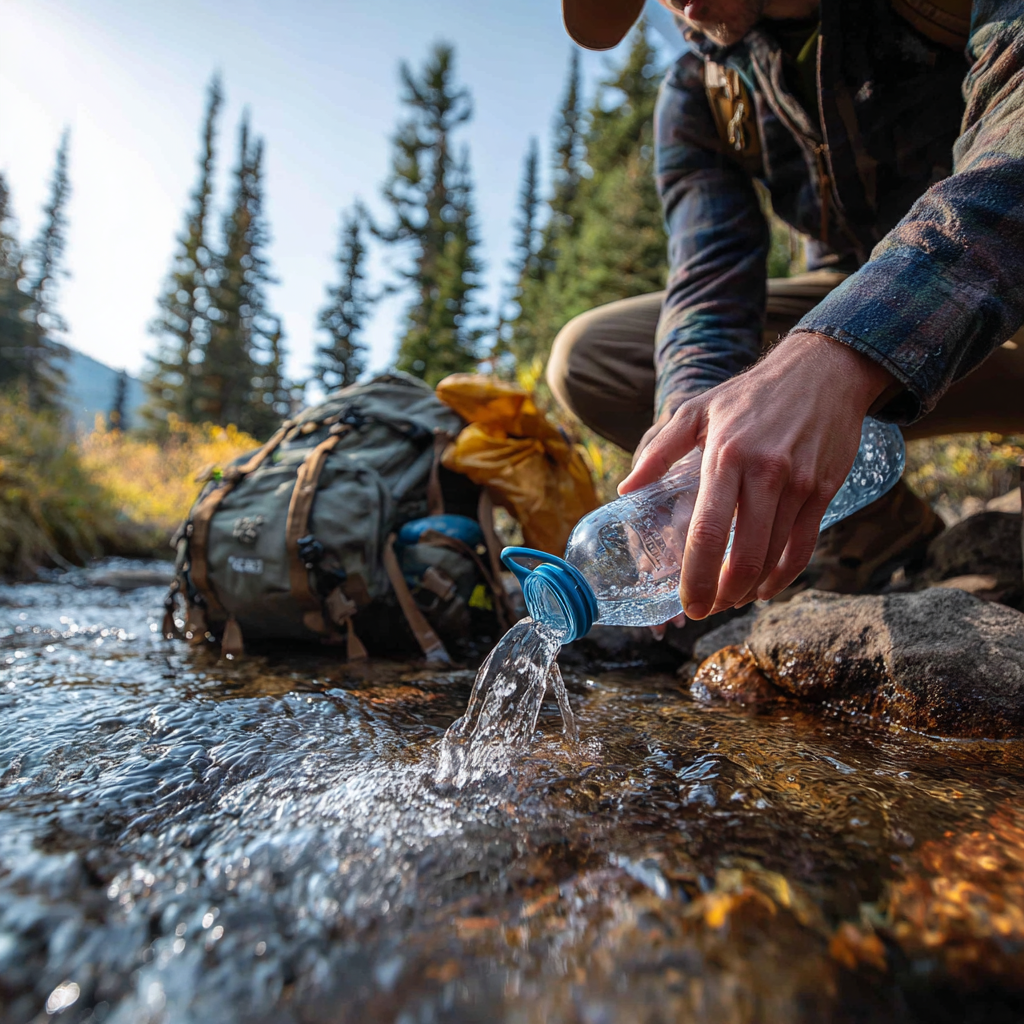
Water is life. You can survive weeks without food but only three days without hydration. FEMA recommends storing one gallon per person per day, but carrying that much is impractical during evacuation. That’s why filtration is crucial.
A compact filter like the LifeStraw Personal Water Filter lets you safely drink from rivers, streams, and rain barrels, removing 99.9999% of waterborne bacteria. Pair it with collapsible water bottles, which save space when empty yet give you storage when filled.
Consider also packing purification tablets for backup. These are lightweight, inexpensive, and highly effective against bacteria and viruses.
For expanded strategies, read our guide on water purification methods. If you’re planning for long-term storage at home, our pillar on long-term food storage for beginners explains how to stockpile water effectively.
2. Non-Perishable Food
A bug out bag should contain compact, calorie-dense food to keep you energized. Freeze-dried meals are ideal because they are lightweight, shelf-stable, and easy to prepare. The ReadyWise Emergency Food Supply provides meals that last up to twenty-five years and only require water.
Energy bars such as CLIF Builder’s Protein Bars are another excellent option, giving quick calories while on the move. Nut butters, trail mix, and dried fruit add healthy fats, protein, and natural sugars.
Aim for around 2,000 calories per person per day. Pack enough for three days, and rotate your supplies every six months to ensure freshness.
For more details, check out our supporting posts on emergency food supply and best non-perishable food items for your emergency kit. For prepackaged long-term options, see our pillar post on best survival food kits for preppers.
3. First Aid Kit
Injuries are common during evacuations. Cuts, burns, sprains, and dehydration-related issues are all possibilities when you’re on the move. A reliable first aid kit gives you the tools to stabilize conditions until professional help is available.
The Everlit Survival First Aid Kit is compact yet comprehensive, covering hundreds of potential medical needs. Add personal prescriptions, allergy medications, and other family-specific items.
Do not forget masks, gloves, and a thermometer—lessons underscored during the COVID-19 pandemic. Over-the-counter options like ibuprofen, acetaminophen, and anti-diarrheal tablets are also vital.
For a detailed list of recommendations, visit our post on first aid kit supplies.
4. Emergency Shelter
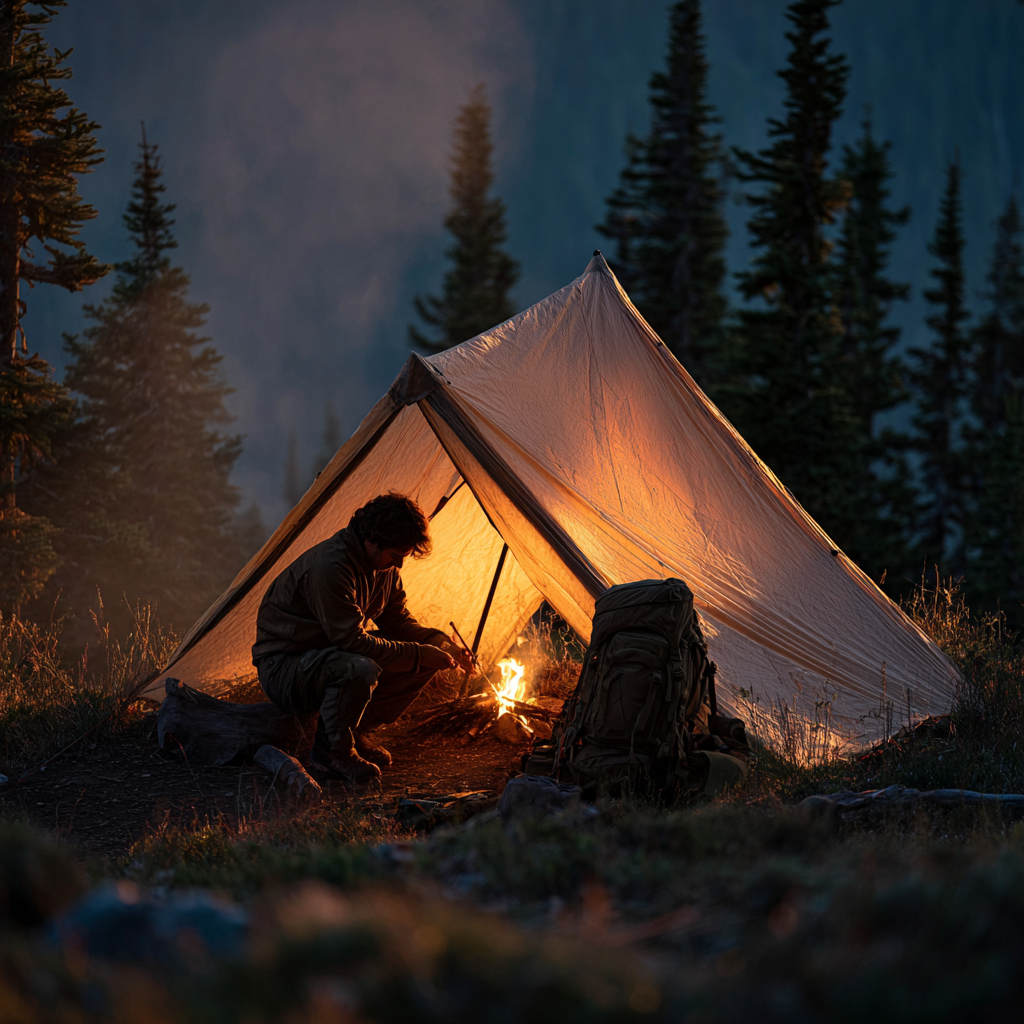
Exposure to the elements can be deadly in hours. A lightweight, packable shelter is essential for any bug out bag.
The SOL Emergency Bivvy reflects body heat to keep you warm and dry, while the Wise Owl Outfitters Rain Tarp can serve as a roof, ground cover, or windbreak.
For colder climates, pack insulated layers and chemical hand warmers. In hotter regions, focus on shade and ventilation.
See our dedicated article on emergency shelter options.
5. Tools and Gear
The right tools give you adaptability. A multi-tool like the Leatherman Wave Plus provides pliers, knives, screwdrivers, and more in one device. Add a fixed-blade knife for heavy-duty work.
Fire-starting tools are another must. A ferro rod fire starter works even in wet conditions, ensuring you can boil water, stay warm, and cook food.
Paracord, duct tape, and a compact saw expand your ability to build shelters, repair equipment, or improvise tools.
Check out our posts on ultimate survival gear list.
6. Clothing and Footwear
Your clothing can make the difference between comfort and misery. Always pack extra socks—blisters and wet feet can end an evacuation fast. Moisture-wicking hiking socks help prevent blisters and keep feet dry.
Durable pants such as Under Armour Tactical Pants are both comfortable and functional for long treks. Layering is essential: lightweight shirts for hot climates, insulating layers for cold, and waterproof shells for rain.
Adapt your bag seasonally—rotate gear before summer and winter to stay climate-ready.
Packing Strategy and Maintenance
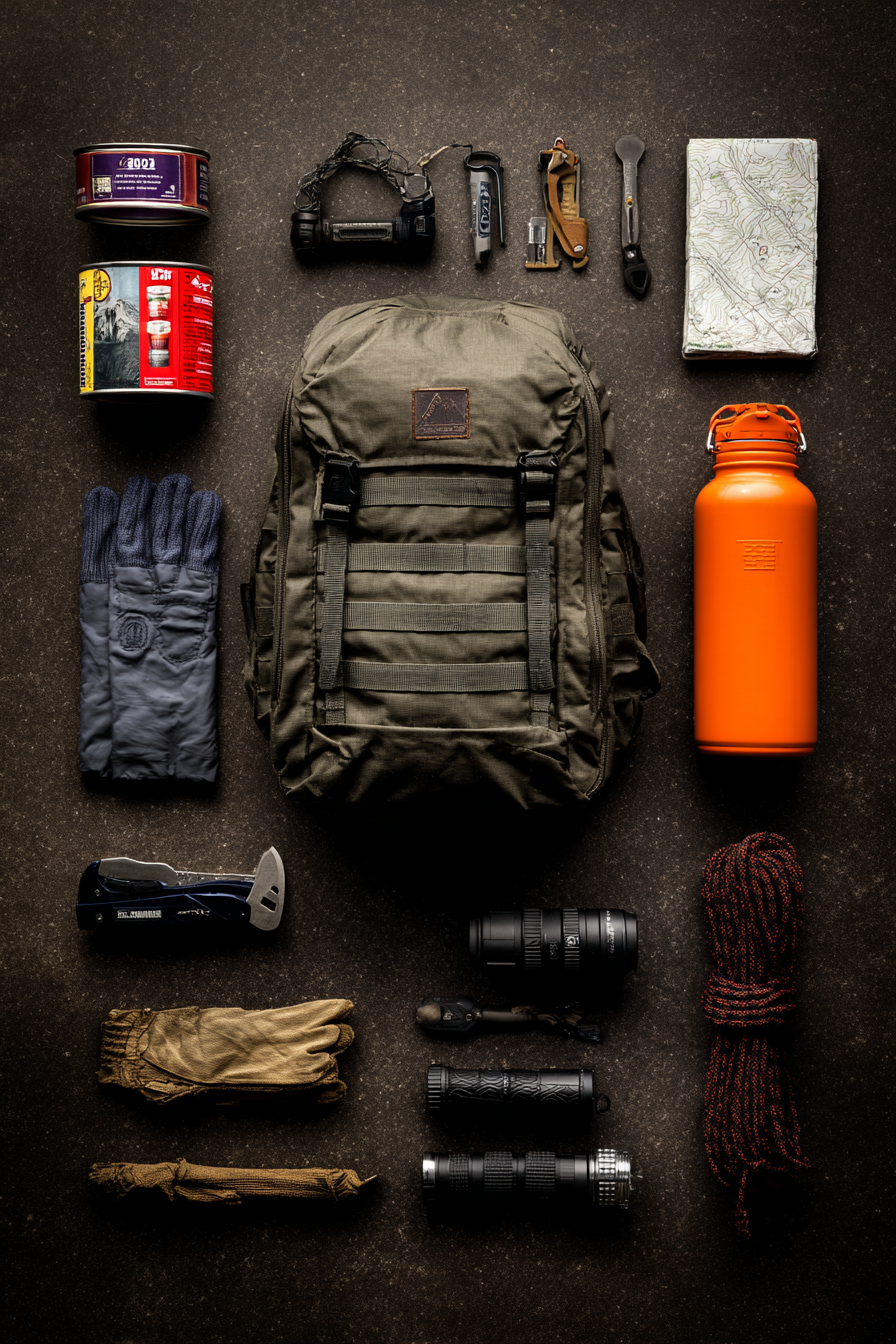
Packing a bug out bag is both art and science. Follow the principle of lightweight, multifunctional items. Place heavier gear close to your spine and lighter items on top for balance.
Test your pack by hiking with it. If it feels too heavy after a few miles, trim unnecessary items. Remember, every ounce counts.
Check your bag every six months. Replace expired food and medications, test your light sources, and update clothing for seasonal needs.
For more on keeping your kit ready, see our guide on emergency kit maintenance and compare with our 72-hour emergency kit checklist.
Conclusion
A bug out bag is more than a backpack—it’s your family’s lifeline during sudden emergencies. By preparing water, food, medical supplies, shelter, tools, and proper clothing, you ensure that no matter what comes, you can move quickly and survive confidently.
Don’t wait for a crisis to strike. Start building your bug out bag today, customize it to your family’s needs, and update it regularly.