
Emergencies rarely happen when it’s convenient. Whether you’re at home, on the road, or outdoors, accidents and health issues can occur without warning. Having a well-stocked first aid kit gives you the confidence to respond quickly and effectively, even when medical help isn’t immediately available.
A comprehensive kit is more than just bandages—it’s your frontline defense against infection, pain, and complications. For a wider breakdown of essential preparedness gear, start with our cornerstone guide on essential items for your emergency preparedness kit.
Why a Comprehensive First Aid Kit Matters
Every emergency kit should include food, water, and shelter items—but first aid supplies are equally vital. In disaster scenarios, hospitals may be overwhelmed or inaccessible. During the “golden hour” after an injury, your ability to stabilize a wound or reduce pain can save lives.
From minor scrapes to major cuts, sprains, burns, and allergic reactions, the right supplies make all the difference. A well-designed kit ensures you’re ready for injuries at home, on the road, or during evacuation.
Essential First Aid Kit Supplies
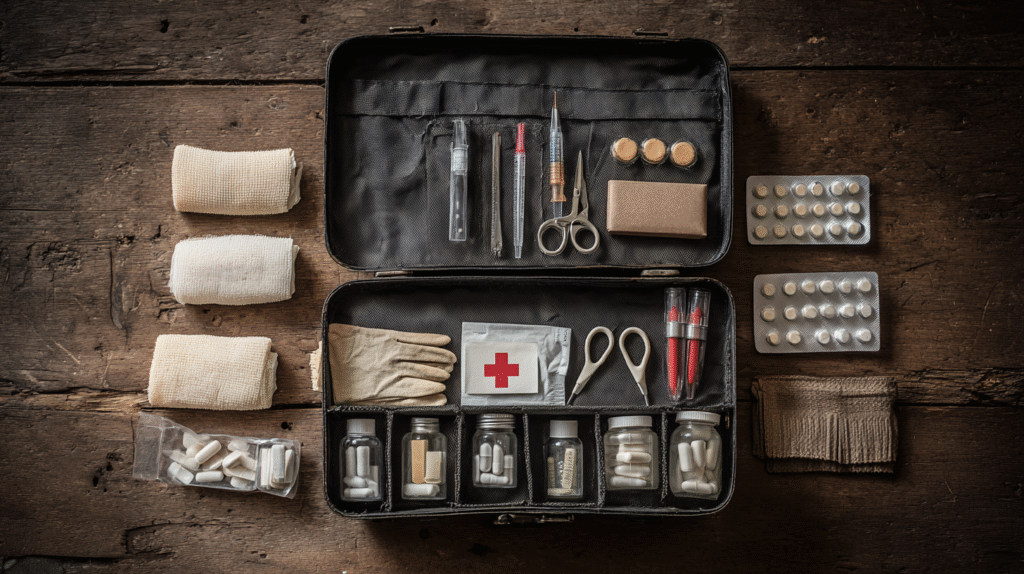
To build a truly comprehensive kit, include items that address a wide range of situations:
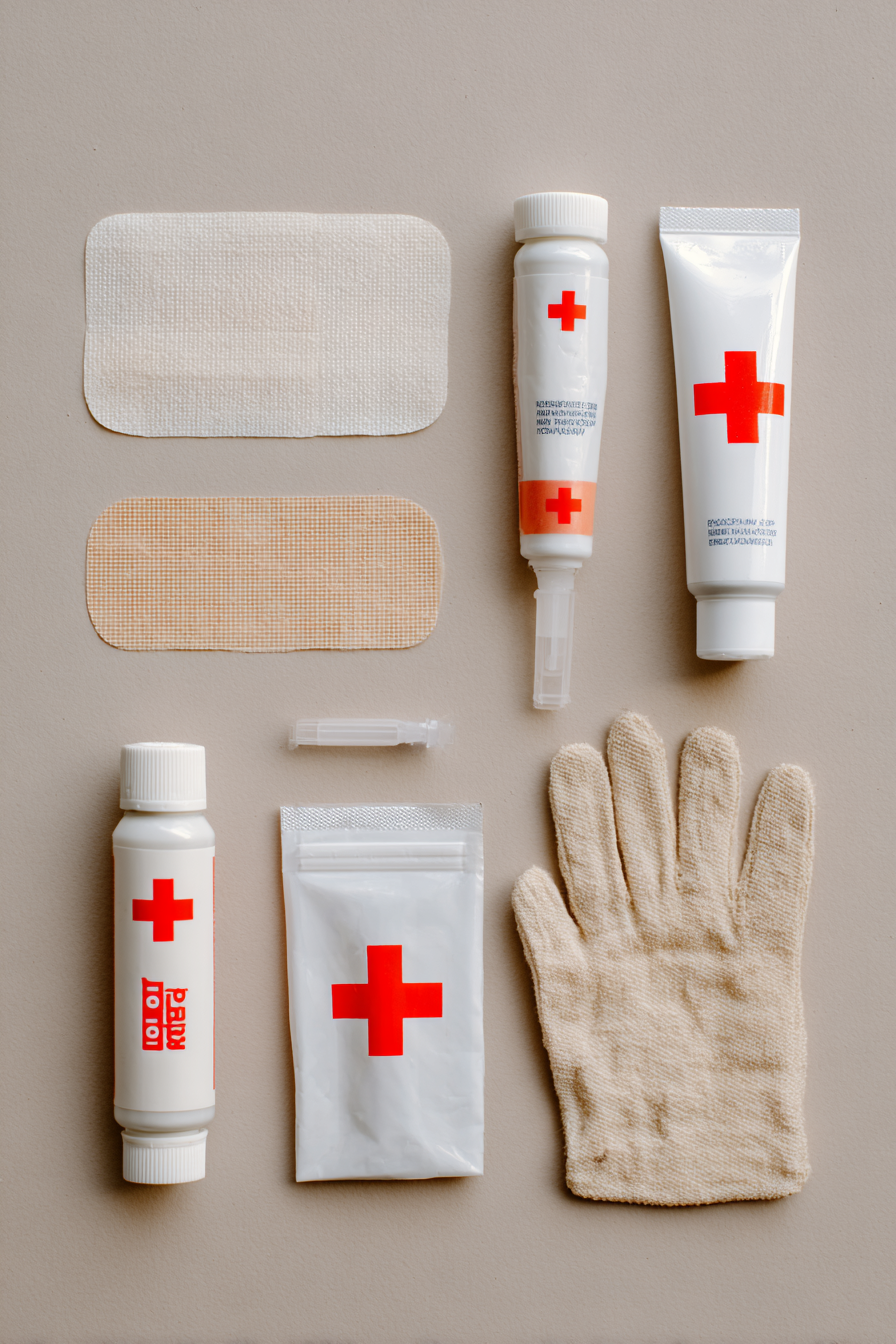
- Adhesive Bandages: For covering small cuts and scrapes; waterproof versions and butterfly closures expand versatility.
- Antiseptic Wipes: Quick cleaning when soap and water aren’t available.
- Gauze Pads and Adhesive Tape: Crucial for larger wounds; gauze absorbs fluids while tape secures dressings.
- Antibiotic Ointment: Prevents infections in minor injuries and promotes healing.
- Instant Cold Packs: Reduce swelling and pain from sprains, strains, or insect bites.
- Pain Relievers: Include acetaminophen, ibuprofen, and aspirin for headaches, fever, or inflammation.
- Scissors or Trauma Shears: Needed to cut gauze, tape, or clothing during emergencies.
- Medical Gloves: Protect yourself and others while treating wounds.
- CPR Face Shield: Allows safe rescue breaths during CPR.
- Tweezers: Remove splinters, ticks, or shards of glass.
- Thermometer: A digital thermometer helps monitor illness accurately.
- First Aid Manual: Offers quick, step-by-step guidance when stress levels are high.
- First Aid Kit Bag: A durable, waterproof case keeps supplies organized and ready to go.
Many of these items overlap with general survival gear. For example, gloves, tape, and scissors are also useful in broader preparedness kits like your bug out bag essentials.
Recommended First Aid Kits and Products
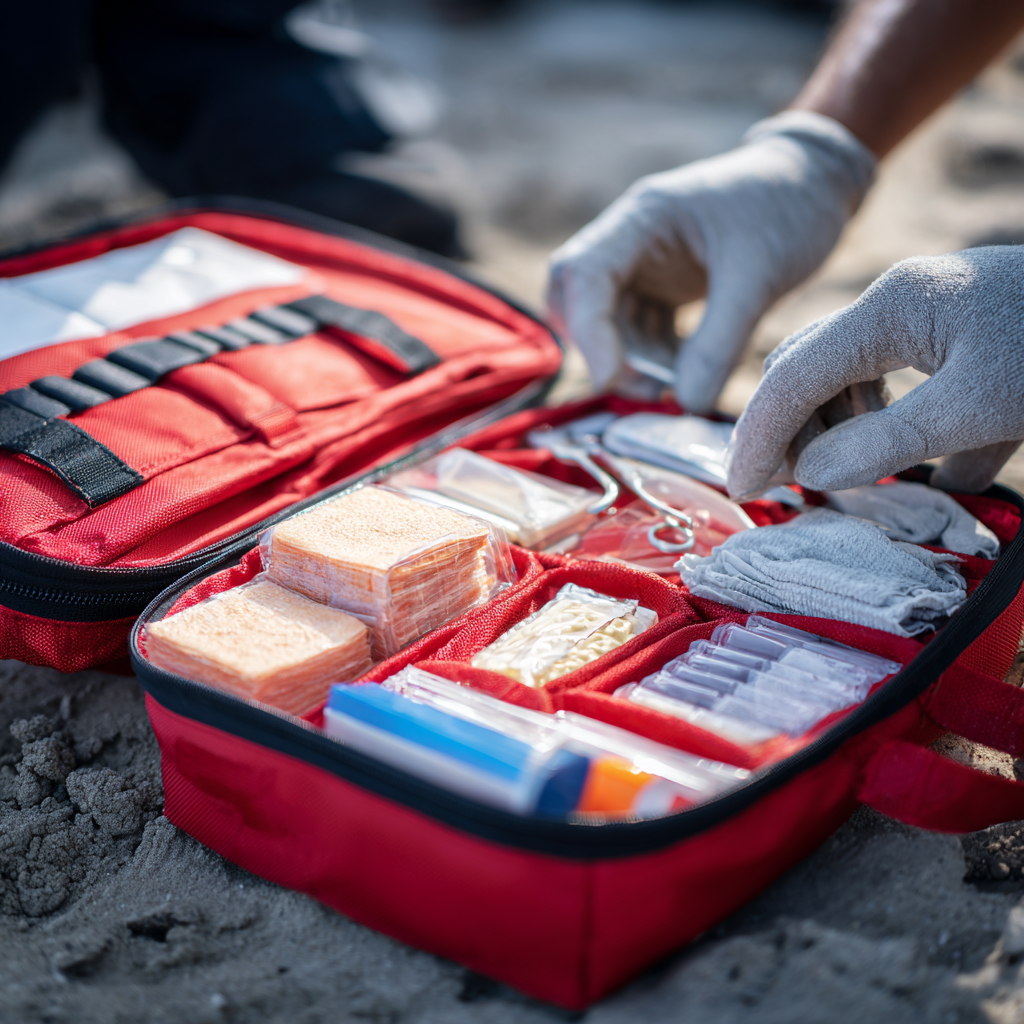
While you can assemble a kit from scratch, pre-made kits save time and ensure coverage of common needs. These top options are reliable and highly rated:
- Be Smart Get Prepared 100 Piece First Aid Kit – A compact, budget-friendly option ideal for homes or small vehicles.
- Everlit Survival First Aid Kit – Designed for emergencies and outdoor adventures, it comes with hundreds of components.
- Surviveware Small First Aid Kit – Compact and organized, perfect for backpacks, bug out bags, or cars.
These kits can serve as a foundation that you expand with personalized items for your household.
Customizing Your First Aid Kit
No two families are the same, so your first aid kit should reflect your unique needs. Consider adding:
- Chronic Condition Medications: Inhalers, EpiPens, insulin, or heart medications.
- Children’s Supplies: Pediatric dosages, baby fever strips, liquid suspensions, and child-sized masks.
- Outdoor or Camping Gear: Insect bite relief, sunscreen, aloe vera gel, or snake bite kits.
- Sports and Travel Add-Ons: Elastic bandages, blister pads, and motion sickness tablets.
By aligning your kit with your lifestyle, you’re better prepared for likely scenarios. A family who camps regularly will have different needs than someone living in an urban high-rise.
When planning for evacuation, include a smaller kit inside your car emergency kit or bug out bag. You’ll also want to pack medical supplies alongside your 72-hour emergency kit for fast access if you must leave home suddenly.
Training and Knowledge
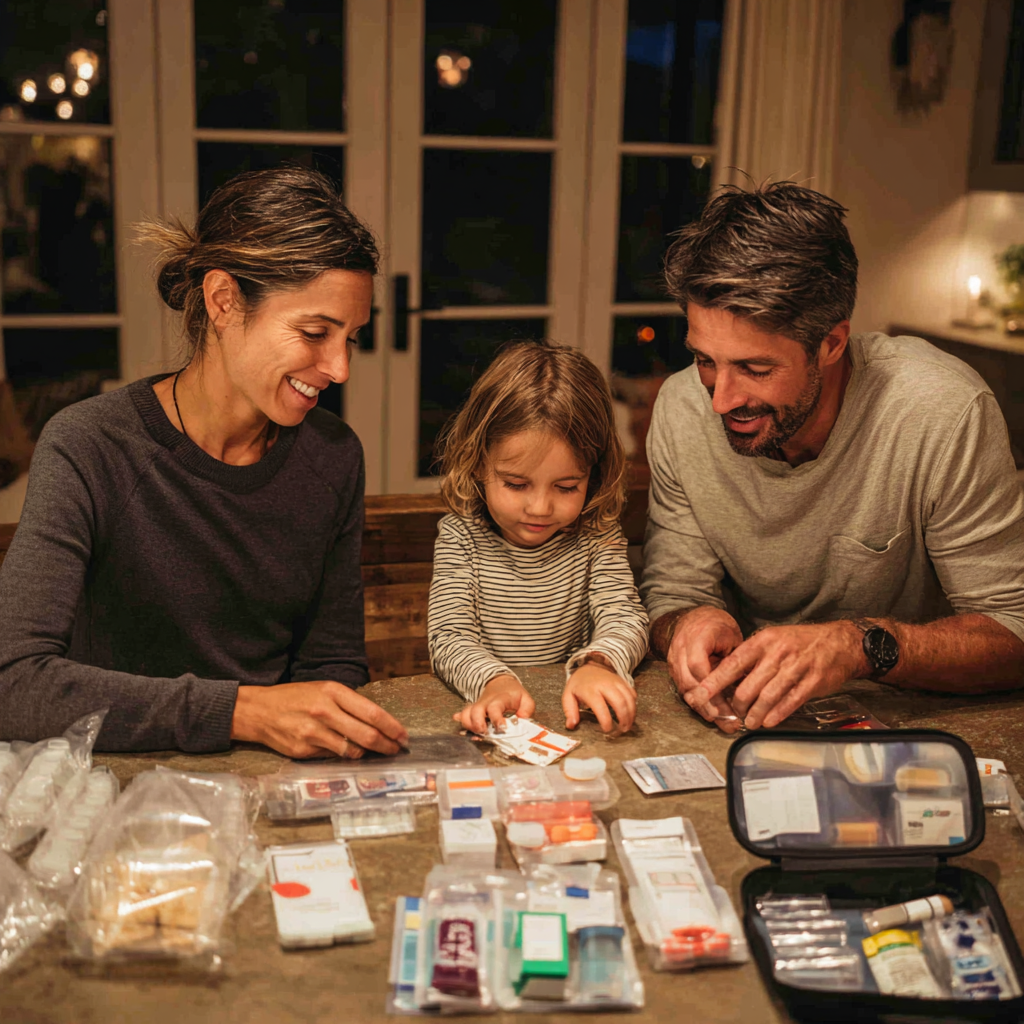
A first aid kit is only as useful as the person using it. Taking a certified course in CPR, wound care, or basic trauma response ensures that you’ll know what to do when every second counts. Many local Red Cross chapters and community emergency response teams offer affordable training.
Pairing your supplies with practical knowledge transforms your kit into a true survival asset. The same principle applies when building your broader gear loadout—see our ultimate survival gear list for tools that work best when paired with training.
Maintaining Your First Aid Kit
Preparedness is not “set and forget.” Just as you rotate food and water, you should check your first aid kit every six months.
- Replace expired ointments, pain relievers, and medications.
- Refresh perishable items like instant cold packs.
- Ensure gloves, scissors, and thermometers are still in good condition.
- Restock supplies used during minor incidents.
This routine aligns with how you maintain an emergency food supply, where freshness and reliability can’t be overlooked.
Conclusion
A well-stocked first aid kit is more than a checklist item—it’s an essential safeguard for you and your family in times of crisis. By including the right supplies, customizing for your household, and maintaining it regularly, you can manage injuries and illnesses with confidence.
Preparedness is about readiness today for the uncertainties of tomorrow. Start building your kit now, expand it with personalized items, and keep it updated. For a broader look at the supplies that complete your emergency planning, see our cornerstone guide on the top 10 must-have items in your disaster supply kit.