
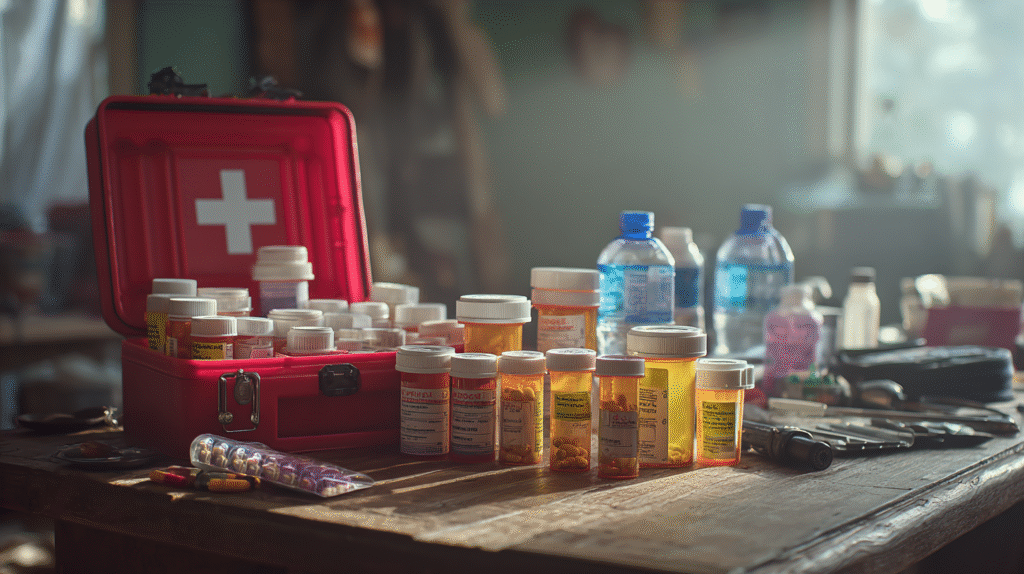
When emergencies strike, health and safety depend on more than food, water, and shelter—your prescription medications are just as vital. Over 60% of adults rely on daily prescriptions, and many of these drugs must be stored carefully to remain effective. A hurricane that knocks out power, a wildfire that forces evacuation, or a prolonged blackout that shuts down pharmacies can all make access to medication difficult, even life-threatening.
That’s why knowing how to properly store and manage prescriptions is an essential part of emergency preparedness. By planning ahead, you can make sure your medications remain safe, effective, and available when you need them most. For broader readiness strategies, begin with our cornerstone article on essential items for your emergency preparedness kit.
Why Proper Storage Matters
Prescription medications are not as durable as canned food or bottled water. Many drugs lose potency if exposed to extreme heat, cold, light, or moisture. Insulin can quickly degrade above recommended temperatures. EpiPens lose effectiveness if stored in a hot car. Certain antibiotics can even become harmful if they break down incorrectly.
In an emergency, when you can’t easily replace a lost or spoiled prescription, proper storage can literally be the difference between life and death. That’s why planning medication storage belongs on the same priority level as food reserves, water supplies, and your disaster supply kit.
Understanding Medication Storage Requirements
Temperature Control
Most medications need to be stored at room temperature, ideally between 68°F and 77°F (20°C to 25°C). Short periods outside this range may be acceptable, but prolonged exposure can damage the medicine. Some drugs—like insulin, certain hormone treatments, and biologics—must be refrigerated at 36°F to 46°F (2°C to 8°C).
During power outages, keep the refrigerator closed as long as possible to maintain cool air. If outages extend beyond a few hours, transfer temperature-sensitive medications into a cooler with gel packs or a compact medical refrigerator.
Moisture and Light Protection
Humidity and light can break down many drugs. That’s why pharmacies package medications in amber bottles. Store medicines in a cool, dry place away from direct sunlight. Avoid keeping them in the bathroom or kitchen, where moisture and heat fluctuate.
Adding silica gel or desiccant packets to storage containers can extend shelf life. And just like you rotate food in long-term storage, reviewing and refreshing your medicine supply should be part of your emergency kit maintenance routine.
Choosing the Right Storage Solutions
Medication Storage Containers
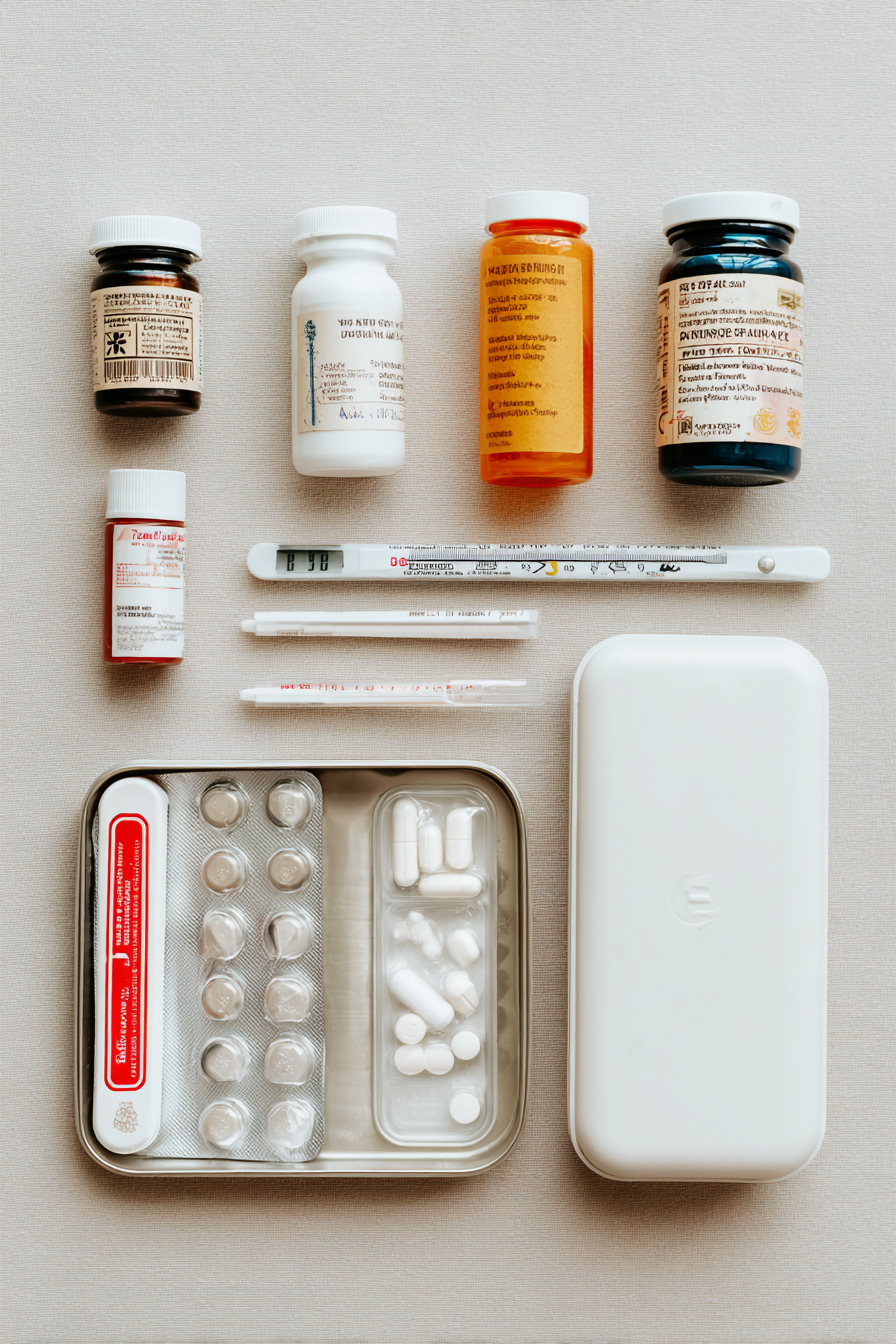
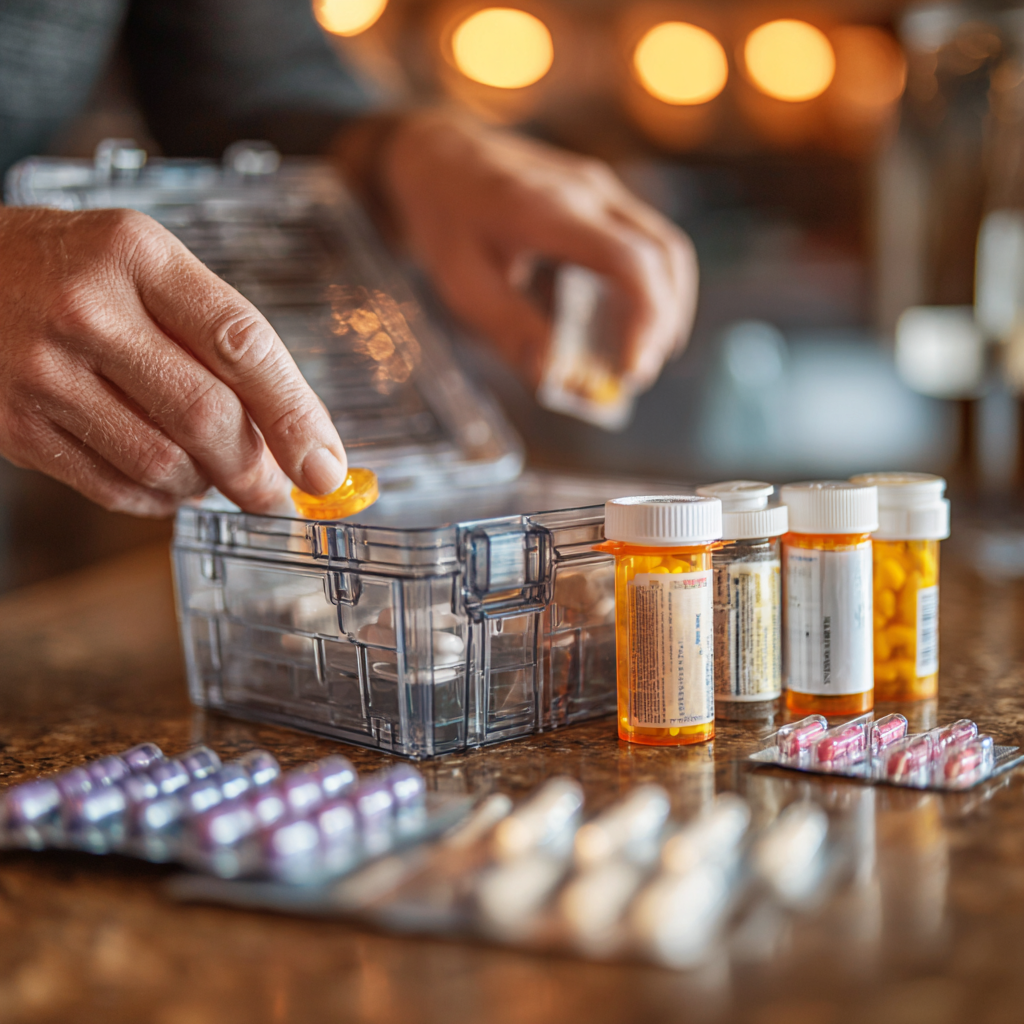
A reliable organizer prevents confusion and keeps doses accessible. The MedGuard Portable Pill Case offers secure, separated compartments to track daily or weekly doses.
Medication Refrigerators
For prescriptions requiring constant cold storage, a compact unit like the Cooluli Mini Fridge provides consistent temperatures. It runs on AC, DC, or USB power, making it valuable in outages. If you can’t invest in one, portable coolers with rotating ice packs are a practical short-term option.
Waterproof Bags and Containers
In floods or heavy storms, waterproof bags keep prescriptions safe. Resealable freezer bags or specialty waterproof pouches prevent damage from leaks, spills, or submersion. When you’re preparing for storms, it’s worth reviewing emergency shelter options as well, since protecting medications and protecting people often go hand in hand.
Organizing Your Medications
Create a Medication List
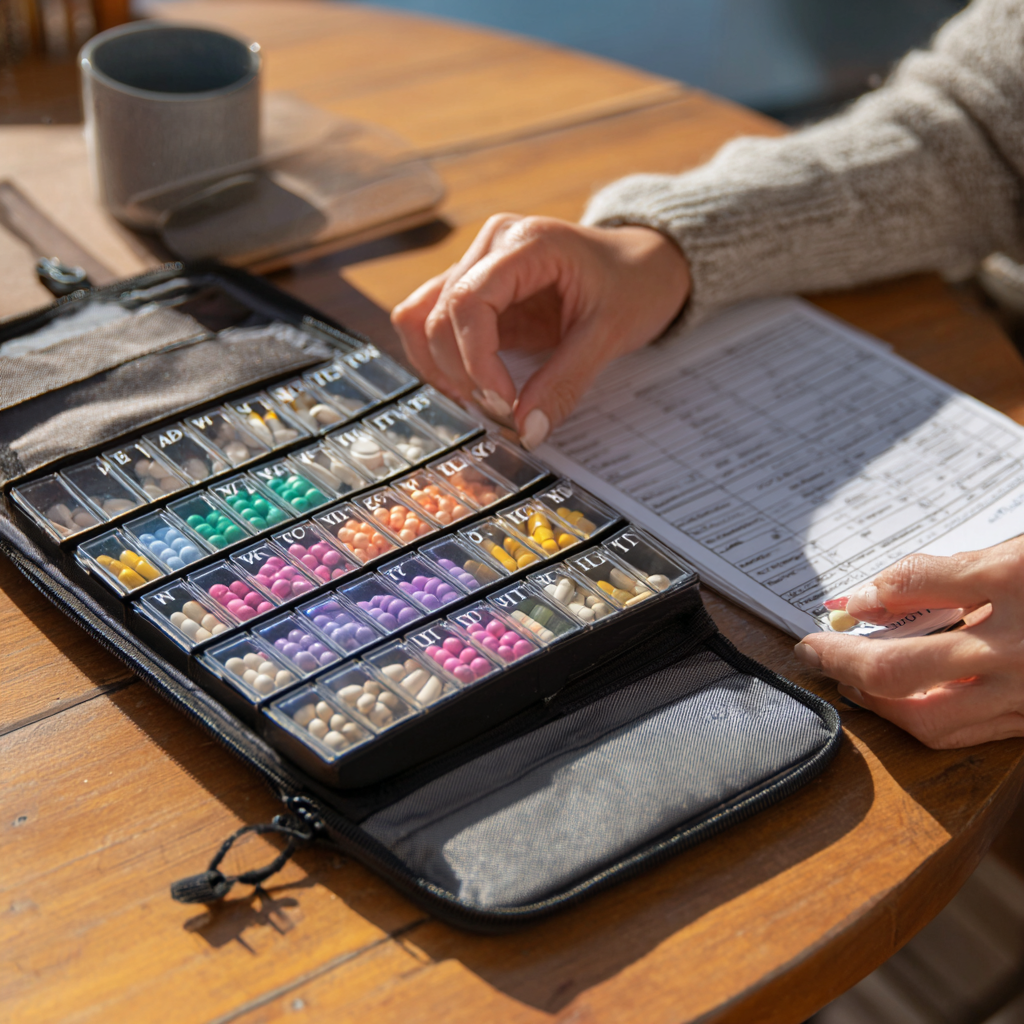
Keep a current list of every prescription, dosage, frequency, and prescribing doctor. Store copies in your wallet, emergency binder, and digital files. This list is invaluable if you’re treated by new doctors during an evacuation.
Labeling
Label containers clearly, especially if you separate pills into organizers. Waterproof labels like those from the Brother P-touch Label Maker ensure clarity even in wet conditions.
Digital Tools and Reminders
Medication reminder apps can keep you on schedule during stressful emergencies. Set recurring alarms in case routines are disrupted. For broader organization tips that complement medication tracking, see our guide on organizing your emergency documents.
Preparing for Emergencies
Medicines Stockpile
Talk with your doctor about getting a small reserve of critical medications. Many physicians will prescribe an extra supply if you explain it’s for emergency use. Rotate your stockpile so older medications are used first.
Emergency Medication Kits
Combine essential prescriptions with standard first aid supplies. Pack them in waterproof bags inside your bug out bag, car kit, or 72-hour kit. This ensures access to meds whether you’re at home or evacuating. Preparing a medication kit alongside your bug out bag essentials, car emergency kit, or 72-hour emergency kit helps create a layered safety net across different scenarios.
Staying Informed and Safe
Expiration Dates
Not all medications are equal once they expire. Some, like antibiotics and liquid suspensions, lose potency rapidly. Others may retain effectiveness for years but should still be rotated regularly.
Recalls and Safety Updates
Stay aware of recalls by signing up for alerts from the FDA or your pharmacy.
Communication with Providers
Ask your doctor or pharmacist about their policies for emergency refills. Consider switching to a mail-order pharmacy that provides 90-day supplies. This reduces the number of trips to refill prescriptions and makes it easier to maintain an emergency reserve.
Special Considerations
Children’s Medications
Liquid suspensions often have shorter shelf lives. Use syringes or droppers for accurate dosing. Keep pediatric formulations separate from adult meds to prevent confusion.
Seniors
Older adults often manage multiple prescriptions. A labeled organizer prevents errors. Include a printed list of medications for caregivers or emergency responders.
Life-Dependent Medications
If you or a loved one rely on medications like insulin, seizure control drugs, or cardiac treatments, plan redundancies:
- Store backups in multiple locations.
- Carry a travel cooler for evacuations.
- Alert family or neighbors to your needs.
These critical steps complement broader survival planning, much like building redundancy into your emergency food supply.
Conclusion
Emergencies are unpredictable, but access to prescription medications doesn’t have to be. By storing medications correctly, organizing your supplies, and preparing for power outages or evacuations, you safeguard your health when the world feels uncertain.
Start today by building a list, investing in reliable storage, and talking with your doctor about emergency reserves. With these steps, you’ll have peace of mind that your most critical health needs will be met—even in crisis.