

The wilderness calls to all of us, but Mother Nature demands respect. The difference between an unforgettable adventure and a life-threatening emergency often comes down to what’s inside your pack. After more than a decade of leading survival expeditions, I’ve learned that preparation and skill—not luck—determine who thrives in the wild. Here’s how to build a wilderness survival kit that can truly save your life.
Understanding the Basics: More Than Just Gear
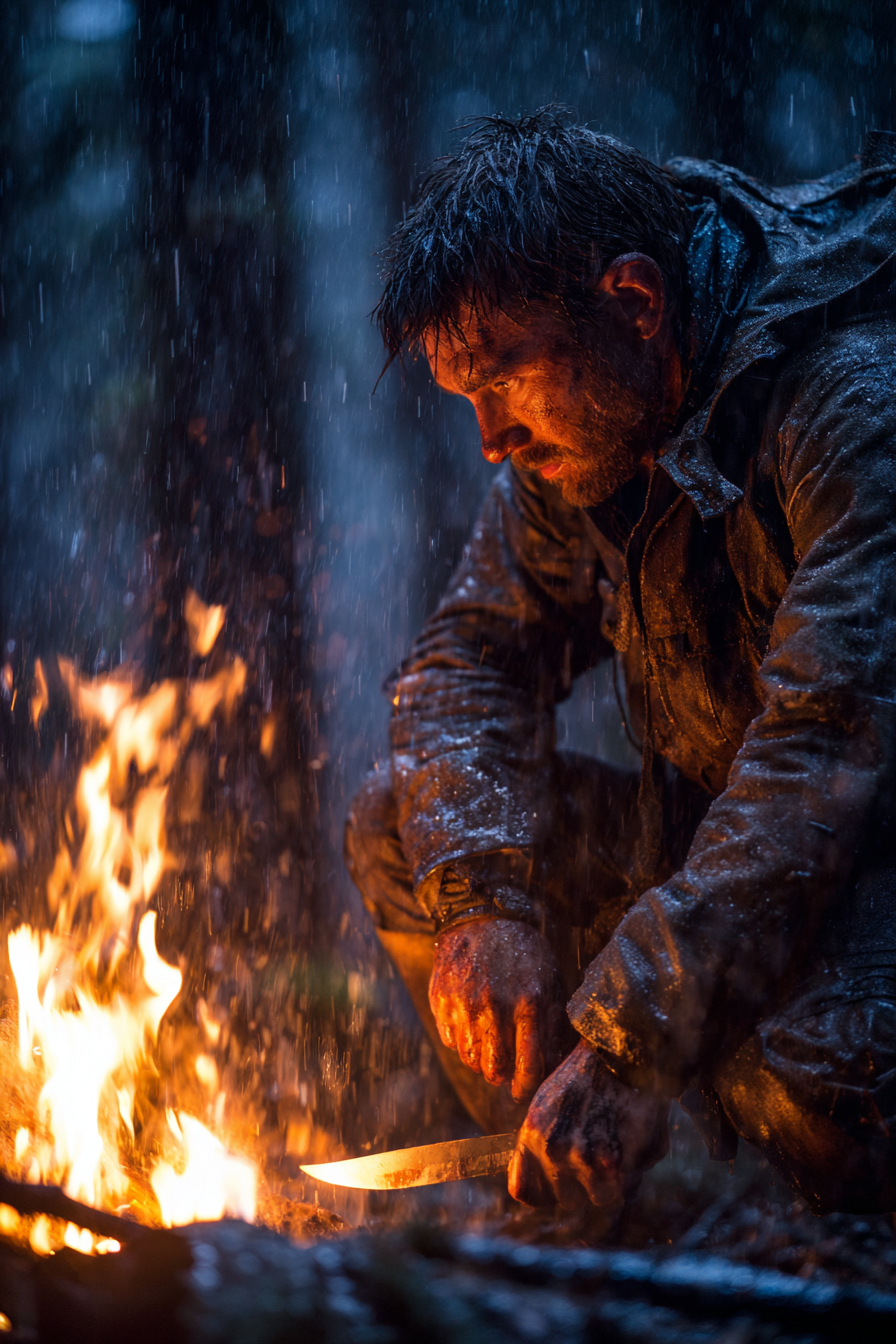
A wilderness survival kit is more than a box of tools—it’s a customized system built for your environment, skill level, and goals. Pre-made kits rarely cover every need. Instead, you should carefully curate items that serve multiple functions, can handle harsh conditions, and complement your abilities. True preparedness means knowing how to use each tool effectively.
1. Fire Starting: Your First Line of Defense
Fire represents safety, warmth, and morale in the wild. Always carry at least three ignition methods. The Light My Fire Swedish FireSteel produces strong sparks that ignite tinder even in damp weather. As a backup, the UCO Stormproof Match Kit ensures flame reliability under extreme conditions. Lastly, keep a Zippo Emergency Fire Starter Kit for an additional safeguard when your main tools fail.
2. Water Purification: Staying Safely Hydrated
Water is your lifeline. The Sawyer Products Mini Water Filtration System filters up to 100,000 gallons of water, making it an ideal lightweight solution. For compact backups, Potable Aqua Water Purification Tablets neutralize harmful microorganisms quickly. If you expect long-term stays, add the LifeStraw Personal Water Filter for consistent hydration.
3. Navigation Tools: Finding Your Way
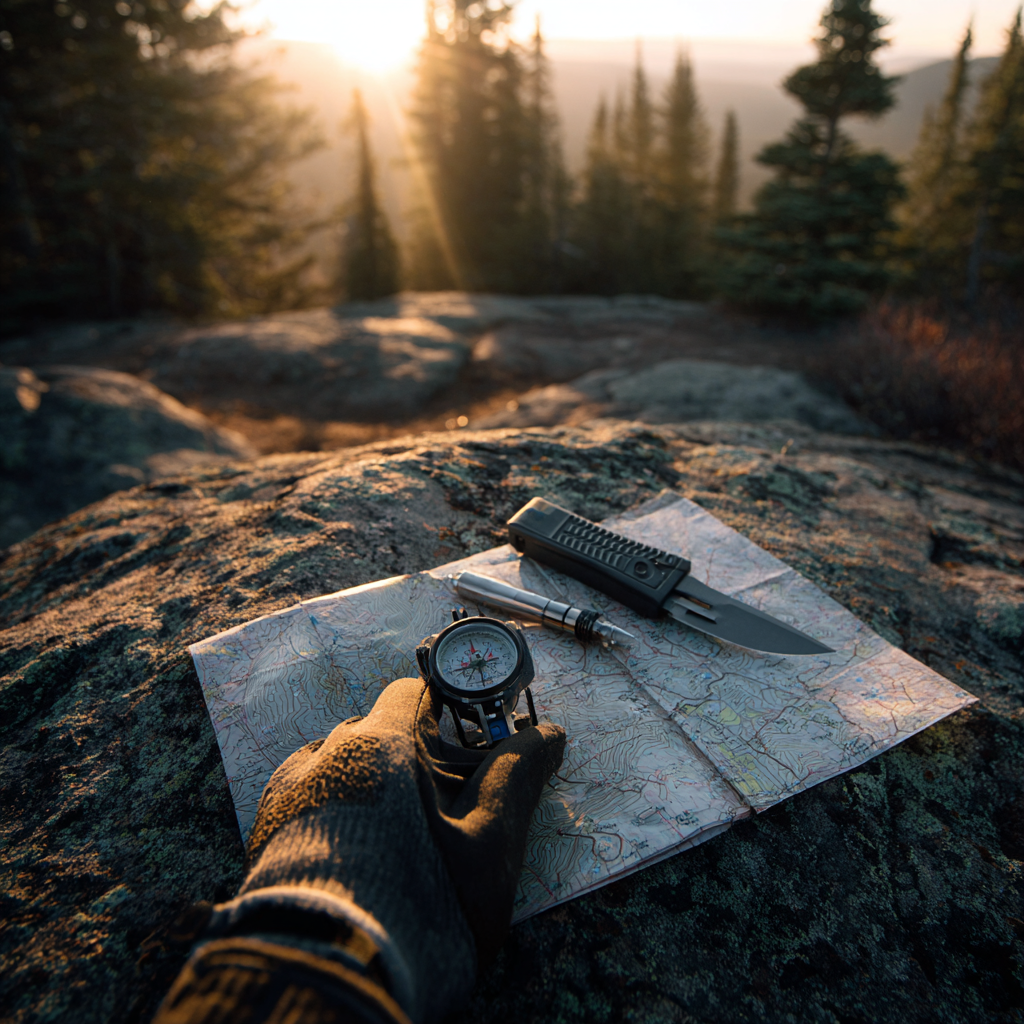
Even the most experienced adventurers can lose their bearings. Always carry a reliable compass like the Suunto MC-2G Global Compass, which provides accurate readings in both hemispheres. For remote expeditions, the Garmin inReach Mini 2 offers global satellite messaging and SOS capabilities without cell service.
Knowing how to navigate manually and digitally can mean the difference between rescue and risk. Deepen your skills with Off-Grid Communication: Staying Connected in a Crisis.
4. Shelter and Protection
When weather turns harsh, exposure becomes a deadly threat. Carry the SOL Emergency Bivvy, which reflects 90% of your body heat and weighs less than four ounces. Pair it with Paracord Planet Type III 7-Strand 550 Paracord to create stable shelters, tie gear, or improvise traps.
For more insight into building field shelters that protect against extreme weather, explore Emergency Shelter Options: From Tents to DIY Solutions.
5. Food and Cooking Essentials
You won’t last long in the wilderness without energy. Include compact cookware like the Stanley Adventure Camp Cook Set and a lightweight stove such as the MSR PocketRocket 2 Mini Stove Kit. Store shelf-stable foods such as jerky, rice, and dehydrated meals in vacuum-sealed bags.
Building sustainable food stores before an expedition or crisis is crucial. Learn what to stock in Long-Term Food Storage for Beginners: The Complete Guide and practical meal prep in 25 Survival Recipes You Need to Master Before Disaster Strikes.
6. Medical and First Aid Supplies
A survival kit is incomplete without a quality first aid setup. The Adventure Medical Kits Mountain Series Explorer Kit provides professional-grade care in a compact design. Include pain relievers, antiseptics, trauma pads, and personal medications. Consider adding a QuikClot Advanced Clotting Sponge for serious bleeding control.
Maintaining hygiene and treating minor injuries effectively can prevent infection and illness. Review essential hygiene practices in Staying Clean and Healthy in the Wilderness: Survival Hygiene Tips.
7. Essential Survival Skills to Practice
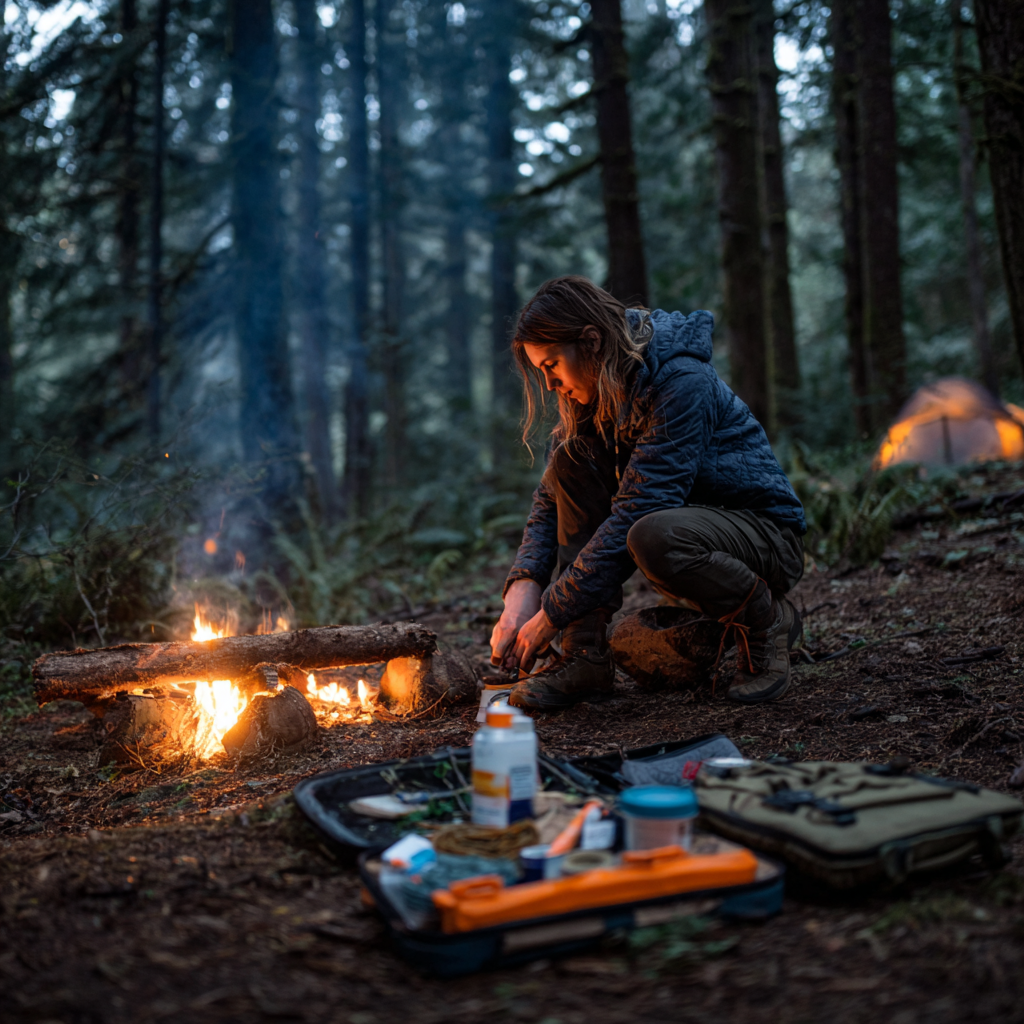
Gear is only as effective as the person using it. Regularly practice starting fires, purifying water, and navigating without GPS. Build and test shelters before relying on them in emergencies. If you’re new to these practices, start small—learn how to tie knots, read maps, and identify edible plants.
Weight, Maintenance, and Upgrades
A fully equipped wilderness survival kit should weigh about 10–15% of your body weight. Organize your pack by category—fire and tools (40%), water and food (30%), shelter and first aid (20%), and signaling and navigation (10%). Check expiration dates quarterly, test fire-starting equipment, and refresh batteries annually.
Conclusion: Preparedness Equals Freedom
Building your ultimate wilderness survival kit isn’t about fear—it’s about confidence. Every item you include serves a purpose, and every skill you master brings peace of mind. Take time to assemble your kit, test your tools, and refine your techniques. In the wild, your preparation is your protection, and the right kit ensures that no matter where you are, you can adapt, survive, and thrive.