Why Urban Survival Skills Are More Critical Than Ever
When most people think about survival preparation, they picture remote cabins, wilderness shelters, and bug-out bags designed for escaping to the woods. But here’s the uncomfortable truth: over 80% of Americans live in urban or suburban areas, and when disaster strikes, most of us won’t be heading to the mountains.
We’ll be trapped in the concrete jungle.
Recent events across the globe have shown us just how vulnerable our cities really are. From the 2025 Iberian Peninsula blackout that left millions stranded without power, communication, or access to cash, to recurring cyberattacks on critical infrastructure, to extreme weather events that have crippled major metropolitan areas—the writing is on the wall.
Urban survival isn’t about paranoia. It’s about preparation.
The Shocking Reality: Cities Are Fragile Systems
Modern cities operate on razor-thin margins. Just-in-time delivery systems mean grocery stores typically stock only 3 days’ worth of food. Water treatment facilities require constant power. Cell towers go dark without electricity. ATMs become useless metal boxes.
When one system fails, others collapse like dominoes.
Consider these sobering facts:
- The average American city has less than 72 hours of emergency supplies available
- During Hurricane Katrina, New Orleans descended into chaos within 48 hours
- The 2021 Texas power crisis left millions without heat, water, or electricity for nearly a week
- Recent cyberattacks have successfully targeted power grids, water systems, and financial networks
The question isn’t if another major urban disaster will happen—it’s when.
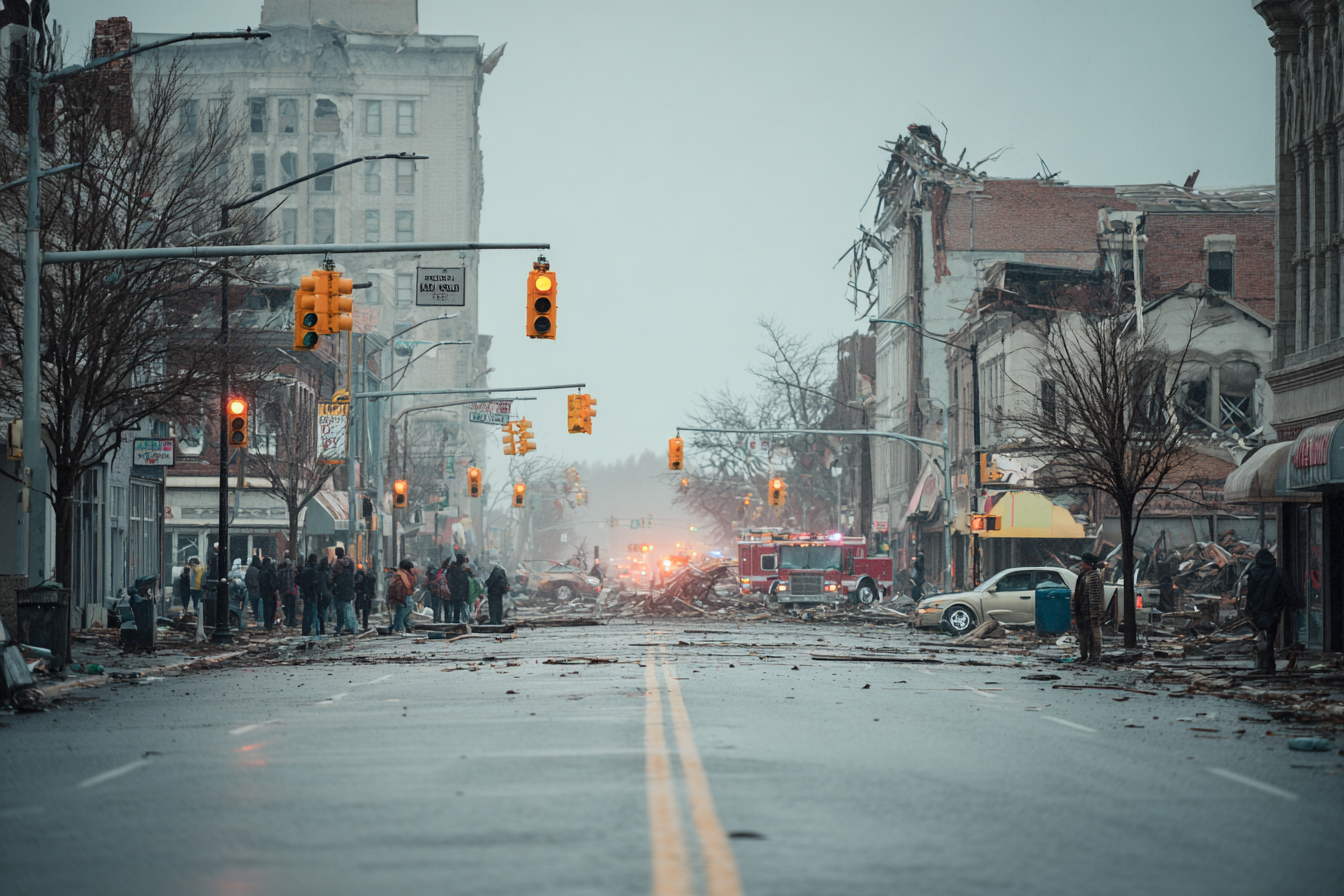
Urban Survival vs. Wilderness Survival: A Different Game
Surviving in the wilderness and surviving in a city during a crisis require completely different skill sets. In the wild, nature provides resources: you can find water in streams, forage for food, build shelter from natural materials, and avoid other people.
In a collapsed urban environment, you face unique challenges:
Resource Scarcity: Everything is locked behind doors, owned by someone, or depleted within hours. There are no streams to drink from, no forests to forage in.
Population Density: You’re surrounded by thousands—potentially millions—of desperate people competing for the same limited resources.
Infrastructure Dependence: Urban dwellers rely entirely on systems they don’t control: electrical grids, water treatment, food distribution networks, and communication systems.
Psychological Pressure: The claustrophobic nature of cities during a crisis, combined with the breakdown of social order, creates intense mental and emotional stress.
Limited Mobility: Roads become parking lots. Public transportation stops. Bridges and tunnels become choke points controlled by authorities or dangerous groups.
This is why traditional survival training fails urban dwellers when they need it most.
Essential Urban Survival Gear to Have Now
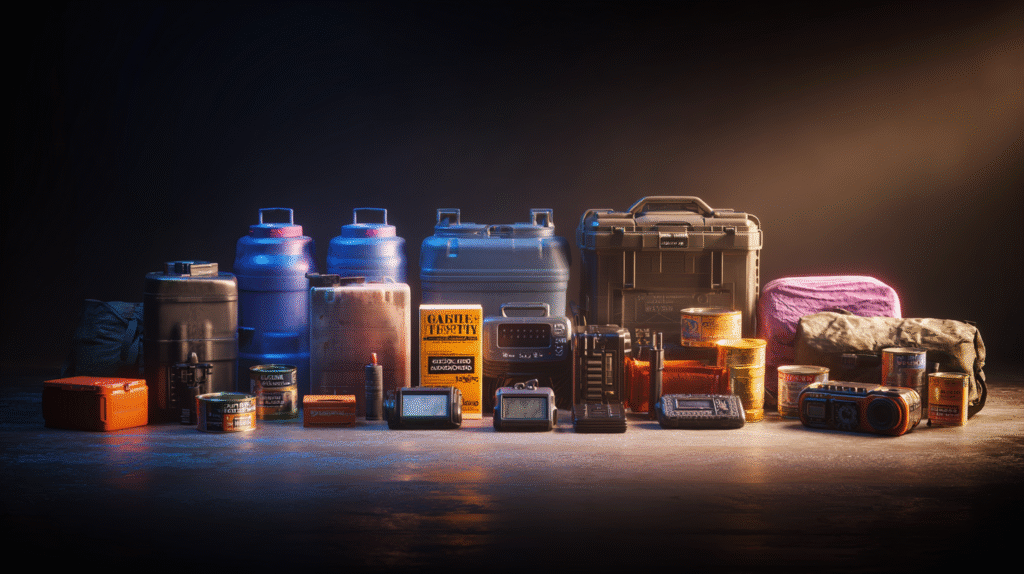
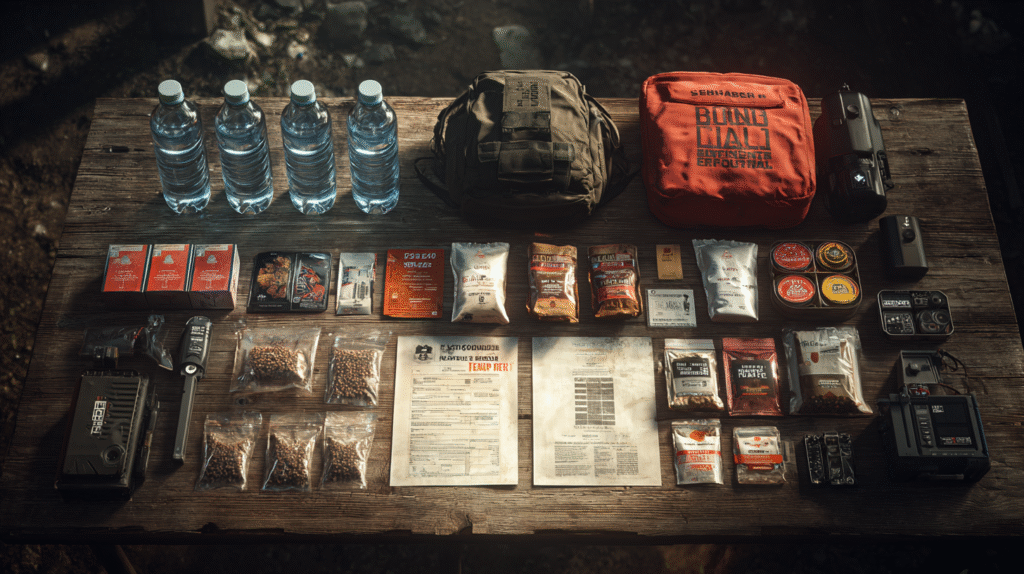
Before we dive into the strategic pillars of urban survival, let’s talk about the basic supplies every city dweller should have on hand. These aren’t luxury items—they’re essentials that could save your life when stores are closed and delivery services have stopped.
Water Storage and Purification:
- Collapsible 5-gallon water storage containers (work great for apartments)
- LifeStraw Personal Water Filter or Sawyer Mini Water Filter (compact, affordable, filters thousands of gallons)
- Water purification tablets (backup when filters fail)
- Portable water bladders (easy to hide and transport)
Food Storage Essentials:
- Mylar bags with oxygen absorbers (properly store rice, beans, and dry goods for years)
- FoodSaver Vacuum Sealer (extend shelf life of foods)
- Manual can opener (electric ones are useless without power)
- Airtight food storage containers (keep pests out and odors in)
If you’re short on time or storage space, pre-packaged options can be a smart solution—see our comparison of the best survival food kits that offer maximum nutrition in minimal space for urban environments.
Power and Light:
- Solar phone charger or Anker PowerCore 20,000mAh power bank (minimum capacity)
- Hand-crank emergency radio with NOAA weather alerts
- LED headlamps (hands-free lighting, essential for urban navigation)
- Rechargeable AA/AAA batteries with solar battery charger
Security and Tools:
- Door security bar or door jammer (reinforces entry points without permanent installation)
- Window security film (prevents easy break-ins, looks normal)
- Leatherman Wave+ or Gerber multi-tool (versatile and compact)
- Gorilla tape and 550 paracord (repairs, shelter building, countless uses)
Communication and Navigation:
- Two-way radios (Motorola or BaoFeng models, when cell towers fail)
- Emergency whistle (signal for help without exhausting yourself)
- Printed city maps (GPS fails without satellites or power)
- Waterproof document holder (protect critical papers and cash)
Medical and Hygiene:
- Comprehensive first aid kit (beyond basic bandages—think trauma supplies)
- N95 masks or KN95 masks (air quality, disease prevention, anonymity)
- Hand sanitizer and antibacterial soap (disease prevention is critical)
- Prescription medication backup (30-90 day supply if possible)
Pro tip: Don’t buy everything at once from the same store. Spread purchases across different retailers and over time to avoid drawing attention to your preparedness efforts.
The 5 Pillars of Urban Survival
After analyzing dozens of real-world urban collapse scenarios—from Venezuela’s economic meltdown to Eastern European blackouts to recent grid failures in developed nations—survival experts have identified five critical pillars that determine who survives and who doesn’t:
1. Water Security in Concrete Jungles
Without utilities, finding clean water in a city becomes your first and most urgent challenge. You can’t survive more than 3 days without it, yet most urban dwellers have zero backup plans.
The urban advantage: Cities actually contain hidden water sources that preppers often overlook—rooftop collection systems, hot water heaters, toilet tanks (the tank, not the bowl), ice makers, and even swimming pools with proper filtration.
Critical skills include:
- Identifying safe urban water sources before the crisis hits
- Creating stealth water storage that won’t attract looters
- Purification methods that work without power or specialty equipment
- Rationing strategies for unknown-duration emergencies
2. Stealth Food Storage and Acquisition
Forget about stockpiling years’ worth of freeze-dried meals in your apartment. That’s not realistic for most urban dwellers, and it makes you a target if discovered.
The urban reality: You need smart, concealed food storage that won’t be found during a home invasion. You also need to understand which foods provide maximum nutrition and shelf life in minimal space.
Learning traditional Amish preservation techniques can provide low-tech solutions that don’t require electricity or modern equipment—perfect for extended grid-down scenarios.
Essential knowledge:
- Foods that last months or years without refrigeration
- How to hide emergency supplies in plain sight
- Calorie-dense options that require no cooking
- Foraging in urban environments (yes, it’s possible)
For a comprehensive breakdown of preservation methods and shelf-life optimization, check out our detailed guide on long-term food storage strategies that work in limited urban spaces.
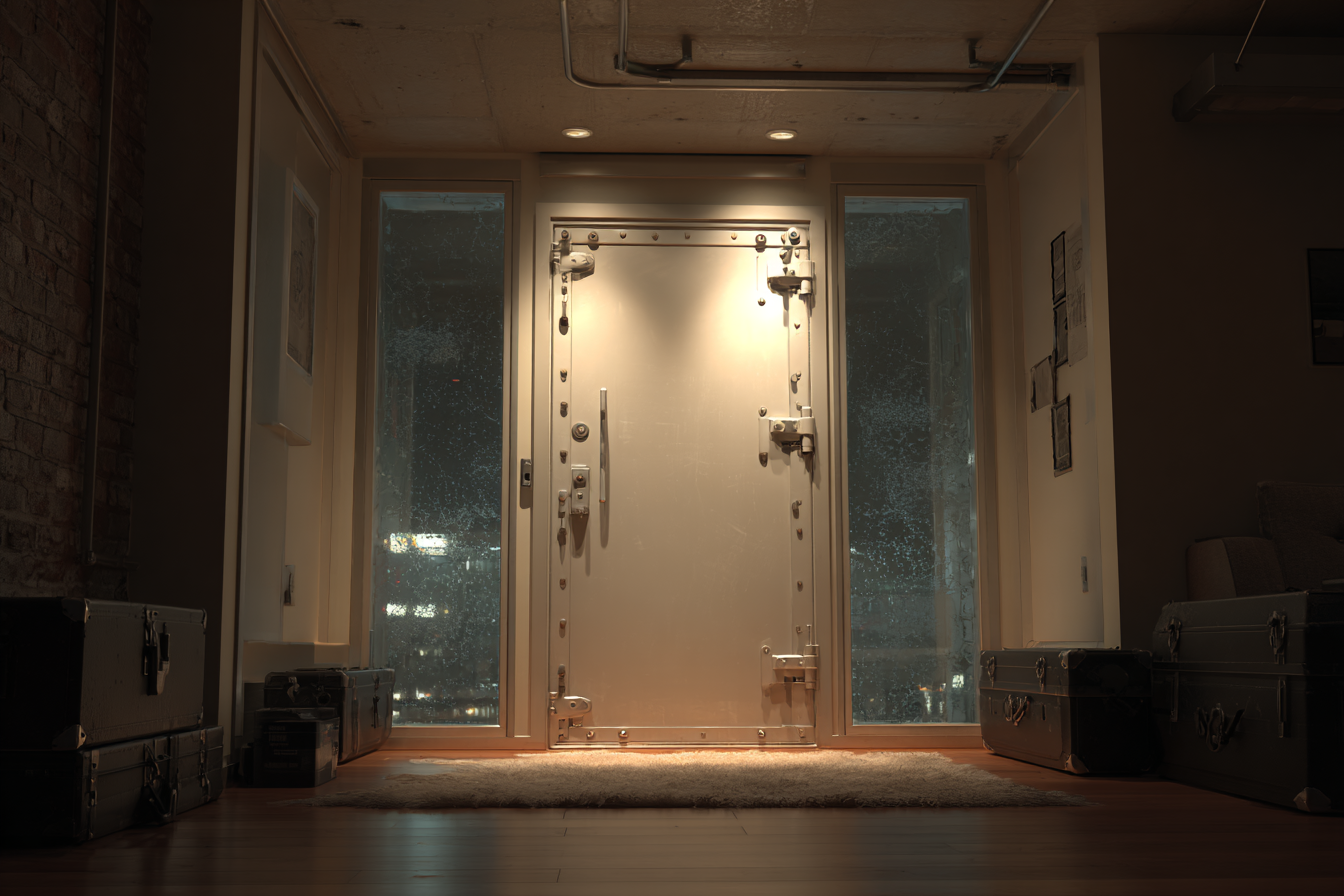
3. Security Without Becoming a Target
Here’s a truth that makes many uncomfortable: in an extended urban crisis, the greatest threat isn’t starvation or dehydration—it’s other people.
When desperation sets in, ordinary citizens become unpredictable. Looting, home invasions, and violence escalate rapidly once law enforcement is overwhelmed or absent.
Your security strategy must include:
- Fortifying your space without advertising that you’re prepared
- Understanding which locations become danger zones first
- Psychological tactics to de-escalate confrontations
- When to shelter in place vs. when to evacuate
- Movement strategies when streets aren’t safe
4. Power Independence and Communication
When the grid goes down, you lose more than lights and refrigeration. You lose access to information, the ability to call for help, and connection to the outside world.
Critical preparations:
- Solar charging solutions that work in apartments
- Radio communication when cell towers fail
- Protecting essential electronics from EMPs or surges
- Creating a communication plan with family members
- Understanding which devices to prioritize
5. Mental Resilience and Leadership
This is the pillar most people ignore—and it’s the one that determines everything else.
Physical supplies matter, but your psychological state determines whether you make smart decisions or panic. Whether you lead your family to safety or freeze in fear.
Develop these skills now:
- Stress inoculation techniques used by special forces
- How to keep children calm during crisis situations
- Decision-making frameworks when normal rules don’t apply
- Recognizing when fear is making you vulnerable
- Building the mental toughness to do what others won’t
Red Flags: Warning Signs Your City Could Be Next
Most urban disasters don’t come out of nowhere. There are warning signs—if you know what to look for.
Pay attention to these indicators:
- Increased military or police presence without clear explanation
- Sudden changes to emergency protocols or communication systems
- Supply chain disruptions affecting multiple industries
- Banking irregularities or restricted withdrawals
- Government stockpiling or movement of resources
- Infrastructure failures that go unexplained or take unusually long to fix
- Civil unrest in nearby cities or regions
- Escalating international tensions that could impact domestic stability
The time to prepare is before these signals turn into sirens.
Common Urban Survival Mistakes That Get People Killed
Even well-intentioned preppers make fatal errors when planning for urban disasters:
Mistake #1: Planning to Bug Out Most urban survival guides tell you to leave the city immediately. But that’s often the worst decision. Roads become gridlocked, checkpoints appear, and you’re exposed and vulnerable. Unless you have a fully stocked rural retreat, sheltering in place is usually safer.
Mistake #2: Over-Relying on Gear Fancy equipment is useless if you don’t know the strategies and tactics that actually matter. A $3,000 bug-out bag won’t help you if you don’t understand urban movement principles or resource acquisition.
Mistake #3: Ignoring OPSEC (Operational Security) Broadcasting your preparedness—even to neighbors—can make you a target. Survival in an urban environment requires discretion above all else.
Mistake #4: No Plan for Sanitation When toilets stop flushing and trash pickup ends, disease spreads rapidly. This unsexy topic is actually life-or-death in extended crises.
Mistake #5: Underestimating How Fast Things Collapse It doesn’t take weeks. It takes hours. The 2025 Spain blackout showed how quickly modern society unravels when the power goes out.
A Real Story That Changes Everything
Daniel Scott was a former mountain rescue officer—someone who’d survived avalanches, blizzards, and rockslides. He knew wilderness survival inside and out.
But when he and his family got trapped in Valencia, Spain during the April 2025 blackout, all his training became useless.
No cell service, and ATMs. No way to buy food or book shelter. His kids were cold and scared, and for the first time in his life, he didn’t know how to protect them.
They spent a terrifying night on a bench near a metro station with nothing but a half-empty water bottle, watching a modern European city collapse around them in real time.
That experience changed him forever.
When Daniel finally made it home, he couldn’t shake the feeling that what happened in Spain was just the beginning. He started researching, connecting with colleagues in defense and disaster response, and uncovered something disturbing:
Government agencies have been planning for large-scale urban collapse scenarios—and most civilians have no idea.
Hidden protocols, classified simulations, infrastructure already in place for martial law responses during emergencies. The people in power know something most Americans don’t: our cities are far more fragile than we’ve been led to believe.
That’s when Daniel decided to create something different—not another wilderness survival guide, but a comprehensive urban survival system built specifically for city dwellers facing the modern threats we actually encounter.
What Makes an Effective Urban Survival Plan
An effective urban survival strategy isn’t about stockpiling weapons or building bunkers. It’s about having practical, actionable knowledge that works in real-world scenarios.
Here’s what you actually need:
A Clear Decision Framework: Knowing when to shelter in place, when to move, and where to go if you must evacuate.
Resource Security: Understanding how to secure water, food, and power without depending on systems that can fail overnight.
Stealth and Security: Protecting your family and supplies without advertising that you’re prepared.
Psychological Preparedness: The mental tools to stay calm, think clearly, and lead when others panic.
Adaptability: Every crisis is different. Cookie-cutter plans fail. You need principles that adapt to whatever situation unfolds.
To ensure you haven’t missed any critical preparations, download our comprehensive emergency preparedness checklist that covers all essential urban survival categories.
To ensure you haven’t missed any critical preparations, download our comprehensive emergency preparedness checklist that covers all essential urban survival categories.
The Cost of Waiting
Here’s what most people don’t realize: preparation has an expiration date.
Right now, you can stock supplies quietly. You can learn skills at your own pace. You can make rational decisions without fear or time pressure.
But the moment crisis hits, everything changes:
- Stores are stripped bare within hours
- Prices skyrocket or sellers simply refuse to sell
- Movement becomes restricted
- Information becomes scarce or unreliable
- Desperation makes everyone a potential threat
The families who survive urban disasters aren’t the ones who start preparing during the crisis. They’re the ones who prepared before anyone else was paying attention.
The question you need to ask yourself is simple: When your family looks to you for answers during the next blackout, riot, or collapse—will you have them?
Take Action While You Still Can
Over 97,000 families across America have already made the decision to prepare. They’re not living in fear—they’re living with confidence, knowing that whatever comes next, they’ll be ready.
They’ve studied proven urban survival strategies developed by experts with real-world experience in disaster response and urban crisis management.
They know how to:
- Secure clean water when utilities fail
- Store food that won’t be discovered by looters
- Protect their homes without attracting attention
- Navigate cities when normal rules no longer apply
- Keep their families calm and safe when chaos erupts
And most importantly, they’ve made these preparations while life is still normal—before the panic, before the shortages, before the moment when it’s already too late.
Building Your Urban Survival Kit on Any Budget
You don’t need thousands of dollars to get started. Here’s a tiered approach based on your budget:
Under $50 – Bare Minimum:
- 3-gallon water container
- LifeStraw Personal Water Filter
- LED flashlight with extra AA batteries
- 3-day supply of non-perishable food (canned goods, protein bars)
- Basic first aid kit
- Manual can opener
- BIC lighters and waterproof matches
$50-$150 – Solid Foundation: Add to the above:
- Sawyer Mini Water Filter System
- Anker PowerCore 20,000mAh power bank
- LED headlamp (Energizer or Petzl)
- Motorola T100 two-way radios (pair)
- Mylar emergency blankets (pack of 10)
- 550 paracord (100 feet)
- Leatherman Wingman or Gerber Dime multi-tool
- Master Lock Door Security Bar
- More canned food supplies (2-week supply)
$150-$300 – Comprehensive Setup: Add to the above:
- WaterBrick 3.5-gallon stackable containers (20-30 gallons total)
- Goal Zero Nomad 20 Solar Panel or similar
- Midland ER310 Hand-Crank Emergency Radio
- 3M N95 masks (box of 20)
- First Aid Only Trauma Kit
- FoodSaver Vacuum Sealer with bags
- Morakniv Companion Fixed Blade Knife
- Gila Window Security Film
- Mountain House freeze-dried meals (30-day supply)
- Coleman Portable Camping Stove with fuel
$300+ – Full Urban Survival System: Add to the above:
- Berkey Gravity-Fed Water Filter System
- Jackery Explorer 240 Solar Generator or larger
- EBL Rechargeable Battery Charger with batteries
- Surviveware Large First Aid Kit with trauma supplies
- 5.11 Tactical Rush 24 Backpack
- Pulsar Night Vision Monocular (if budget allows)
- Augason Farms 90-day food supply
- MSR Dromedary Bags for water mobility
- Defender Security Door Reinforcement Kit
- BaoFeng HAM radio (if licensed)
Where to Buy: Most of these items are readily available on Amazon with Prime shipping. The advantage? You can order discreetly, read verified reviews, and have supplies delivered without making suspicious bulk purchases at local stores.
Pro Strategy: Buy a few items every week or month. Set up an Amazon Subscribe & Save for non-perishables like canned goods, batteries, and water. It’s budget-friendly, looks normal, and builds your stockpile steadily.
Need help organizing all these items? Our complete disaster supply kit guide breaks down exactly what to include and how to maintain your supplies year-round.
Your Next Steps
Urban survival isn’t about fear. It’s about responsibility, and refusing to be helpless when your city turns against you. It’s about becoming the person your family can count on when everyone else is panicking.
Start building your family’s response strategy today with our free emergency preparedness plan template that helps you document evacuation routes, communication protocols, and resource locations specific to your situation.
The choice is yours:
You can wait and hope nothing happens—knowing that hope isn’t a strategy and every day you delay makes you more vulnerable.
Or you can take action today, while you still have time, resources, and the freedom to prepare on your own terms.
If you’re serious about protecting your family in an increasingly unstable world, learn the urban survival strategies that could make the difference between surviving and becoming another casualty of the next crisis.
Because when the power goes out, when the water stops flowing, when the streets aren’t safe anymore—there are no second chances.
The time to prepare is now. Tomorrow might already be too late.