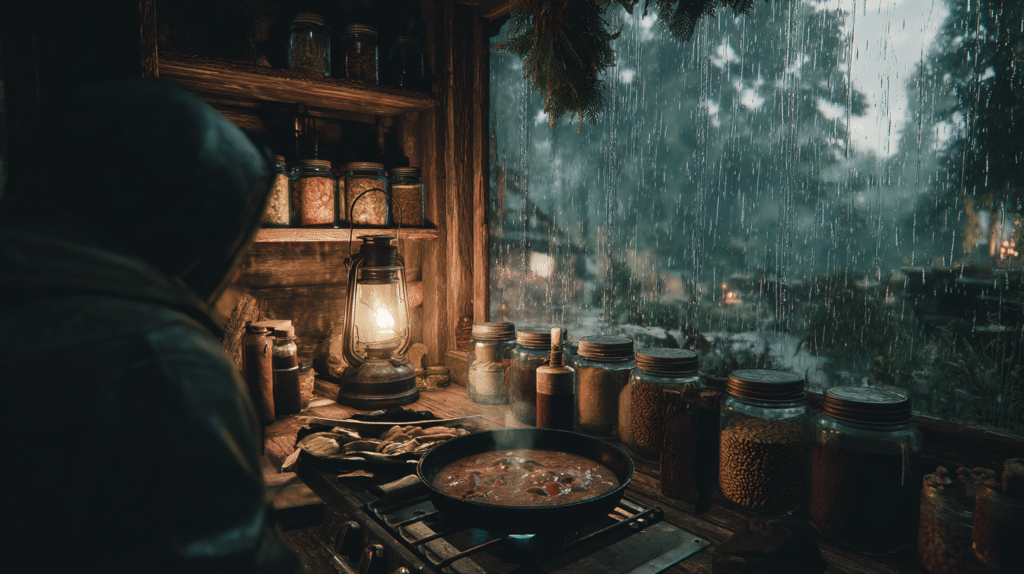
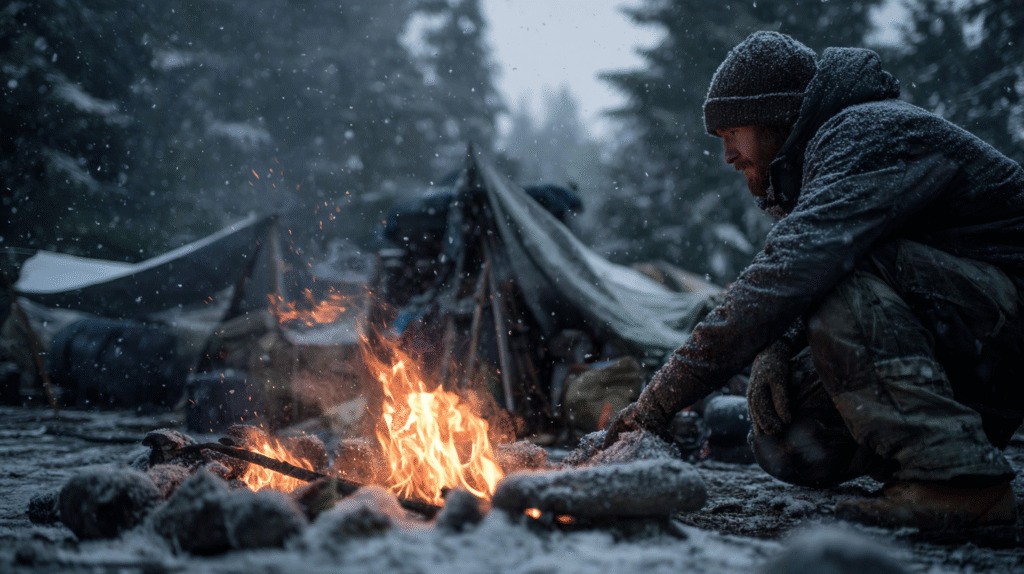
In a long-term crisis or wilderness scenario, staying warm can mean the difference between life and death. While wood is the most common fuel source for fires, it’s not always available—or sustainable. Whether you’re out of firewood, facing a wet environment, or living off-grid long-term, knowing reliable alternatives for generating heat is a skill every prepper should master.
In this guide, we’ll explore 10 practical, efficient, and sustainable heat sources that can keep you warm, cook your food, and even generate power without relying on traditional firewood.
1. Charcoal Briquettes
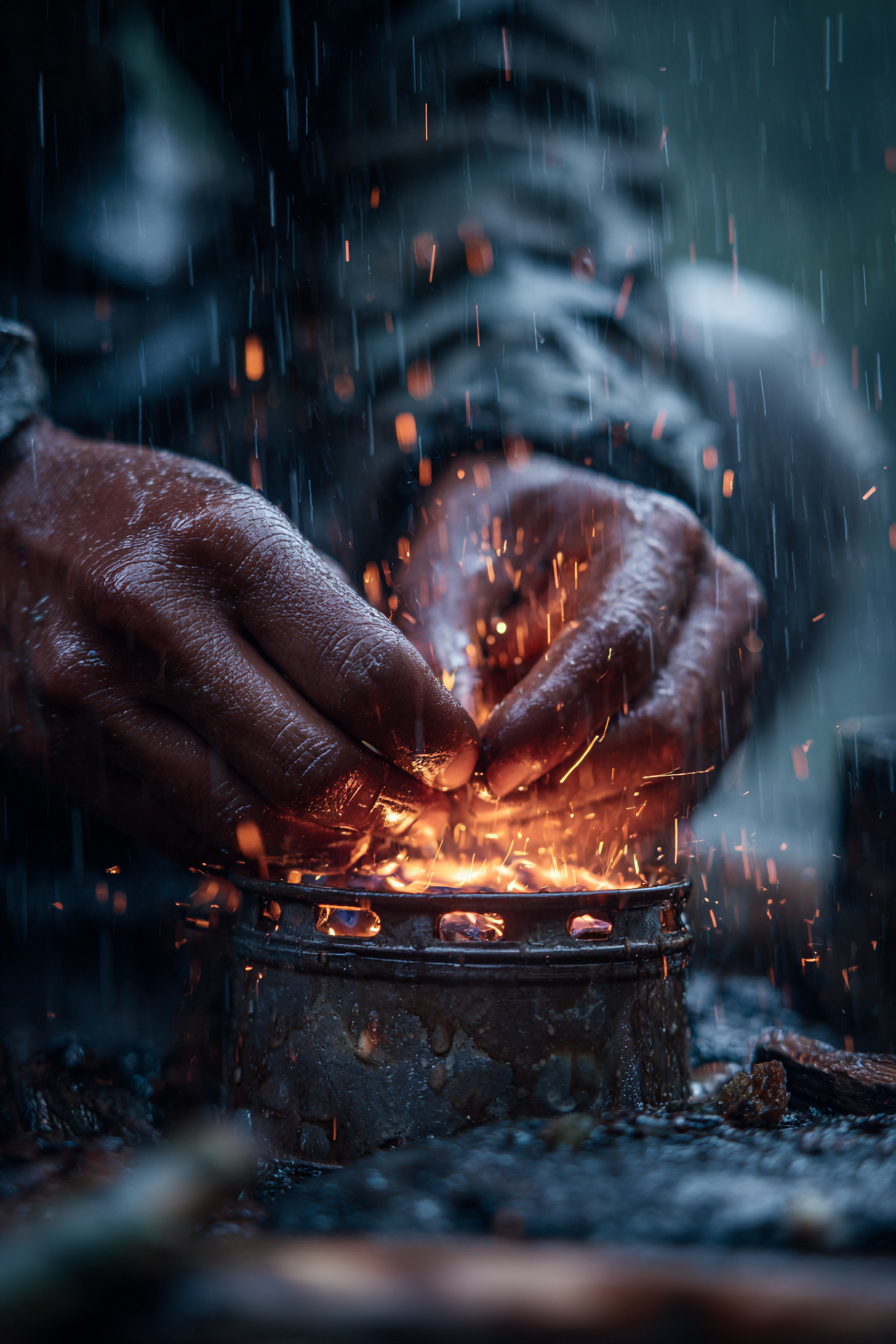
Charcoal burns longer and hotter than wood, making it an excellent alternative for heat and cooking. It produces consistent heat and can be stored indefinitely when kept dry. Use it in metal containers, stoves, or improvised fire pits.
Charcoal briquettes are lightweight, efficient, and perfect for preppers looking to conserve resources. A reliable option is the Kingsford Original Charcoal Briquettes for long-lasting burn time and easy ignition.
For additional cooking strategies that don’t rely on electricity, explore Top Portable Cooking Equipment for Emergency Situations.
2. Animal Dung
Across the world, communities have used dried animal dung as fuel for centuries. When properly dried, it burns slowly, producing steady heat without excessive smoke. Cow or buffalo dung is most common, but in survival situations, even smaller animal droppings can be used.
Dung can be shaped into cakes, dried in the sun, and stored as emergency fuel. It’s a renewable, odor-minimized heat source once fully dried.
3. Peat
Peat, found in boggy regions, is decomposed plant material that burns slowly with high heat output. It’s often cut into blocks and dried before burning. Though less common in North America, peat can be harvested in wetland regions and used effectively as a substitute for wood.
In survival terms, peat is especially valuable in wet climates where wood may not dry quickly. It provides both warmth and a smoky barrier against insects.
Peat’s long burn time makes it a great addition to your off-grid heating plan—learn how to prepare for such conditions in Prepare for a Year-Long Blackout: Essential Survival Tactics You Need to Know.
4. Bio-Bricks and Compressed Sawdust Logs
Bio-bricks are eco-friendly alternatives to firewood made from compressed sawdust or organic waste. They produce clean, consistent heat and are easy to store and handle. They’re ideal for both wood stoves and open fires.
Try Bio-Log Heat Fuel Bricks for long-lasting, high-BTU performance in a compact size.
When planning long-term storage of heat sources, it’s essential to think ahead—check out Long-Term Food Storage for Beginners: The Complete Guide.
5. Alcohol Stoves
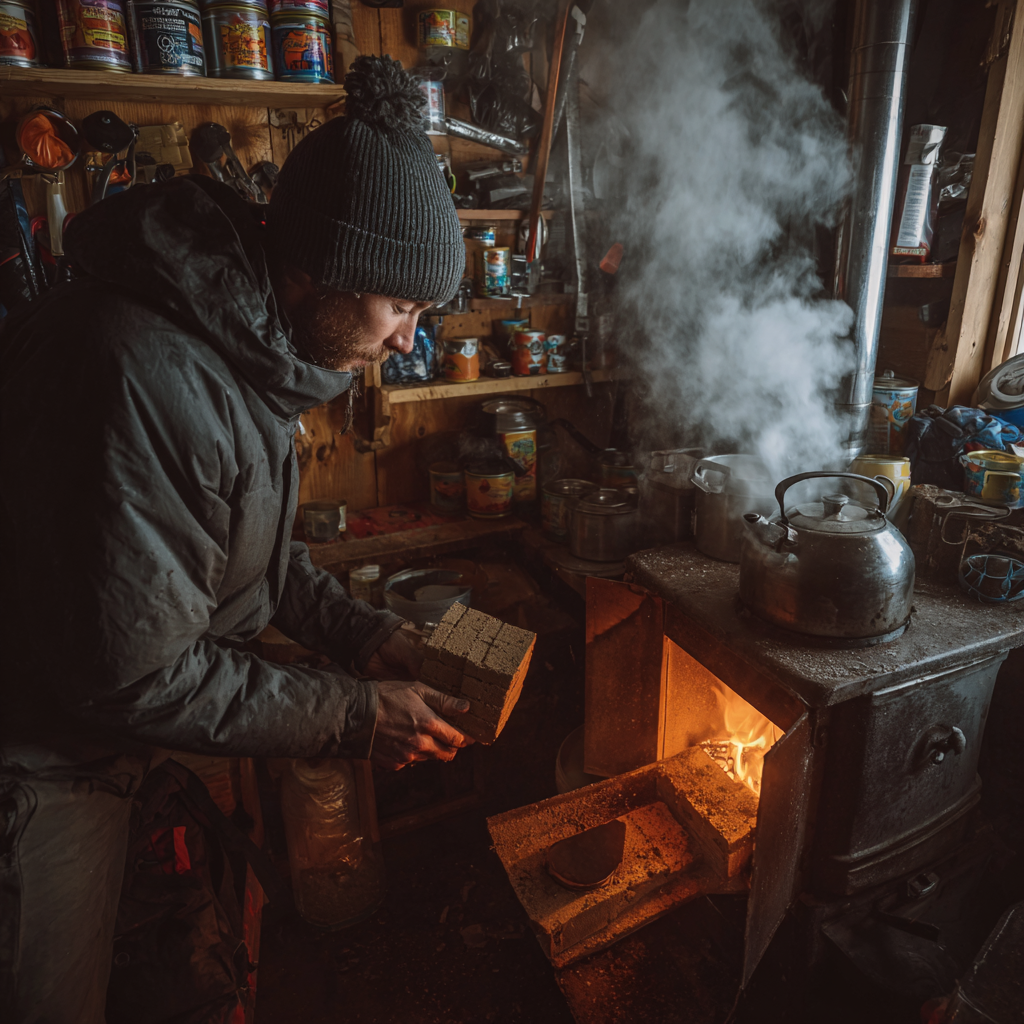
An alcohol stove is one of the most dependable off-grid heating and cooking tools. It uses denatured alcohol, which burns clean and stores easily. These compact stoves are perfect for bug-out bags or small spaces.
A top-rated option is the Trangia Spirit Burner, known for its efficiency and durability.
Pairing alcohol stoves with Emergency Shelter Options: From Tents to DIY Solutions ensures you stay warm and protected, even during extended crises.
6. Propane and Butane Heaters
Portable gas heaters are a go-to for many preppers. They provide instant, adjustable heat without requiring electricity. Always use them with proper ventilation to avoid carbon monoxide buildup.
The Mr. Heater Portable Buddy Propane Heater is one of the most trusted models for emergency use.
Propane-based solutions are especially valuable during power outages—learn how to prepare for grid failures in Emergency Lighting: From Flashlights to Solar Lanterns – Your Complete Guide.
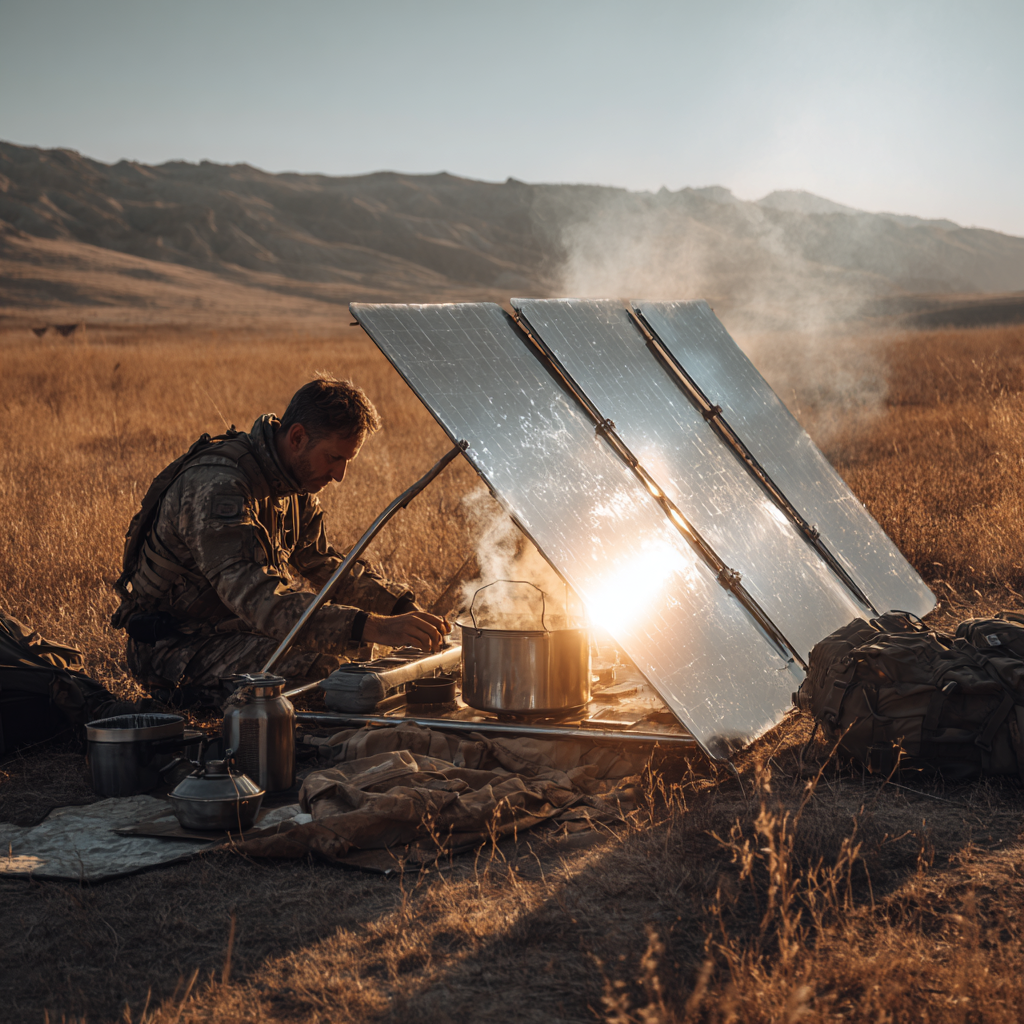
7. Solar Heat
Harnessing solar power for heat is one of the most sustainable survival strategies. Passive solar heating can be achieved using reflective materials, black containers, and solar ovens.
For small-scale applications, solar cookers like the GoSun Sport Solar Cooker can reach temperatures over 500°F, allowing you to cook and boil water without fuel.
8. Cardboard and Wax Logs
If you’re in an urban or suburban area, cardboard wax logs are an accessible and efficient fuel alternative. Made from recycled cardboard and paraffin wax, they burn cleanly and are ideal for fireplaces and camp stoves.
Try the Pine Mountain 4-Hour Firelogs for dependable burn time.
Stocking these logs is part of smart home readiness—discover similar strategies in Creating Your Ultimate Emergency Preparedness Kit: The Complete Guide for 2025.
9. Hand Warmers and Chemical Heat Packs
For short-term warmth or emergency use, chemical heat packs are small, portable, and safe. They use iron oxidation or other reactions to generate heat instantly, ideal for bug-out bags or vehicle kits.
HotHands Hand Warmers can provide up to 10 hours of warmth per packet, perfect for cold nights in the field.
For additional emergency planning ideas, see 10 DIY Emergency Kit Ideas You Can Make at Home.
10. Rocket Stoves
Rocket stoves are efficient heating and cooking devices that use small amounts of biomass—twigs, pinecones, or dried grass—burned at high heat with minimal smoke. They’re portable, lightweight, and perfect for both home and field use.
A reliable choice is the Ohuhu Portable Stainless Steel Rocket Stove, designed for compact storage and maximum heat output.
Rocket stoves are essential for off-grid survival setups, complementing knowledge shared in Emergency Signaling Devices: How to Call for Help When You Need It Most.
Final Thoughts
Staying warm without firewood isn’t just possible—it’s practical. By diversifying your heating sources, you increase your chances of comfort, safety, and survival in any scenario. Whether it’s solar power, chemical heat packs, or biomass stoves, these wood-free alternatives ensure that you and your family remain warm no matter what challenges come your way.
Adaptability is the cornerstone of survival—mastering heat sources beyond wood prepares you for a truly self-sufficient future.