
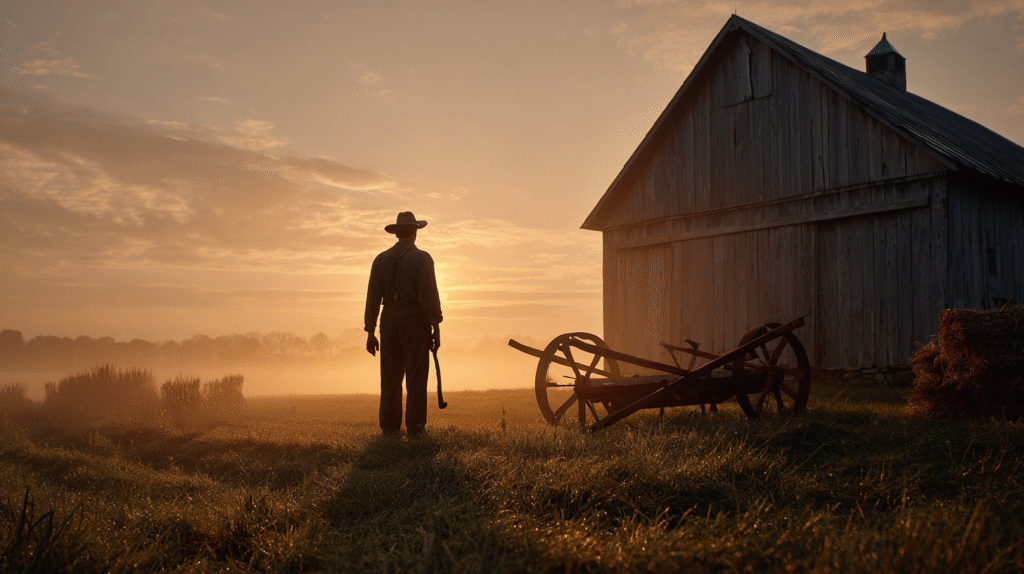
In our modern world, we rely on electricity, global supply chains, and digital convenience. But if those systems failed tomorrow, how many of us could truly survive? The Amish, who have lived self-sufficiently for centuries, hold the key to thriving without modern technology. Their traditional skills—rooted in hard work, resourcefulness, and community—can teach us how to live sustainably in any crisis.
Here are 10 essential Amish survival skills that could help secure your future when the grid goes down.

1. Growing Your Own Food: Self-Sustained Agriculture
The Amish are masters of sustainable agriculture. They grow food year-round using natural fertilizers, crop rotation, and heirloom seeds. Even if you don’t have acres of land, container gardening or raised beds can produce an abundant yield. The Victorio Kitchen Crop Sprouter is a simple way to start growing nutrient-rich sprouts indoors.
For modern preppers, food self-sufficiency is a cornerstone of survival. Learn the foundations of cultivating your own crops in Long-Term Food Storage for Beginners: The Complete Guide.
2. Seed Saving: Ensuring Future Crops
Seed saving guarantees food independence season after season. The Amish preserve seeds from their best harvests, ensuring strong, resilient crops. You can do the same by using tools like the Homestead Seed Saving Kit, which helps organize and store heirloom seeds safely.
Understanding which plants to save and how to store their seeds ensures a renewable food source.
3. Raising Livestock: A Renewable Source of Protein
The Amish maintain a balanced diet by raising chickens, goats, and cows, which provide milk, meat, and eggs. Even a small flock can supply steady nutrition. If you’re starting small, the Little Giant Poultry Feeder is a reliable option for backyard poultry.

4. Making and Mending Your Own Clothing
Amish families sew and repair their clothes rather than buying replacements. Basic sewing skills are easy to learn and can be lifesaving in a post-collapse world. A durable Singer Heavy Duty Sewing Machine allows you to craft clothing, blankets, and even gear repairs.
Self-reliance extends beyond food—learn to maintain your tools and clothing in 50 Must-Have Items That Could Save Your Life in a Crisis.
5. Preserving Food: Canning and Fermentation
Without refrigeration, food preservation becomes critical. Amish families can, dehydrate, and ferment to extend their harvest. A Ball Mason Canning Kit is an affordable way to start preserving at home.
6. Carpentry and Repair: Building Without Power Tools
Amish craftsmanship is legendary for its precision and durability. Learning to build or repair without relying on electric tools is one of the most empowering skills you can gain. A reliable Estwing 16-Ounce Hammer and a quality hand saw can handle most basic repairs and builds.
These traditional carpentry methods are essential for maintaining homesteads and shelters during crises. Strengthen your shelter-building know-how through Emergency Shelter Options: From Tents to DIY Solutions.
7. Herbal Medicine and Natural Remedies
Without access to modern medicine, the Amish rely on herbal remedies passed down through generations. Herbs like echinacea, elderberry, and garlic are powerful natural treatments for common ailments. A compact Herb Garden Starter Kit can help you grow your own healing herbs year-round.

8. Living Off the Grid: Harnessing Natural Resources
Amish communities thrive without modern utilities by relying on solar energy, wind power, and manual labor. A Jackery SolarSaga 100W Solar Panel can power critical devices during blackouts or off-grid living.
9. Bartering and Community Trade
The Amish practice bartering instead of using money, trading goods, food, or services within their communities. In an economic collapse, these networks become lifelines. Build your own barter-ready inventory by storing extra essentials like tools, soap, and candles.
10. Blacksmithing and Metal Repair
Forging and repairing tools is a skill many Amish still use daily. Being able to mend tools, make nails, or craft cooking implements saves money and ensures independence. The Central Forge 5-Inch Anvil is perfect for beginners wanting to learn basic blacksmithing techniques.
Final Thoughts
The Amish way of life offers powerful lessons in resilience, discipline, and sustainability. From growing food and raising livestock to making clothes and crafting tools, their skills reflect a deep connection with the land and community. By adopting even a few of these practices, you’ll not only increase your preparedness but also rediscover a way of living that’s simple, secure, and profoundly rewarding.