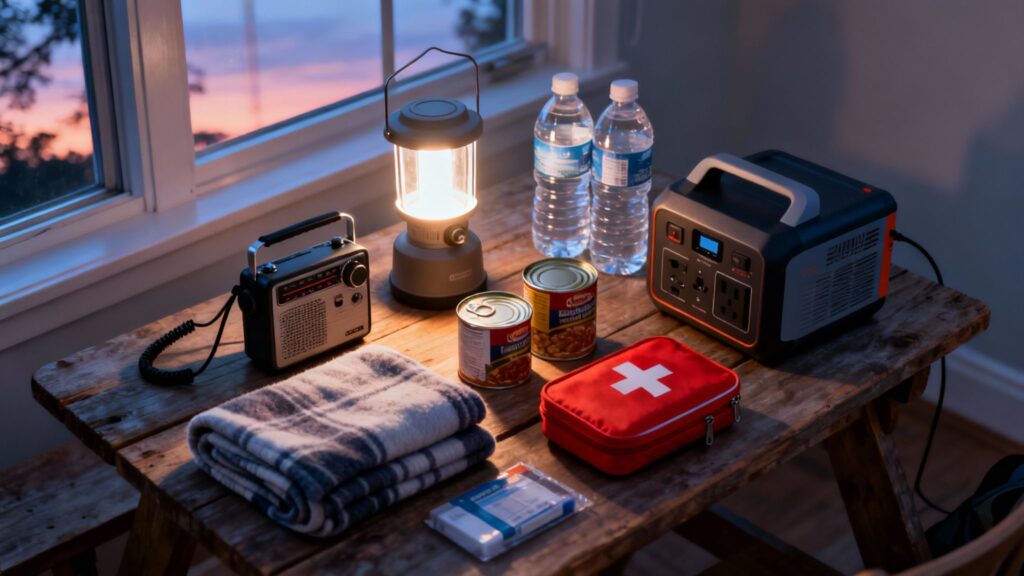
Preparing for a power outage isn’t just about stashing a few flashlights and some canned soup. It’s about building a layered plan that covers your core needs: essential supplies, communication, and the tools for self-reliance. The goal here is to shift your mindset from anxiety to confident action, making sure your family is ready for anything from a few hours of inconvenience to a longer grid-down event.
Why Blackout Preparedness Is No Longer Optional
That sudden, silent darkness when the power cuts out is a jarring experience. One moment, life is humming along; the next, you’re completely disconnected from the modern world. This guide isn’t about fear. It’s about building practical, real-world resilience for your family because, frankly, personal preparedness is now a modern necessity.
Our total dependence on a stable power grid is our greatest vulnerability. Blackouts are happening more often and lasting longer for a few key reasons:
- Aging Infrastructure: Much of our electrical grid is decades old, patched together and incredibly susceptible to failure under stress.
- Extreme Weather: Hurricanes, ice storms, and brutal heatwaves are putting demands on the system it was never designed to handle, and it’s breaking.
- Increased Demand: A growing population and the push to electrify everything from cars to home heating are straining the grid to its absolute limits.
Understanding Grid Vulnerability
The fragility of our interconnected power systems isn’t some new revelation. The Northeast Blackout of 1965, for example, plunged over 30 million people into darkness because of a single faulty relay. It doesn’t take much.
Looking at more recent data, one analysis showed that between 1984 and 2006, the U.S. experienced 933 major blackout events. Nearly 30% of those were caused by simple equipment failure. That historical data paints a clear picture of a persistent vulnerability that hasn’t gone away.
Beyond routine failures, there are other, less common threats to the grid. While a massive storm is the most likely culprit for your next outage, it pays to have a basic awareness of other high-impact events. For those who want to dig deeper into preparedness, it’s worth taking the time to understand an EMP attack and how it could affect critical infrastructure.
The core idea is simple: You are your own first responder. When the power goes out, emergency services are instantly overwhelmed. Having a plan and the right supplies empowers you to manage the situation calmly and safely until things get back to normal.
If you’re just beginning your preparedness journey, learning how to start prepping will help you build a solid foundation beyond just blackout readiness.
This roadmap is designed to give you clear, actionable steps to build that self-reliance. We’re going to move beyond a simple checklist and into a strategic mindset, equipping you with the knowledge to protect your family, maintain a degree of comfort, and face any outage with confidence.
Since severe weather is the most common cause of power outages, knowing how to prepare for natural disasters ensures you’re ready for the events most likely to affect your area.
Think of it this way: preparing for a blackout is an investment in your peace of mind.
Assembling Your Core Blackout Survival Kit
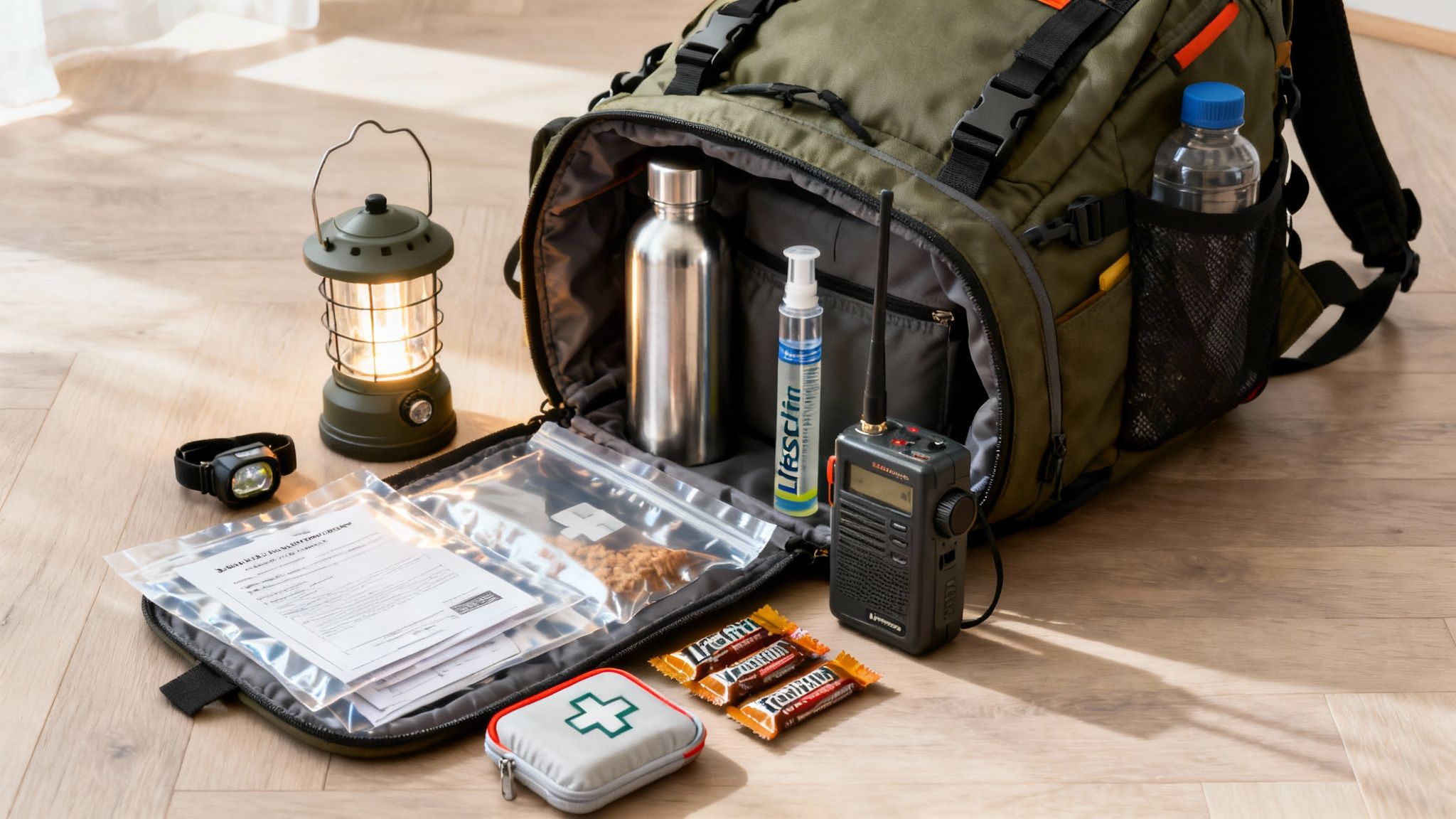
When the power fails, the first 72 hours are by far the most critical. This is the initial window where having a well-stocked, ready-to-go kit can turn a chaotic, stressful situation into a manageable inconvenience. Think of this kit as your family’s lifeline, the foundation for self-reliance that meets your immediate needs without panic.
Don’t just throw random supplies in a box. Your kit should be a system designed to solve specific problems: thirst, hunger, darkness, and isolation. The real key is to assemble it before you need it, store it somewhere obvious like a hall closet or garage, and check on it every six months. For a more detailed breakdown, you can also explore our guide on building a complete 72-hour emergency kit, which expands on these fundamentals.
If you’re new to emergency preparedness, our comprehensive guide on building a disaster supply kit walks you through the essential items every household needs.
Before we dive into the specific gear, here’s a quick-reference checklist to get you started. This table covers the bare minimum your family needs to be self-sufficient for the first three days of an outage.
72-Hour Blackout Kit Checklist
| Category | Essential Items | Recommended Quantity (Family of 4) |
|---|---|---|
| Water | Bottled Water | 12 gallons (1 gallon/person/day) |
| Water Purification Method | 1 portable filter or purification tablets | |
| Food | No-Cook, High-Calorie Foods | 3 days worth (protein bars, nuts, canned goods) |
| Manual Can Opener | 1 | |
| Lighting | LED Headlamps | 1 per person (4 total) |
| LED Lantern | 1-2 | |
| Extra Batteries | At least 2 full sets for all devices | |
| Communication | Hand-Crank/Battery Radio | 1 (NOAA weather band capable) |
| Portable Power Bank | 1 fully charged | |
| First Aid | Comprehensive First-Aid Kit | 1 |
| Prescription Medications | 7-day supply | |
| Over-the-Counter Meds | Pain relievers, allergy meds, etc. | |
| Sanitation | Toilet Paper, Wipes, Hand Sanitizer | Sufficient supply for 3 days |
| Garbage Bags with Ties | 1 roll | |
| Important Docs | Copies of IDs, Insurance, Deeds | In a waterproof bag |
| Emergency Contact List | Physical paper copy | |
| Cash | Small bills |
This checklist is your starting point. Use it to build your foundation, and then we can get into the specifics of why each of these categories is so important.
Essential Lighting Solutions
Your first move when the lights go out should be to create safe, reliable light. Fumbling in the dark is an easy way to get hurt, and flipping on a headlamp immediately brings a sense of control to a disorienting situation. While candles might seem traditional, they are a major fire hazard and should be your absolute last resort.
Instead, lean into modern, efficient LED technology.
- LED Headlamps: These are non-negotiable in my book. Keeping your hands free to navigate, cook, or check on a child is a massive advantage. Make sure every person in your household has one.
- LED Lanterns: A good battery-powered lantern can light up a whole room, creating a central gathering spot for your family. They’re much safer and more effective than a bunch of small flashlights.
- Extra Batteries: Stockpile at least one full set of replacement batteries for every single device in your kit. Check them twice a year to make sure they haven’t expired or started corroding.
Water Storage And Purification
You can go for weeks without food, but only a few days without water. Getting your water storage right is the single most important part of your blackout prep. The rule of thumb is one gallon of water per person, per day, which covers both drinking and basic hygiene. For a family of four, that means you need a minimum of 12 gallons for your 72-hour kit.
Commercially bottled water is the simplest and safest bet for long-term storage. But you absolutely need a backup purification method as a second layer of security.
If your primary water supply runs low, a trustworthy water filter lets you safely treat water from other sources, like your water heater or even a nearby creek. Portable filters like a LifeStraw or a Sawyer Squeeze are excellent, lightweight additions that can process hundreds of gallons, removing dangerous bacteria and protozoa.
No-Cook Food And Nutrition
In a short-term outage, your food goals are simple: calories and morale. The food in your kit needs to be ready-to-eat with zero cooking, because you can’t count on having a safe way to heat things up.
Pick foods that are nutrient-dense, shelf-stable, and, most importantly, things your family will actually eat. Familiar comfort foods can be a huge psychological boost during a stressful event.
- High-Energy Bars: Protein bars, granola bars, and Clif bars are perfect for a quick calorie injection.
- Dried Fruits and Nuts: These offer a great mix of healthy fats, protein, and carbs.
- Canned Meats and Fish: Tuna, chicken, or salmon packed in water are protein powerhouses. Always look for pull-top cans so you don’t have to hunt for a can opener.
- Ready-to-Eat Meals: Things like peanut butter, crackers, and beef jerky are easy, no-fuss staples.
Pro Tip: I like to make personalized “mini-kits” for each family member in large, labeled Ziploc bags. I’ll pack their favorite snacks, a small book or game for the kids, and any personal items. This keeps things organized and gives everyone a sense of ownership and comfort.
Communication And Information
When the power goes out, your Wi-Fi is gone, and cell towers can get overloaded or lose power themselves. Staying informed about the outage and getting updates from emergency services is crucial. Your smartphone is a great tool, but its battery won’t last forever.
This is where a hand-crank emergency radio proves its worth. A quality model like the Midland ER310 gives you AM/FM radio, NOAA weather alert channels, and often includes a flashlight and a USB port to give your phone a little extra juice. The ability to generate your own power means you’ll never be completely cut off from the outside world. As a final backup, keep a physical paper copy of important phone numbers tucked away in your kit.
Securing Power, Light, And Heat For Extended Outages
When an outage drags on past the first day or two, your mindset has to shift from short-term coping to sustainable living. The first 72 hours are about getting by with your basic kit. Anything longer demands a much more robust strategy for power, warmth, and cooking.
This is where your real preparations pay off. It’s not just about having a few extra flashlights and batteries. It’s about creating a small, independent ecosystem that can support your family’s essential needs for days, or even a week, helping you maintain safety and a sense of normalcy when the grid is down for the count.
Choosing Your Backup Power Source
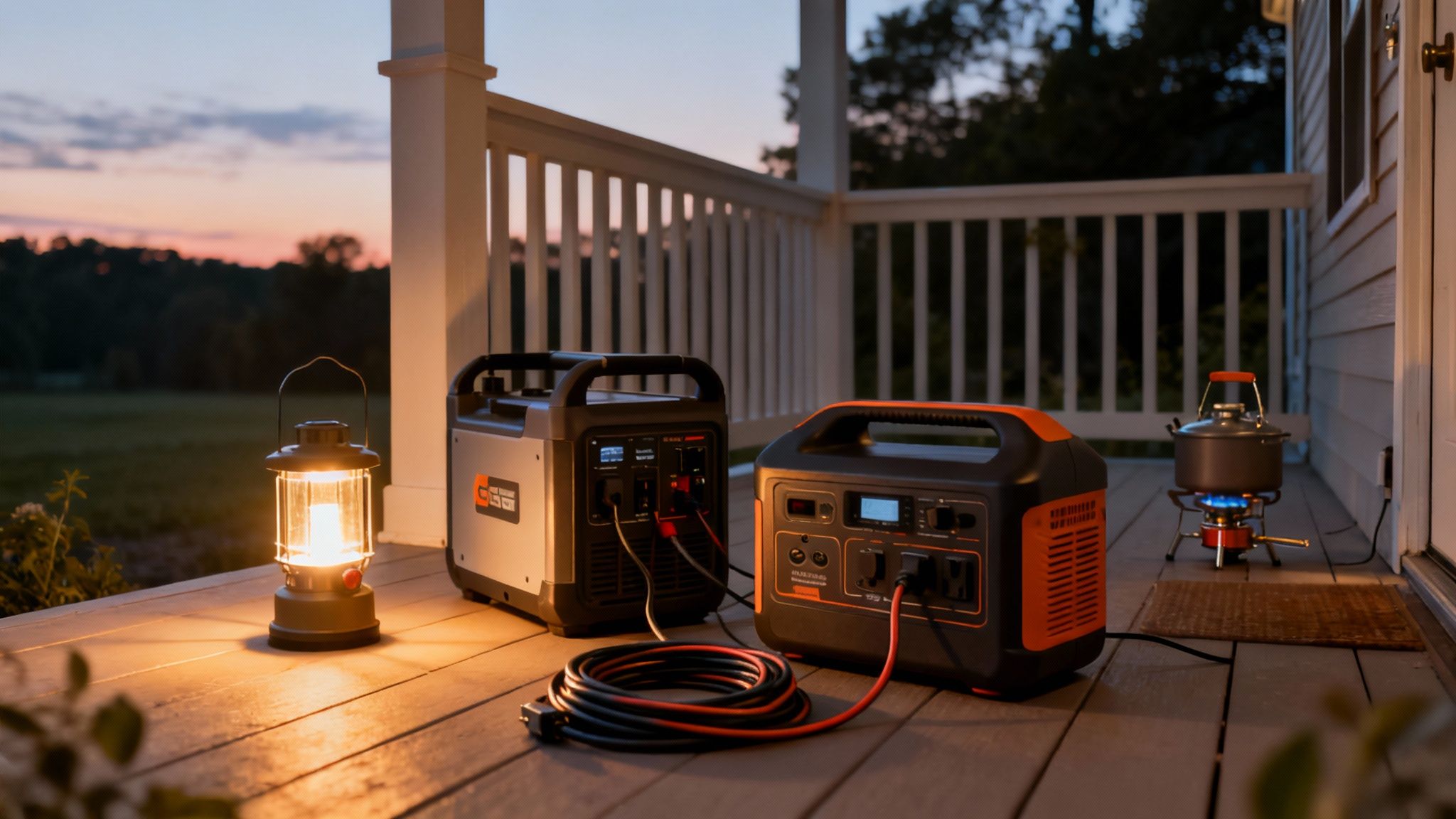
A reliable source of electricity is the cornerstone of any long-term outage plan. For most of us, this boils down to two main options: a traditional gas-powered generator or one of the newer portable power stations. They each have their place, but they are not interchangeable.
Gas generators, from trusted brands like Honda, are the heavy lifters. They can run power-hungry appliances like your refrigerator, freezer, and even a well pump. This makes them a fantastic choice for homeowners, especially in rural areas. The big catch? They produce deadly, odorless carbon monoxide gas. A gas generator must be run outdoors, at least 20 feet away from any doors, windows, or vents. No exceptions.
Portable power stations are a different beast entirely. Units like the popular Jackery Explorer series are essentially massive, rechargeable batteries. They’re silent, produce zero fumes, and are completely safe to use indoors. This makes them perfect for apartment dwellers or for running sensitive electronics like laptops, phones, or critical medical equipment like a CPAP machine. Their limitation is capacity; they simply can’t run a freezer for days on end like a gas generator can.
A hybrid approach is often the most resilient solution. Use a gas generator outside for the heavy-lifting tasks (like keeping the freezer cold) and a portable power station inside for safe, quiet power for your lights and devices.
Staying Warm Without Central Heat
Losing power in the winter is more than just an inconvenience—it can be downright life-threatening. Without your furnace, a home’s temperature can plummet to dangerous levels in just a few hours. A safe, non-electric heat source is non-negotiable.
First, what not to do. Never, ever use outdoor equipment like a charcoal grill, propane camp heater, or your gas oven to heat your home. These methods produce huge amounts of carbon monoxide and are an extreme fire risk. You absolutely need a heater that is specifically rated for indoor use.
One of the most trusted options is a propane-powered radiant heater like the Mr. Heater Buddy. These units are designed with crucial safety features like a low-oxygen sensor and an automatic tip-over shutoff. Even so, you must have a window cracked for ventilation and a working carbon monoxide detector in the same room.
Don’t forget the low-tech methods, which are surprisingly effective:
- Isolate a single room: Close the doors to unused parts of the house. Hang blankets in doorways to concentrate heat in a smaller, central living space.
- Layer your clothing: Wear multiple layers of loose-fitting clothes. A hat and warm socks make a huge difference, even indoors.
- Use sleeping bags: A good sleeping bag is designed to trap body heat far more efficiently than standard blankets.
If you’re trying to decide between different power solutions, our in-depth guide to the best portable power sources can help you compare models and find the right fit for your needs.
Safe Off-Grid Cooking Methods
Being able to cook a hot meal provides critical nutrition and a massive morale boost during a long outage. Since your kitchen stove will likely be out of commission, you need a safe alternative. The golden rule here is to move any cooking that involves a flame or combustion outdoors.
Your backyard barbecue grill, whether it’s propane or charcoal, is an excellent resource. You already know how to use it, and it’s a familiar and effective tool. A simple propane camp stove is another fantastic option for boiling water, heating canned goods, or cooking simple one-pan meals.
Always use these devices on a stable, non-flammable surface well away from the side of your house. A little bit of planning here ensures you can eat well and stay safe, no matter how long the lights are out.
Protecting Vulnerable Family Members And Your Home
A blackout is a serious disruption for anyone, but the stakes get exponentially higher when you have vulnerable people in your home. For infants, the elderly, and anyone with a chronic medical condition, a grid-down event is more than an inconvenience—it’s a genuine risk. Your blackout plan has to go beyond general supplies and address their specific needs with careful attention.
At the same time, the darkness that upends our routines can also embolden those with bad intentions. When your fancy security system goes offline, your home’s defenses are stripped back to the basics. Real protection means thinking about both your family’s immediate health and the physical security of your property.
Medical And Special Needs Preparedness
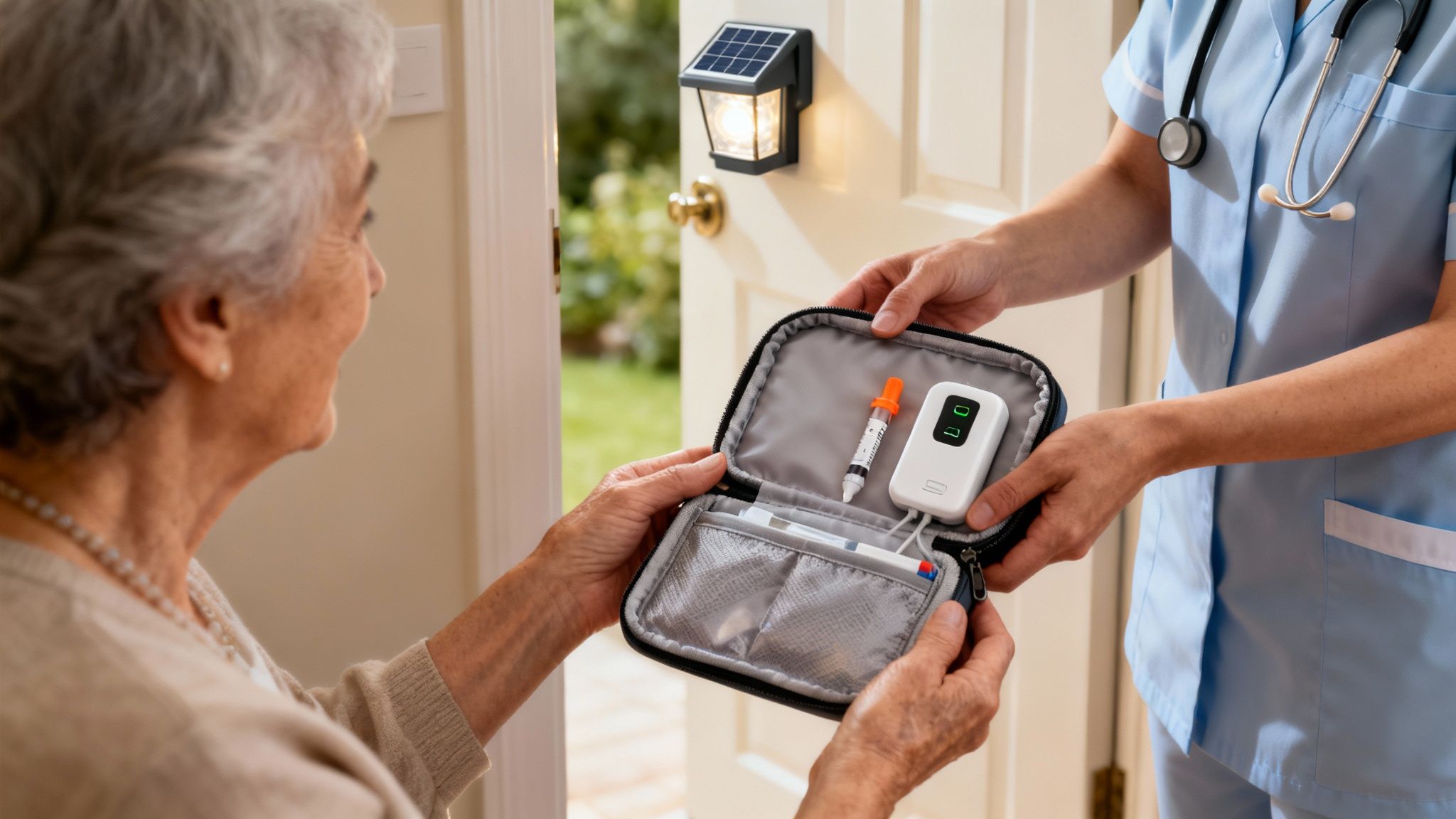
For some, a power outage isn’t just about the lights going out; it’s a full-blown medical emergency waiting to happen. If someone in your house depends on refrigerated medications or powered medical devices, you absolutely need a dedicated power strategy.
Refrigerated drugs like insulin are incredibly sensitive to temperature. One power outage can easily ruin them, making them completely useless. You might get by for a day or two with a high-quality cooler like a YETI Tundra stuffed with frozen gel packs, but that’s a temporary fix. For anything longer, you need a better solution.
This is where a small, indoor-safe portable power station becomes an essential piece of medical gear. It can run a mini-fridge to keep meds at a safe temperature or power critical devices like a CPAP machine or nebulizer, ensuring there’s no interruption in care.
- Medical Device Power: Figure out the wattage of every essential medical device. Your backup power station needs enough juice to run them for at least 24-48 hours.
- Medication List: Keep a physical, waterproof list of all medications, dosages, and pharmacy details. If an outage drags on, this piece of paper will be invaluable for getting refills or emergency help.
- Extra Supplies: You should always have at least a seven-day surplus of critical medical supplies on hand. This includes things like test strips, sterile wipes, and any prescription refills you can get in advance.
Caring For Infants And The Elderly
The youngest and oldest members of our families often have a hard time regulating their body temperature. This makes them especially susceptible to extreme heat or cold during an outage, so your plan has to prioritize their safety and comfort.
For infants, that means having a non-electric way to warm bottles. A portable bottle warmer that can plug into a power station is great, but even a simple pot and a camp stove to heat water works. Keeping a good supply of ready-to-feed formula is also a smart move, as it removes any worries about mixing with tap water that might not be safe.
Older adults often have mobility challenges or health conditions that get worse under stress. Your priority is to keep them warm, hydrated, and calm. If you can do so safely, check on your elderly neighbors—they might be isolated and unable to call for help. Building a kit just for them is a must. Our guide on creating an emergency kit for seniors breaks down exactly what they’ll need.
In any blackout, communication is key. Before an event, establish a clear plan with family members who have special needs. Ensure they know where emergency supplies are located and how to operate key equipment like an emergency radio or indoor-safe heater.
Low-Tech Home Security Tactics
When the power goes out, so do most modern security systems. Your Wi-Fi cameras, smart locks, and alarms are suddenly dead. This is when you have to rely on simple, effective security measures that don’t need electricity.
The goal isn’t to turn your home into an impenetrable fortress. It’s about making it a less attractive target. Opportunistic criminals look for the easiest mark, and a few basic deterrents are often enough to make them move on.
Start with the basics: doors and windows. A simple security bar for your sliding glass door or a door jammer for the front door adds a serious physical barrier that works without any power.
Next, use light to your advantage. Motion-activated solar lights are a fantastic, cheap investment. Put them over doorways, along walkways, and in the dark corners of your yard. They’ll charge all day and instantly light up anyone who approaches at night, drawing attention where it’s not wanted. In a blackout, visibility is one of your greatest security tools.
Your Action Plan For Short And Long Term Outages
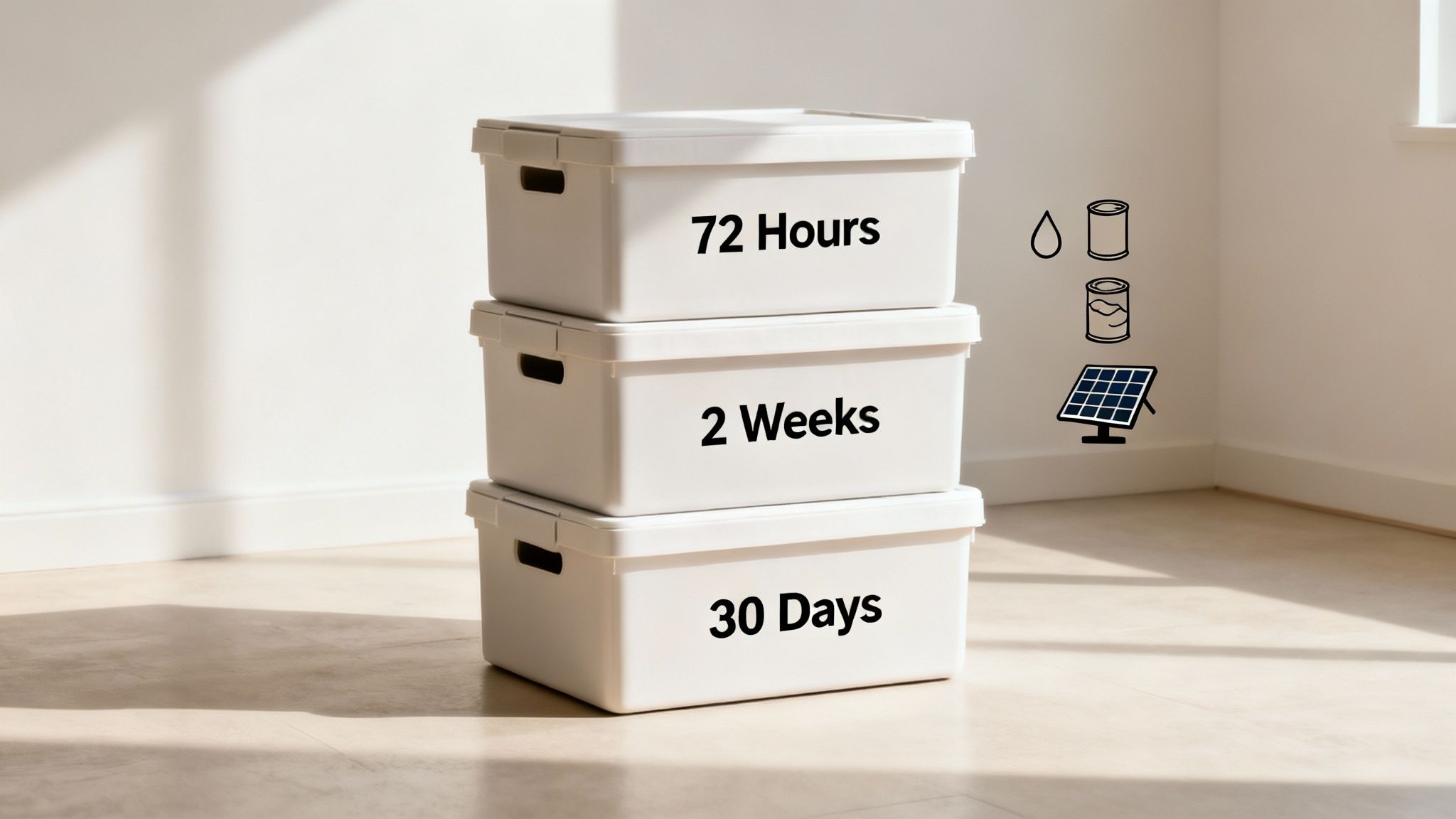
Thinking about preparing for weeks or even a month without power can feel like a mountain to climb. The secret is to stop seeing it as one giant task and instead break it down into manageable layers.
We’re going to tackle this by starting with the immediate essentials and then building out from there. This approach turns the daunting idea of “getting prepared” into a clear, step-by-step journey. Each layer builds on the last, increasing your family’s self-reliance and boosting your confidence.
Phase 1: The 72-Hour Foundation
This is your starting point—the core kit we’ve already been talking about. It’s built for speed and efficiency, containing everything you need to grab and go or simply handle the initial shock of the lights going out.
Your 72-hour foundation is what gets you through the first few days without panic. It should already have:
- Water: At least one gallon per person, per day. No exceptions.
- Food: High-calorie, no-cook foods your family will actually eat.
- Lighting: Reliable LED headlamps and lanterns with plenty of extra batteries.
- Communication: A hand-crank or battery-powered emergency radio.
- First Aid: A solid kit that includes personal medications.
Think of this as your immediate action response. It’s the gear that covers you for the first three days, which are almost always the most chaotic.
Phase 2: The Two-Week Bridge
Anyone who has watched the news after a major hurricane knows that sometimes, 72 hours isn’t enough. Major storms can knock out power for millions, and full restoration can easily take over two weeks in the hardest-hit areas. You can see the real-world impact of major storms on power grids on poweroutage.us.
This is where you expand beyond the initial crisis window. This phase is designed to sustain your family when infrastructure repairs are slow.
Here’s where you start to scale up:
- Expanded Water Storage: Move from individual gallon jugs to larger, more efficient containers. Water bricks or a WaterBOB bathtub bladder are great solutions for storing a lot of water safely.
- Deeper Food Pantry: Build a two-week supply of shelf-stable foods. Think canned goods, rice, beans, pasta, and other staples that require minimal fuel to cook.
For maximum shelf life and space efficiency, consider using vacuum seal food storage methods to preserve your emergency food supplies.
- Fuel Reserves: Safely store extra fuel for your generator or propane for your grill and camp stove.
- Hygiene and Sanitation: Don’t forget toilet paper, soap, and garbage bags. A simple bucket toilet system can be a game-changer in a prolonged outage.
The two-week bridge is all about creating breathing room. You can comfortably ride out a regional disaster without having to fight the crowds for dwindling resources.
Phase 3: The 30-Day Resilience
This final layer is where you shift from a reactive mindset to a proactive state of self-sufficiency. It’s about building robust systems that can function for a month or more, completely independent of the grid. This is where you invest in sustainable and renewable solutions.
Building true long-term resilience means understanding off-grid living essentials that can sustain your household independently of public utilities.
Key Takeaway: True resilience isn’t just about stockpiling supplies; it’s about developing skills and systems that reduce your dependence on fragile public infrastructure. This phase is an investment in long-term security.
Getting to this level involves a few key upgrades:
- Sustainable Power: This might mean a larger generator, a whole-home battery backup, or a solar setup with a power station and panels. The goal is the ability to recharge your own power sources.
- Advanced Water Filtration: Supplement your stored water with a high-capacity filtration system. A gravity-fed filter like a Berkey can make large amounts of questionable water safe to drink.
- Long-Term Food Storage: Start incorporating bulk foods like wheat, oats, and rice stored in mylar bags with oxygen absorbers. This is also the time to learn skills like baking bread or cooking from scratch.
- Community Alliances: In a long-term event, your most valuable asset is your community. Get to know your neighbors, figure out who has what skills, and talk about how you can support each other.
To help organize all of this, an emergency preparedness plan template can provide a clear framework for your family’s specific needs. By breaking your preps down into these three phases, you can systematically build a plan that equips you to handle anything from a brief outage to a prolonged grid-down scenario.
Common Blackout Prep Questions Answered
As you start prepping for a power outage, you’ll naturally run into some specific questions. Let’s tackle some of the most common ones I hear. These are the details that can really make or break your family’s comfort and safety during a blackout.
How Much Water Do I Really Need to Store for a Blackout?
The golden rule here is one gallon of water per person, per day. This amount covers both drinking and basic sanitation. So, for a family of four, that’s a minimum of 12 gallons just for a 72-hour emergency kit.
But let’s be realistic—some outages last much longer. Your real goal should be a two-week supply. For that same family of four, you’re now looking at 56 gallons.
I can’t stress this enough: supplement your stored water with a reliable filter. A simple, portable filter like a Sawyer Squeeze or a larger gravity-fed system gives you a critical backup plan. It means you can treat other water sources if your initial supply runs low.
Is a Generator My Only Option for Backup Power?
Absolutely not. While gas generators are true workhorses for heavy-duty power, portable power stations paired with solar panels have become incredible alternatives. They’re silent, produce no fumes, and are completely safe to use indoors.
This makes them perfect for running lights, charging phones and laptops, or powering essential medical gear like a CPAP machine. They won’t power your entire house like a big generator, but they’re a much safer choice for apartment dwellers and excellent for covering critical needs with renewable energy.
A hybrid approach is often the best strategy. Use a gas generator outside for the big stuff like your freezer or fridge, and keep a portable power station inside for quiet, safe power for your essentials. You get the best of both worlds.
What’s the Best Way to Handle Food in My Fridge and Freezer?
Rule number one is simple: keep the doors shut. A full freezer will stay frozen for about 48 hours; that drops to just 24 hours if it’s only half-full. Your refrigerator is a different story—food is only safe in there for about 4 hours once the power cuts out.
Here’s a pro tip: before a storm is expected, fill empty spaces in your freezer with jugs or containers of water. They’ll freeze solid and turn your freezer into a giant ice block, helping it hold its temperature much longer.
For a long outage, plan your meals strategically. Eat the perishable food from the fridge first, then start working through your freezer items. A high-quality cooler, like a YETI Tundra, can act as a temporary off-grid freezer, extending the life of your frozen goods for several more days when packed correctly with block ice.