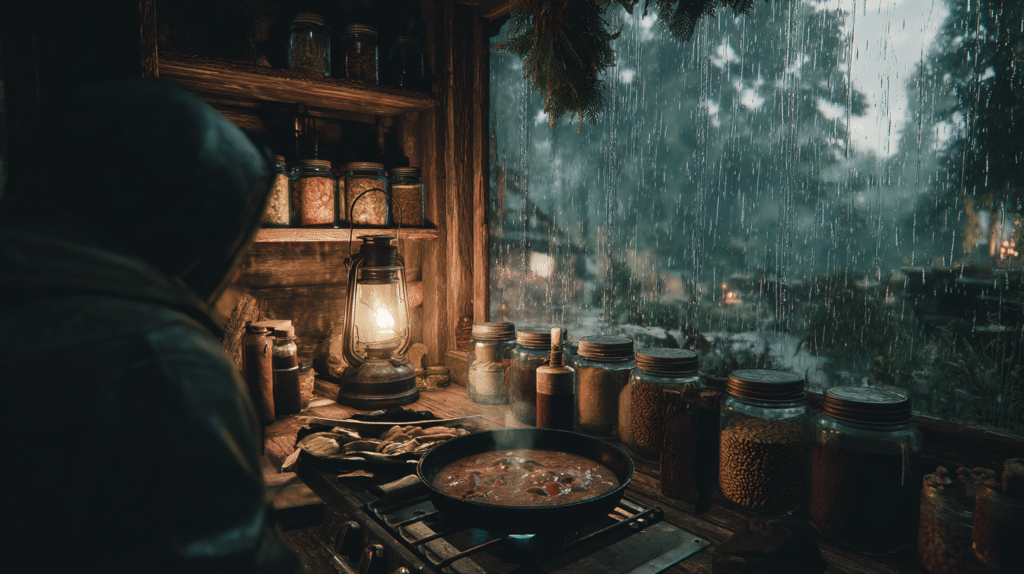

Imagine waking up one morning to complete silence. The hum of electricity, the buzz of digital devices, and the conveniences of modern life—gone in an instant. While it may sound like science fiction, experts warn that America could face a catastrophic high-altitude electromagnetic pulse (HEMP) event capable of knocking out power for months. A year-long blackout would change life as we know it, but those who prepare ahead of time can survive—and even thrive—through the chaos.
This comprehensive guide breaks down the essential tactics every family needs to endure long-term grid failure. From energy independence to food security, water access, and home defense, the steps you take now can make the difference between crisis and control.
Understanding what happens when the grid fails is crucial—explore Emergency Lighting: From Flashlights to Solar Lanterns – Your Complete Guide to prepare for power loss conditions.
1. Securing Reliable Power Sources
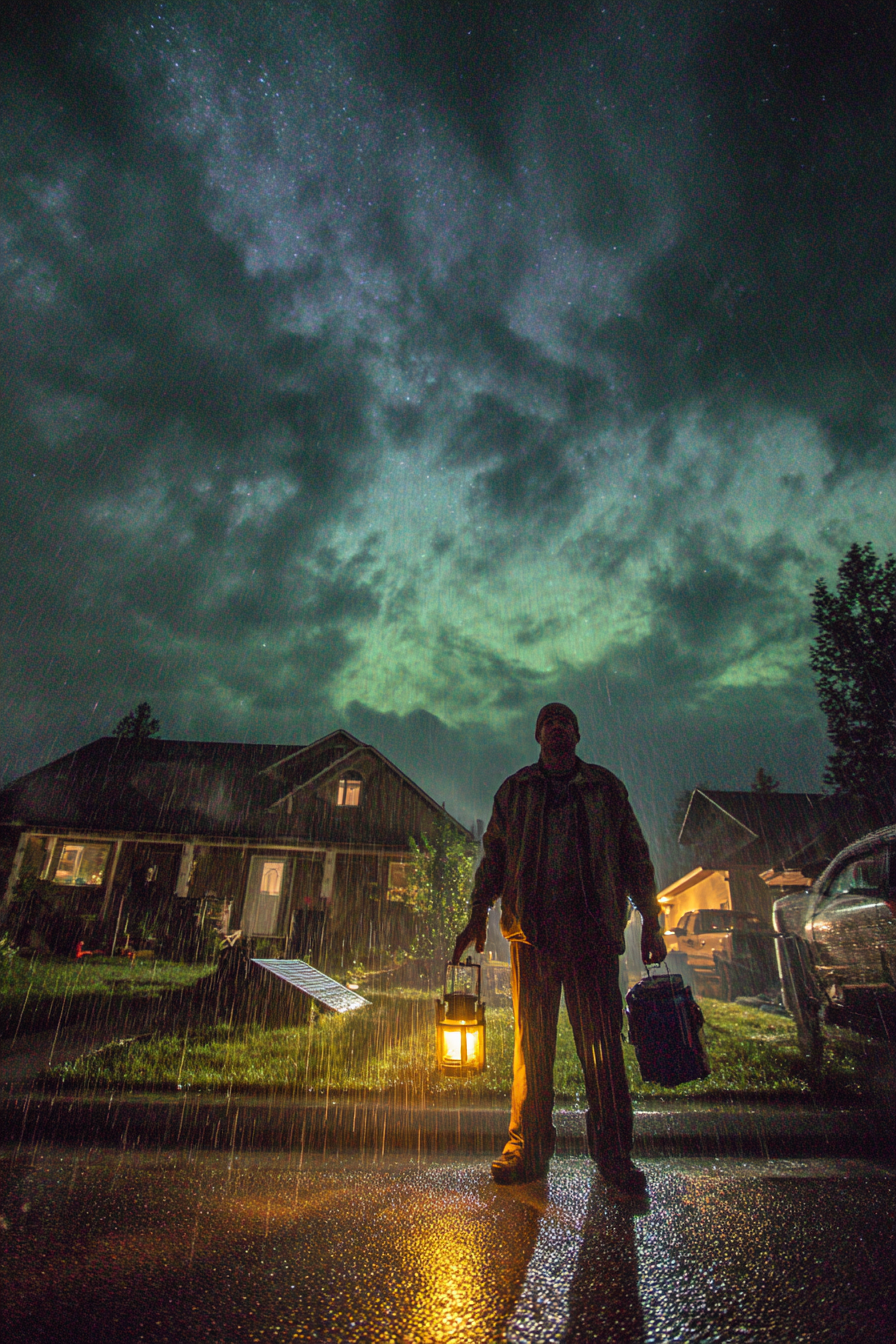
In a long-term blackout, standard generators become temporary solutions at best. Fuel shortages make gasoline and propane options unreliable over time. The key is shifting toward sustainable energy independence. Solar panels, hand-crank devices, and kinetic-powered systems can provide enough energy for lighting, communication, and cooking. Investing in the Grid Doctor 3300 EMP or Jackery Explorer Portable Power Station ensures you’ll have renewable power ready to use whenever the grid goes down.
Backup power systems can keep small devices running and preserve essential communication tools.
A single EMP event could wipe out unprotected electronics instantly. Simple protection steps—like using a Faraday cage made from aluminum foil or a metal trash can—can safeguard essential tools such as radios, phones, and battery banks. Store devices inside layers of foil and cardboard insulation to prevent contact with conductive surfaces. For dependable EMP protection storage, consider the Mission Darkness Faraday Dry Bag.
3. Securing Clean Drinking Water
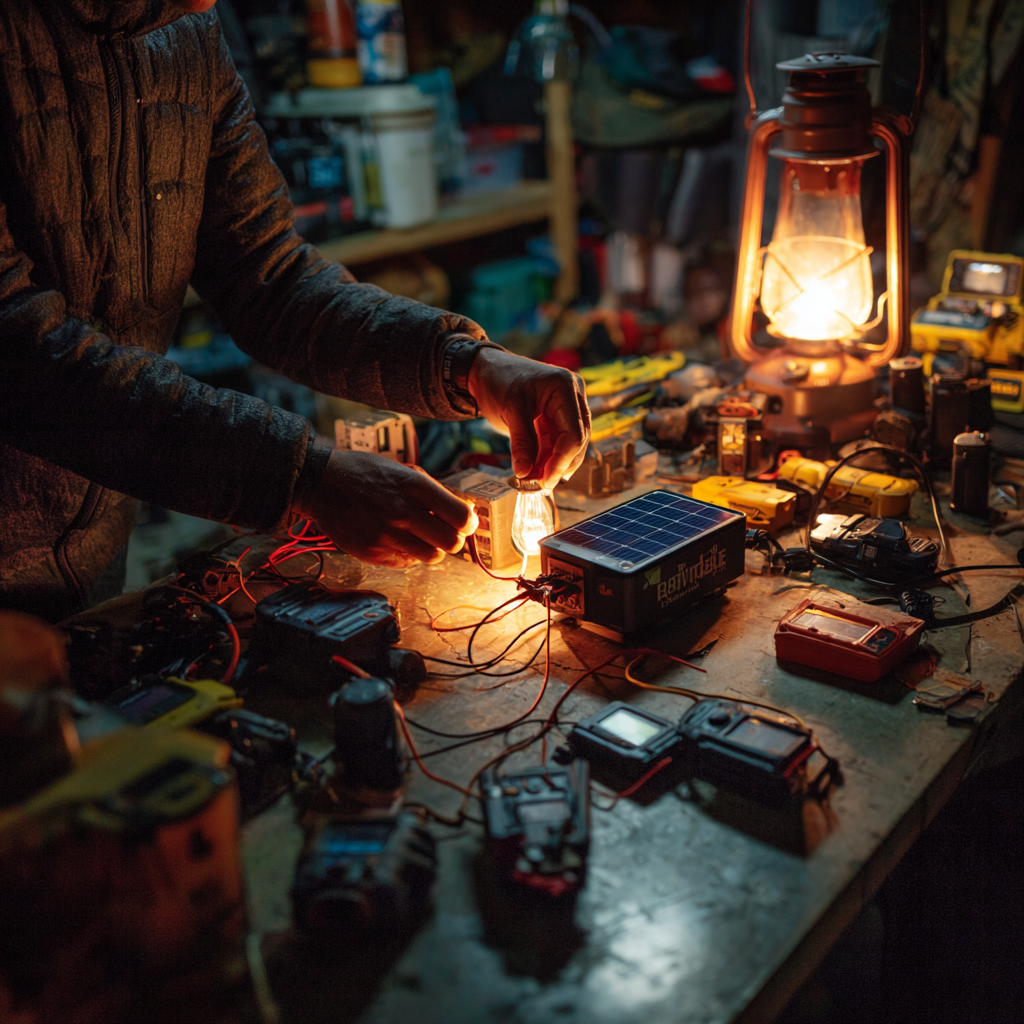
Without power, city water systems fail, leaving millions without clean drinking water. Storing at least one gallon of water per person per day for two weeks is essential, but long-term survival requires filtration and collection solutions. A Sawyer Mini Water Filtration System can purify thousands of gallons from streams, lakes, and rainwater.
To improve your readiness, explore DIY Water Purification: Ensuring Safe Drinking Water in the Wild. These guides will teach you how to find, filter, and store water effectively during extended crises.
4. Building a Sustainable Food Supply
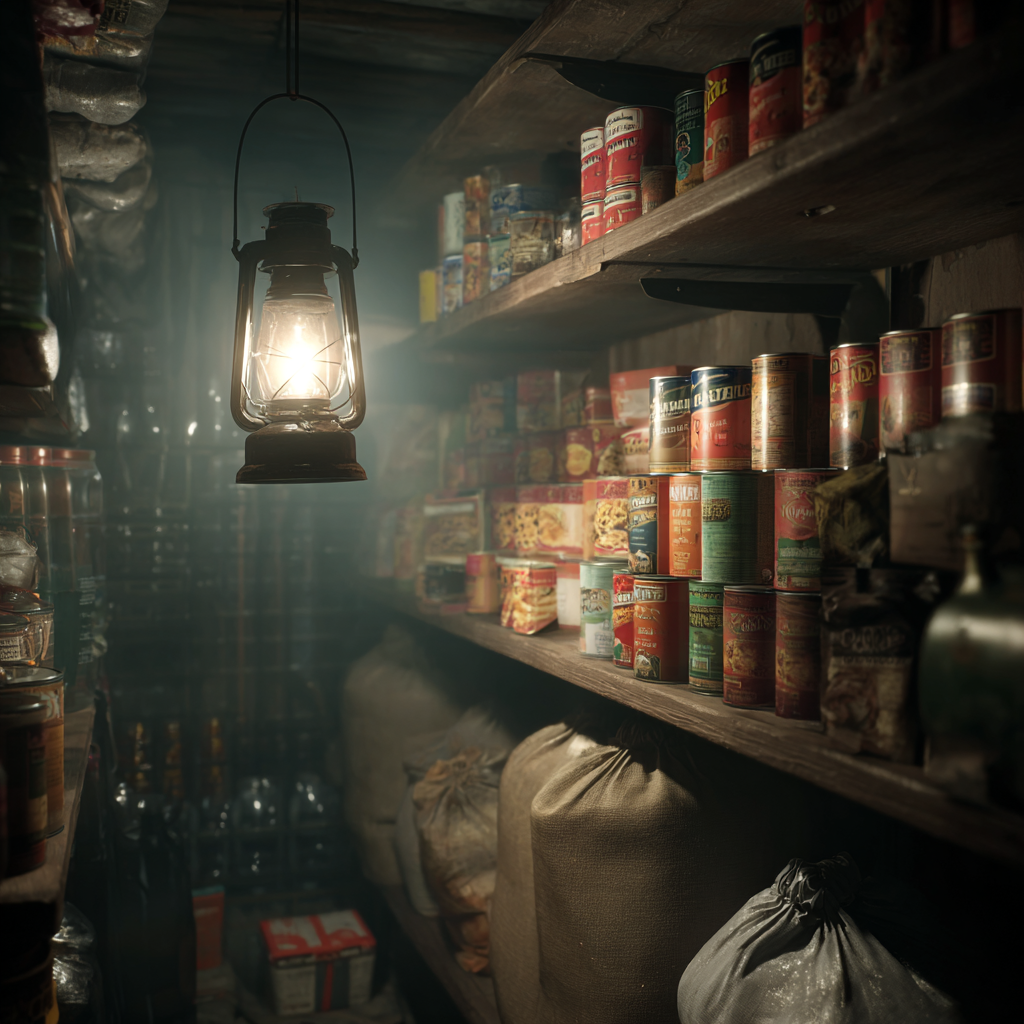
When refrigeration fails and store shelves empty, food security becomes one of the greatest challenges. Focus on stockpiling non-perishables like rice, beans, flour, and canned goods. Store food in Mylar bags with oxygen absorbers to extend shelf life. Use food-grade buckets for bulk items, and practice rotating your supplies to avoid waste.
You can deepen your preparedness with Long-Term Food Storage for Beginners: The Complete Guide. For creative ideas, see DIY Survival Soup Mixes for Emergencies and 25 Survival Recipes You Need to Master Before Disaster Strikes. These resources show how to build nutritious, shelf-stable meals with what’s already in your pantry.
Cooking without electricity requires adaptable tools. The Coleman Butane Portable Stove is compact and reliable for off-grid cooking.
5. Strengthening Home Security
A prolonged blackout often leads to civil unrest and looting. Fortifying your home with reinforced doors, motion-sensor lights, and durable locks is critical. Keep a Maglite Heavy-Duty Flashlight by every entryway for immediate use. Consider defensive measures like metal window barriers and privacy landscaping to reduce visibility.
Learn more about practical defense measures in Emergency Shelter Options: From Tents to DIY Solutions, which also covers security principles for makeshift living spaces during crises.
6. Medical Preparedness During Blackouts
With hospitals overwhelmed and pharmacies closed, medical self-sufficiency becomes essential. Build a comprehensive first aid kit with antiseptics, bandages, painkillers, antibiotics, and medical tools. Include extras like oral rehydration salts, blood clotting gauze, and thermometers. The Adventure Medical Kits Mountain Series provides professional-grade equipment suitable for long-term emergencies.
To maintain health in blackout conditions, read Staying Clean and Healthy in the Wilderness: Survival Hygiene Kit. Hygiene failures cause disease faster than starvation, making it one of the most overlooked aspects of survival.
7. Maintaining Communication
During nationwide blackouts, communication channels collapse quickly. Having a Baofeng BF-F8HP Two-Way Radio allows contact with neighbors, local emergency groups, and off-grid networks. Keep spare batteries and a small solar charger. Practice using your radio before a crisis so you know how to find open frequencies.
8. Growing a Stealth Food Garden
Gardening during a blackout provides independence and nutrition. Grow low-profile crops like potatoes, carrots, kale, and beans in concealed or container setups. A VIVOSUN Indoor Grow Light Kit allows you to grow food indoors even in low light.
9. Transportation and Mobility
If EMPs disable modern vehicles, alternate forms of transportation become critical. Keep bicycles, manual carts, or older diesel vehicles that rely less on electronics. Equip them with puncture kits and extra chains. Having a secondary travel option can mean the difference between safety and being stranded.
Explore more practical travel preparedness in Building a Comprehensive Emergency Kit for Your Pets: Because They’re Family When Disaster Strikes, which includes evacuation readiness tips applicable to families too.
10. Survival Skills and Community Preparedness
Ultimately, no amount of gear replaces skill. Learn fire-starting, shelter building, first aid, and foraging techniques. Community cooperation enhances survival—organize with neighbors, create shared defense plans, and pool resources. A well-connected neighborhood becomes its own micro-grid of resilience.
Conclusion
A year-long blackout would test every aspect of human endurance. Electricity powers not just our homes, but our food, water, medicine, and safety. Preparing now gives you the power to protect your family, maintain health, and sustain independence. Build your systems while you still can—because when the grid fails, knowledge and preparation will be your greatest allies.
Learn advanced strategies to secure your household and maintain stability through long-term grid failure at How to Prepare for World War III: Essential Survival Strategies to Protect Your Family.