Introduction
When an emergency strikes, few people think about sanitation first—but neglecting it can lead to serious health risks. During disasters, power outages, or water shortages, proper sanitation becomes a vital defense against disease and contamination.
This guide highlights emergency sanitation supplies you shouldn’t overlook, helping you stay healthy, prevent illness, and maintain comfort when resources are limited. To ensure your full kit is well-rounded, start by reviewing essential items for your emergency preparedness kit.
Why Emergency Sanitation Supplies Matter
In crisis situations, lack of clean water, functioning toilets, or waste management can quickly turn a safe environment into a breeding ground for illness. Proper sanitation supplies reduce contamination, prevent disease spread, and preserve hygiene standards—even under the toughest conditions.
They’re just as crucial as food and shelter, especially in long-term emergencies. For a broader look at personal hygiene during crises, explore essential items for your emergency hygiene kit.
Water Purification Options
Access to clean water is the foundation of sanitation. Without it, even basic hygiene becomes impossible. Make sure your kit includes:
- LifeStraw Personal Water Filter: Removes 99.999% of bacteria and parasites, allowing you to safely drink from lakes or rivers.
- Katadyn Hiker Pro Water Filter: Ideal for families or small groups, it quickly filters large quantities of water.
For a complete overview of safe water solutions, read emergency water storage and purification methods.
Sanitation Kits
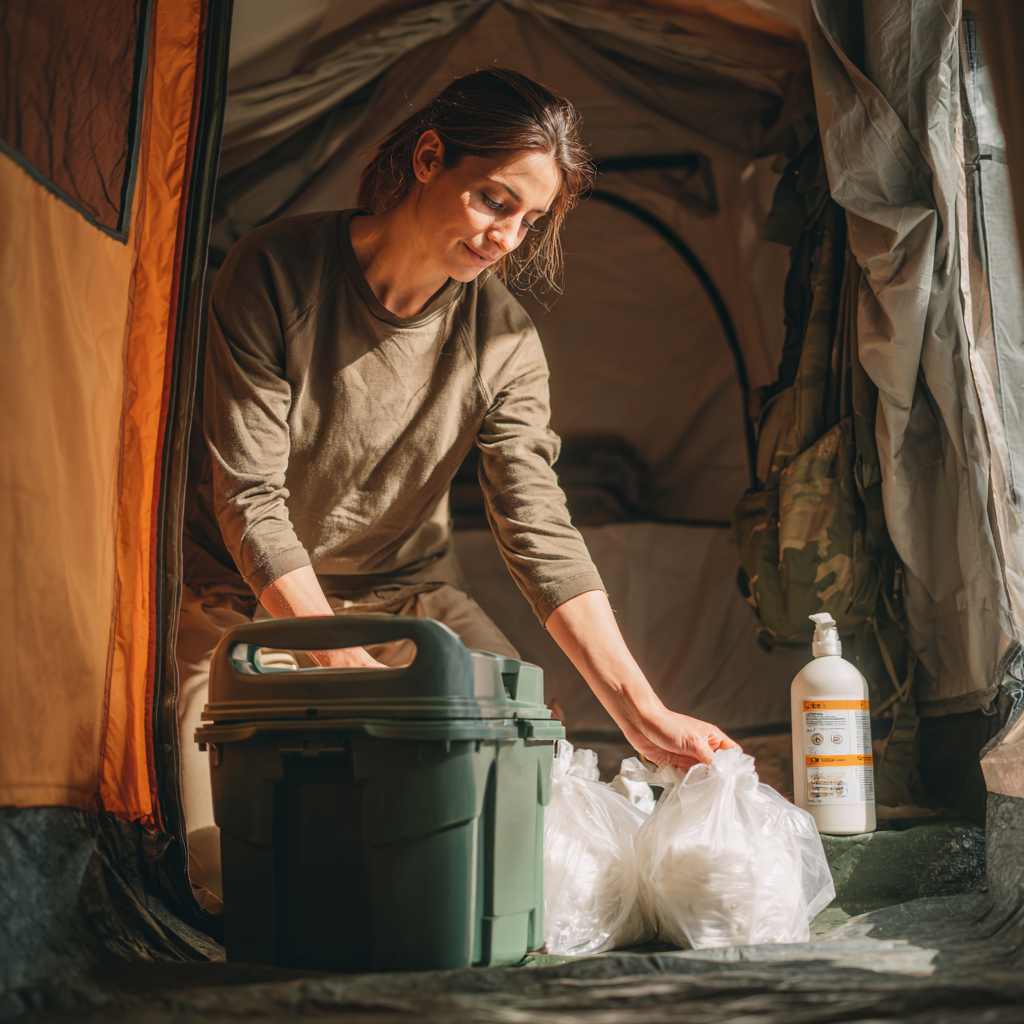
When toilets aren’t available, portable sanitation systems can help you stay clean and prevent contamination.
- Portable Toilet Kit: Includes disposable bags, disinfectants, and odor control for quick setup.
- Emergency Toilet Bags: Biodegradable and sealable, these are perfect for safe waste disposal.
For longer emergencies or off-grid living, consider including a bucket-style portable toilet or privacy shelter from your home emergency kit.
Hygiene Products
Maintaining personal hygiene keeps your body healthy and your morale high. Always have:
- Hand Sanitizer: Choose one with at least 60% alcohol, like Purell Advanced Hand Sanitizer.
- Disposable Wipes: Lysol Disinfectant Wipes clean hands, tools, and surfaces effectively.
- Toilet Paper or Alternatives: Include rolls or biodegradable baby wipes for convenience.
If you’re assembling both sanitation and personal hygiene kits, check out how to maintain and update your emergency kit for rotation and storage tips.
Waste Disposal Supplies
Proper waste disposal is key to maintaining a clean and healthy environment. Use durable tools designed for safety:
- Hefty Strong Plastic Bags: Heavy-duty bags for storing or disposing of waste securely.
- Disinfectant Spray: Keeps contaminated surfaces clean after use.
- Plastic Bucket with Lid: Useful for temporary waste collection or improvised toilets.
Never dispose of waste near water sources or camp areas. Designate a safe disposal site at least 200 feet away from living spaces.
Protective Gear
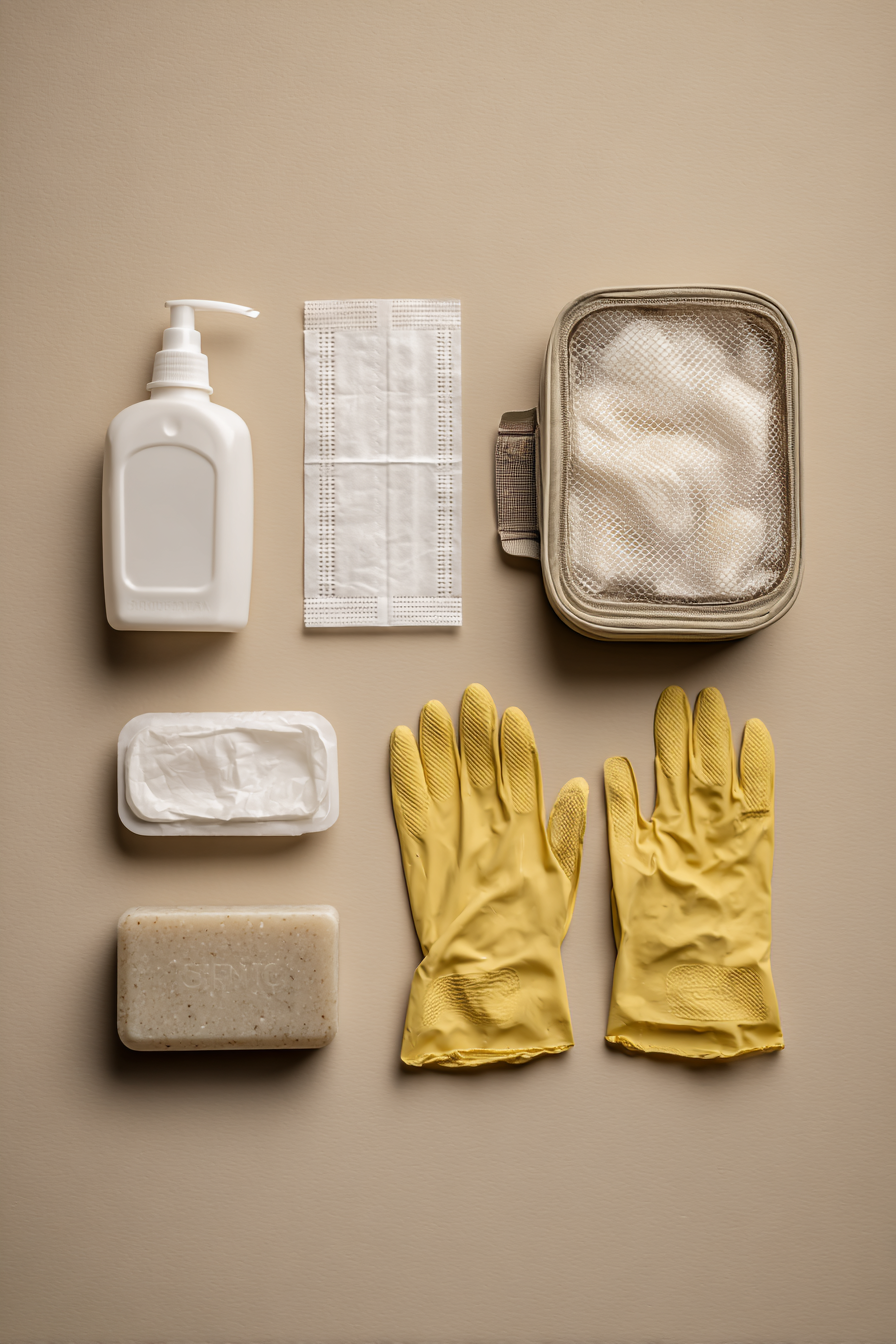
Handling waste or contaminated materials requires proper protection to avoid illness.
- Disposable Gloves: Prevent direct contact with harmful bacteria.
- Face Masks: Protect respiratory health when handling waste or cleaning unsanitary areas.
- Aprons or Ponchos: Shield clothing when disinfecting or working in outdoor environments.
Combine this section with a first-aid focus—refer to comprehensive first aid kit supplies for any emergency to manage cuts or exposure risks safely.
Personal Hygiene Items
Even when water is scarce, personal hygiene must continue. Pack these essentials:
- Biodegradable Soap: Gentle on skin and safe for outdoor use.
- Feminine Hygiene Supplies: Stock tampons, sanitary pads, or menstrual cups in waterproof packaging.
- Razor and Grooming Tools: Maintain cleanliness to prevent infection or irritation.
For an in-depth hygiene strategy, read essential items for your emergency hygiene kit, which complements your sanitation checklist perfectly.
Emergency Sanitation Stations
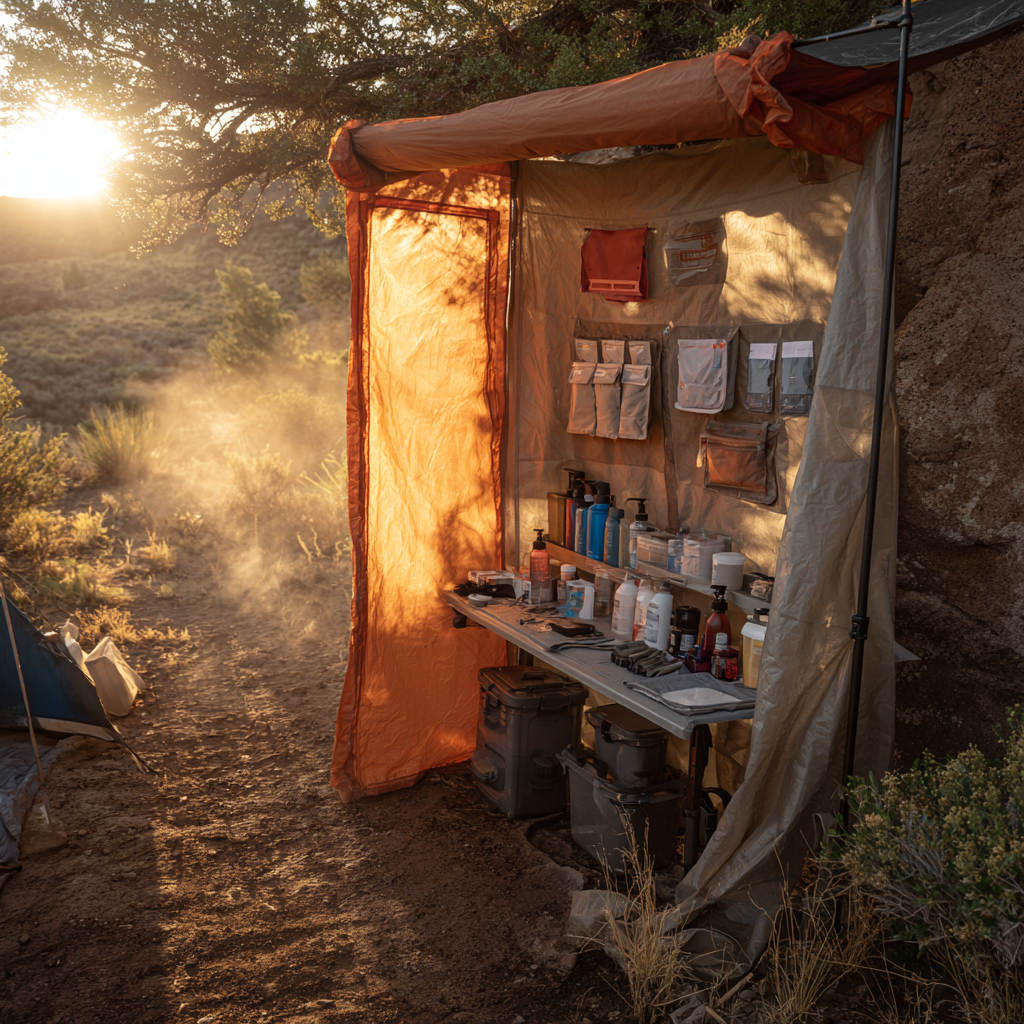
In extended emergencies, a designated sanitation area keeps routines efficient and safe.
- Portable Shower Tent: Offers privacy and containment for bathing or toileting.
- Solar Shower Bag: Uses sunlight to heat water—ideal for washing up when infrastructure fails.
If you’re building a comprehensive camp-style setup, pair this with guidance from emergency shelter options: from tents to DIY solutions.
Storage and Rotation Tips
Sanitation supplies degrade over time, especially wipes, disinfectants, and soaps. To ensure readiness:
- Store in waterproof containers and cool, dark areas.
- Check expiration dates every six months.
- Replace used or damaged items immediately.
- Keep duplicate sanitation kits—one for home, one for your vehicle or go-bag.
Combine this system with your overall emergency maintenance plan outlined in how to maintain and update your emergency kit.
Conclusion
Maintaining sanitation during a disaster isn’t a luxury—it’s a survival necessity. From clean water and disinfectants to proper waste disposal, your emergency sanitation supplies protect your health and the health of your loved ones when resources are scarce.
Start assembling your sanitation kit today, and make it part of your broader preparedness system. With the right setup, you’ll stay clean, safe, and ready—no matter what life throws your way.
For a complete checklist of essential items, see our cornerstone post on top 10 must-have items in your disaster supply kit.