You’re three days into what was supposed to be a routine hiking trip when you realize you’ve just drained the last drops from your water bottle. As your throat tightens and panic starts to set in, you remember the old rule: you can survive three weeks without food, but only three days without water. What do you do next?
I’ve spent over a decade training outdoor enthusiasts and survival experts, and if there’s one skill that consistently saves lives, it’s knowing how to find and collect water in emergency situations. In this comprehensive guide, I’ll share everything you need to know about securing this most precious resource when traditional sources aren’t available.
Why Water Matters: Understanding the Basics
Before we dive into collection methods, let’s get real about water needs. Your body requires roughly a gallon per day in normal conditions – more if you’re active or in hot weather. Dehydration can impair your judgment within hours, making an already dangerous situation potentially lethal.
Natural Water Sources: Where to Look First
Water is all around us – if you know where to look. Here are your best bets:
Surface Water Sources
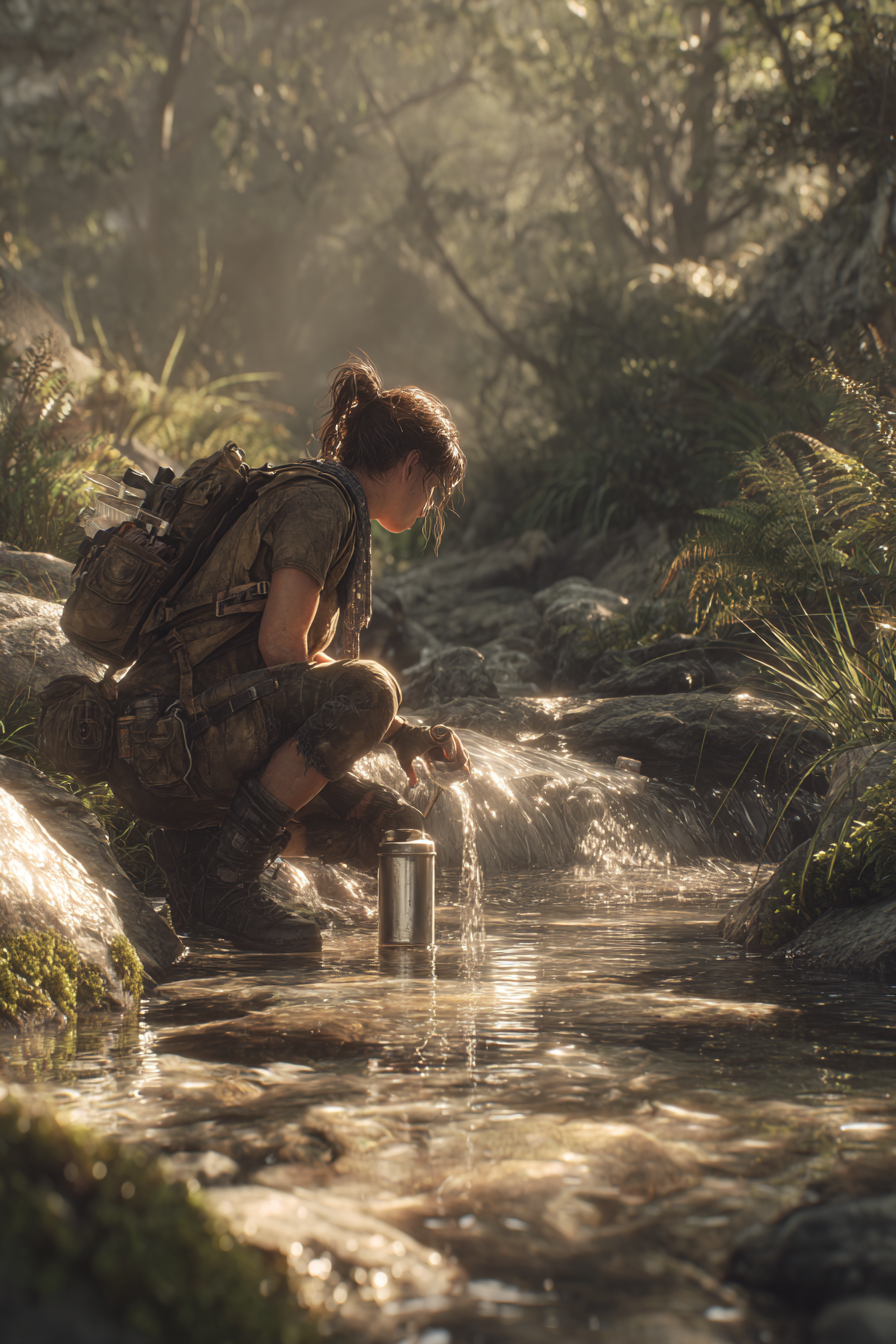
Running water like streams and rivers typically offers your safest natural option. Look for:
- Moving water over rocks (natural filtration)
- Clear water rather than stagnant pools
- Areas where animals gather (they know where the good water is
Underground Springs
Springs often provide the cleanest natural water. You can spot them by:
- Looking for unusually green patches in dry areas
- Following animal tracks
- Checking the base of cliffs or large rocks
Rainwater Collection
One of the purest sources available, rainwater collection requires minimal filtration. However, don’t drink rainwater from building roofs or contaminated surfaces.
Urban Water Sources: The Hidden Oasis
Even in cities, emergency water sources exist:
Your Home’s Secret Reserves
Your water heater holds 30-60 gallons of potable water. To access it:
1. Turn off the power/gas to the heater
2. Open the valve at the bottom
3. Open a faucet somewhere in the house to allow air flow
Toilet Tanks (Not Bowls)
The upper tank contains clean water – just avoid any with cleaning tablets.
Urban environments demand unique strategies for water collection—explore alternatives for fire survival.
Water Collection Techniques
Let’s explore both primitive and modern methods for gathering water.

Solar Still Method
This ingenious technique pulls moisture from the ground:
1. Dig a hole 3 feet wide and 2 feet deep
2. Place a container in the center
3. Cover with clear plastic
4. Place a small stone in the center above the container
5. Let the sun do its work
Transpiration Bag Technique
Plants naturally release water through their leaves:
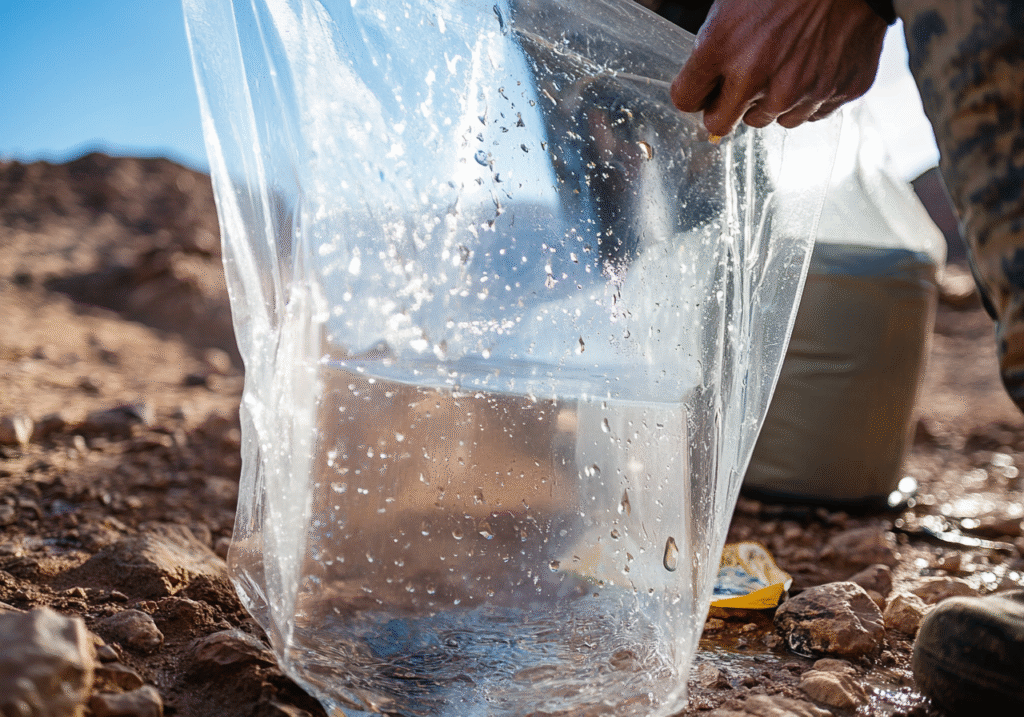
1. Secure a clear plastic bag around leafy tree branches
2. Tie it tightly
3. Let it collect for 24 hours
Purification: Making Water Safe
Even clear water can harbor dangerous microorganisms. Here are your purification options:

Boiling
- Bring water to a rolling boil for 1 minute (3 minutes above 6,500 feet)
- Most reliable method
- Requires fuel and fireproof container
Filtration
Modern filters remove:
- Bacteria (99.9999%)
- Protozoa
- Particulates
- Some viruses (depends on filter type)
Chemical Treatment
Options include:
- Iodine tablets (effective but leaves taste)
- Chlorine dioxide (better taste, more effective)
- Household bleach (8 drops per gallon of clear water)
Mastering fire-starting techniques is crucial for boiling water and ensuring safety.
Long-Term Water Storage
For home preparedness:

Storage Containers
Best options:
- Food-grade plastic containers
- Glass containers
- Specialized water tanks
- WaterBricks or similar modular systems
Storage Tips
- Store in cool, dark place
- Replace every 6 months
- Add 2 drops of bleach per gallon for long-term storage
- Don’t store directly on concrete
Pair your long-term water storage with food storage strategies for complete preparedness.
Essential Water Collection Gear
Having the right tools can make the difference between success and failure. Here’s what I recommend:

Basic Kit (Under $100)
- Sawyer Mini Water Filter ($25)
Advanced Kit (Under $400)
Legal Considerations
Before collecting rainwater or accessing natural water sources:
- Check local regulations
- Verify water rights
- Understand public land access rules
- Research local watershed protections
Emergency Preparation Checklist
✓ Store 1 gallon per person per day (2-week minimum)
✓ Rotate stored water every 6 months
✓ Keep multiple purification methods available
✓ Map local water sources
✓ Practice collection techniques before emergencies
✓ Maintain proper storage containers
✓ Keep emergency filters in multiple locations
Supplement your water collection skills with foraging knowledge for complete survival readiness—explore edible wild plants.
The Bottom Line
Water collection in survival situations isn’t just about knowledge – it’s about preparation and practice. The techniques shared here work, but only if you’ve practiced them before you need them. Start with storing water at home, then gradually build your skills with natural collection methods.
Remember: The time to learn these skills is now, not when you’re already in an emergency situation. Your life – or someone else’s – might depend on it.
Have you started preparing your emergency water supply yet? The best time to start is today.