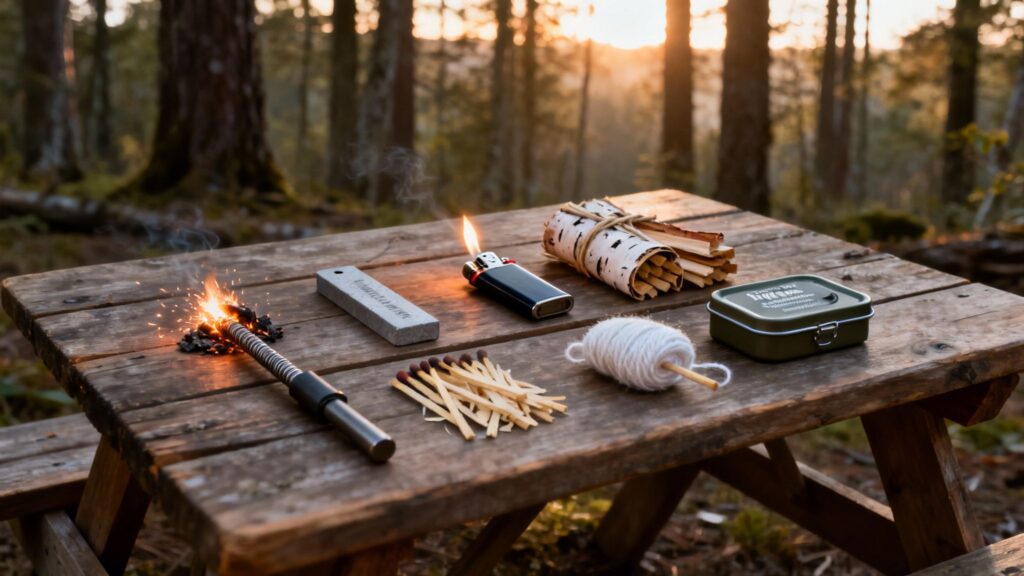
Ask any two survivalists what the single best firestarter is, and you’ll likely get three different answers. The debate is endless, but it really boils down to a trade-off between long-term reliability and sheer ease of use. For pure, bombproof function in any weather, the ferrocerium rod is king. But for speed and convenience, a simple disposable lighter is tough to beat.
Why a Reliable Firestarter Is Non-Negotiable
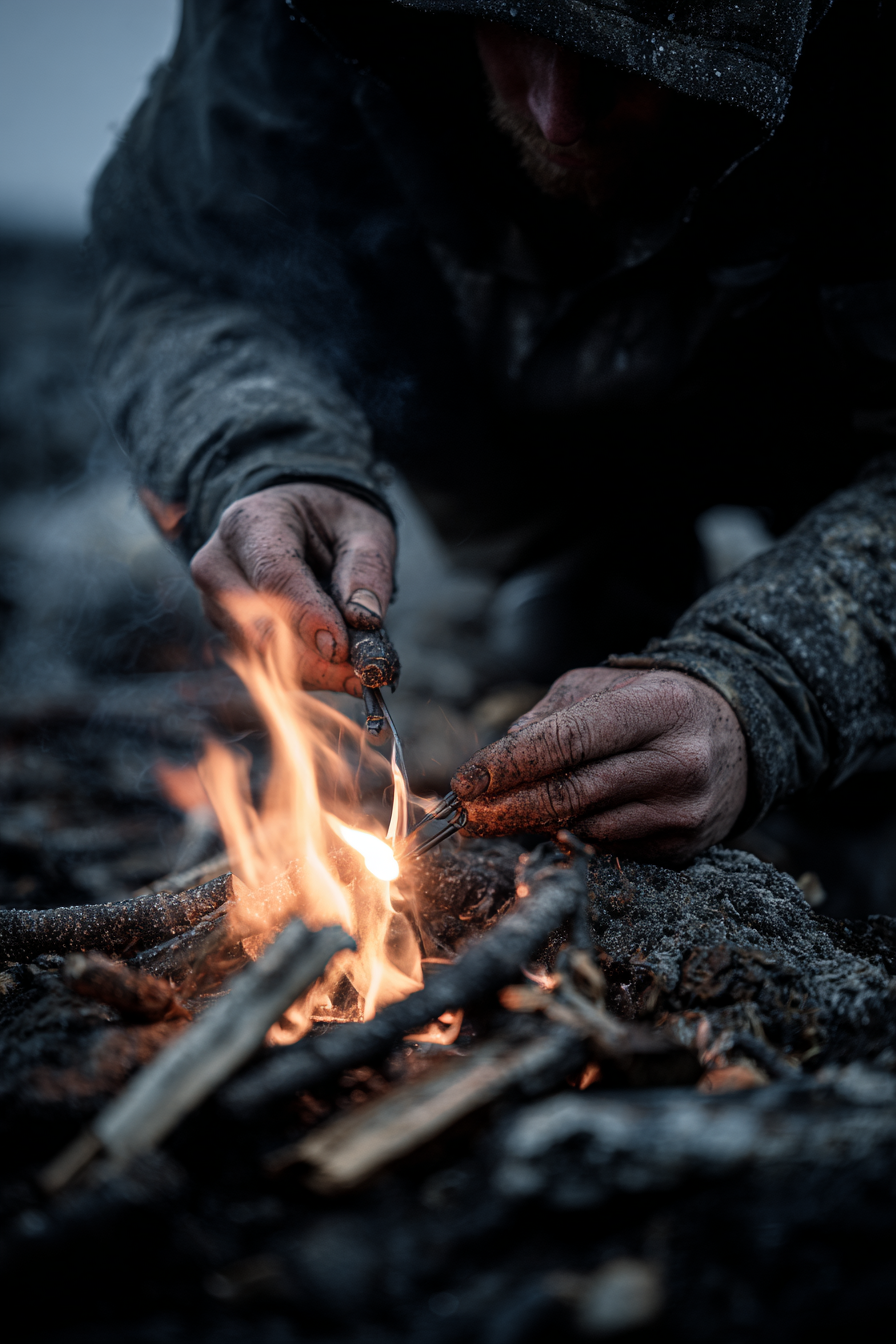
In a survival situation, making fire isn’t a luxury; it’s one of the absolute pillars of staying alive. It’s what keeps hypothermia at bay, purifies your water, cooks your food, and warns off predators. Fire is also a powerful signal for rescue. A dependable ignition source is one of the most critical pieces of gear you can carry. Without one, your odds of making it through an unexpected night in the wild drop dramatically.
This guide is here to cut through the noise. We’re going to put the most common fire-starting tools head-to-head, from modern lighters and stormproof matches to classic ferro rods and even some DIY options. The key is understanding that different tools are built for different jobs. A layered approach—packing a primary tool plus a couple of backups—is the gold standard for anyone serious about readiness. To see how a firestarter fits into the bigger picture, check out our guide on other must-have items for survival.
Comparing Key Firestarter Attributes
Before we get into specific gear, let’s talk about what makes a firestarter good… or worthless. The tool that works flawlessly in your backyard might completely fail you when it’s cold, wet, and dark.
Longevity is a huge factor. This is where the ferrocerium rod absolutely dominates, capable of throwing sparks for 10,000 to 20,000 fires. That kind of durability leaves everything else in the dust. A standard BIC Classic Lighter gives you about 3,000 lights before it’s done. Even a top-tier Wolf & Grizzly ferro rod is rated for an incredible 20,000 strikes.
The goal isn’t just to own a firestarter, but to have a reliable system. That means pairing your main ignition tool with backups and, just as importantly, understanding what tinder you need to catch that initial spark and nurse it into a real fire.
| Feature | Importance in Survival | Primary Consideration |
|---|---|---|
| Ignition Reliability | Critical | Will it work on the first try? |
| Wet-Weather Performance | High | Can it function when soaked or in rain? |
| Longevity (Strikes/Uses) | High | How many fires can it produce? |
| Ease of Use | Moderate | Can a novice use it under stress? |
Comparing the Top Firestarter Types Head-to-Head
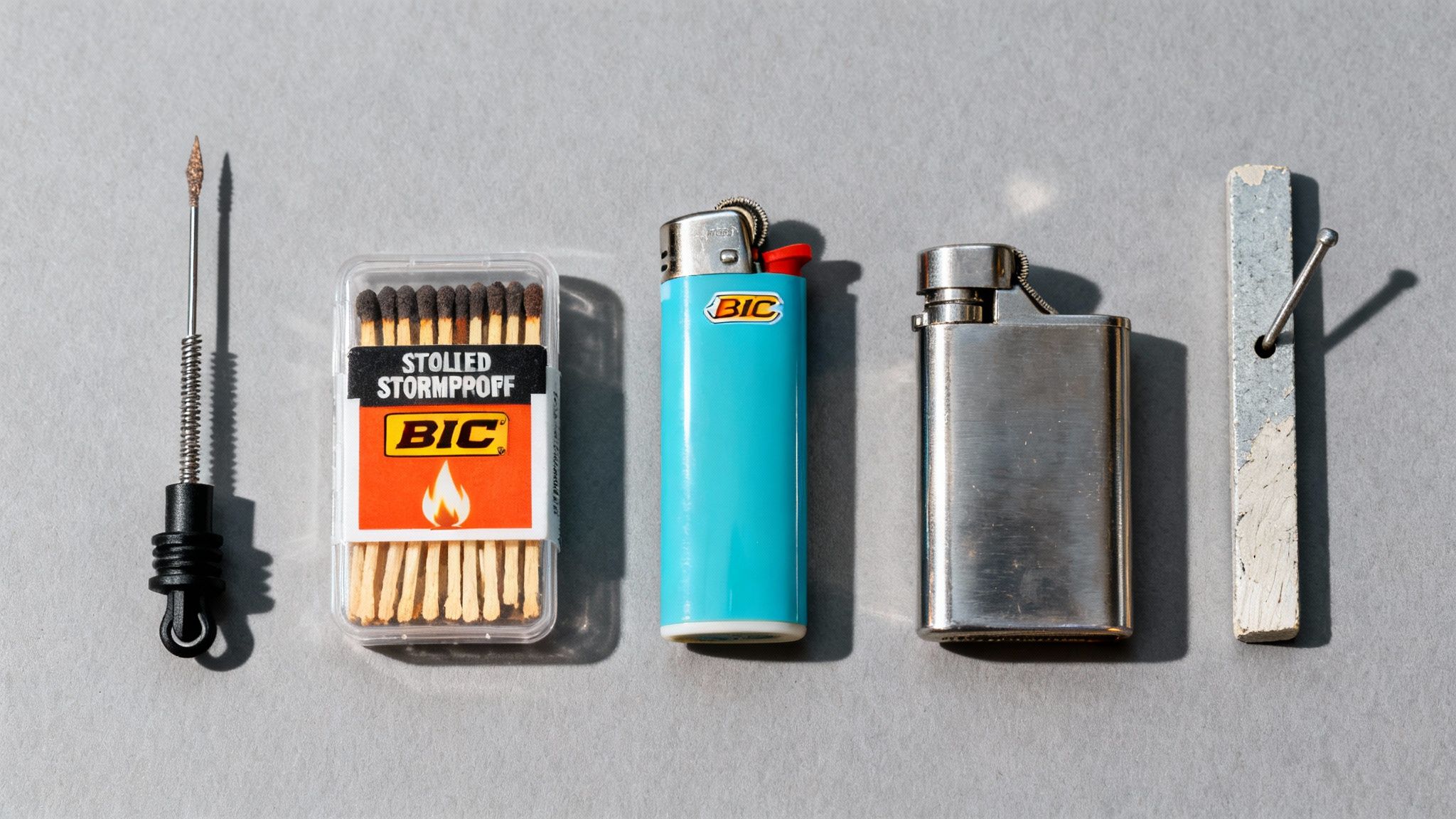
Choosing the best firestarter isn’t about finding one perfect tool. It’s about knowing which one will save your skin when the chips are down. A firestarter that’s a champ in your backyard might be dead weight in a freezing rainstorm. To make the right call, we need to dig deeper than just pros and cons.
We’ll break down each tool based on what actually matters in the field: ignition reliability, performance in the wet, overall longevity, and how easy it is to use when you’re cold, stressed, and fumbling. This head-to-head look will show you where each tool shines and where it fails.
Ferrocerium Rods: The Prepper’s Choice
Often just called ferro rods, these are the undisputed champions of long-term reliability. When you scrape a steel striker down a ferrocerium rod, you’re shaving off tiny metal particles that burst into sparks at over 5,000°F (3,000°C). That intense shower of molten metal is what gets the job done. One popular option is the Überleben Zünden, known for its traditional wood handle and high-quality ferrocerium.
Their biggest advantage is that they’re practically indestructible. A ferro rod has no moving parts to break, no fuel to leak, and no chemicals that can go bad. Pull it out of a river, and it works just as well as it did when it was bone dry.
The true power of a ferro rod lies in its indifference to the elements. Rain, snow, humidity, and altitude have zero effect on its ability to produce a shower of hot sparks, making it the most dependable option for unpredictable backcountry emergencies.
But that bombproof reliability comes with a catch: a steeper learning curve. A ferro rod demands fine, dry tinder to catch one of those sparks, which takes more skill and prep than flicking a lighter. For someone new to it—especially when their fingers are numb—getting a flame can be a real challenge.
Disposable and Refillable Lighters: Convenience Under Pressure
For pure speed and simplicity, nothing beats a lighter. A cheap disposable butane lighter, like the classic BIC, gives you thousands of flames with just a flick of your thumb. This makes it a great tool for your everyday pocket carry and an essential backup in any survival kit.
The downside? They’re fragile. Most lighters hate water and will fail if they get soaked. Cold is their other big enemy; butane gas doesn’t vaporize well in freezing temperatures, often making the lighter useless. While refillable “stormproof” lighters like the Exotac titanLIGHT are tougher and work better in the cold, they still run on fuel that can evaporate and have parts that can break.
Disposable Lighters (BIC):
- Strengths: Dirt cheap, incredibly easy to use, and provides an instant flame.
- Weaknesses: Useless when wet, fails in freezing temps, and has a finite fuel supply.
Refillable Lighters (Zippo, etc.):
- Strengths: Tougher build and performs better in the cold than butane lighters.
- Weaknesses: Fuel evaporates even when not in use, requires maintenance (flint, wick), and can still fail if saturated. A classic Zippo lighter is iconic, but remember to keep it fueled.
A lighter is a fantastic tool, but you can’t bet your life on it as your only firestarter.
Stormproof Matches: The Guaranteed Flame
When you absolutely, positively need a flame in the worst conditions imaginable, you reach for stormproof matches. These aren’t your grandpa’s matches. They’re coated in chemicals that make them burn like a blowtorch, even in high winds or driving rain.
A good one, like the UCO Stormproof Match Kit, can burn for up to 15 seconds and will even re-ignite after being dunked in water. This makes them perfect for getting damp tinder to light when everything else has failed. They’re simple, reliable, and come in compact waterproof cases.
Their only real drawback is that they’re a one-shot deal. Once you use one, it’s gone. This makes them a poor choice for a primary, long-term fire source but an unbeatable backup for those critical moments when you can’t afford to fail. Building a complete kit goes beyond fire, as our comprehensive survival gear list details.
Magnesium Bars: The Fire-Boosting Backup
A magnesium bar is a combo tool, usually a block of soft magnesium with a ferro rod attached. The idea is simple: use your knife to shave a small pile of magnesium shavings onto your tinder. When you strike the ferro rod, the sparks hit the magnesium, which erupts in a blindingly bright flame burning at 5,610°F (3,100°C). Many survivalists carry the classic Doan Magnesium Fire Starter, a tool that has been relied upon for decades.
That intense, white-hot fire is a powerful accelerant that can ignite tinder that’s a little damp or less than perfect. It gives you a serious edge over a ferro rod alone, especially in wet weather.
The trade-off is the prep work. Scraping off enough magnesium shavings can be slow and tedious, especially if your hands are cold. It’s definitely more work than using a lighter or a stormproof match. It shines best as a partner to your ferro rod, giving you an extra tool to overcome nasty conditions.
Firestarter Performance Comparison Matrix
Choosing the right tool often comes down to a direct comparison of its capabilities in a crisis. This table breaks down how each firestarter performs across the most critical survival metrics, helping you see at a glance which one fits your needs and skill level.
| Firestarter Type | Wet Weather Reliability | Longevity (Uses) | Ease of Use (Beginner) | Durability |
|---|---|---|---|---|
| Ferro Rod | Excellent | 10,000+ | Fair | Excellent |
| Lighter (BIC) | Poor | ~3,000 | Excellent | Poor |
| Stormproof Match | Excellent | ~25 (per pack) | Excellent | Good |
| Magnesium Bar | Very Good | Hundreds | Fair | Excellent |
As you can see, there’s no single “best” option—only the best option for a specific situation. A ferro rod offers unmatched longevity and reliability, but a beginner might struggle with it. Conversely, a lighter is incredibly easy but fails in the exact conditions where you’d need it most. Use this matrix to balance your kit with tools that cover each other’s weaknesses.
Mastering Fire Ignition Techniques for Any Scenario
Having the best survival firestarter is only half the battle. The other half is knowing how to use it when your life is on the line. A brand-new ferro rod or a waterproof lighter won’t do you any good if you don’t have the right technique—especially when you’re cold, wet, and the pressure is on. This is where hands-on skill turns a piece of gear into a reliable, life-saving tool.
We’re going to break down the specific methods for getting the most out of each firestarter. From throwing a powerful shower of sparks with a ferro rod to keeping a lighter working in the freezing cold, the right approach changes everything. At the end of the day, success boils down to one simple principle: pairing a good ignition source with properly prepared tinder.
Maximizing Sparks from a Ferro Rod
Getting a ferro rod to work is all about technique. A gentle scrape isn’t going to cut it; you need to create the hot, molten sparks that actually start fires. The trick is to apply firm, consistent pressure at the right angle to literally shave material off the rod.
Two primary methods work best for this:
- The Mobile Striker Method: Pin the tip of the ferro rod down firmly into your tinder bundle. Hold your striker at a 45-degree angle to the rod and, with some serious downward pressure, shove the striker forward in one smooth, forceful motion. This drives the sparks directly down where you need them.
- The Mobile Rod Method: Keep your striker still, right next to the tinder. Place the ferro rod against the striker and pull the rod back towards yourself. This method is often safer and more controlled, as it keeps you from accidentally knocking your tinder bundle apart.
The secret to a good strike isn’t speed, it’s pressure. You’re not just scraping the rod—you’re gouging off small pieces of metal that ignite in the air. You’re looking for a shower of bright, white-hot sparks, not a few weak orange ones.
Using Lighters in Adverse Conditions
A lighter is the king of convenience, but its reliability can nosedive in cold or wet conditions. To keep a standard butane lighter like a BIC in the game, you have to protect it from the elements.
- Cold Weather Tip: Butane has trouble vaporizing when it’s below freezing. If your lighter clicks but won’t light, warm it up. Stick it in your pocket, under your armpit, or in your cupped hands for a few minutes. That little bit of warmth is usually all it takes to get the fuel flowing again.
- Wet Weather Tip: If your lighter takes a swim, don’t panic. Shake out as much water as you can, then blow hard into the mechanism to clear moisture from the flint and wheel. If you have time, let it air dry. If not, persistent blowing and striking will often get it back in action.
The Magnesium Bar Technique
A magnesium bar is a two-in-one tool, combining a ferro rod with a soft block of magnesium—a powerful fire accelerant. The key here is to prep your tinder before you even think about making sparks.
- Scrape: Use the spine of your knife or the provided scraper to shave off a pile of fine magnesium dust onto a dry leaf or piece of bark. Aim for a pile at least the size of a dime to get a good flare-up.
- Ignite: Place the magnesium shavings right next to your main tinder bundle. Strike the ferro rod so the sparks land directly on the magnesium.
- Transfer: The magnesium will erupt in an intensely hot, white flame that only lasts a few seconds. You need to be ready to immediately push your tinder bundle into that flame to get your fire going.
Pairing Ignition with Perfect Tinder
Your ignition technique is only as good as the tinder you’re trying to light. While modern tools make things easier, knowing how to make fire without matches or commercial gear is a bedrock skill.
For prepared options, products like InstaFire offer a reliable, waterproof tinder that catches a spark without any fuss. DIY tinders are just as good, if not better. Vaseline-soaked cotton balls are a classic for a reason: they’re waterproof and can burn for several minutes, giving you plenty of time to build up your kindling. When you have to rely on nature, finely shredded birch bark, cattail fluff, or shavings from fatwood are all fantastic choices, as long as you can find them dry.
Building Your Fire Kit for Specific Scenarios
A firestarter that’s perfect for a weekend camping trip could be a miserable failure in a long-term bug-out situation. The best approach isn’t about finding a single “best” tool, but about building a layered system tailored to the mission. Thinking through the specific context you’re preparing for is what separates owning gear from having a real readiness plan.
A well-designed fire kit should integrate seamlessly with your broader emergency preparedness kit, ensuring all your survival systems work together when it matters most.
Different emergencies create different priorities. A sudden vehicle breakdown demands speed and simplicity, while a long-term grid-down event requires durability and sheer longevity. Let’s break down three distinct fire kits, each built for a realistic scenario.
The Get-Home Bag Fire Kit
Your get-home bag (GHB) is all about getting you from Point A back to Point B—usually home—during an unexpected crisis. We’re talking about a short, intense timeline, typically 24 to 72 hours. The focus here has to be on speed, reliability under stress, and ease of use, not long-term sustainability.
If your get-home scenario starts with a vehicle breakdown, having a dedicated car emergency kit with fire-starting tools already staged in your trunk can save precious time and eliminate the need to dig through your GHB.
For this kit, your primary ignition source needs to be something that delivers an instant flame with zero fuss.
- Primary Tool: A dependable disposable lighter is your best friend. The BIC Classic Lighter is the gold standard for a reason. It’s fast, everyone knows how to use it, and it’s incredibly effective when you need a fire right now to stay warm overnight.
- Backup Tool: A small, dedicated set of stormproof matches in a waterproof case, like the UCO Stormproof Match Kit, is the perfect backup. If your lighter gets soaked or quits in the cold, these give you a guaranteed flame.
- Tinder: Pack a few ready-to-go tinder tabs, like Tinder-Quik, or just stuff some Vaseline-soaked cotton balls into a tiny pill bottle. These catch a spark or flame instantly, so you don’t have to waste time and energy searching for natural tinder in a stressful situation.
The goal here is to eliminate any potential for failure or frustration. When you’re focused on getting home safely, the last thing you want is to be fumbling with a ferro rod in the dark.
The Bug-Out Bag Fire Kit
A bug-out bag (BOB) is built for the long haul—situations that could stretch on for weeks. Here, the priorities shift dramatically toward durability, all-weather performance, and longevity. This is where the true workhorse tools come into play, because your fuel-based options will eventually run dry. To get a better sense of what this kit should contain, check out our full list of essential bug-out bag items.
This kit needs to be tough, redundant, and ready for repeated use in the field.
- Primary Tool: A high-quality ferrocerium rod is the undisputed champion for a BOB. It’s completely waterproof, throws thousands of strikes, and will never run out of fuel. It is the ultimate long-term fire starter.
- Secondary Tool: That trusty disposable lighter still has a role. Use it for quick, easy fires when conditions are good. This saves the strikes on your ferro rod for when you really need it.
- Tertiary Tool: A sealed container of stormproof matches provides that critical third layer of redundancy. Think of them as your “break glass in case of emergency” option for getting a flame in the absolute worst conditions.
- Tinder: Your tinder supply needs to be more robust. Pack commercial options like InstaFire or Black Beard Fire Starters right alongside DIY standbys like char cloth and fat-rich jute twine.
A bug-out bag fire kit should be built on the principle of redundancy and resilience. The combination of a ferro rod, lighter, and stormproof matches covers nearly every conceivable failure point, ensuring you can make fire no matter what.
The Long-Term Home Cache Fire Kit
When you’re stocking a long-term cache at home or a retreat location, the constraints of weight and space mostly disappear. This freedom lets you focus on bulk, deep redundancy, and tools that make fire-starting easier and more sustainable over months or even years.
Understanding how to prepare for a blackout will help you determine exactly how much fire-starting capacity you need to stockpile for heating, cooking, and light during extended power outages.
Your home cache should be all about depth and variety.
- Bulk Lighters: A contractor pack of BIC lighters is one of the best investments you can make. Dozens of lighters are cheap, can be stored for years, and represent an incredible number of easy fires.
- Multiple Ferro Rods: Don’t just have one; store several large ferro rods of different sizes. These are your indefinite fire sources that will never expire or fail.
- Magnifying Lens: A simple Fresnel lens or a classic glass magnifying lens offers a completely silent, fuel-free way to start fires using the sun. On clear days, it conserves your finite resources.
- Bulk Tinder: This is where you can go big. Stockpile large bags of cotton balls and jars of petroleum jelly, bundles of fatwood sticks, and even chemical fire starters. Having a massive supply means you never have to think twice about rationing this critical component.
Your fire kit is just one component of a comprehensive disaster supply kit that should include water, food, medical supplies, and other essentials for extended emergencies.
Assembling the Essential Waterproof Fire Kit
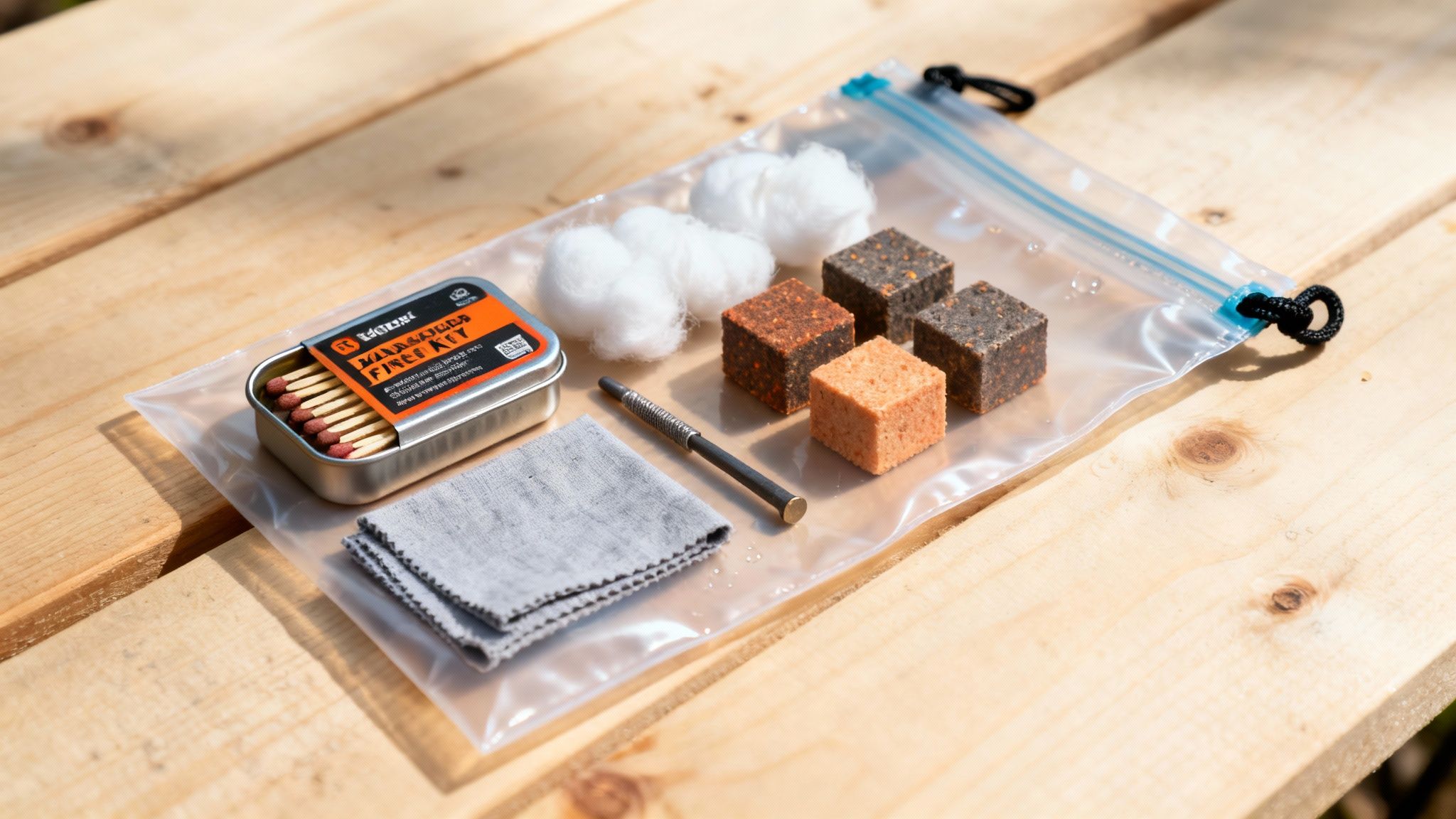
Relying on a single ignition source is asking for trouble. It’s a single point of failure waiting to happen. The best firestarter isn’t one tool; it’s a complete, waterproof system designed to get a fire going, no matter the conditions. Building a proper kit means you’ve thought past the initial spark and planned for the critical moments that decide whether you get a flame or shiver in the dark.
The whole game of fire starting boils down to a simple triad: tinder, kindling, and fuel. Your kit has to lock down the first part of that equation by providing guaranteed, ready-to-burn tinder. This is your insurance policy, ensuring that a spark has something to catch, especially when the woods are soaked.
Selecting and Preparing Your Tinder
Tinder is the soul of your fire kit. It has to be fine enough to catch with a fleeting spark and burn hot enough to ignite your kindling. While finding natural tinder is a great skill, carrying a prepared supply is non-negotiable for anyone serious about readiness.
You have two solid routes here: go the DIY route or buy commercial.
- DIY Tinder: Classics like Vaseline-soaked cotton balls and char cloth are prepper mainstays for good reason—they’re cheap, simple to make, and work incredibly well. Another favorite of mine is jute twine; just fluff up the end into a fine, fibrous “bird’s nest,” and it will take a spark from a ferro rod instantly.
- Commercial Tinder: Products like Black Beard Fire Starters are built for the worst-case scenario. It’s a waterproof, rope-style tinder that you can cut to length, giving you a long-burning flame that laughs at wind and rain.
It doesn’t matter what tinder you choose if it gets wet. Store it properly. A sturdy pill bottle or a small screw-top container creates a waterproof seal that guarantees your tinder is bone-dry when everything else isn’t.
Building Your Pocket and Pack Kits
The size and scope of your fire kit should match its purpose. What you carry in your pocket every day will be different from what you stash in your pack for a multi-day trip.
Pocket EDC Fire Kit Checklist:
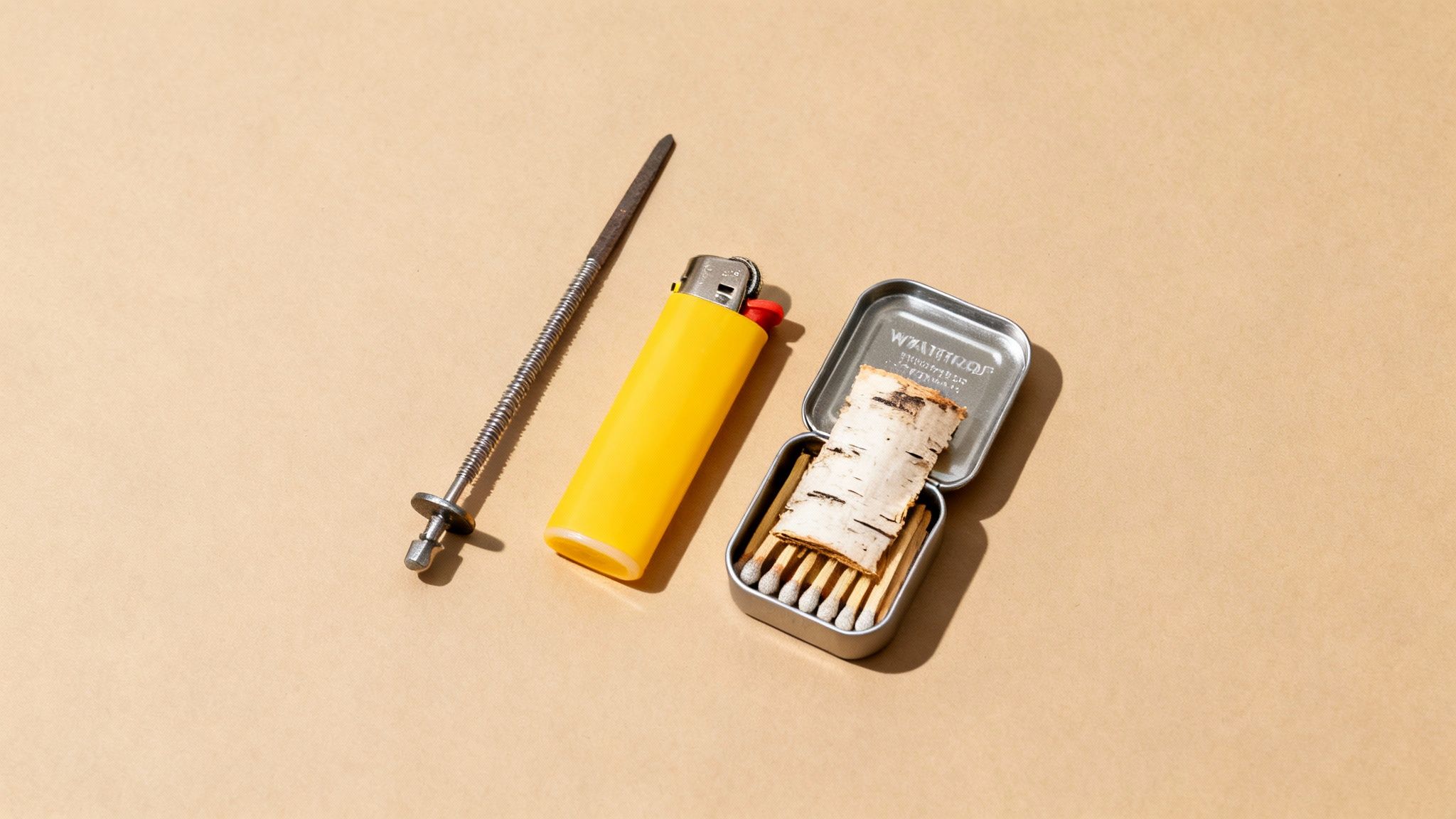
- A small disposable lighter (like a Mini BIC)
- A small keychain-sized ferrocerium rod
- A waterproof pill bottle packed with Vaseline-soaked cotton balls or fluffed jute twine
This minimalist setup gives you two reliable ways to make a flame and guaranteed tinder. It fits in a pocket or a tiny pouch, so you’re never caught without the essentials.
Backpack Fire Kit Checklist:
- Primary Ignition: Full-sized ferro rod with a good striker.
- Secondary Ignition: A reliable disposable lighter.
- Tertiary Ignition: A case of stormproof matches in a waterproof container.
- Tinder Supply: A waterproof container with a mix of char cloth, jute twine, and a commercial option like Black Beard Fire Starters.
- Ignition Aid: A small Fresnel lens for making fire on clear, sunny days.
The Importance of Waterproofing and Redundancy
Water is the absolute enemy of fire. Every single piece of your kit needs to be shielded from moisture. Use small dry bags, hard-sided Pelican cases, or even just double-bag everything in heavy-duty zip-top bags to keep your gear protected. While mastering fire starting in wet conditions is a vital skill, it all starts with having dry tools to work with.
Redundancy is the final, crucial layer of preparedness. Your kit should have at least three different ways to make a spark or flame. This layered approach ensures that if one tool fails, gets lost, or just isn’t right for the situation, you have solid backups ready to go.
Maintaining Your Firestarters for Long-Term Reliability
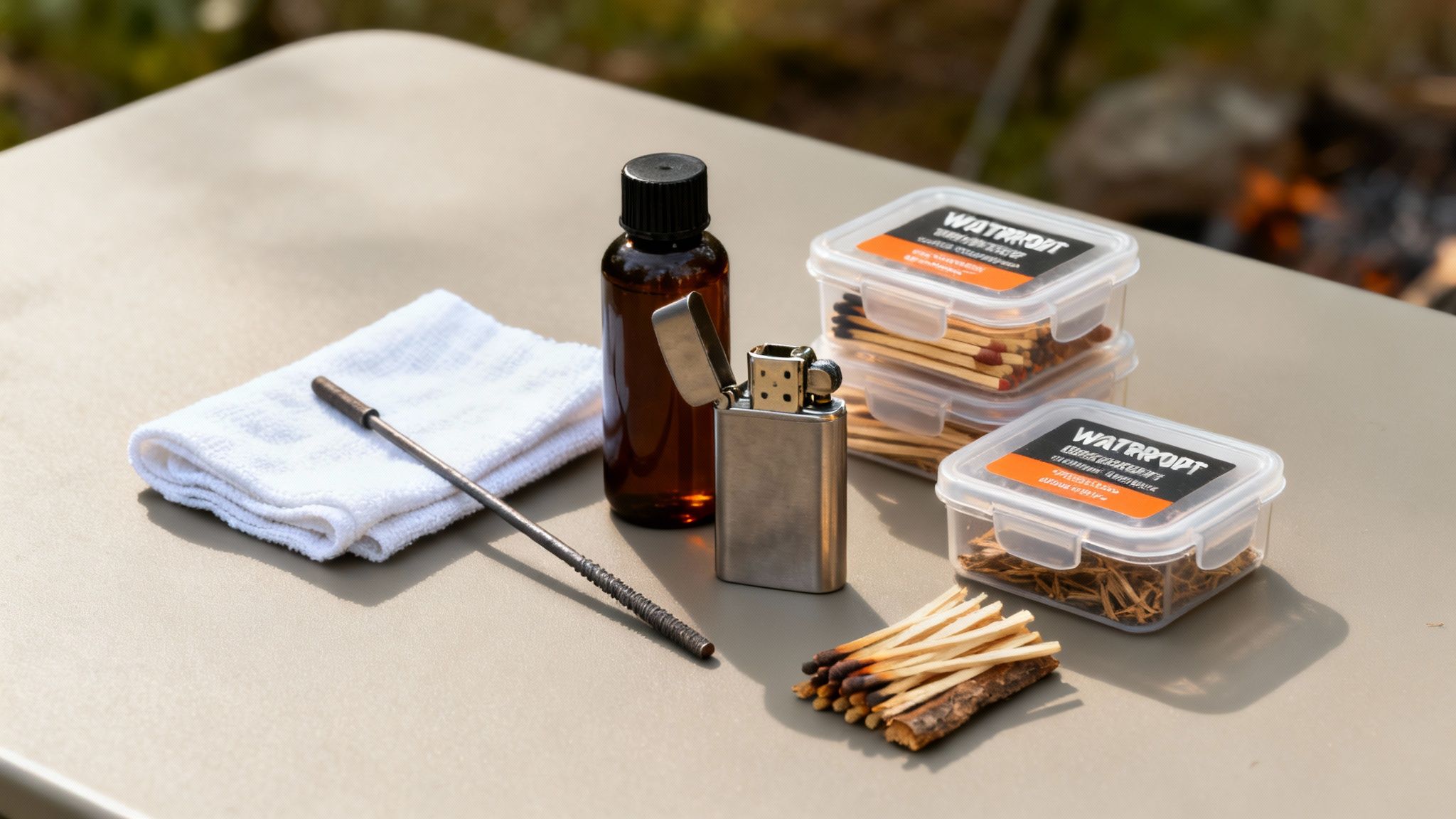
Owning the best firestarter for survival is one thing; making sure it actually works when you need it most is another. Proper storage and routine maintenance aren’t just suggestions—they are critical disciplines that prevent gear failure. In an emergency, a neglected tool is a liability.
Simple preventative habits can add years to the life of your equipment. For example, while ferrocerium rods are incredibly durable, they can oxidize if left exposed to humid or salty air for extended periods. A quick wipe-down with a little mineral oil prevents this, ensuring you get a shower of hot sparks every time.
Lighters are another story. The butane in a disposable lighter can leak out over time, and the fuel in a refillable Zippo can evaporate in just a few weeks. Storing them upright in a cool, dry place helps, but nothing beats regular checks to make sure they’re topped off and ready to go.
Essential Storage and Safety Protocols
How you store your gear is just as important as the gear itself. Matches, in particular, are completely useless if they get wet. Storing them in a dedicated waterproof container is non-negotiable for any serious kit. Something as simple as a small, gasket-sealed pill bottle can be the difference between a guaranteed flame and a handful of soggy sticks.
Beyond just storage, practicing smart fire safety is a survival skill in its own right.
- Clear Your Area: Before you strike a single spark, clear a 10-foot diameter circle right down to the bare dirt. This simple firebreak will stop stray embers from igniting dry grass or leaves.
- Understand the Wind: Pay close attention to the wind’s direction and speed. A sudden gust can carry a hot ember much farther than you’d think, starting a secondary fire where you least expect it.
- Practice Fire Discipline: In a tactical or low-profile situation, a big, smoky fire is like a billboard advertising your position. You need to know how to build smaller, hotter fires that produce less smoke and conserve your precious fuel.
The goal of maintenance is to eliminate surprises. By routinely checking, cleaning, and properly storing your fire-starting tools, you build the confidence that they will perform flawlessly under the worst possible conditions.
Answering Your Firestarter Questions
Getting into survival gear can bring up a ton of questions. Let’s cut through the noise and get you some clear, field-tested answers so you can choose the right firestarter and build real-world skills with confidence.
What’s the Absolute Best Firestarter for a Beginner?
For anyone just starting out, the most foolproof firestarter is a high-quality disposable butane lighter, like a BIC Classic Lighter, combined with some pre-made tinder. Yes, a ferro rod is tougher and lasts longer, but trying to learn how to use one when you’re cold, wet, and stressed is a recipe for disaster.
A lighter gives you an immediate, sustained flame with absolutely zero learning curve. That’s a massive advantage when the pressure is on. The trick is to pair it with a guaranteed fuel source, like Vaseline-soaked cotton balls kept in a tiny waterproof container. This combo eliminates the two biggest hurdles for novices: generating a consistent spark and finding usable tinder in the wild.
How Do I Make My Own Waterproof Tinder?
Making your own waterproof tinder is one of the easiest and cheapest preps you can do. The go-to method uses two simple items: petroleum jelly and cotton balls.
- Grab a standard cotton ball and really work a good smear of petroleum jelly deep into the fibers until it’s totally saturated.
- Squish the saturated cotton balls down and pack them tightly into a waterproof container. A small pill bottle or an old mint tin works perfectly.
When you need a fire, just pull a piece of the cotton apart with your fingers to expose the fine, dry fibers inside. A single spark will catch instantly, and the petroleum jelly acts as a fuel, giving you a strong flame that can burn for several minutes, even in damp conditions.
Can a Ferro Rod Actually Fail or Go Bad?
A good ferrocerium rod is one of the most rugged pieces of gear you’ll ever own, but it’s not invincible. While a ferro rod won’t expire or “go bad” like fuel or chemicals, its performance can definitely suffer under certain conditions.
The main enemy is corrosion. If you leave it exposed to salt water or keep it in a constantly humid environment without drying it off, the surface can oxidize. This makes it much harder to get a good shower of sparks. Cheap, low-quality rods can also be brittle and might crack or even snap if you drop them hard on a rock.
But with just a little basic care—like wiping it dry—a quality ferro rod will last you for thousands and thousands of strikes, likely for the rest of your life.