
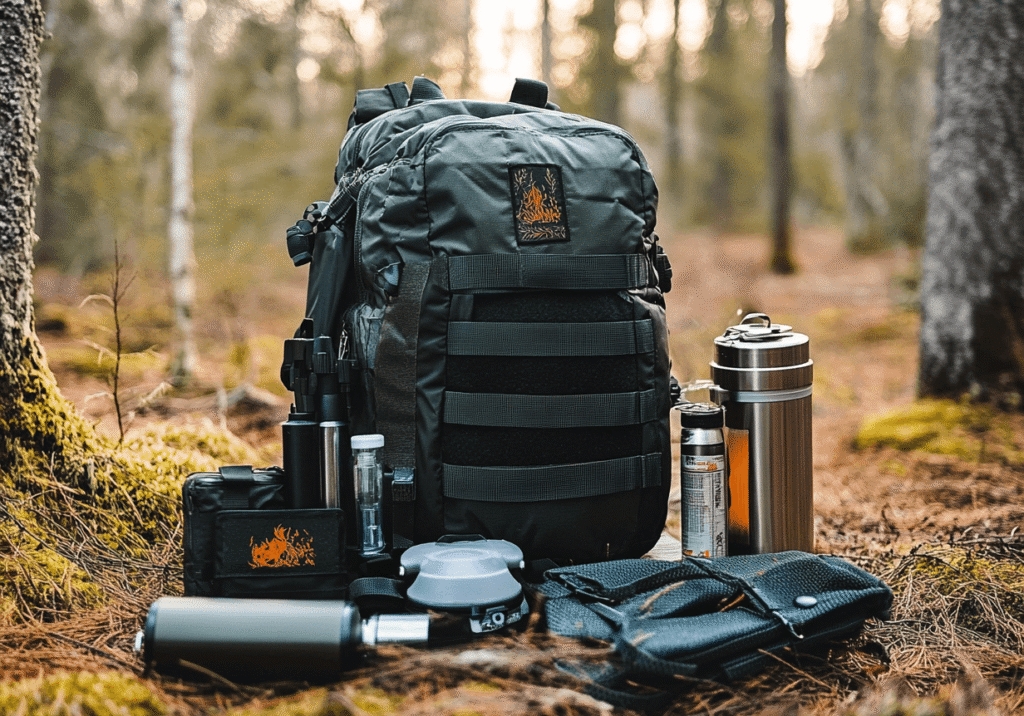
When disaster strikes, your bug out bag (BOB) becomes your lifeline. It’s crucial to pack it wisely to ensure survival and mobility. However, many people unknowingly pack items that are either unnecessary, inefficient, or downright counterproductive. Overloading your bag with the wrong items can slow you down, waste valuable space, and put your survival at risk.
While your bug out bag needs to stay light, your home stockpile should cover all essential survival items—discover the 30 must-have supplies.
Here’s a detailed guide on 23 items you should avoid putting in your bug-out bag, and smarter alternatives to ensure you stay prepared without the extra weight.
While a bug out bag is designed for evacuation scenarios, don’t forget to also prepare a get home bag for your daily commute and workplace emergencies.
1. Fancy or Oversized Knives
While a knife is essential, overly large or impractical blades are unnecessary. They’re heavy, cumbersome, and often less effective than a multi-tool for survival or a smaller, high-quality knife.
2. Too Many Clothes
Packing multiple outfits is one of the most common mistakes. Your focus should be on durable, weather-appropriate clothing and layers, not fashion. Limit yourself to one spare set of clothing and essentials like socks and underwear.
3. Expensive Electronics
Your tablet, laptop, or gaming console has no place in a bug out bag. Focus instead on a compact radio or a solar-powered charger for practical communication and navigation needs.
4. Full-Size Toiletries
Don’t waste space with full-size bottles of shampoo, conditioner, or lotion. Opt for travel-size versions or multi-use items like biodegradable soap.
5. Gourmet Food
Elaborate meals or exotic snacks are a waste of space and can spoil quickly. Instead, prioritize high-calorie, shelf-stable foods like energy bars, or trail mix.
6. Books or Heavy Entertainment Items
While entertainment can help during downtime, books and board games are too heavy. Opt for lightweight, digital options or a survival manual instead.
7. Glass Containers
Glass is fragile, heavy, and dangerous if broken. Stick to durable plastic or metal containers for carrying liquids.
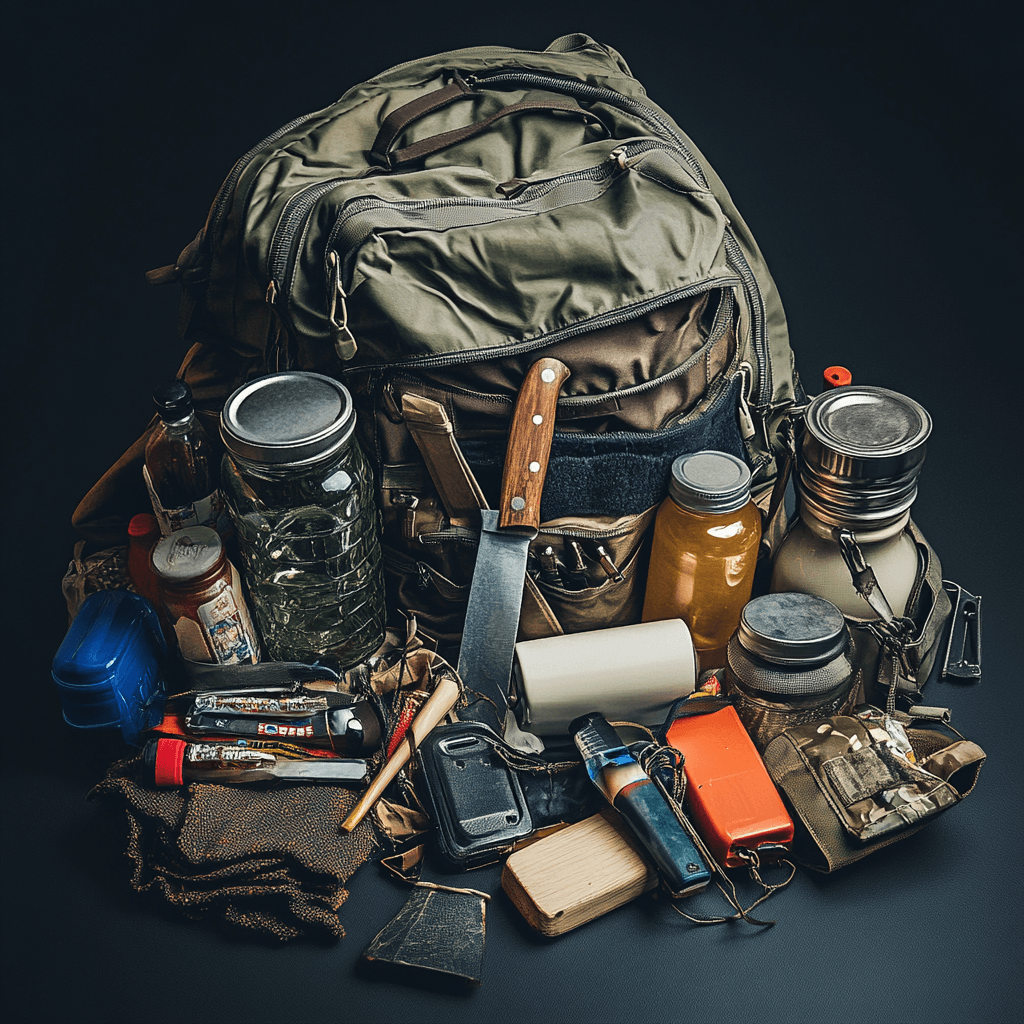
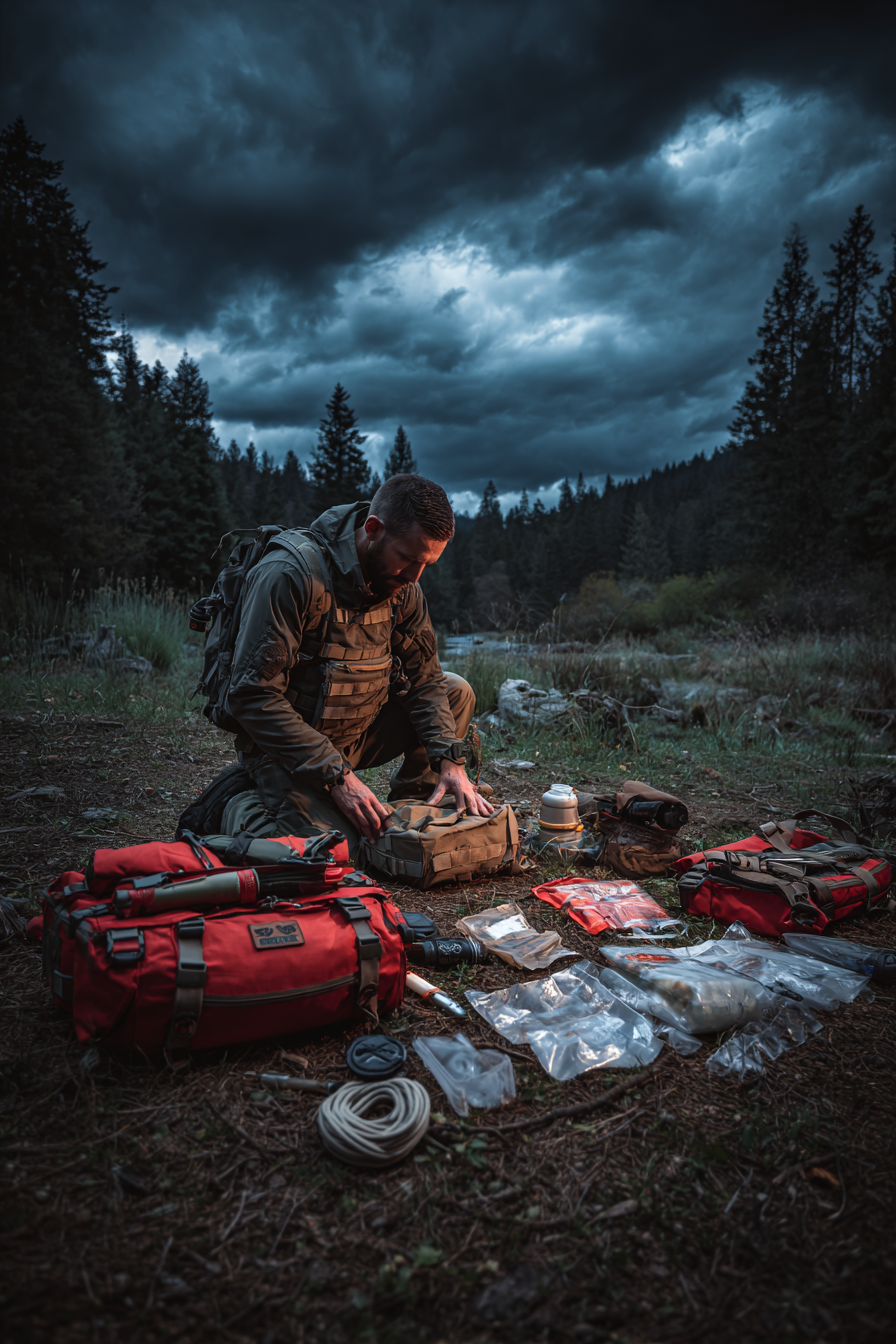
Overloading your bug out bag with unnecessary items can compromise your survival.
8. Cotton Clothing
Cotton retains moisture, making it a poor choice for survival. Instead, pack moisture-wicking, quick-dry fabrics that offer better insulation and comfort.
9. Non-Essential Valuables
Jewelry, collectibles, and keepsakes have no place in a survival scenario. Focus on items with practical value.
10. Multiple Survival Tools
Avoid redundancy. You don’t need four knives, three flashlights, and two hatchets. Choose multipurpose tools that can handle various tasks.
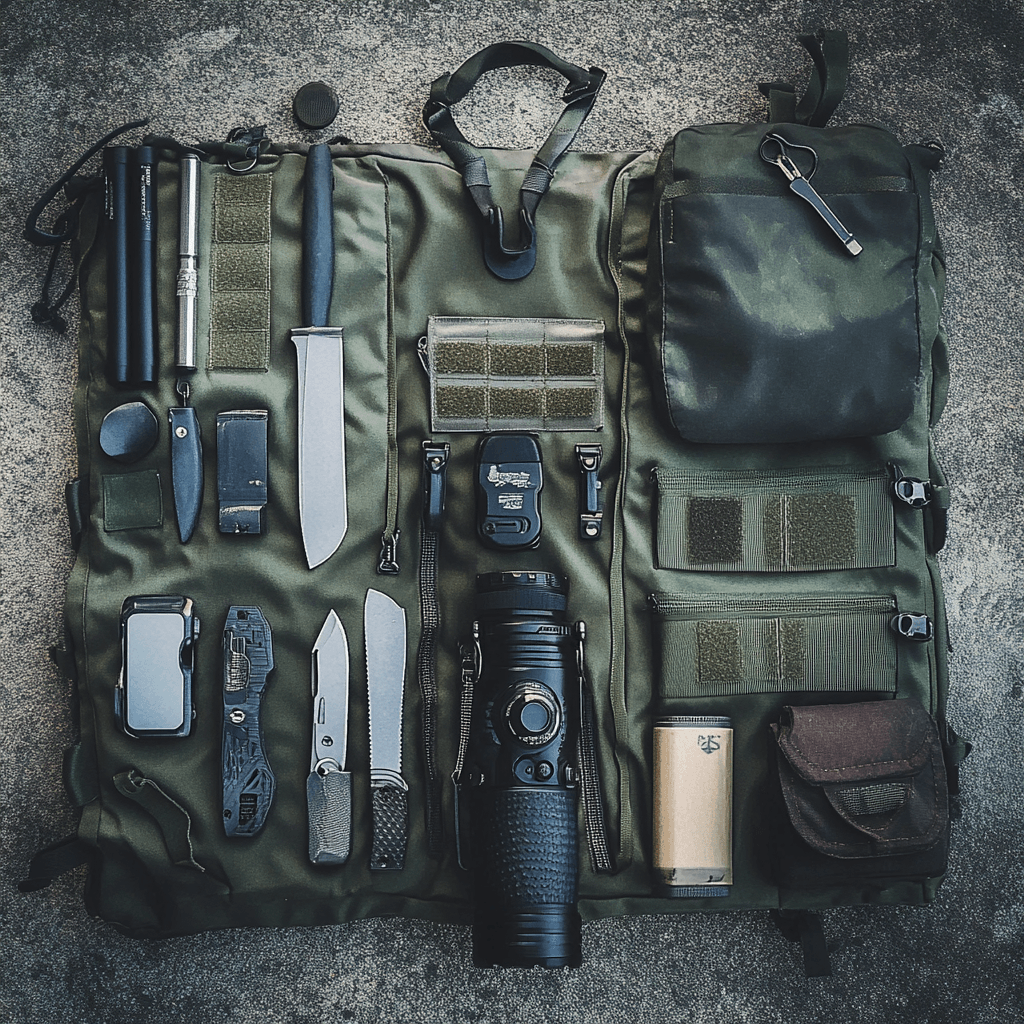
Choosing multi-use tools ensures your bug out bag stays light and efficient.
11. Unfiltered Water Containers
Carrying untreated water is risky and heavy. Use a compact water filtration system or purification tablets instead of bulky containers.
Ensure access to clean water with these effective purification techniques.
12. Large Sleeping Bags
Opt for compact, lightweight sleeping bags or emergency bivvies instead of bulky, traditional ones.
13. Inadequate First Aid Supplies
An incomplete first aid kit is a disaster waiting to happen. Ensure yours includes essentials like bandages, antiseptics, and pain relievers.
14. Canned Goods Without Openers
Canned food is great, but if you forget a can opener, you’re in trouble.
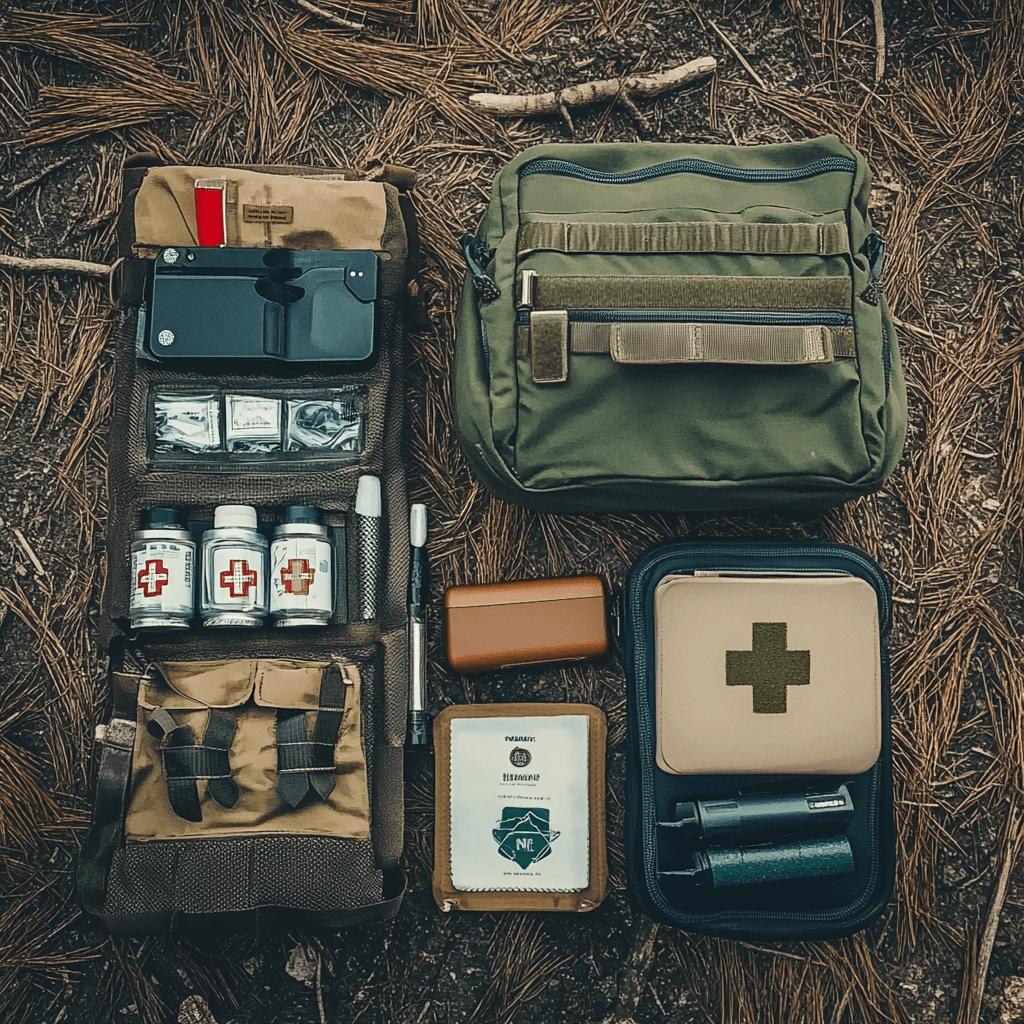
A complete first aid kit is vital for addressing injuries during an emergency.
15. Too Much Ammo
While some ammunition is necessary, overpacking can add significant weight. Strike a balance between preparedness and mobility.
16. Flammable Items
Avoid carrying excessive flammable materials like large bottles of lighter fluid. A compact fire starter or waterproof matches will suffice.
Simplify your fire-starting tools with techniques that maximize efficiency.
17. Overly Heavy Boots
Choose durable yet lightweight footwear designed for long treks.
18. Over-the-Top Survival Gadgets
Don’t be tempted by every survival gadget on the market. Focus on items with proven reliability and practicality.
19. Heavy Cookware
Stick to compact, lightweight cookware suitable for one-pot meals.
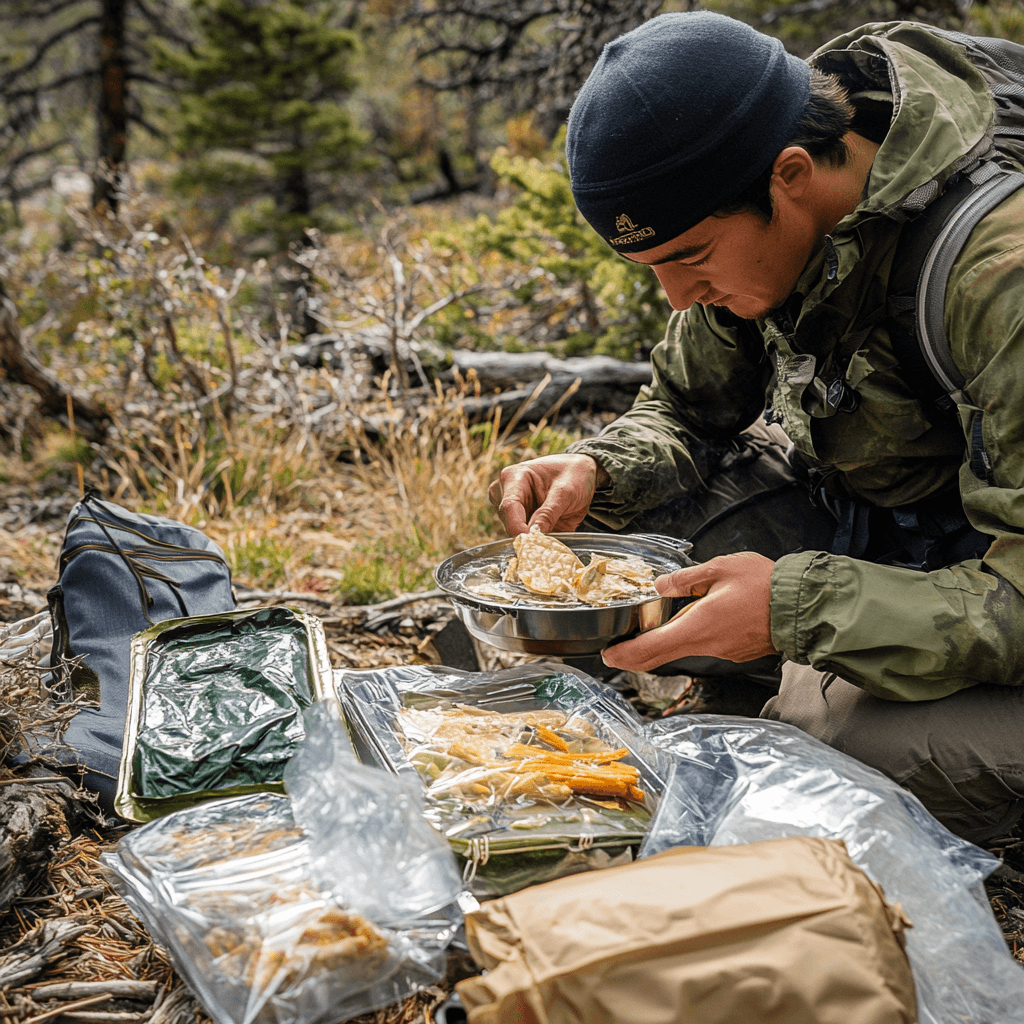
Lightweight, portable cookware is perfect for quick, efficient meals in the wild.
20. Too Many Energy Drinks
While staying hydrated is crucial, avoid heavy cans of energy drinks. Choose lightweight electrolyte powders instead.
21. Irreplaceable Items
Family heirlooms or irreplaceable items are too risky to carry in a high-stress evacuation.
22. Incomplete Maps or Directions
Ensure you have a complete map or GPS device, and avoid relying solely on partial information.
Avoid navigation mishaps by mastering navigation techniques.
23. Overloaded Bag
Above all, avoid overloading your bag. Test your pack and ensure you can carry it comfortably for long distances.
Supplement your bug out bag with a well-equipped car emergency kit.
Final Thoughts
Your bug out bag should be a carefully curated collection of essential bug out bag items. Avoid overpacking or including unnecessary, heavy, or impractical tools. By focusing on streamlined, multi-functional items, you’ll ensure your survival and mobility in any crisis.
Packing a bug out bag is just the first step—prepare for long-term crises with these survival tactics.