
Long before modern infrastructure existed, people endured conditions that would feel unthinkable today. Food shortages, economic instability, disease outbreaks, power failures, and long periods without outside help were not rare events — they were part of life.
Yet families survived.
Not because life was easier, but because practical knowledge was common. Skills were passed from parent to child, neighbor to neighbor, generation to generation. Over time, many of those skills faded as modern systems replaced self-reliance.
When systems fail, what remains is knowledge.
Below are seven crucial survival skills once considered basic — and now almost forgotten.
A Quick Note for Context
These skills were never treated casually.
They weren’t “life hacks.”
They were systems families depended on when there was no backup plan.
Water purification had to work.
Food preservation had to last.
Medical mistakes had consequences.
Energy failures could destroy an entire household’s food supply in days.
That’s why people documented these methods carefully and practiced them consistently.
Today, most people rely entirely on fragile systems they don’t control — grocery stores, municipal water, uninterrupted electricity, digital communication, and just-in-time supply chains.
The problem is not modern convenience.
The problem is complete dependence.
That’s why the most resilient households today are rebuilding practical household skills before they actually need them.
The modern version of that knowledge has now been organized into a complete step-by-step Household Resilience System — covering food, water, power, hygiene, home security, and self-sufficiency in practical, modern terms.
Because preparedness today is not about fear.
It’s about becoming harder to shake.
1. Protecting Health Without Modern Infrastructure
Before pharmacies and urgent care clinics, infection control was a survival skill.
Families relied on sanitation routines, wound care knowledge, hygiene discipline, and practical first-aid methods to prevent small problems from becoming deadly ones.
Today, most households are completely unprepared for even a few days without running water.
Few people realize how quickly sanitation becomes dangerous during outages or infrastructure failures.
That’s why one of the most overlooked modern survival skills is understanding how to maintain hygiene, sanitation, and emergency medical readiness without depending entirely on the grid.
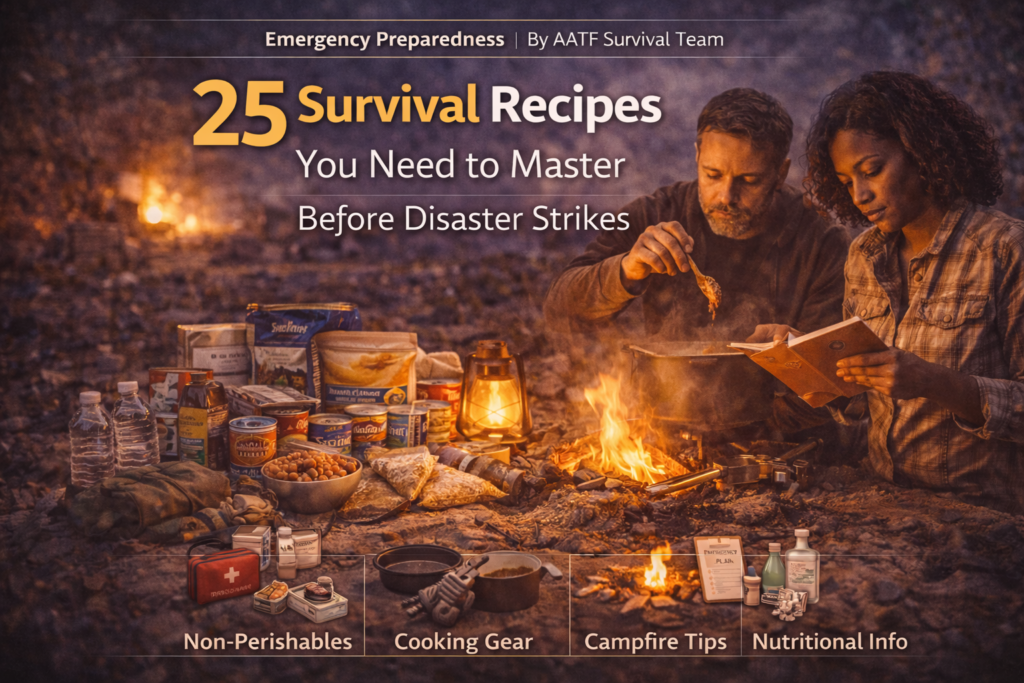
2. Storing Foods Designed to Last
Shelf life mattered more than convenience.
Certain foods were intentionally designed to survive long winters, shortages, economic hardship, and supply disruptions.
Rice, beans, grains, preserved foods, and shelf-stable staples formed the foundation of resilient households because they could feed families reliably when stores were unavailable.
That principle hasn’t changed.
Modern inflation and supply instability have simply reminded people why pantry systems mattered in the first place.
The families who understand food storage, rotation, and low-cost meal preparation today are far less vulnerable than households living week to week from grocery trip to grocery trip.
3. Meat Preservation Without Electricity
Long before refrigeration existed, preserving food required skill and planning.
Smoking, drying, salting, fermenting, and careful storage methods allowed families to survive seasons when fresh food was unavailable.
Today, most homes depend entirely on uninterrupted electricity.
A prolonged outage can destroy hundreds or thousands of dollars of food in just days.
That’s why modern preparedness now includes understanding backup energy, blackout planning, food protection strategies, and practical low-cost power solutions that help households bridge the critical first 72 hours of an outage.
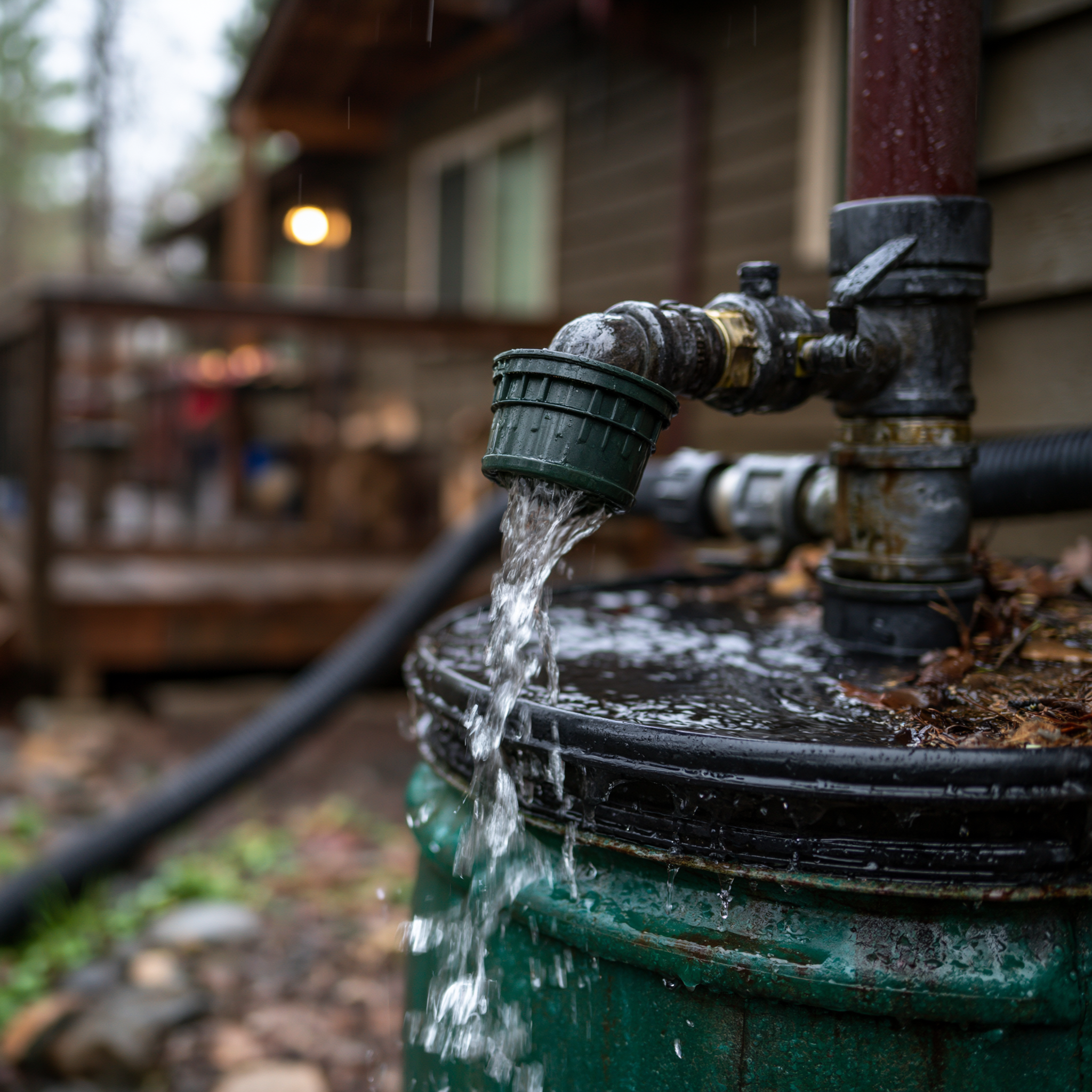
4. Securing Clean Water Without Infrastructure
Water has always been the true foundation of survival.
Without treatment plants, bottled water, or municipal systems, people learned how to collect, filter, store, and purify water using practical methods available around them.
Most modern households have less than a few days of usable water on hand.
And most people never think about water systems until they stop working.
Today, one of the most valuable preparedness skills is knowing how to build reliable backup water systems before an emergency forces you to.
Because food shortages are difficult.
Water shortages become dangerous fast.
5. Protecting the Home During Unstable Times
Throughout history, families understood that hard times often brought increased theft, desperation, and instability.
Security was not based on expensive technology.
It was based on preparation, layered defenses, awareness, and making the home a difficult target.
Modern households often rely on systems that fail the moment power goes out.
The families best prepared today understand practical low-cost home hardening, blackout security, lighting discipline, family communication plans, and how to reduce vulnerabilities before problems start.
Preparedness is not paranoia.
It’s reducing unnecessary exposure.
6. Producing More and Depending Less
For most of history, households produced at least part of what they needed.
Food.
Repairs.
Medicine.
Fuel.
Storage.
Practical skills reduced dependence on outside systems and gave families flexibility during hard times.
Modern self-sufficiency doesn’t require a remote homestead or abandoning society.
It starts much smaller.
A pantry.
A garden.
Backup water.
Useful skills.
Emergency reserves.
The goal is not perfection.
The goal is becoming less vulnerable than you were yesterday.
7. Why Knowledge Still Matters More Than Supplies
Supplies eventually run out.
Systems eventually fail.
But knowledge can be recreated, adapted, and passed forward.
The most resilient families historically were not always the wealthiest.
They were the families that understood how to adapt when conditions changed.
That principle still applies today.
Preparedness is not about collecting random gear.
It’s about building layered capability across the areas that matter most:
Water.
Food.
Power.
Health.
Security.
Self-sufficiency.
The households that prepare these systems in advance experience less panic, less disruption, and more stability when unexpected events happen.
Why Most Families Still Feel Unprepared
Most people know modern systems are becoming more fragile.
They feel it every time prices rise.
Every time shelves empty unexpectedly.
Every time infrastructure fails during storms or outages.
The problem is not lack of awareness.
The problem is not knowing where to start.
Most people try to piece together random information online and end up overwhelmed, underprepared, or focused on the wrong things first.
That’s why we put together the complete 6-Guide Household Resilience Bundle — a practical step-by-step system covering food, water, power, security, hygiene, and self-sufficiency for modern households.
The 6-Guide Household Resilience Bundle Includes:
The 72-Hour Blackout Energy Plan
A practical guide for keeping your household stable during the first 72 hours of a power outage.
You’ll learn how to protect your fridge and freezer, create safe emergency lighting, conserve phone battery, power essential devices, and avoid the common blackout mistakes that cause stress, food loss, and confusion.
The Inflation-Proof Pantry Cookbook
A practical food guide for feeding your family with shelf-stable staples when grocery prices keep rising.
You’ll learn how to build a low-cost pantry, make filling meals from basic ingredients, stretch food further, reduce waste, and create a simple meal plan that helps your family eat well without relying on constant grocery trips.
The No-Grid Hygiene & Medical Guide
A household sanitation and emergency first-aid guide for situations where running water, normal hygiene routines, or outside help may be limited.
You’ll learn how to manage waterless hygiene, emergency sanitation, basic wound care, household medical readiness, and the health risks most families overlook during extended disruptions.
How to Become Self-Sufficient When Everything Gets Expensive
A realistic guide to reducing dependence on expensive systems without going extreme.
You’ll learn how to grow more, store smarter, build useful household skills, reduce waste, and create a more capable home one practical step at a time.
The Invisible Home Security Blueprint
A practical home-security guide built around low-cost, non-electronic protection strategies.
You’ll learn how to make your home less attractive as a target, improve doors and windows, use tactical lighting wisely, protect stored supplies, and create simple family security protocols.
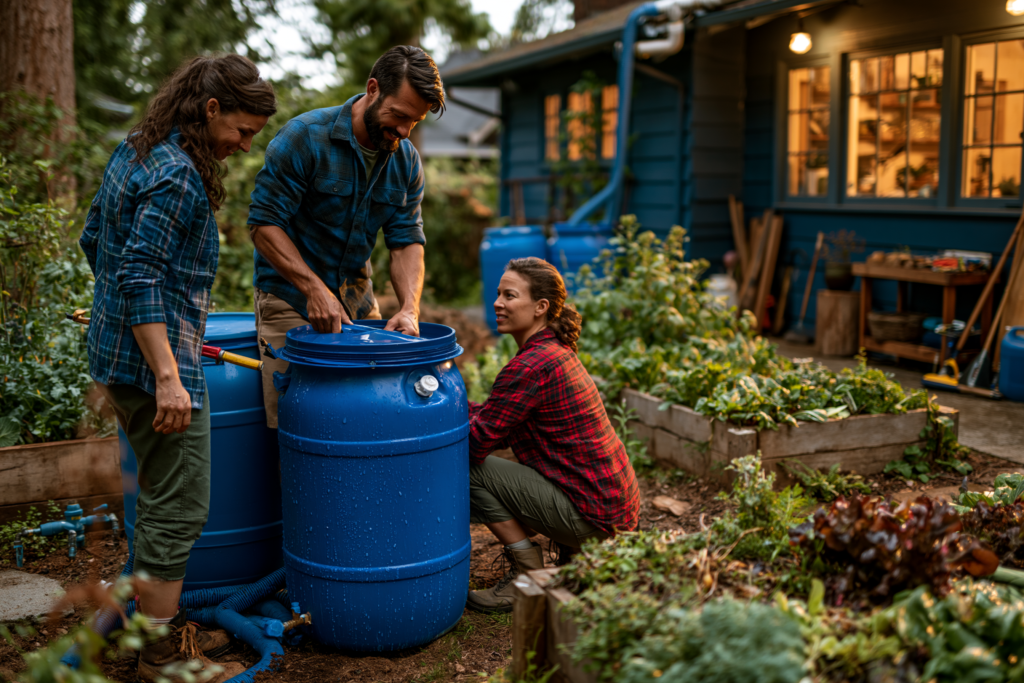
Build Your Own Emergency Water System in 48 Hours
A step-by-step guide for building a practical backup water system at home.
You’ll learn how much water your family actually needs, how to build a rainwater collection setup, how to store water safely, what mistakes to avoid, and how to create a stronger water plan before a crisis.
Together, these six guides give you a complete household resilience system — not random tips, not vague advice, and not fear-based theory.
They show you how to prepare across the six areas that matter most:
Food.
Water.
Power.
Health.
Security.
Self-sufficiency.
👉 See Everything Included In The Household Resilience Bundle Here
Final Reflection
History does not reward convenience forever.
It rewards preparation.
The goal is not to live in fear.
The goal is to build a household that can handle disruption without panic.
One layer at a time.
One practical system at a time.
Because the families who prepare before they need to are almost always better positioned than the families who wait until systems start failing around them.
The difference between panic and preparation is usually what a family did before the emergency started.