
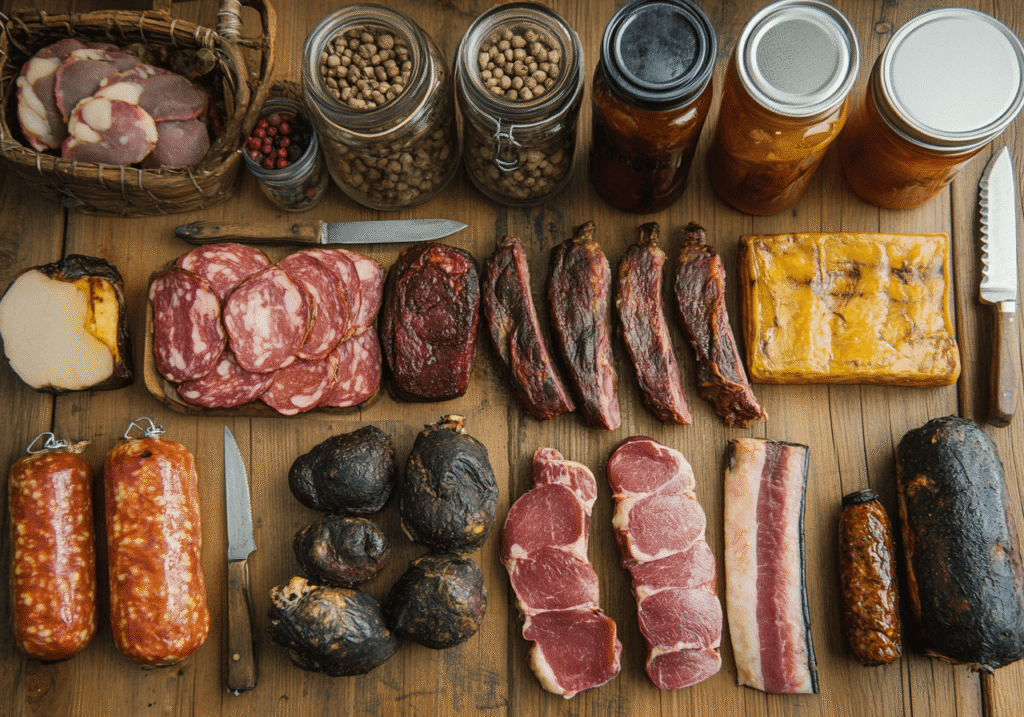
In today’s unpredictable world, preparing for emergencies has become more critical than ever. Whether it’s due to natural disasters, power outages, or disruptions in the supply chain, the need to preserve food without modern conveniences is essential. While stockpiling canned goods and dry staples is common, knowing how to preserve meat without a refrigerator can help you and your family survive long-term.
This post explores 10 effective ways to store meat for long periods without relying on refrigeration or freezing. Whether you’re preparing for an off-grid lifestyle, long-term survival, or just want to be ready in case of a major blackout, these methods are key.
Learning how to preserve meat is one of the 22 essential survival skills you need to thrive during crises.
1. Smoking Meat

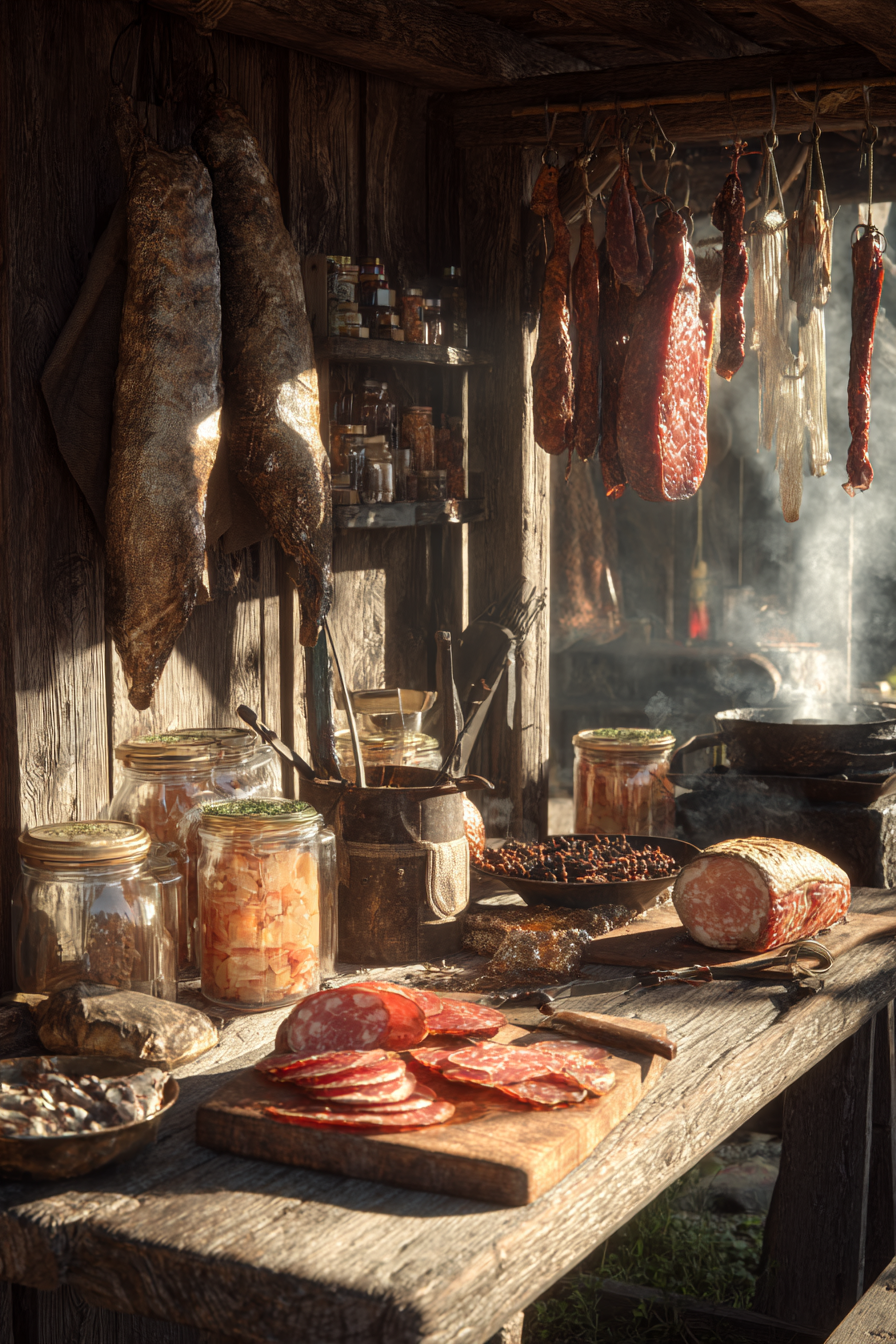
Smoking is one of the oldest and most effective ways to preserve meat. The smoke not only adds flavor but also dries the meat and forms a protective coating to prevent bacteria from growing. This method works especially well for those with access to a backyard or outdoor space.
Using a reliable smoker like the Realcook Vertical Steel Charcoal Smoker makes the process far more consistent by maintaining steady heat and airflow, which is critical for properly preserving meat.
Mastering this technique can ensure your food remains fresh for weeks. Smoking works best with certain types of wood like hickory or mesquite, which impart a rich, smoky flavor that enhances the taste of the meat.
Smoking meat effectively starts with the right tools—discover 50 essential survival items.
2. Curing Meat with Salt

Curing meat using salt is another traditional preservation technique that dates back centuries. Salt draws out moisture from the meat, making it inhospitable to bacteria. This method is ideal for anyone looking to preserve meat for months without modern equipment.
A high-quality curing salt like Morton Tender Quick Meat Cure ensures proper preservation by delivering the right balance of salt and curing agents to prevent spoilage.
Be sure to store cured meats in a dry, cool area to ensure they last. This technique is particularly useful when combined with smoking for added flavor and preservation.
3. Brining for Long-Term Storage
Brining is another tried-and-true method for preserving meat, which involves soaking meat in a saltwater solution. The salt in the brine helps to kill harmful bacteria and keep the meat fresh for longer periods.
Using a durable container such as the North Mountain Supply 2 Gallon Glass Fermentation Jar allows you to safely store large cuts of meat in brine without contamination or chemical leaching.
Brining is particularly useful for preserving large cuts of meat and can be used for poultry, pork, and beef. Just make sure you have a cool area to store the brine containers.
4. Pressure Canning Meat

Pressure canning is one of the best modern methods for preserving meat. Unlike water-bath canning, pressure canning reaches high enough temperatures to kill bacteria in low-acid foods like meat. Once pressure-canned, your meat can last for years without refrigeration, making it a perfect option for emergency preparedness.
A trusted unit like the Presto 23-Quart Pressure Canner and Cooker ensures safe and effective meat preservation by reaching the necessary temperatures to eliminate dangerous bacteria.
Pressure canners are affordable and widely available, making this method accessible for homesteaders and urban preppers alike.
Pressure-canned meats can complement other essentials in your car emergency kit—explore car kit tips.
5. Dehydrating Meat
Dehydrating meat is a great way to preserve it for long-term storage. You can use either an electric dehydrator or a solar-powered one, depending on your setup. This method removes moisture, preventing bacteria from thriving.
Using a dependable dehydrator like the COSORI Food Dehydrator Machine helps evenly remove moisture from meat, ensuring longer shelf life and safe storage.
Dehydrated meats, such as jerky, are portable, lightweight, and can last for months when stored in an airtight container. It’s a perfect option for emergency food supplies or backpacking.
6. Storing Meat in Lard
If you raise animals or have access to fresh meat, storing it in lard is an excellent way to preserve it. The fat creates an airtight seal around the meat, preventing spoilage and bacterial growth. This method is ideal for storing both raw and cooked meats.
A product like Fatworks Premium Leaf Lard provides a clean, high-quality fat source that creates a proper seal and prevents contamination during storage.
Simply layer the meat in melted lard and store it in a cool, dry place. The meat can last for months and is easy to access when needed.
7. Freeze-Drying Meat for Long-Term Storage
Freeze-drying is a more modern and high-tech method of preserving meat, but it’s one of the most effective. Home freeze-dryers are now available for those serious about long-term food storage. Freeze-dried meat retains nearly all its nutritional value and can last for up to 25 years when stored properly.
Investing in a system like the Harvest Right Home Freeze Dryer allows you to preserve large amounts of meat with minimal nutrient loss while dramatically extending shelf life.
This is ideal for those looking to store large quantities of meat with minimal space requirements.
8. Raising Heritage Livestock for Sustainable Meat Storage
For those who raise livestock, opting for heritage breeds is a wise choice. These animals are typically smaller, making them easier to consume without needing extensive preservation. Many heritage breeds also have higher fat content, which aids in traditional preservation methods like curing and storing in lard.
Keeping livestock that can be harvested as needed reduces the risk of spoilage and waste.
9. Natural Refrigeration in Cold Climates
In colder regions, natural refrigeration can be an option for storing meat. In the winter months, meat can be safely stored outside or in unheated storage spaces, provided that temperatures remain consistently below freezing.
Using a temperature monitor like the ThermoPro TP50 Digital Hygrometer Thermometer helps ensure conditions remain safe for meat storage and prevents accidental spoilage due to fluctuating temperatures.
However, this method requires close monitoring of the temperature and protection from wildlife.
10. Biltong: A Durable Preservation Method

Biltong is a South African method of preserving meat by marinating it in vinegar and spices, then air-drying it. This process removes moisture and creates a safe, long-lasting source of protein. Biltong can be made with beef, game meat, or even fish.
Using a specialized tool like the Kalahari Khabu Biltong Maker Box simplifies the drying process by providing proper օդ airflow and protection from contaminants, ensuring consistent results.
The result is similar to jerky but typically lasts longer, making it ideal for survival situations or long-term storage.
Biltong is a durable preservation method, perfect for extended emergencies like a year-long blackout—learn blackout survival tactics.
Final Thoughts
Learning how to preserve meat without a refrigerator is a valuable skill for anyone preparing for power outages or off-grid living. Whether you choose to smoke, brine, or dehydrate your meat, these methods ensure your food supply is safe and ready to eat when you need it most.
By combining traditional and modern preservation techniques, you can stockpile meat that will last through any emergency or power outage. Stay prepared, stay safe, and enjoy the peace of mind that comes with knowing your food supply is secure.
While these methods will ensure your meat supply lasts through tough times, imagine facing a year-long nationwide blackout. In a situation like this, preserving food is only one part of survival. To fully prepare for the worst, learn how to protect your family during a prolonged blackout with the ECOFLOW Portable Power Station.