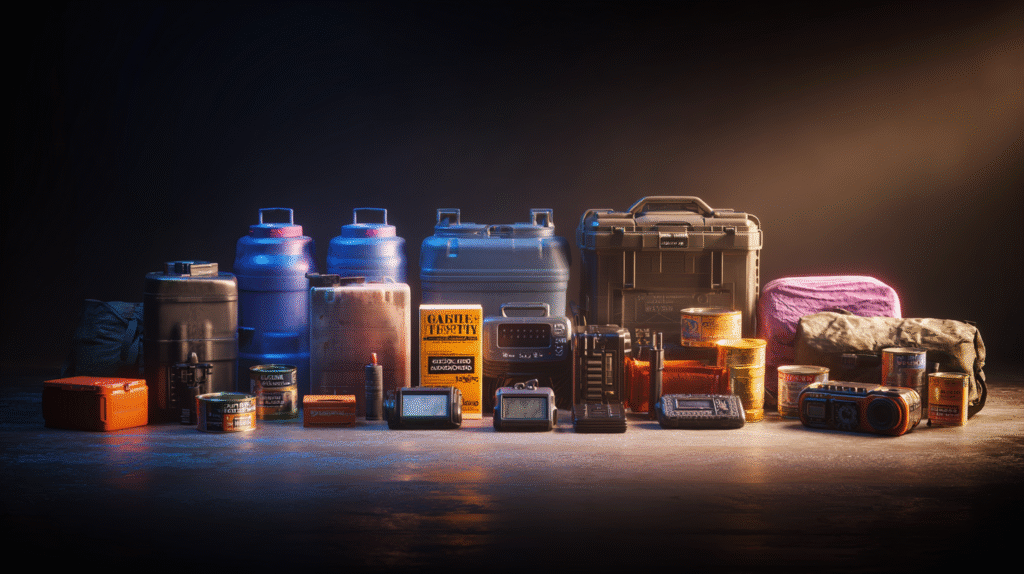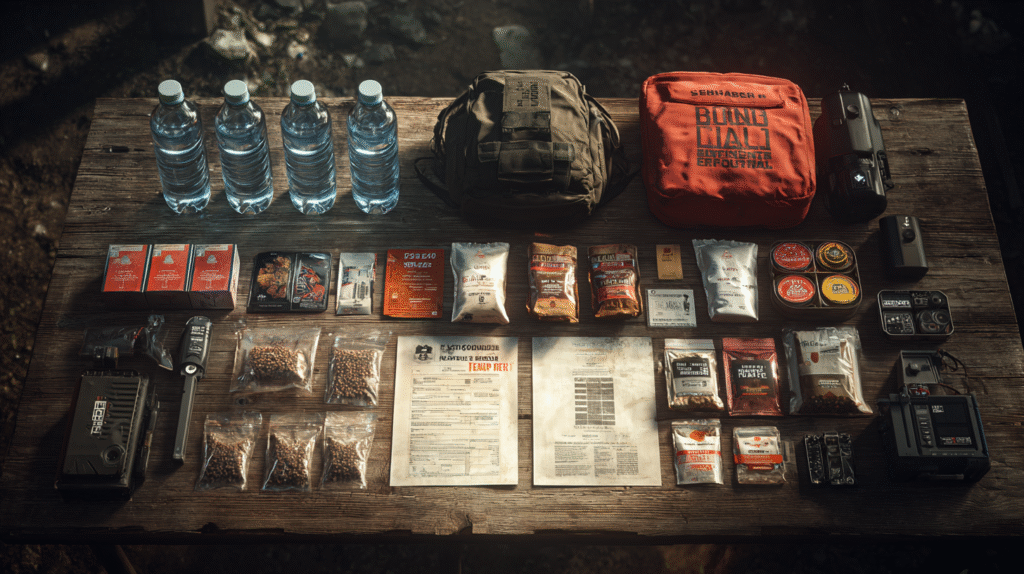

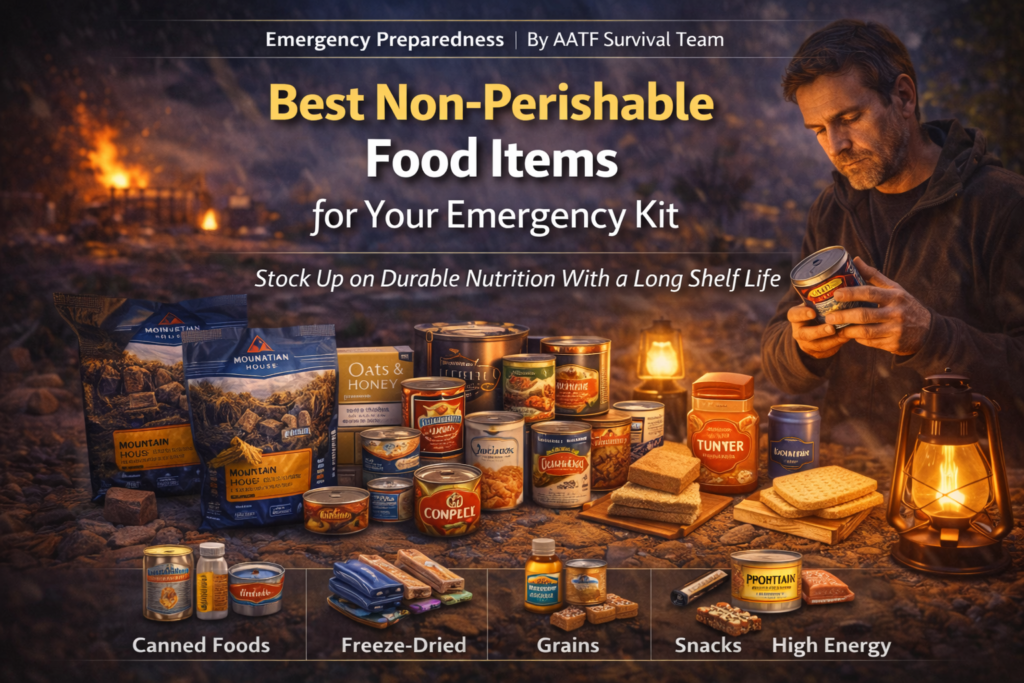
Food security is one of the most vital parts of emergency preparedness. During disasters, power outages, or supply disruptions, your food reserves become your family’s lifeline. Non-perishable food items—those that last for months or years without refrigeration—form the foundation of a reliable emergency kit. They provide energy, nutrition, and peace of mind when fresh food is unavailable.
Whether you’re building a small 72-hour kit or a long-term pantry, stocking up on shelf-stable foods is essential to survival. For a broader overview of what to include alongside your food supply, start with our cornerstone guide on essential items for your emergency preparedness kit.
Why Non-Perishable Foods Are Vital
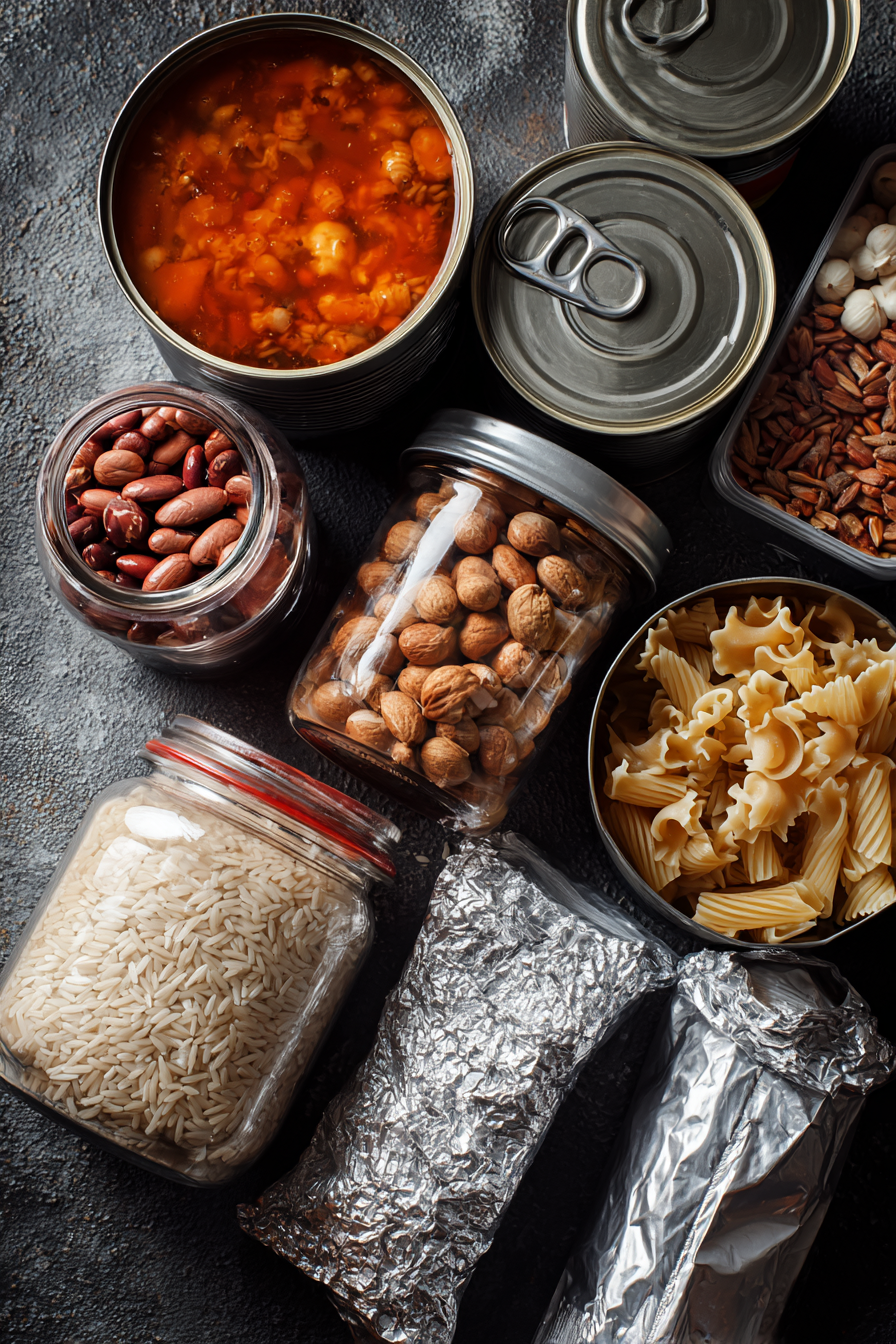
Unlike fresh produce or refrigerated goods, non-perishable items can withstand months or even years of storage without spoiling. They’re compact, affordable, and often require little or no preparation. In a time when grocery stores may be closed or shelves are empty, these foods guarantee nourishment and stability.
They also serve another purpose—comfort. Familiar foods can ease stress during crises, improving morale when routines are disrupted. When combined with proper long-term planning, these foods give you independence from uncertain supply chains. For a deep dive into sustainable storage methods, explore our guide on long-term food storage for beginners.
1. Canned Goods and Soups
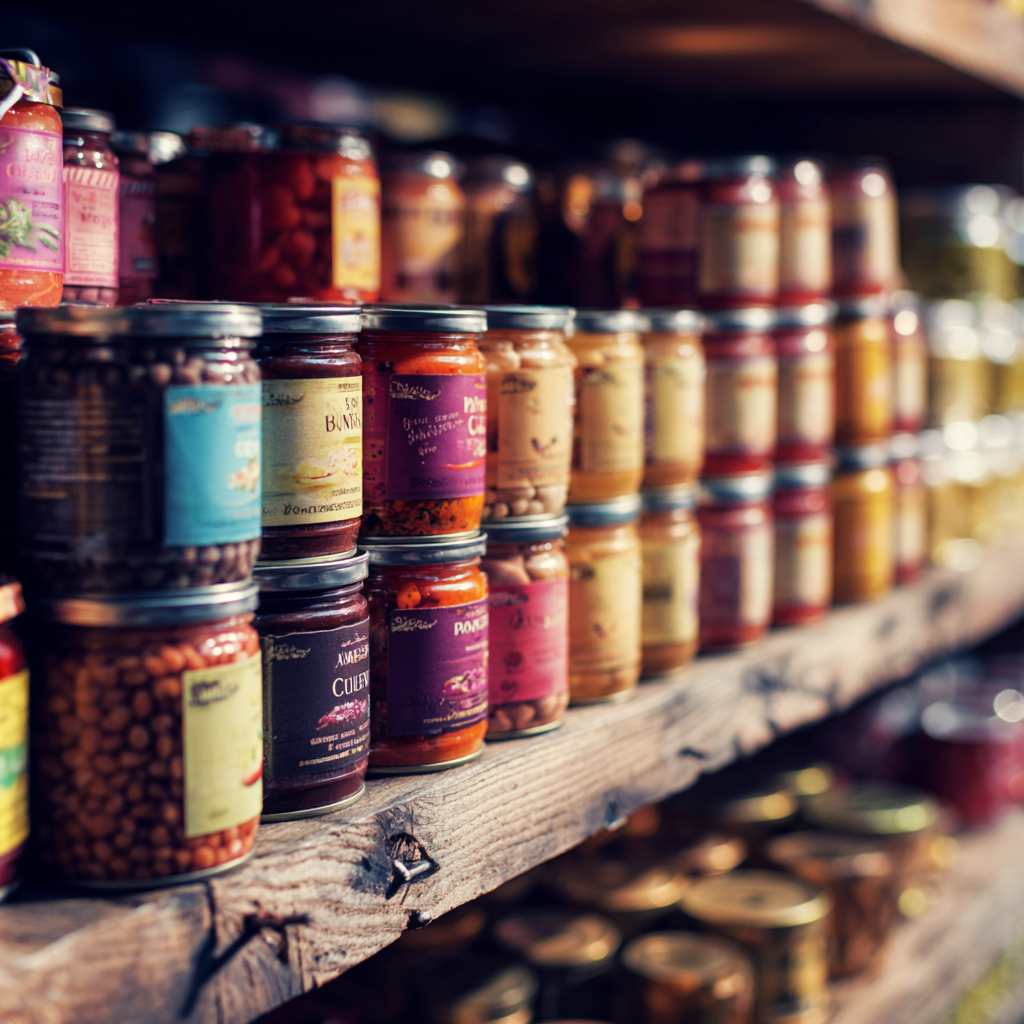
Canned foods are the backbone of most emergency food kits. They’re pre-cooked, sealed, and ready to eat straight from the can—perfect for power outages or quick meals when fuel is limited.
Look for options rich in protein and vegetables, and rotate your stock every 12 to 18 months to maintain quality.
Recommended Staples
- Campbell’s Chunky Soup – A hearty, satisfying meal packed with protein and vegetables. Just heat and eat for comfort food on cold or stressful days.
- Hormel Compleats Meals – Ready-to-eat meal packs that store easily and require no refrigeration. They’re compact enough to fit in go-bags or vehicle kits.
Canned meats, vegetables, and beans also store well and offer meal versatility. To expand your knowledge of emergency meal planning, read our guide on building a complete emergency food supply.
2. Packaged Grains and Pasta
Grains and pasta form the energy base of your survival diet. They’re inexpensive, filling, and combine easily with canned sauces, beans, or dried vegetables.
Properly stored in airtight containers, rice and pasta can last several years, especially when sealed in Mylar bags or vacuum-sealed jars.
Recommended Staples
- Rice-A-Roni Mixed Rice – A flavorful, shelf-stable side that cooks quickly and pairs with meats or soups.
- Barilla Pasta – A reliable, long-lasting pantry essential that forms the base for countless emergency meals.
To extend your food’s longevity, check out our long-term planning post on foods that last 25 years.
3. Dried Fruits and Nuts
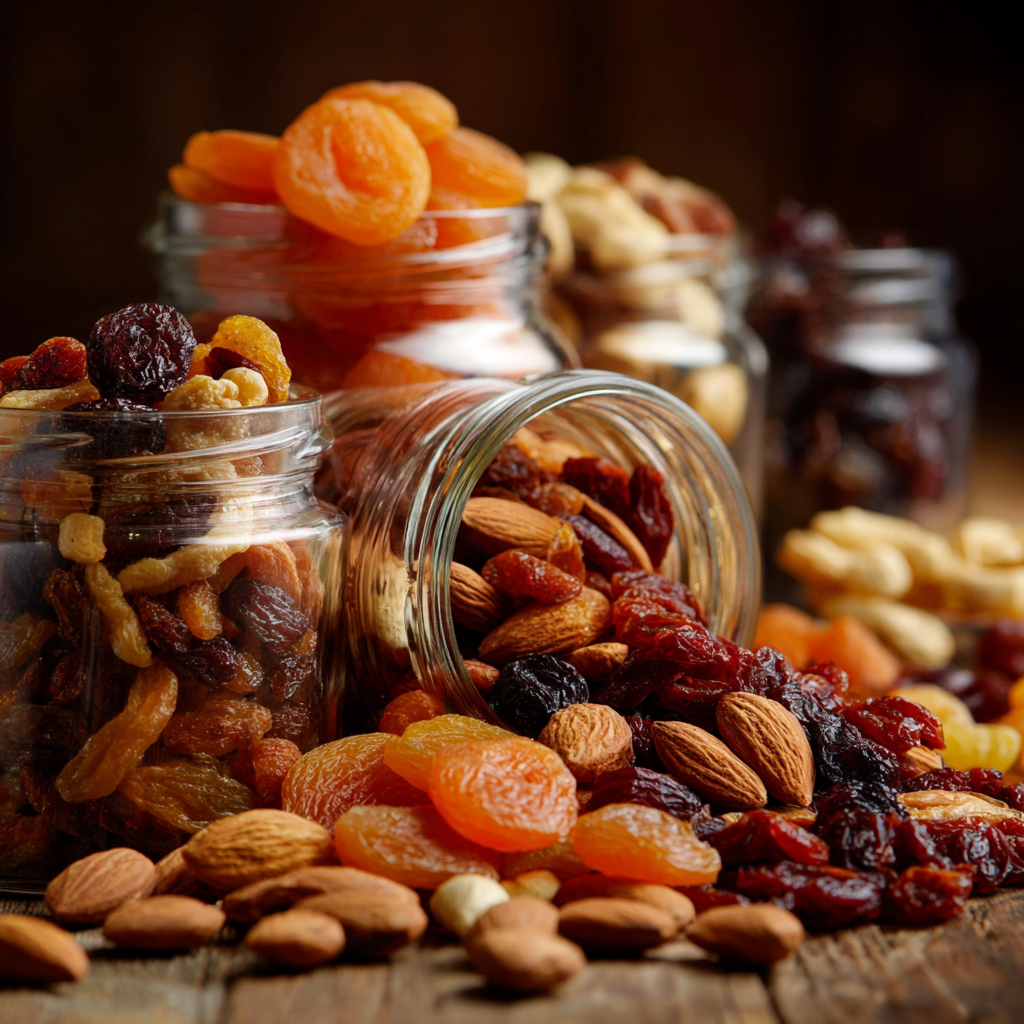
Lightweight and packed with nutrients, dried fruits and nuts are perfect for quick snacks or mobile emergency kits. They provide natural sugars, fiber, and healthy fats to maintain energy and focus during stressful conditions.
These foods also serve as great add-ins to oatmeal, rice, or baked goods made from stored ingredients.
Recommended Staples
- Nature’s Garden Trail Mix – A balanced mix of nuts, raisins, and seeds that provides sustained energy throughout the day.
- Sun-Maid Raisins – A classic snack high in fiber and antioxidants that lasts for months when kept sealed.
Because dried items can lose freshness over time, rotate them periodically as part of your emergency kit maintenance routine.
4. Protein Sources
Protein supports muscle function and energy levels—both critical during stressful or physically demanding emergencies. Non-perishable protein options ensure you stay nourished even when refrigeration isn’t possible.
Recommended Staples
- StarKist Tuna Creations – Single-serving pouches that deliver lean protein, ready to eat without preparation.
- Jif Natural Creamy Peanut Butter – A high-protein, shelf-stable spread that pairs with crackers or dried fruit for instant meals.
If you plan on bugging out or hiking during an emergency, these protein options should be staples in your pack. Review our essential bug out bag essentials to see where they fit into your full survival strategy.
5. Freeze-Dried Meals and Prepared Food Kits
Freeze-dried meals are the ultimate all-in-one emergency food option. Lightweight, long-lasting, and easy to prepare, they’re a favorite among preppers and outdoor adventurers. All you need is boiling water to enjoy a full meal.
Recommended Staples
- Mountain House Classic Bucket – Contains multiple meals with impressive shelf life, perfect for bug-out or shelter-in-place scenarios.
- ReadyWise Emergency Food Supply – Provides calorie-dense, ready-to-eat meals suitable for both short-term disasters and long-term food storage.
These kits integrate seamlessly into larger food storage plans like those outlined in our pillar post on the best survival food kits for preppers.
6. Snacks and Comfort Foods
Maintaining morale during a crisis is as important as meeting your nutritional needs. Small comforts—like coffee, chocolate, or a warm breakfast—can keep spirits high and energy steady.
Recommended Staples
- Quaker Instant Oatmeal – Quick, filling, and nutritious; simply add hot water for an instant meal.
- Kellogg’s Pop-Tarts – Easy to store, portable, and a great treat for kids and adults alike.
When planning your kit, balance practicality with comfort. You don’t have to sacrifice taste or morale to be prepared.
For additional insights into keeping your supplies fresh and functional, check our article on emergency preparedness kit maintenance.
7. Practical Tips for Storing Non-Perishable Foods
Even non-perishable foods can lose quality if stored incorrectly. Follow these tips to maximize shelf life and safety:
- Store in a cool, dry place away from direct sunlight.
- Keep track of expiration dates with a simple rotation system—oldest in front, newest in back.
- Repackage bulk items in Mylar bags or vacuum-sealed containers to prevent pests and moisture.
- Include manual tools like a can opener and small camping stove in your kit for easy access.
For even greater food security, explore our long-term preservation post on foods that last 25 years or more.
Conclusion
Non-perishable foods form the foundation of every well-prepared household. From hearty canned meals and nutrient-rich proteins to freeze-dried options that last decades, these foods guarantee that you and your family won’t go hungry when emergencies strike.
Start small—build your kit one shelf at a time, rotate your supplies regularly, and aim for a mix of practicality and taste. Being prepared means not only surviving but thriving when life throws the unexpected your way.
For a comprehensive overview of essential survival gear to accompany your food storage, visit our cornerstone post on the top 10 must-have items in your disaster supply kit. It ties your entire preparedness plan together—from food and water to tools and shelter.