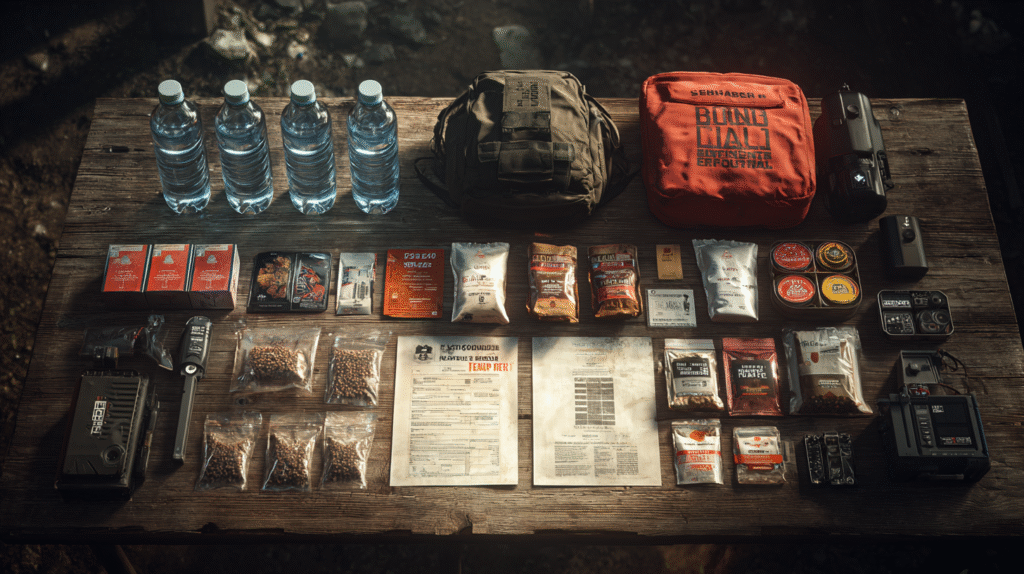

Emergencies can upend life in minutes. Whether it is a hurricane that knocks out power, a flood that contaminates drinking water, or a wildfire that forces an evacuation, families that prepare in advance stand a far better chance of staying safe. Human-caused events like chemical spills, riots, or cyberattacks can be just as disruptive.
A disaster supply kit is not about paranoia. It is about peace of mind and resilience. By gathering essentials in advance you create a buffer against the chaos that often follows disasters. According to FEMA, every household should have a kit that supports basic needs for at least seventy-two hours. The Red Cross recommends water, food, first aid, light, and communication as non-negotiable.
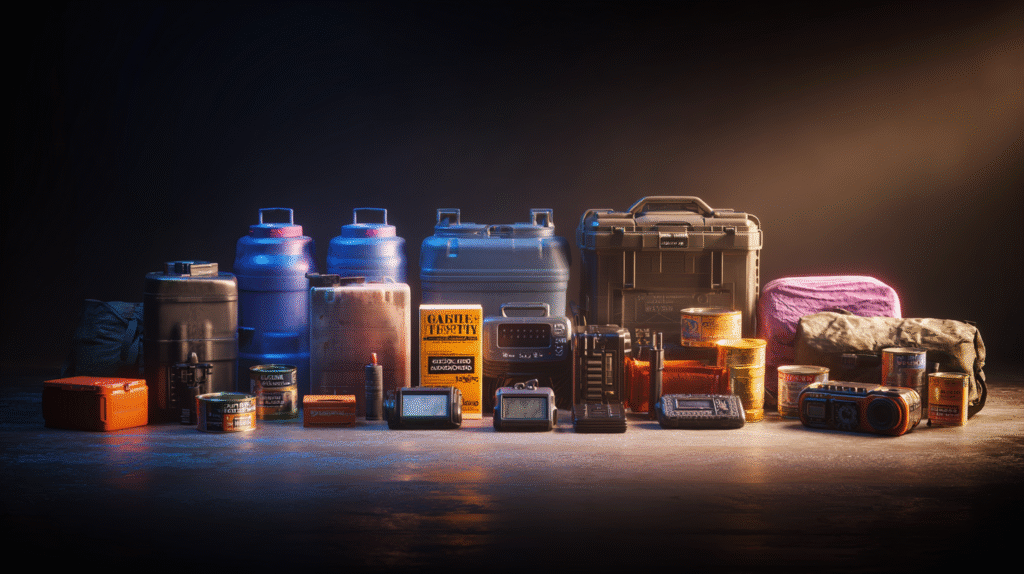
This guide goes deeper. Here you will find the ten must-have categories of gear every disaster kit requires. Each section explains why the item matters, provides examples of best practices, interlinks to related survival resources, and highlights proven products you can add to your kit.
If you want a broader overview of preparedness planning, start with our cornerstone post on creating your ultimate emergency preparedness kit.
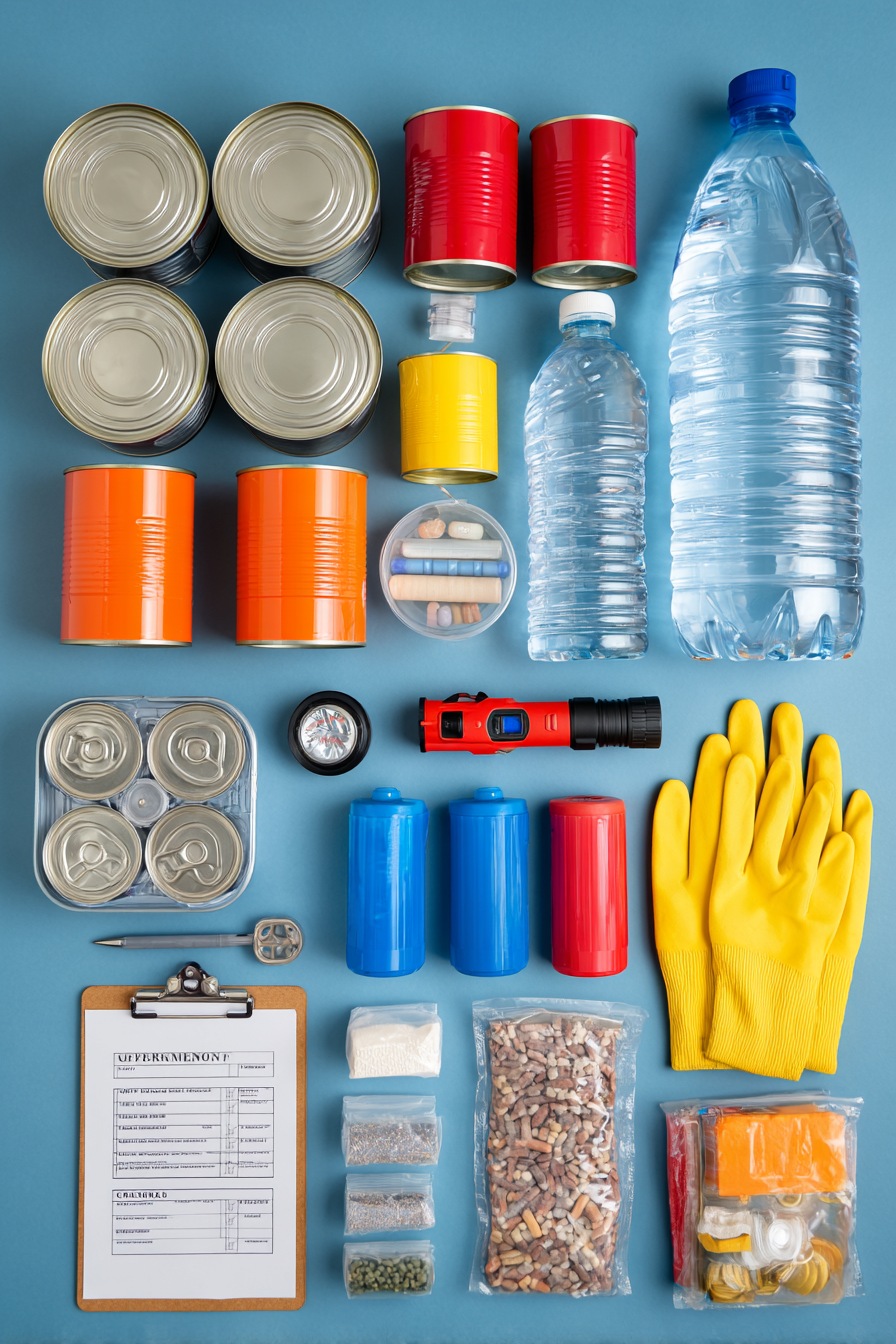
1. Water and Purification
Water is always the top priority. The body can go weeks without food but only three days without water. After Hurricane Katrina in 2005, thousands of families were stranded without safe drinking water. Contaminated floodwaters spread disease, and bottled water distribution could not keep up with demand. That disaster taught the nation that water is often the first system to fail.
Every kit should include a minimum of one gallon per person per day. Store water in food-grade containers kept in a cool, dark place. Stackable systems such as the WaterBrick Stackable Water Container make storage space-efficient while staying portable if you need to evacuate.
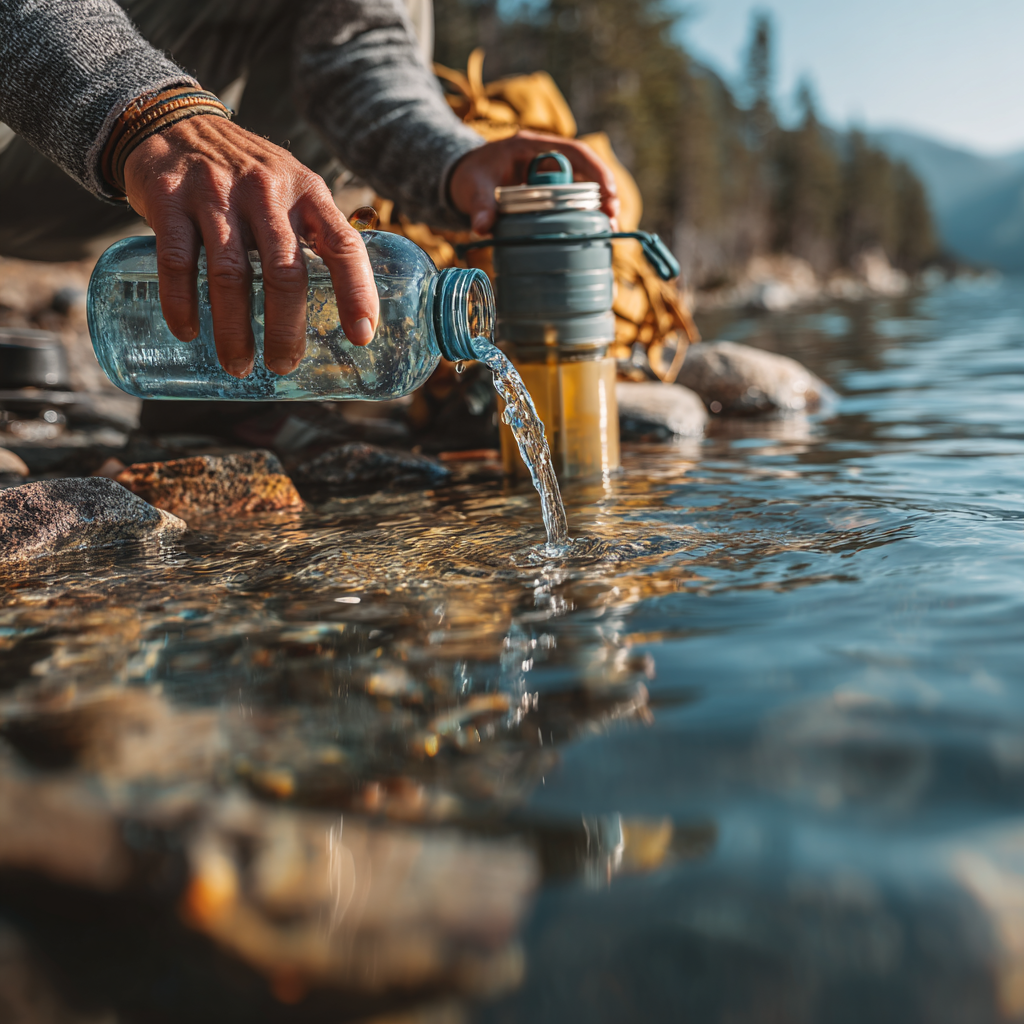
Stored water eventually runs out, which is why purification is critical. Boiling kills most pathogens but requires fuel. Distillation and solar stills can remove salt and chemicals in extreme situations. For daily reliability, a filter like the LifeStraw Personal Water Filter allows safe drinking from rivers, lakes, or rain barrels. Purification tablets serve as compact backups for killing bacteria and viruses quickly.
To expand your knowledge, see our post on water purification methods.
2. Food Supplies and Nutrition
Food provides both energy and comfort in uncertain times. During extended crises, people who run out of supplies often depend on overwhelmed shelters. By storing food in advance you ensure independence.
Plan on at least two thousand calories per person per day. Rotate foods regularly using the FIFO method—first in, first out. Shelf-stable staples like beans, rice, oats, and canned meats are inexpensive and versatile. For quick grab-and-go options, keep calorie-dense items such as CLIF Builder’s Protein Bars.
Freeze-dried and dehydrated meals simplify long-term planning. The ReadyWise Emergency Food Supply lasts up to twenty-five years and requires only water to prepare. These kits offer peace of mind that your family will not go hungry even during prolonged disasters.
When choosing foods balance carbohydrates, proteins, and fats. Include vitamin sources such as dried fruits or multivitamins. For deeper options explore non-perishable food items for your emergency kit, long-term food storage for beginners, best survival food kits for preppers, and foods that last 25 years.
3. First Aid and Medical Supplies
Injuries are common during disasters. Cuts, burns, and broken bones often happen when people are rushing to evacuate or living without electricity. During the COVID-19 pandemic, many households also learned how important it is to have masks, gloves, thermometers, and fever medication on hand when pharmacies and clinics are overwhelmed.
Begin with a solid foundation such as the Everlit Survival First Aid Kit. It includes bandages, antiseptics, trauma tools, and survival basics. Add prescription medications, inhalers, and allergy treatments tailored to your family. Stock extra over-the-counter medicines for pain relief, stomach upset, and fever.
Do not neglect natural remedies. Herbs such as echinacea, ginger, and garlic have been used for centuries. For preppers interested in herbal medicine see our affiliate-recommended Medicinal Garden Kit (linked from our resources page).
Skill is as vital as supplies. Take a first aid course and read our detailed guide on first aid kit supplies. Rotate medications regularly and keep kits dry and protected.
4. Lighting and Power
Darkness is dangerous. In the 2021 Texas blackout millions of people lost power for days during freezing temperatures. Families huddled in dark homes, often relying only on flashlights and candles. Accidents, hypothermia, and fires increased.
Your kit should include multiple light sources. A rugged flashlight like the Streamlight ProTac 1L-1AA is reliable and compact. Headlamps free your hands for cooking or repairs. For broader light the Goal Zero Crush Light Solar Lantern is portable and recharges in the sun.
For extended outages a portable power station like the Grid Doctor EMP 3300 keeps phones, radios, and medical devices powered. Pair it with a folding solar panel for off-grid independence.
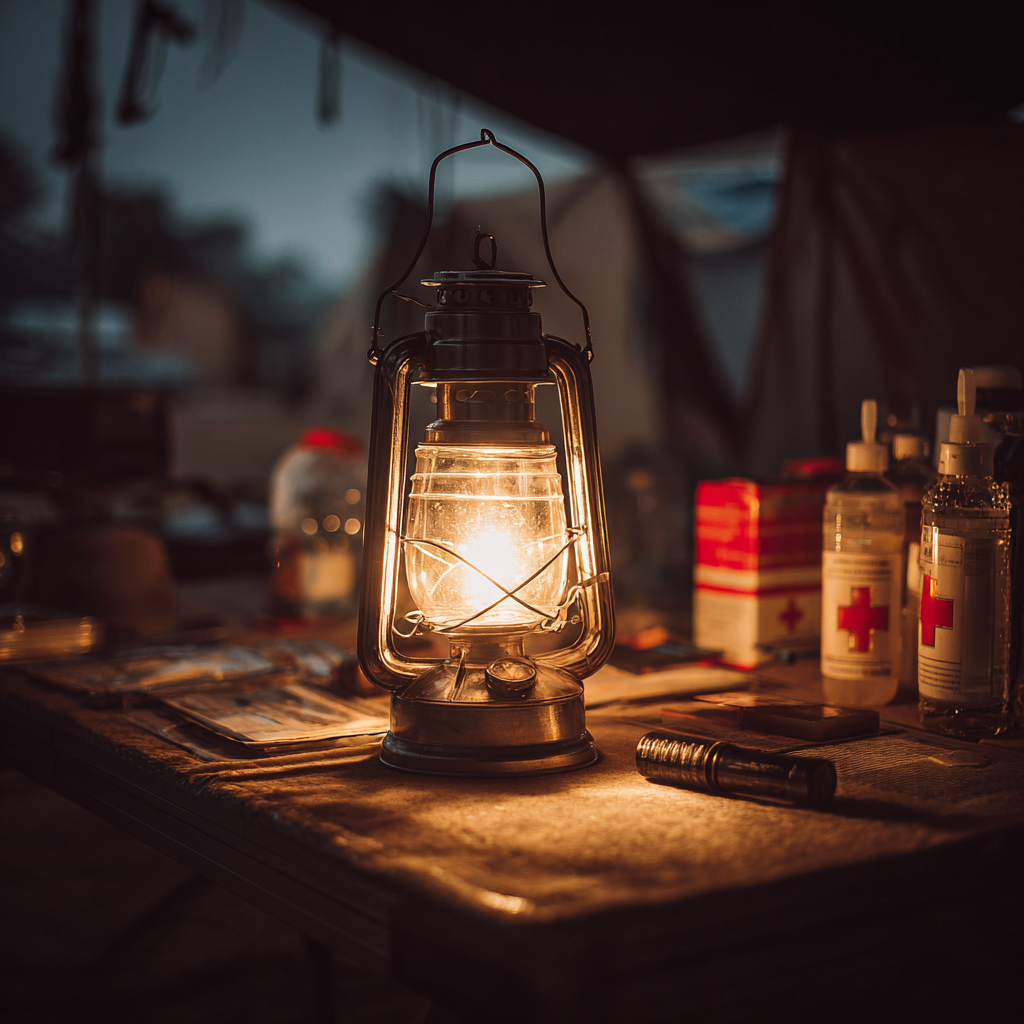
Candles, oil lamps, and propane lanterns also have a place but require caution to avoid fires or carbon monoxide poisoning.
See our detailed posts on emergency lighting options and portable power sources.
5. Communication Devices
During California wildfires, families that relied only on cell phones often missed evacuation alerts when networks collapsed. Those with radios received timely instructions and were able to leave safely.
A crank or solar-powered weather radio is non-negotiable. The Midland ER310 Emergency Crank Radio receives NOAA broadcasts, works without grid power, and doubles as a flashlight.
For local communication two-way radios are useful. Handheld ham radios provide greater range, but you must follow FCC licensing requirements. GMRS and FRS radios are simpler for families to use immediately.
Satellite messengers like Garmin InReach can send texts and GPS coordinates even without cell towers. These are invaluable in remote areas or widespread disasters.
Read more in our guides on emergency communication devices and key features of emergency radios.
6. Multi-Tool and Survival Equipment
When resources are limited versatility matters. A multi-tool provides dozens of functions in one device, from cutting rope to repairing shelter.
Trusted models like the Leatherman Wave Plus or Gerber Suspension-NXT are durable and reliable. Keep at least one in your kit and another in your vehicle.
Redundancy is key. Carry a fixed-blade knife for heavy tasks, a ferro rod for fire starting, and paracord for shelter-building. Add specialized tools like wire saws or compact hatchets for processing wood.
For skill-building, see choosing the right multi-tool for emergencies, and our ultimate survival gear list.
7. Cooking Equipment and Food Preparation
A hot meal restores both strength and morale. In emergencies people often struggle with cooking when utilities are down.
Compact stoves like the Jetboil Flash Camping Stove boil water in minutes. The Coleman Portable Butane Stove is a reliable single-burner for canned or packaged foods.
Consider alternative methods as well. Solar ovens use sunlight, while rocket stoves burn small sticks efficiently. These options save fuel and reduce smoke.
Cooking in disaster conditions also requires sanitation. Use clean surfaces, purified water, and safe waste disposal.
For more, read top portable cooking equipment, and best food dehydrators.
8. Hygiene and Sanitation Supplies
In refugee camps around the world disease often spreads faster than hunger. The same risk exists in disasters close to home. Cleanliness prevents illness and preserves morale.
Stock basics: soap, toothbrushes, toothpaste, and baby wipes. Store feminine hygiene supplies and diapers if needed. A small bottle of bleach diluted properly can disinfect surfaces and even treat water in emergencies.
If the sewer system fails a portable toilet is invaluable. The Reliance Luggable Loo works with disposable bags and provides dignity in stressful conditions. For longer-term resilience, explore composting toilets or reusable hygiene products.
Clean clothes, even if washed in a bucket, improve morale. Hygiene supports mental health as much as physical health.
See our resources on emergency sanitation supplies.
9. Shelter and Warmth
Exposure to the elements kills faster than hunger. In cold climates hypothermia is a real risk; in hot regions heatstroke can be just as dangerous.
A bivvy like the SOL Emergency Bivvy keeps you warm and dry. A tarp such as the Wise Owl Outfitters Rain Tarp provides shade in the desert, shelter in the rain, or ground cover in floods.
Adapt your kit to the season. In winter include wool socks, gloves, and hand warmers. For deserts carry shade tarps and extra hydration. In flood zones pack waterproof bags and elevated sleeping gear.
See our article on emergency shelter options.
10. Documents, Cash, and Special Items
Disasters are not just physical—they are bureaucratic. After hurricanes many survivors struggled to prove identity, claim insurance, or access bank accounts.
Store copies of passports, deeds, and medical records in a waterproof container like the Pelican Waterproof Document Case. Keep small bills and coins in case card systems are offline.
Think beyond cash. Bartering items such as lighters, fuel, or silver coins can be just as valuable when supply chains break down.
Include household-specific needs: pet food and leashes, baby formula and diapers, or mobility aids for seniors. Create a laminated contact sheet with family phone numbers and meeting points.
See our posts on organizing emergency documents, how much emergency cash to keep, and pet emergency kits.
Conclusion
Preparedness is not a product. It is a mindset and a habit. A disaster supply kit is the foundation of that habit. By focusing on water, food, first aid, lighting, communication, tools, cooking, sanitation, shelter, and documentation, you cover the essentials of survival.
Build your kit gradually if needed, one item at a time. Store it in sturdy containers, rotate perishables, and check expiration dates. Run family drills so everyone knows where supplies are and how to use them.
Preparedness is not about predicting the future. It is about creating peace of mind today. For ongoing upkeep see our article on emergency kit maintenance. The best time to prepare was yesterday. The second best time is now.