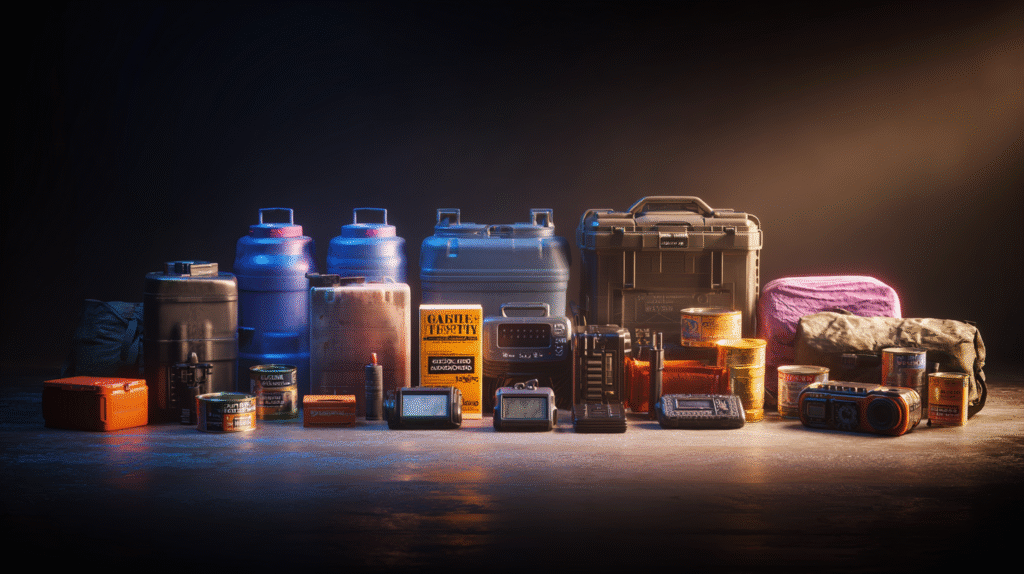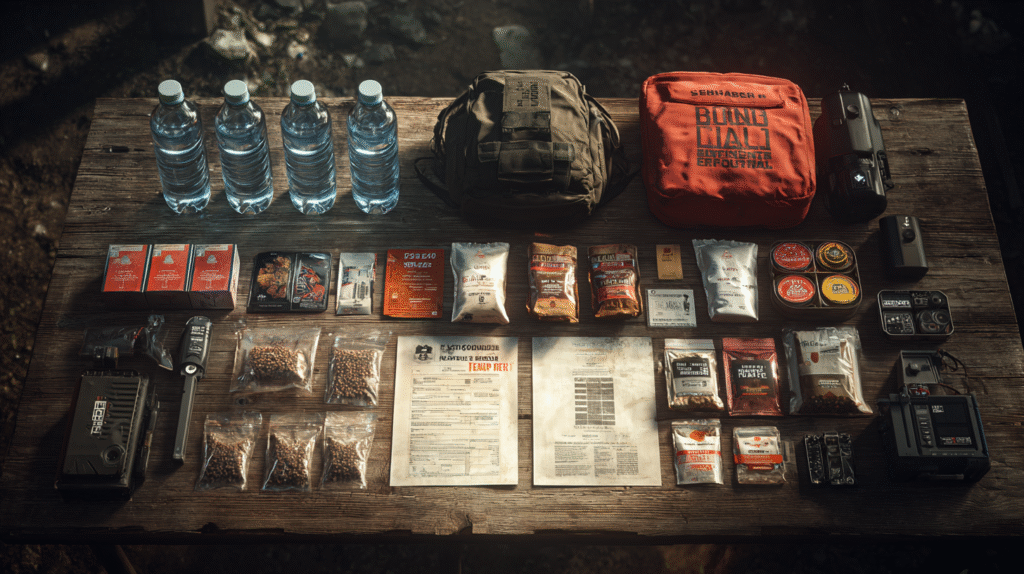

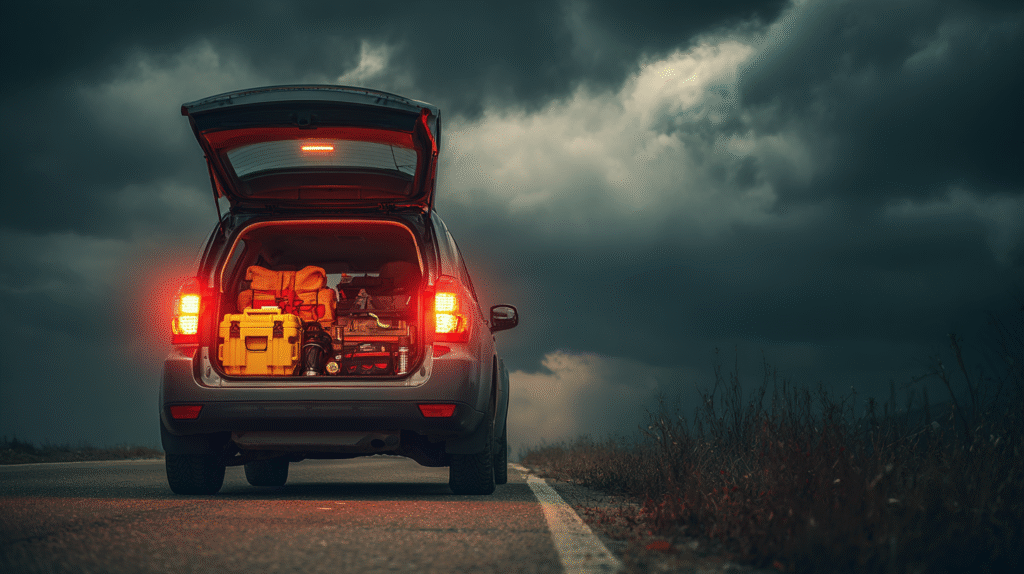
Every time you drive, you trust that your car will get you safely from point A to point B. But the truth is, emergencies can happen at any time of year. Whether it’s a flat tire on a summer road trip, a breakdown in the middle of a rainstorm, or getting stranded during a snowstorm, having a car emergency kit can mean the difference between inconvenience and danger.
A well-stocked car emergency kit ensures you have the tools, supplies, and peace of mind to handle the unexpected. It’s not just about winter driving—preparedness applies in every season.
For a broader overview of preparedness, start with our cornerstone guide on essential items for your emergency preparedness kit.
Why Build a Car Emergency Kit?
Roadside assistance can take hours, especially during storms, natural disasters, or widespread power outages. Cell phone service may fail, and in some rural areas, help might not arrive at all. Having your own supplies allows you to stay safe, comfortable, and in control while you wait for assistance—or even to get yourself moving again.
Consider real-world scenarios:
- During a massive snowstorm in Virginia in 2022, hundreds of motorists were stranded on I-95 for more than twenty hours. Many had no water, food, or blankets.
- In summer, overheating and dehydration can strike fast if your car breaks down on a remote highway.
- Flooding and severe storms can trap vehicles, cutting drivers off from basic resources.
Preparedness gives you independence when conditions turn against you. For a full supply breakdown, check our cornerstone on the top 10 must-have items in your disaster supply kit.
Core Categories for Your Car Emergency Kit
1. First Aid and Medical Supplies
Accidents happen on the road, from minor scrapes to more serious injuries. Every car kit should include a solid first aid foundation.
The Everlit Survival First Aid Kit is compact and comprehensive, covering hundreds of possible medical needs. Add prescription medications, allergy treatments, and a digital thermometer to customize it for your family.
Also pack disposable gloves, masks, antiseptic wipes, and pain relievers. These basics cover everything from road rash to sudden illness.
For a detailed supply list, visit our guide on first aid kit supplies.
2. Lighting and Power
A breakdown at night can be both dangerous and disorienting. Proper lighting ensures visibility and safety.
A reliable flashlight such as the Streamlight ProTac 1L-1AA provides dependable brightness, while a headlamp keeps your hands free for repairs. Pack spare batteries and rotate them regularly.
For longer outages, a solar lantern adds extended illumination without draining your vehicle’s power. A portable battery pack ensures you can recharge phones, radios, or GPS devices.
Learn more in our guide to emergency lighting.
3. Tools and Repair Gear
Cars are machines, and machines break down. Even small tools can solve big problems when help isn’t immediately available.
A Leatherman Wave Plus multi-tool offers pliers, knives, screwdrivers, and scissors in one compact unit. A tire repair kit and a portable air compressor can get you rolling again after a flat.
Jumper cables are non-negotiable, and a portable battery charger can revive a dead battery without needing another vehicle. For winter or muddy conditions, add a compact folding shovel.
See our ultimate survival gear list for other recommended tools.
4. Shelter and Warmth
Exposure to the elements is one of the fastest killers in an emergency. Even in mild weather, nighttime temperatures drop quickly.
Pack a lightweight emergency bivvy such as the SOL Emergency Bivvy to conserve body heat. A tarp like the Wise Owl Outfitters Rain Tarp provides shade in the summer and protection against rain or wind year-round.
Keep at least one warm blanket in the car at all times. Rotate clothing seasonally—gloves and hats in winter, breathable layers in summer.
For more, see our guide on emergency shelter options.

5. Food and Hydration
Staying nourished is just as important on the road as at home. Choose compact, calorie-dense, non-perishable foods that won’t spoil in the car.
The ReadyWise Emergency Food Supply offers portioned meals with decades-long shelf life. For quick fuel, CLIF Builder’s Protein Bars are lightweight and energy-rich. Nuts, jerky, and dried fruit make excellent additions.
Water is critical. Store sealed bottles in your trunk and rotate them every few months. Collapsible water containers and purification tablets provide backup options.
For more ideas, see our supporting post on emergency food supply and our pillar guides on long-term food storage for beginners and best survival food kits for preppers.
6. Safety Gear
Keeping yourself visible and your car marked is vital, especially in high-traffic or low-visibility conditions.
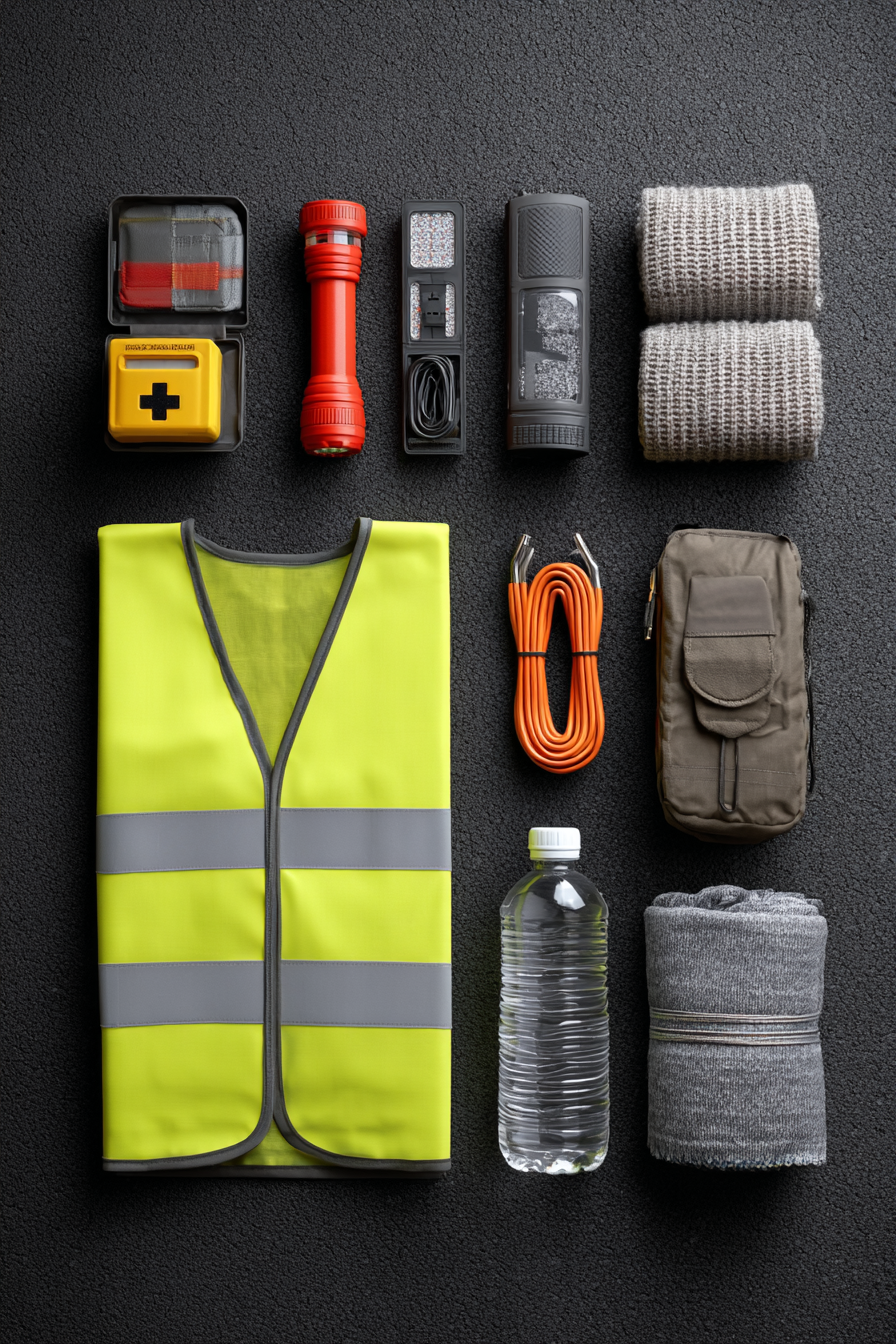
Reflective triangles and safety vests warn approaching drivers of your presence. Road flares or LED safety lights provide an added layer of visibility.
A whistle or air horn can also help you signal for attention if you are stranded in remote areas.
7. Car-Specific Essentials
Some supplies are unique to driving emergencies. Every vehicle should carry:
- Jumper cables
- A tire repair kit
- A compact fire extinguisher
- A window breaker and seatbelt cutter
These items are small investments that can save lives in critical moments.
How to Organize Your Car Kit
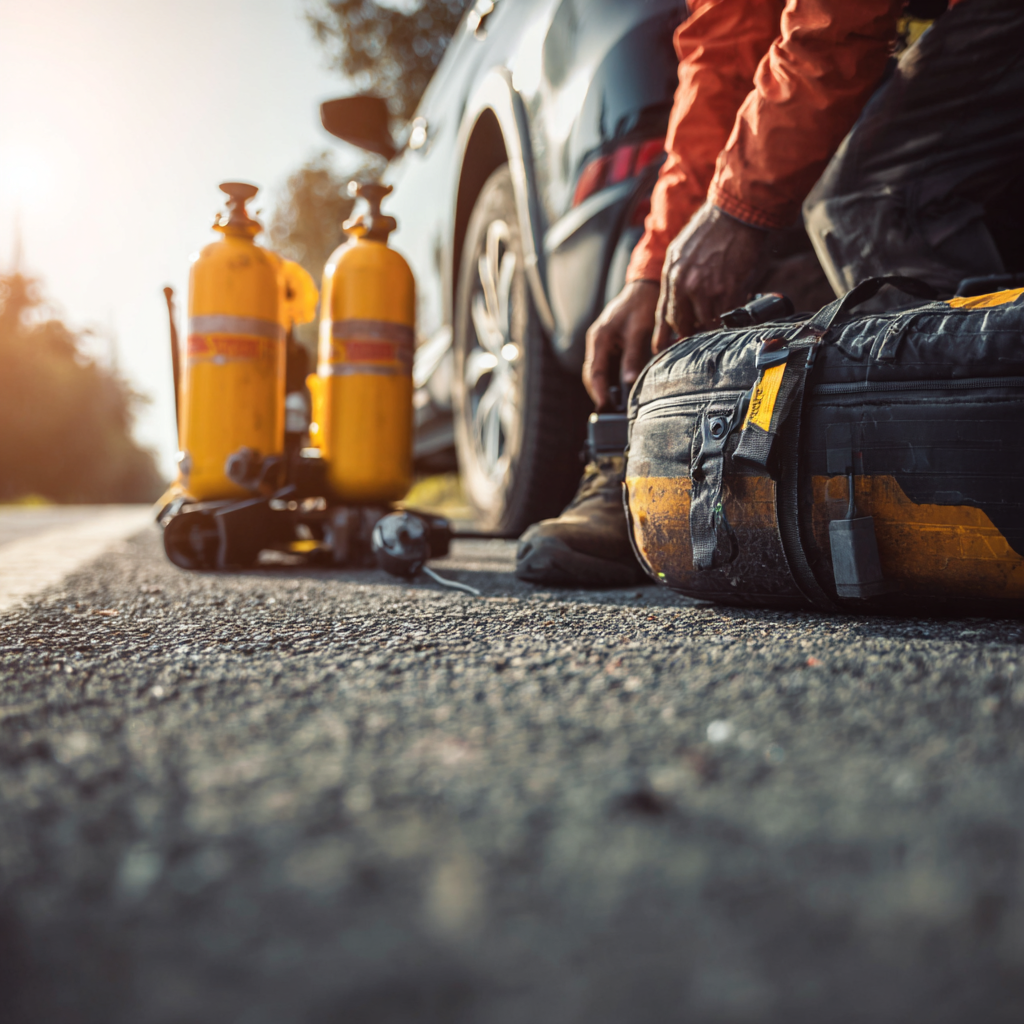
The best kit is one you can access quickly. Use a durable plastic bin or heavy-duty backpack to store everything. Place frequently used items like flashlights or jumper cables near the top for easy reach.
Divide supplies into categories—first aid, food, tools, and safety—and keep an inventory list.
Maintaining Your Car Emergency Kit
Preparedness is ongoing. Review your kit every three to six months:
- Replace expired food, water, and medications.
- Test flashlights and battery packs.
- Swap clothing for seasonal changes.
- Restock items used during trips or minor breakdowns.
For long-term upkeep tips, see our guide on emergency kit maintenance.
Conclusion
Emergencies don’t just happen in winter—they can strike in any season, on any road. A car emergency kit gives you the confidence and resources to handle breakdowns, accidents, or severe weather whenever they occur.
Start small, add essentials one at a time, and adjust for your climate and family needs. Keep your kit updated, and it will always be ready when you need it most.