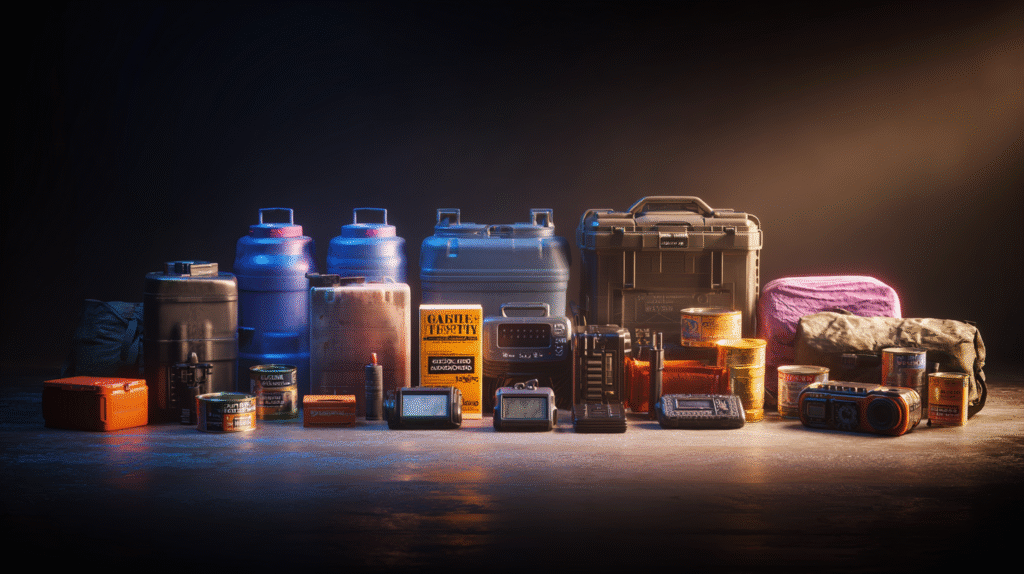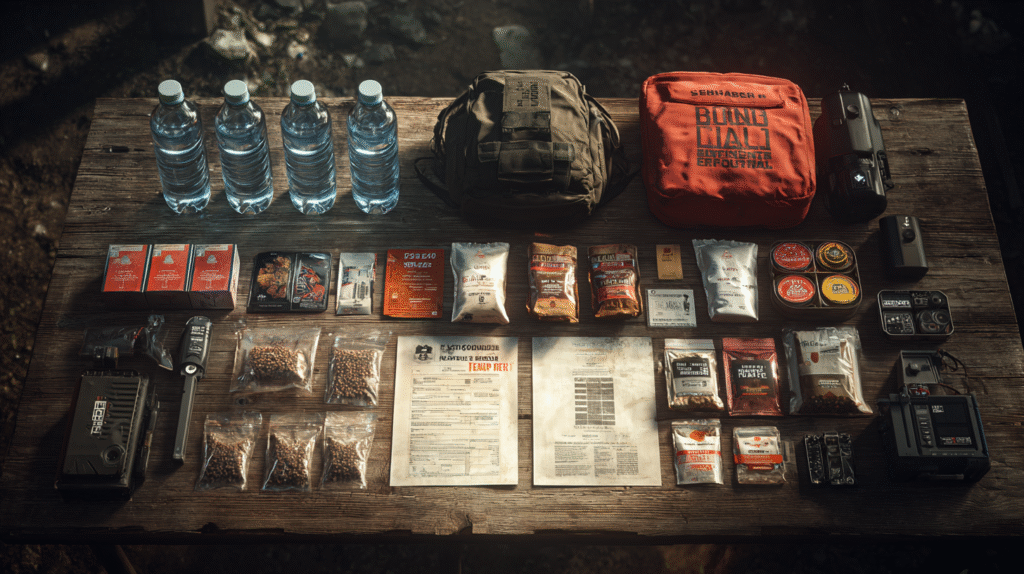

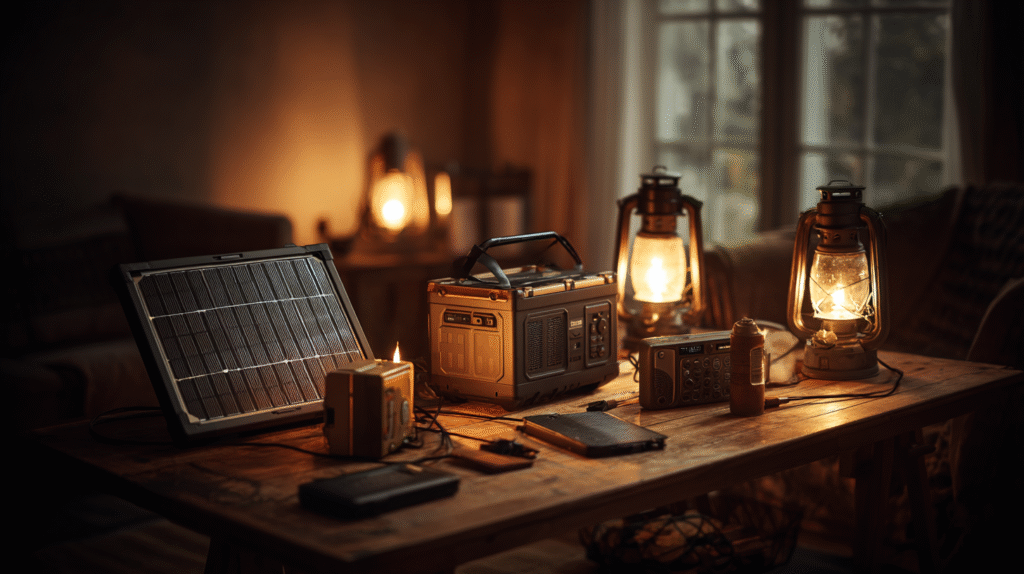
When the grid goes down, electricity quickly becomes just as critical as food and water. Blackouts caused by storms, wildfires, hurricanes, or infrastructure failures can last for hours—or even days. During these emergencies, portable power keeps your lights on, your communication devices charged, and your medical equipment running.
A reliable power source is a core part of preparedness. Whether you are riding out a storm at home, stuck in your vehicle, or evacuating with a bug out bag, portable power ensures you can stay safe and connected. For a complete foundation of survival essentials, see our cornerstone guide on essential items for your emergency preparedness kit.
Why Portable Power Matters
Electricity powers more than convenience—it supports survival. When an emergency strikes, backup power allows you to:
- Stay informed. Radios, phones, and small communication devices all need charging. Reliable power ensures you never miss critical updates.
- Keep lights running. Darkness increases risk of injury. Power for flashlights, headlamps, and lanterns improves both safety and morale. Learn more in our guide on emergency lighting.
- Support medical needs. Devices like CPAP machines, oxygen concentrators, or thermometers rely on electricity. For households with medical requirements, backup batteries can be lifesaving.
- Preserve comfort. A charged fan, heater, or even a tablet can improve morale during long outages, making stressful situations more bearable.
Preparedness is about resilience, and power belongs right alongside food, water, shelter, and first aid.
Types of Portable Power Sources
Different emergencies call for different levels of power. Here are the main categories to consider for your kit.
1. Power Banks
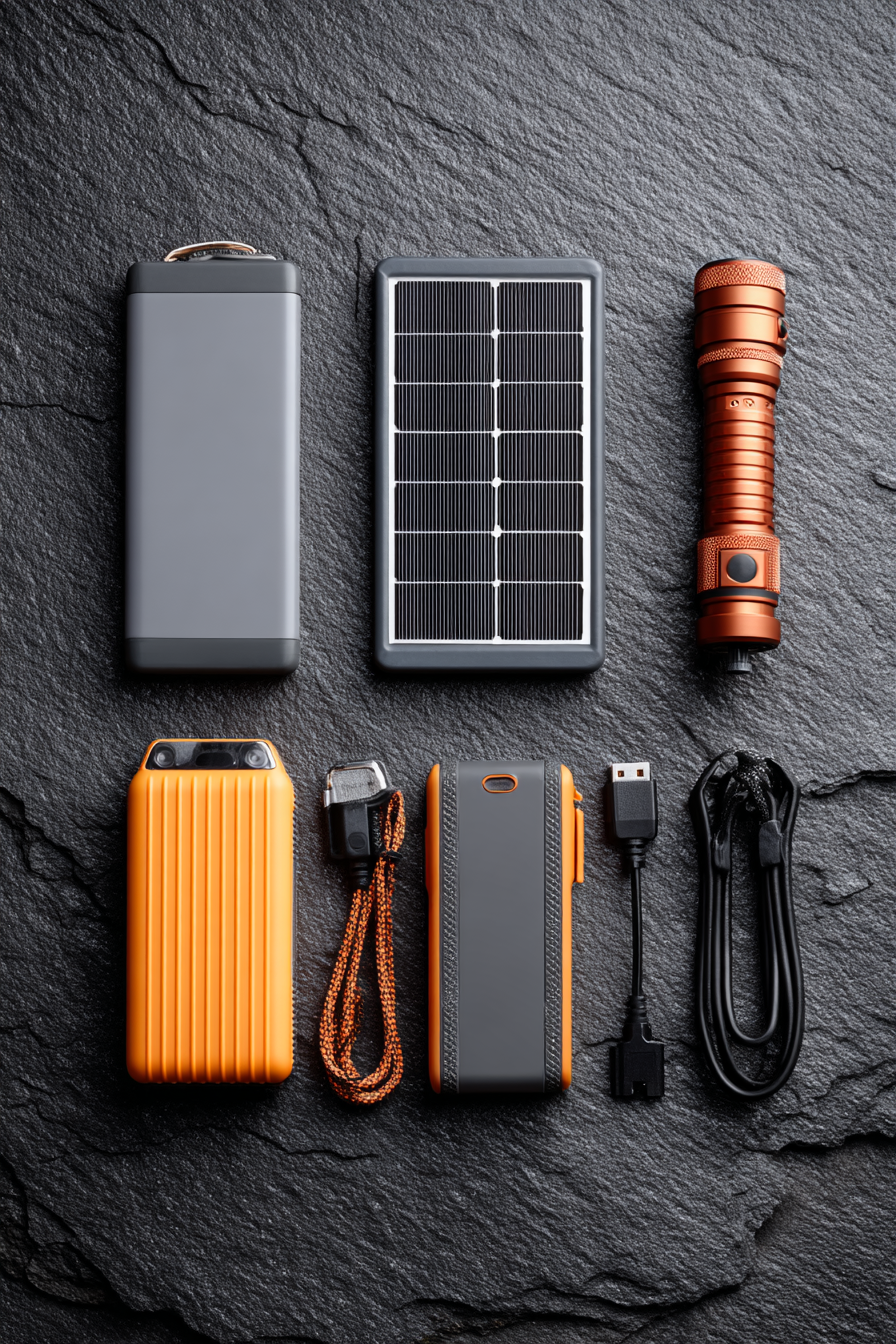
Power banks are compact, portable batteries designed to recharge small electronics like phones, tablets, radios, or GPS units.
- Best Pick: Anker PowerCore 20100mAh Portable Charger. This lightweight charger can refill most phones multiple times and has dual USB ports for charging two devices at once. It’s slim enough to fit in your go-bag while offering dependable power on the move.
Choose a rugged model with shock resistance and fast-charging capability. Look for at least 20,000mAh capacity if you expect longer outages.
2. Portable Power Stations
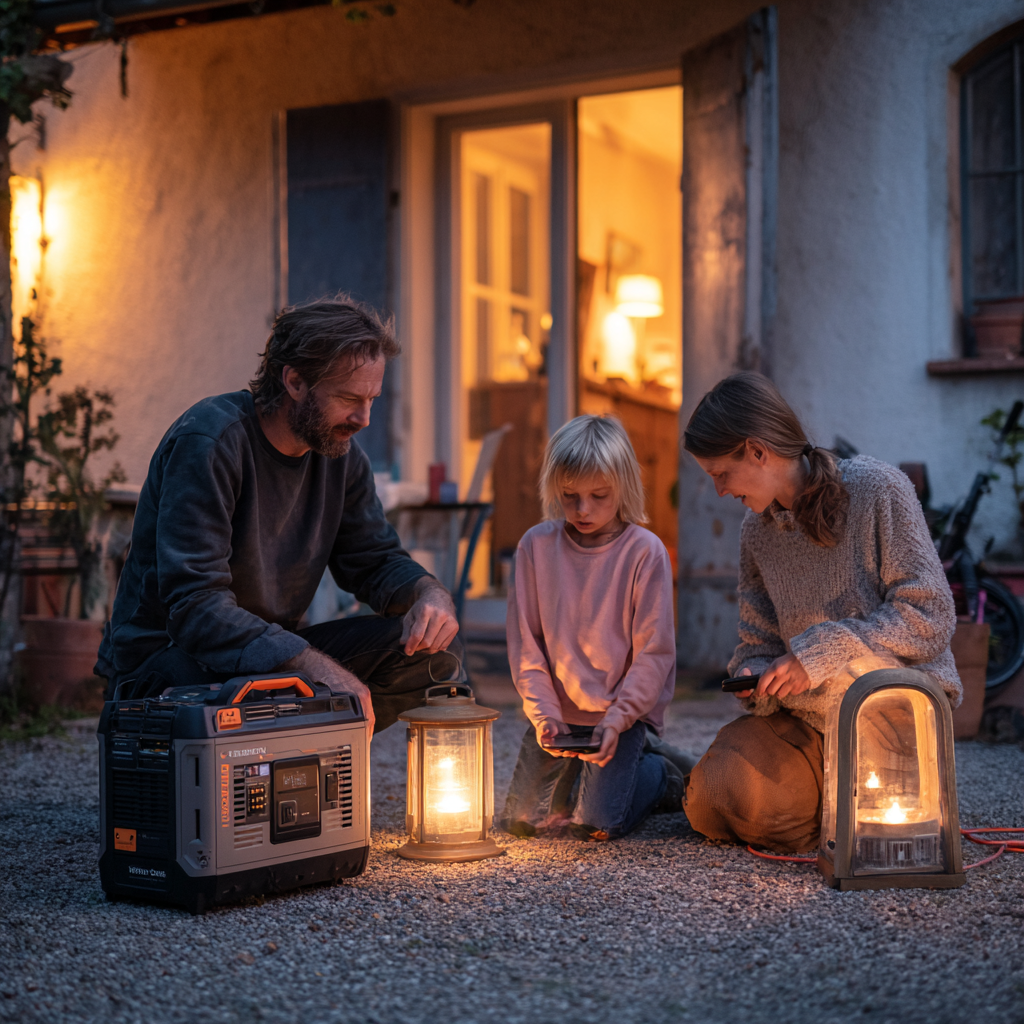
Power stations bridge the gap between small banks and large generators. They store more energy and come with multiple output ports, including AC outlets for appliances.
- Top Choice: Jackery Explorer 240 Portable Power Station. With 240 watt-hours, it can run laptops, charge medical devices, and keep lights on. Its compact design and sturdy handle make it excellent for both home use and evacuation.
- Alternative: Goal Zero Yeti 200X, a lightweight yet powerful station that recharges quickly and supports solar panels for indefinite energy.
These stations are ideal for families who want reliable backup without relying on gasoline.
3. Solar Chargers
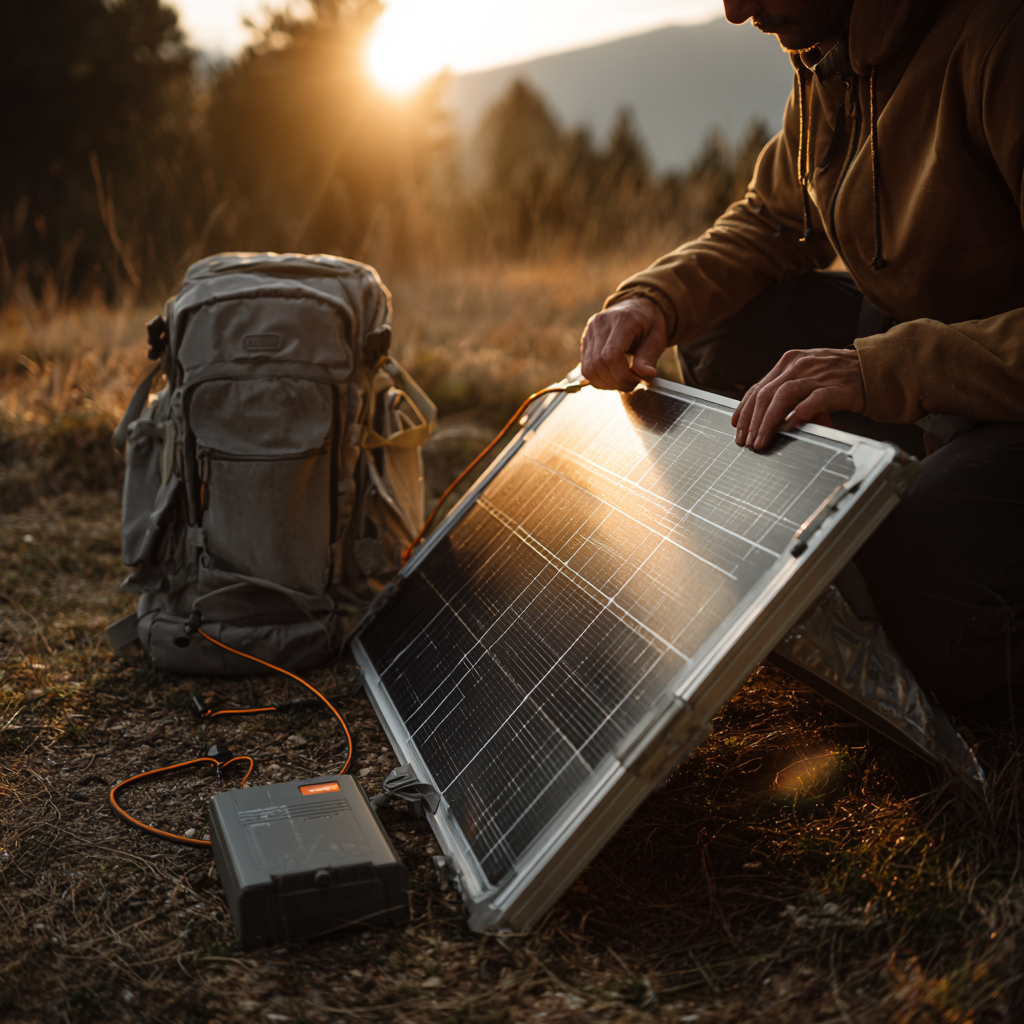
Solar chargers harness sunlight to recharge power banks and stations, making them a sustainable option during long-term outages.
- Reliable Option: Goal Zero Nomad 20 Solar Panel. It folds neatly, withstands rough weather, and can power a bank in a few hours of strong sunlight.
- Budget-Friendly: BigBlue 28W Solar Charger, offering high conversion efficiency and multiple USB ports, perfect for charging phones or tablets directly.
Pair solar chargers with a battery bank or power station for maximum flexibility.
4. Gas Generators
For high-demand scenarios, a gas-powered generator provides more energy than batteries or solar alone. These units can power refrigerators, larger appliances, or multiple devices during extended blackouts.
- Best Compact Pick: WEN 56200i Super Quiet 2000-Watt Generator. Known for reliability and quiet operation, it’s capable of powering sensitive electronics while maintaining efficiency.
Always operate gas generators outdoors with proper ventilation. Keep extra fuel safely stored and rotate it regularly.
Key Features to Consider
When selecting portable power, pay attention to:
- Capacity: Measured in mAh or watt-hours. Higher capacity equals longer runtime.
- Output Ports: A mix of USB, USB-C, DC, and AC outlets provides flexibility.
- Recharge Methods: Look for units that accept wall outlets, car chargers, and solar panels.
- Durability: Waterproof, dustproof, and shock-resistant designs perform better in harsh conditions.
- Weight and Size: Choose lighter options for mobility (bug-out bags) and heavier stations for home or vehicle storage.
Storage and Maintenance
Even the best power equipment won’t help if it’s neglected. Keep your devices ready by:
- Charging power banks and stations to 40–80% when stored.
- Testing every three months to confirm they hold charge.
- Avoiding storage in extreme heat or freezing temperatures.
- Pairing your batteries with a solar panel for long-term outages.
For broader upkeep strategies, read our guide on emergency kit maintenance.
Integrating Power Into Your Preparedness Plan
Power alone isn’t enough—you need to combine it with other survival essentials. A complete emergency kit balances electricity with:
- Water: Stored safely with purification options.
- Food: Non-perishables and freeze-dried meals. Explore our pillar on long-term food storage for beginners for safe storage practices.
- Ready-to-Eat Kits: For convenience during blackouts, see our pillar on best survival food kits for preppers.
- Shelter and Warmth: Tarps, blankets, and bivvies.
- First Aid: Supplies for treating injuries and illnesses.
Portable power isn’t just a gadget—it’s part of a system that ensures resilience in every crisis.
Conclusion
In today’s unpredictable world, portable power is no longer optional—it’s essential. From compact power banks for your phone to robust stations, solar chargers, and generators, having reliable electricity keeps you connected, safe, and prepared during blackouts or evacuations.
Integrate these devices into your overall emergency plan, maintain them regularly, and you’ll always have the energy you need when disaster strikes.
For more practical survival strategies, see our cornerstone on top 10 must-have items in your disaster supply kit.