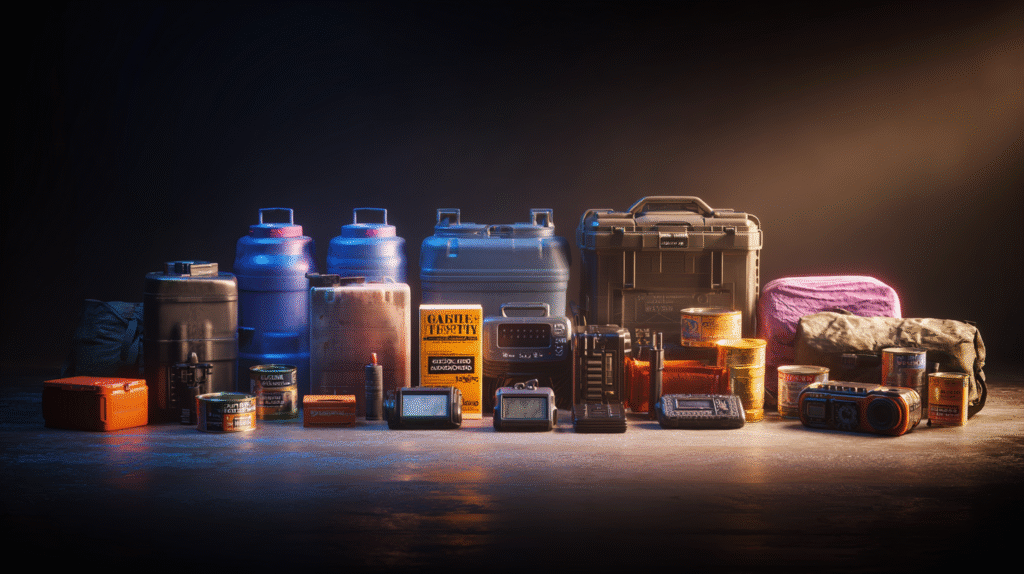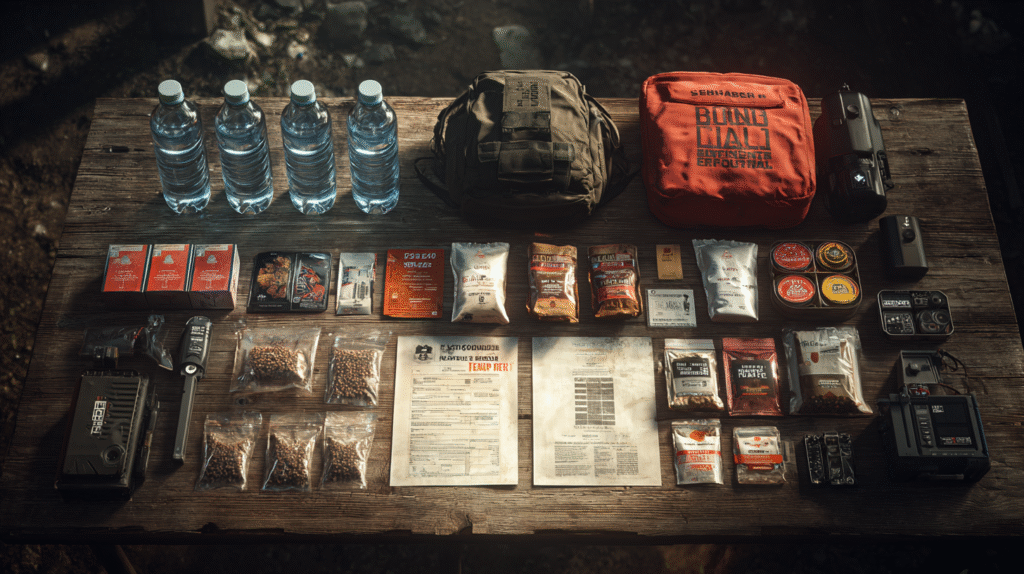

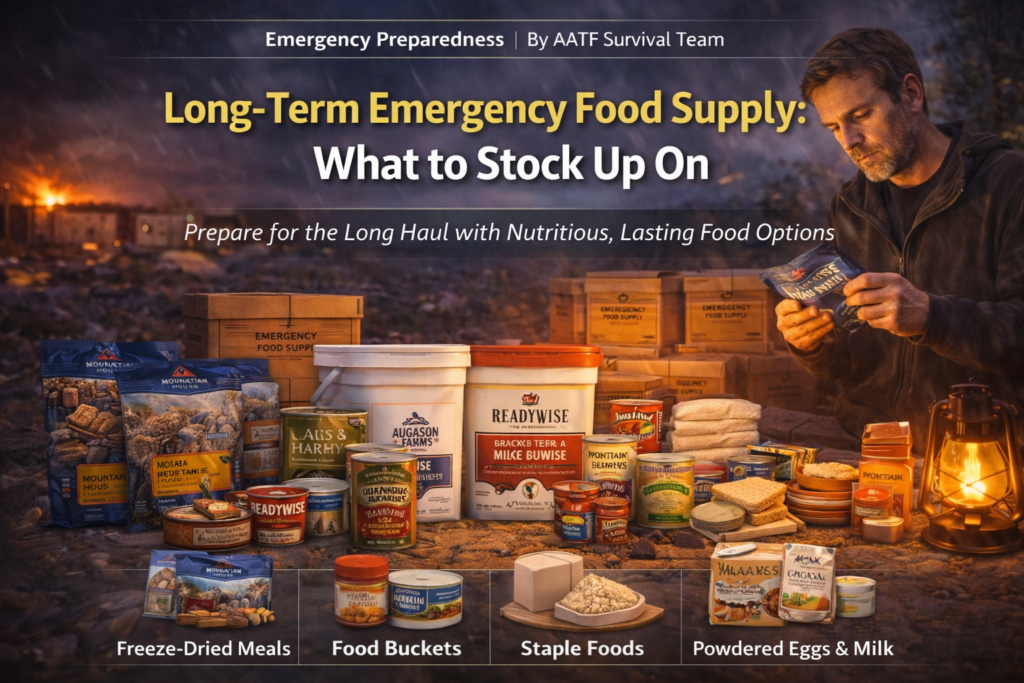
When disaster strikes, being prepared can make all the difference. Whether it’s a hurricane, blackout, wildfire, or unexpected emergency, having a well-stocked emergency preparedness kit ensures you and your family have the supplies necessary to stay safe, nourished, and secure.
This guide will walk you through the essential items every preparedness kit should include, how to store them, and common mistakes to avoid. By the end, you’ll be able to confidently build a kit that supports your survival needs in any crisis.
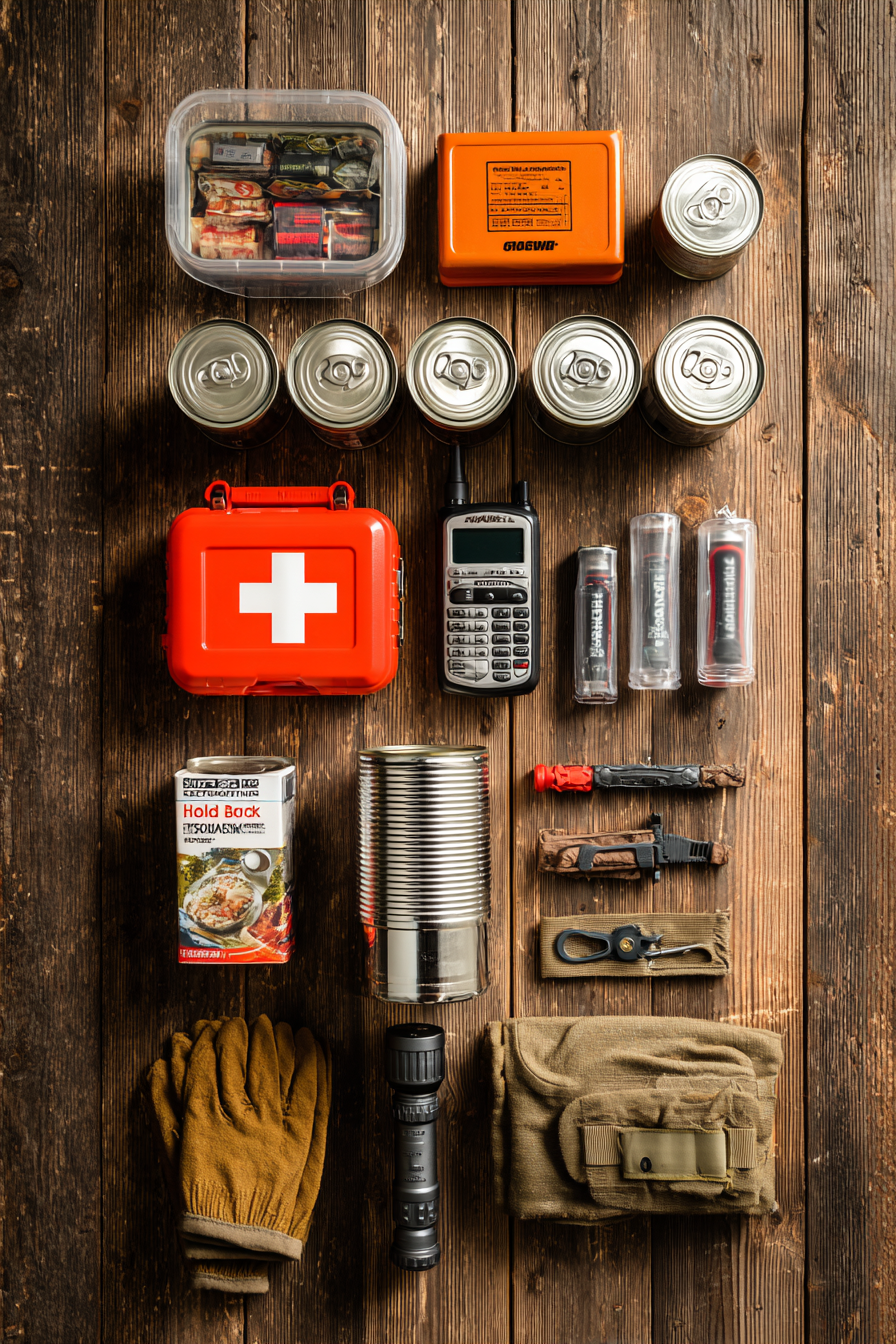
Why You Need an Emergency Preparedness Kit
Emergencies can happen anytime, often without warning. Having a kit ready means:
Peace of mind: You won’t panic when supplies vanish from shelves.
Quick access to survival tools: No scrambling when time is critical.
Customizable resilience: Kits can be tailored to your family’s size, pets, health needs, and local risks.
Preparedness isn’t paranoia—it’s a practical step toward resilience.
For the foundation of all prepping, make sure you understand the basics of long-term food storage.
Water and Purification
Water is non-negotiable. Humans can survive weeks without food but only a few days without water. FEMA recommends at least one gallon per person per day for a minimum of three days. Serious preppers aim for weeks.
What to Include:
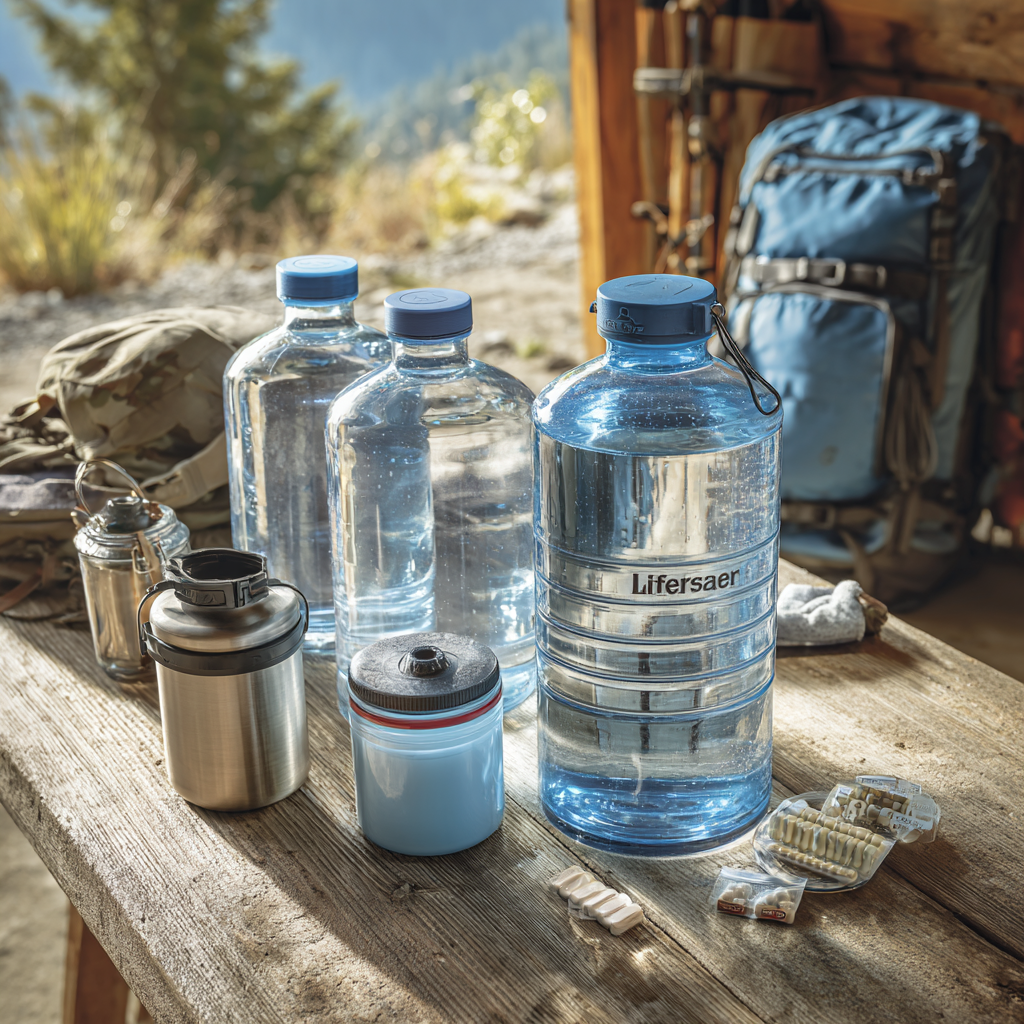
Water Storage Containers: Durable options like the WaterBrick Stackable Water Container make storing gallons simple.
Filtration Tools: Compact filters like the LifeStraw Personal Water Filter allow you to drink directly from streams.
Purification Tablets: Lightweight backups when boiling isn’t possible.
For deeper strategies, check out emergency water storage and essential water purification methods.
Food Supplies
Food fuels your body and keeps morale up in high-stress situations. A smart kit balances short-term calorie sources with long-term staples.
What to Include:
Non-Perishable Items: Peanut butter, canned beans, oats, and pasta.
Energy-Dense Options: Granola bars or top emergency food bars for quick boosts.
Pre-Packaged Kits: Freeze-dried meals with 25+ year shelf life.
For a full breakdown of long-lasting pantry options, see foods that last 25 years.
If you want convenience, invest in the best survival food kits or compare the best survival food buckets. Both options save prep time and ensure balanced nutrition.
Also review this survival food shelf life guide to avoid stocking items that spoil too soon.
First Aid and Medical Supplies
A first aid kit is mandatory. Injuries and illnesses don’t wait for convenient times.
Must-Have Items:
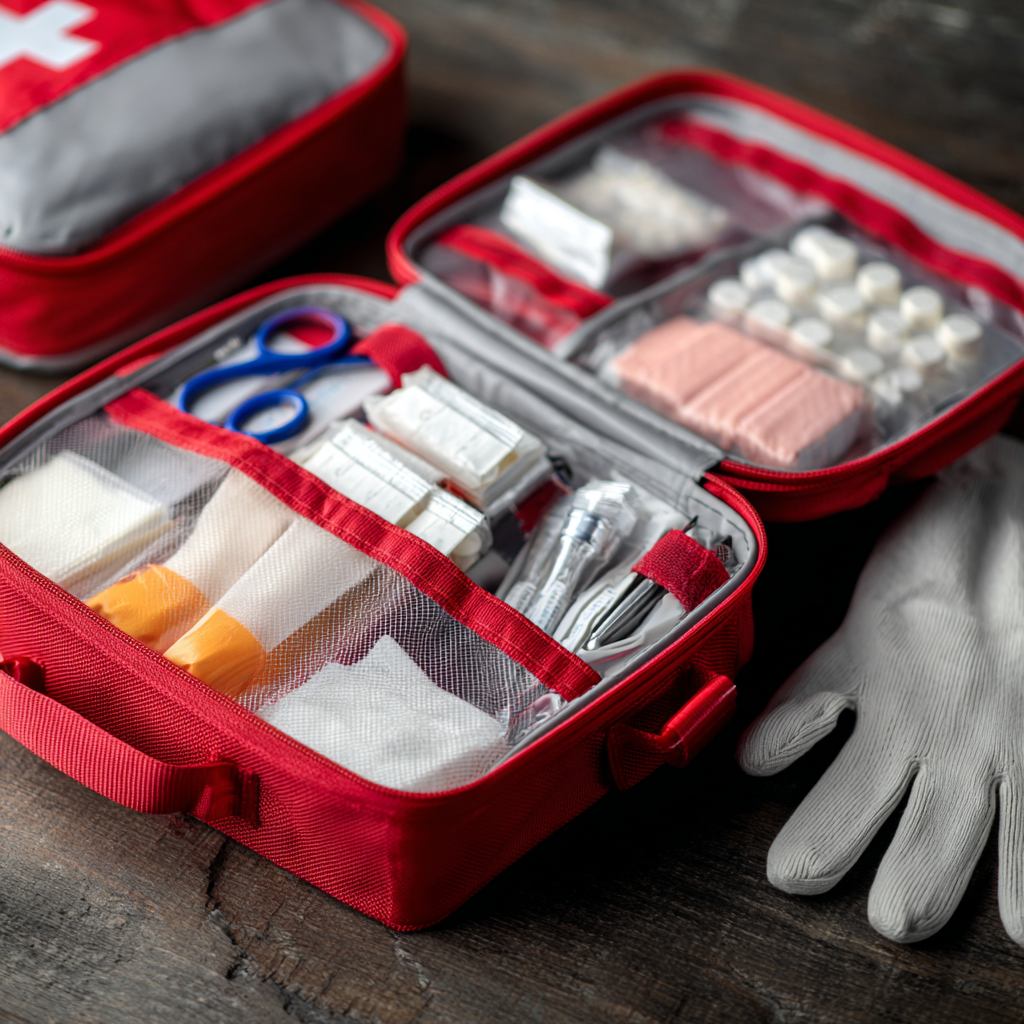
Bandages, gauze, antiseptic wipes.
Pain relievers, antihistamines, and electrolytes.
Prescription medications stored in rotation.
Pro Tip: Avoid one of the top mistakes preppers make with food storage—forgetting medical supplies. Food is useless if you’re too sick to eat.
Amazon Pick: Everlit Survival First Aid Kit (250 pieces) — comprehensive, portable, and designed for emergencies.
Tools and Gear
In survival, the right tool can save your life.
Essential Gear:
Multi-tool: The Leatherman Wave Plus combines pliers, blades, and scissors.
Flashlight: A rechargeable LED flashlight or solar lantern for blackouts.
Firestarter: Ferro rods or waterproof matches.
Navigation: Maps and a compass in case GPS fails
If you prefer ultralight setups, look into building a compact survival kit.
Communication Devices
Information is survival. A crank-powered radio or battery backup ensures you never miss emergency broadcasts.
NOAA Weather Radios: Midland ER310 provides alerts during storms and disasters
Two-Way Radios: For group communication when cell towers fail.
Ham Radios: Advanced preppers use handheld ham units for long-range contact.
See these guides: emergency communication devices and top emergency radio features.
Shelter and Warmth
Exposure kills faster than hunger. Shelter gear ensures warmth and protection.
Essentials:
Emergency Blankets: Lightweight, reflective mylar blankets trap body heat.
Bivvy Sacks: Compact sleeping bag alternatives.
Tents and Tarps: Protection from rain, wind, and cold.
If you live in cold climates, build a winter survival kit with extra insulation layers.
Lighting and Power Sources
Power outages are common in disasters. Light and electricity are vital.
Headlamps: Hands-free lighting for tasks at night.
Solar Lanterns: Renewable energy for prolonged outages.
Portable Power Banks: Recharge radios, phones, or GPS devices.
Learn more in emergency lighting options.
Cooking and Food Preparation
Cooking comforts morale and ensures better nutrition.
Include:
Portable Stoves: Propane or butane stoves are reliable indoors and outdoors
Solar Ovens: Fuel-free cooking powered by the sun
Lightweight Cookware: Pots, pans, and utensils designed for camping.
Explore recommended portable cooking equipment and consider supplementing with best portable food dehydrators for DIY long-term food prep.
Hygiene and Sanitation
Poor hygiene leads to illness, even in short-term disasters.
Wet Wipes & Hand Sanitizer: Essential for cleanliness.
Toilet Paper: Comfort and necessity
Feminine Hygiene Supplies: Often overlooked but critical
Portable Waste Bags: Manage sanitation in blackouts.
Read more in emergency hygiene kits and emergency sanitation supplies.
Flavor variety boosts morale too—don’t overlook spices for survival cooking.
Clothing and Personal Protection
Pack durable, layered clothing:
Base Layers: Moisture-wicking fabrics.
Insulating Layers: Fleece or wool.
Outer Layers: Waterproof jackets and boots.
Protective Gear: Gloves, masks, and goggles for hazardous environments.
Documents and Cash
Don’t forget:
IDs, medical records, insurance documents.
Small bills and coins for barter when ATMs shut down.
Store in fireproof, waterproof pouches.
Special Considerations
Pets: See pet emergency kits for food, leashes, meds, and comfort items.
Children: Comfort toys, snacks, diapers, formula.
Seniors: Mobility aids, extra prescriptions, easy-open food packaging.
Storing and Maintaining Your Kit
Your kit is only useful if it’s accessible and up-to-date.
Pro Tips:
Store in waterproof containers.
Keep one kit at home, one in the car, one at work.
Rotate perishables every 6–12 months.
Learn how to rotate your emergency food stockpile for maximum freshness.
Conclusion
An emergency preparedness kit isn’t optional—it’s essential. By stocking up on water, food, first aid, tools, communication devices, hygiene supplies, and personal essentials, you’ll be ready for whatever crisis comes your way.
Start simple: gather a few basics, then expand. Add in specialized gear like radios, stoves, and survival buckets over time. Review your kit regularly and make it a habit to stay prepared.
Preparedness equals freedom. Build your kit today—your future self will thank you.